
Logistics Warehouse Fulfillment China Export Import: 2026 Strategy Guide
“Navigating the complexities of logistics warehouse fulfillment china export import requires a sophisticated approach to modern supply chain management in 2026. Many businesses struggle with rising operational costs and transit delays, yet implementing a streamlined process can significantly boost your overall profitability. Consequently, this comprehensive guide explores how you can optimize your international operations to stay competitive in the global market.”

What Defines Logistics Warehouse Fulfillment China Export Import in 2026?
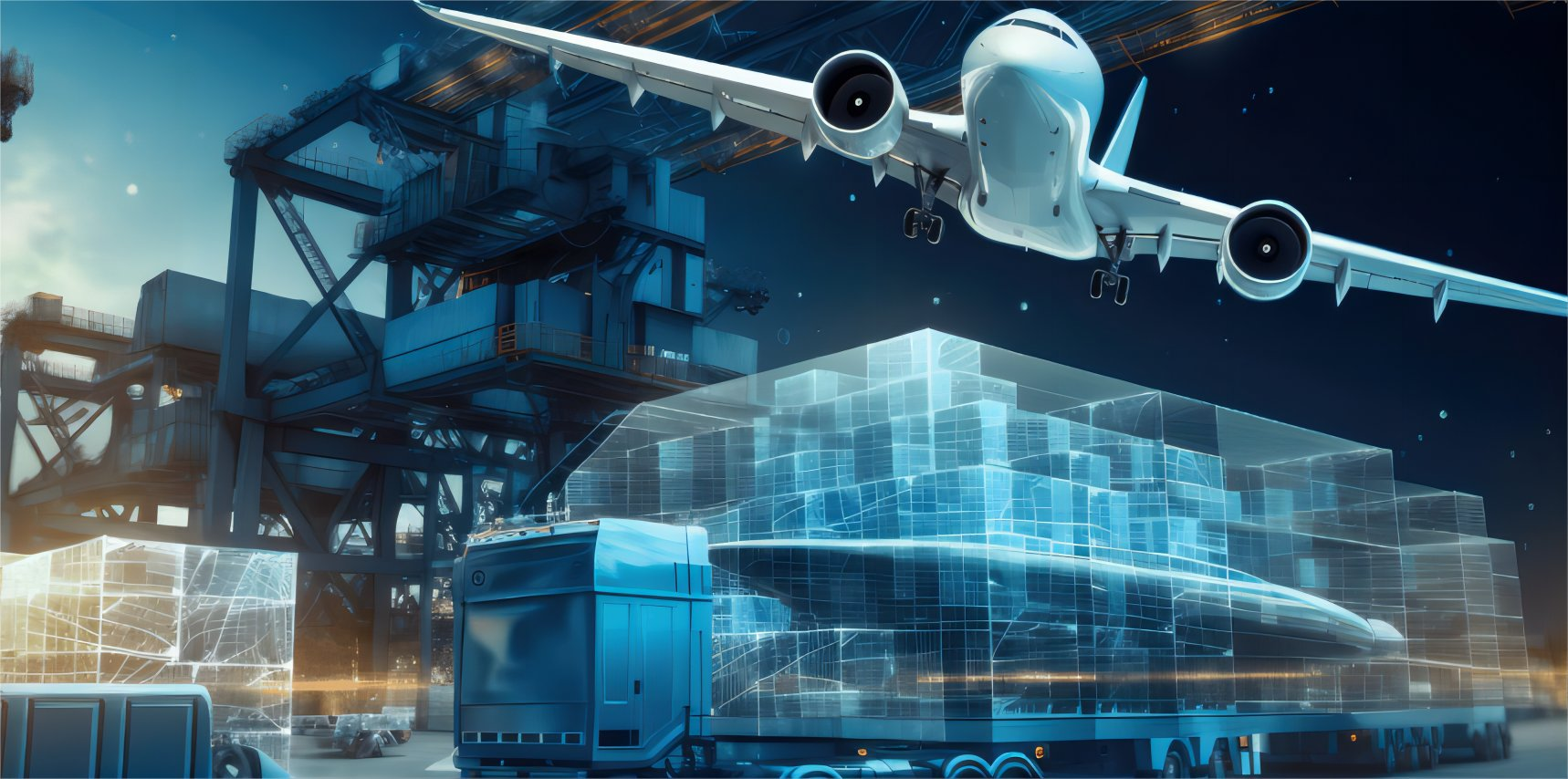
❖Modern global trade relies heavily on the efficiency of integrated storage and distribution networks. Indeed, the concept of logistics warehouse fulfillment china export import has evolved to include advanced robotics and real-time data tracking. Businesses now demand faster turnaround times to meet the expectations of an increasingly digital consumer base.
Furthermore, the strategic location of your warehouse in China can determine the speed of your entire export cycle. Choosing facilities near major hubs like Shenzhen or Shanghai allows for quicker access to international shipping lanes. Therefore, selecting the right partner for your storage needs is a critical decision for long-term success.
Additionally, the integration of smart inventory management systems helps reduce errors during the fulfillment stage. These technologies ensure that every item is accounted for before it leaves the facility for its international destination. Consequently, companies that invest in these systems see a marked improvement in customer satisfaction levels.
How Does Sea Freight Compare to Other Shipping Options?
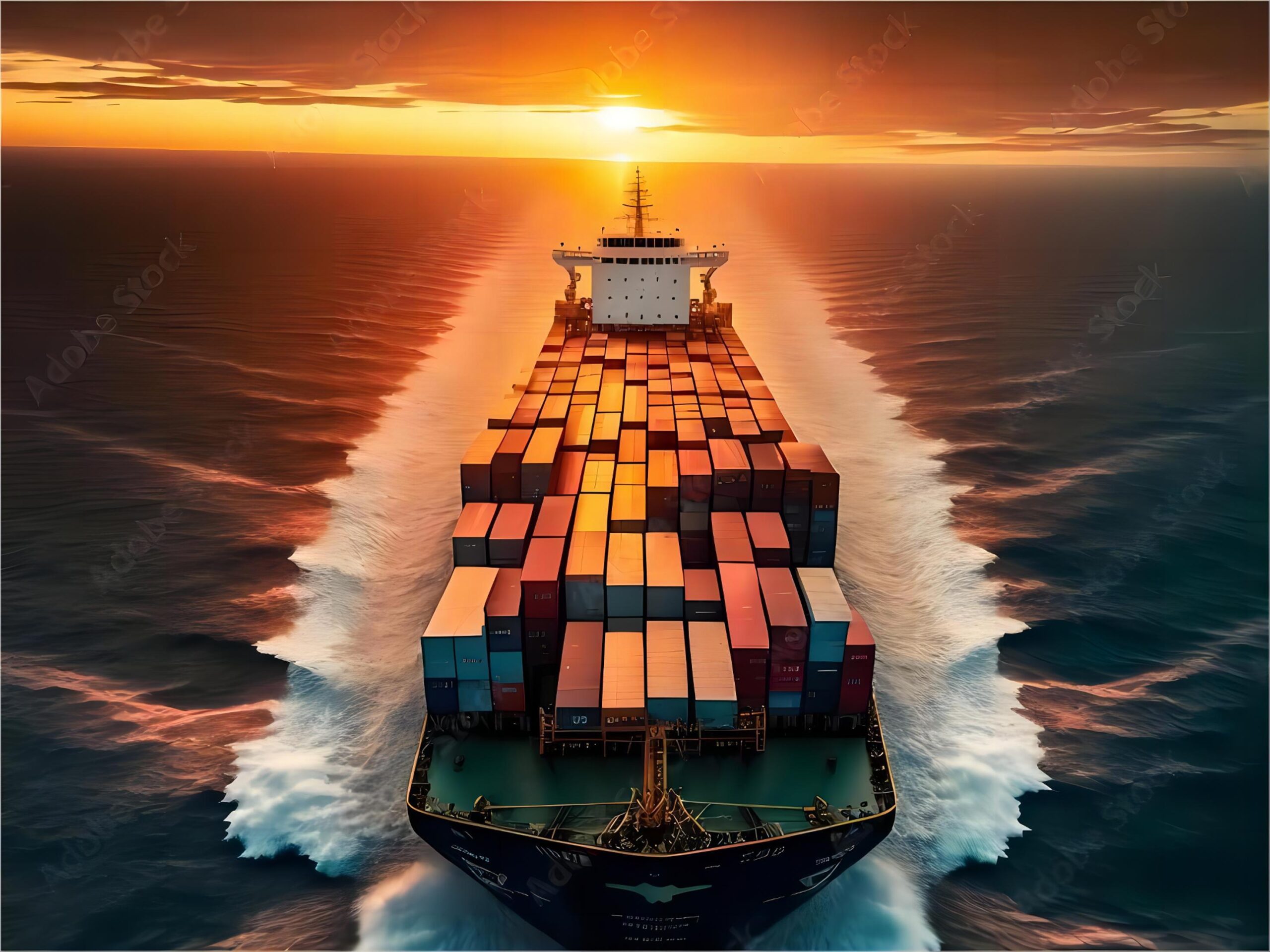
❖Comparing different transport modes is essential for balancing cost and speed in your supply chain. While sea freight remains the most economical choice for high-volume shipments, it requires careful planning due to longer transit times. However, it offers the most stable pricing for businesses moving large quantities of goods across the ocean.
Specifically, ocean transport is ideal for non-perishable goods and heavy machinery that do not require immediate delivery. Meanwhile, alternative methods like air or rail provide faster solutions for urgent inventory needs. Shippers must evaluate their specific priorities before committing to a particular transportation strategy.
In addition, the 2026 market has seen a stabilization of ocean rates following previous global disruptions. This stability allows for more accurate budgeting and long-term planning for import and export businesses. Nevertheless, you should always account for potential seasonal fluctuations during peak periods.
| Shipping Method | Cost Range | Transit Time | Best For |
|---|---|---|---|
| Sea Freight (FCL) | $2,000 – $4,500 | 25 – 40 Days | Bulk cargo and large volumes |
| Air Freight | $5.00 – $12.00/kg | 3 – 7 Days | High-value or urgent goods |
| Rail Freight | $1,500 – $3,000 | 15 – 22 Days | Mid-range budget for Europe |
| Express Service | $8.00 – $15.00/kg | 2 – 5 Days | Small parcels and samples |
Why Warehousing is the Backbone of China Export Import
❖Effective storage solutions do more than just hold products; they facilitate the entire logistics warehouse fulfillment china export import workflow. By utilizing a warehouse in China, you can consolidate orders from multiple suppliers into a single shipment. As a result, you significantly reduce your international shipping costs and simplify customs documentation.
Moreover, value-added services such as kitting, labeling, and quality control inspections happen within these facilities. This ensures that only high-quality products reach your end customers, reducing the likelihood of expensive returns. Consequently, professional warehousing acts as a vital buffer in your global supply chain.
Indeed, the ability to store goods close to the manufacturing source provides a competitive advantage in inventory management. This proximity allows for rapid adjustments to stock levels based on real-time market demand. Without a doubt, a well-managed warehouse is the foundation of any successful import or export operation.
Navigating Customs Brokerage and Compliance
❖Understanding international trade regulations is mandatory for anyone involved in the movement of goods across borders. Utilizing a professional customs brokerage service can prevent costly delays and legal complications. These experts stay updated on the latest tariff changes and documentation requirements for different jurisdictions.
Furthermore, accurate classification of your products under the Harmonized System (HS) code is crucial for determining correct duty rates. Errors in this area can lead to heavy fines or even the seizure of your cargo by authorities. Therefore, investing in compliance expertise is a proactive way to protect your business interests.
In addition, the 2026 regulatory environment has introduced stricter environmental standards for packaging and materials. Shippers must ensure that their export documents reflect compliance with these new international laws. Consequently, keeping detailed records of your supply chain origins is more important than ever before.
Scaling with Amazon FBA and E-commerce Fulfillment
❖E-commerce businesses often leverage specialized services like Amazon FBA to reach a global audience quickly. By shipping goods directly from China to fulfillment centers, sellers can offer fast delivery times to their customers. This strategy requires precise coordination between the Chinese warehouse and the final destination hub.
However, Amazon has strict requirements regarding how products must be labeled and packaged before arrival. Failure to meet these standards can result in rejected shipments and additional handling fees. Consequently, many businesses use third-party logistics providers in China to prepare their inventory according to these specific guidelines.
Moreover, the rise of cross-border e-commerce has led to the development of dedicated shipping lanes optimized for small parcels. These lanes offer a balance between the speed of air freight and the cost-effectiveness of traditional postal services. As a result, small and medium-sized enterprises can now compete more effectively on the international stage.
Air Freight vs Rail Freight: Speed and Efficiency
❖Choosing between air freight and rail options depends largely on your budget and delivery schedule. Air transport offers the fastest possible transit times, making it the preferred choice for electronics and fashion items. Nevertheless, the high cost per kilogram means it is often reserved for high-margin products.
Alternatively, rail freight has become an increasingly popular middle-ground solution for shipments moving between China and Europe. It provides a faster transit time than sea freight while remaining significantly cheaper than air transport. Therefore, many logistics managers use rail to maintain a steady flow of inventory without breaking their budget.
Specifically, the expansion of the New Silk Road has improved the reliability and frequency of rail services across Eurasia. This infrastructure development has made rail a viable alternative for a wide range of industrial and consumer goods. Consequently, businesses should evaluate this option as part of a diversified transportation strategy.
| Destination | Air Transit | Rail Transit | Sea Transit |
|---|---|---|---|
| Germany (Hamburg) | 4 – 6 Days | 16 – 20 Days | 32 – 38 Days |
| Poland (Warsaw) | 3 – 5 Days | 14 – 18 Days | 35 – 42 Days |
| United Kingdom | 4 – 7 Days | 18 – 22 Days | 30 – 35 Days |
| France (Le Havre) | 4 – 6 Days | 17 – 21 Days | 32 – 36 Days |

Real Case Studies in 2026 Logistics
❖Case Study 1: Electronics Export to Germany. Route: Shenzhen, China to Hamburg, Germany. Cargo: 500 units of high-end tablets, 12 CBM, 2,500 kg. Container: LCL. Shipping Details: Major carrier via transshipment. Cost Breakdown: Ocean Freight: $1,250; Origin Charges: $350; Destination Charges: $450; Customs: $800. Total Landed Cost: $2,850. Timeline: Sea Transit: 34 days; Total Door-to-Door: 42 days. Key Insight: Consolidating cargo in Shenzhen saved 15 percent compared to direct factory shipping.
Case Study 2: Industrial Machinery to USA. Route: Ningbo, China to Los Angeles, USA. Cargo: Precision CNC machines, 28 CBM, 12,000 kg. Container: 40GP. Shipping Details: Direct sea route via COSCO. Cost Breakdown: Ocean Freight: $3,200; Origin Charges: $500; Destination Charges: $650; Customs: $1,200. Total Landed Cost: $5,550. Timeline: Sea Transit: 16 days; Total Door-to-Door: 24 days. Key Insight: Booking four weeks in advance secured a rate 10 percent below the Q3 2026 peak season average.
Case Study 3: Fashion Apparel to UK. Route: Shanghai, China to London, UK. Cargo: Seasonal clothing, 5 CBM, 1,200 kg. Shipping Method: Air Freight. Cost Breakdown: Air Freight: $7,200; Handling: $400; Customs: $1,100. Total Landed Cost: $8,700. Timeline: Air Transit: 5 days; Total Door-to-Door: 9 days. Key Insight: Using air freight allowed the brand to meet a sudden surge in demand during the spring season.
Note: Freight rates are subject to change based on fuel costs, carrier capacity, and seasonal demand. Contact us for a current quote tailored to your specific shipment.
Which Option Should You Choose? Decision Framework
❖Selecting the right method for your logistics warehouse fulfillment china export import needs requires a clear understanding of your business priorities. If your primary goal is cost reduction, sea freight is almost always the superior choice for large volumes. On the other hand, if you need to stock products quickly to catch a market trend, air freight is the only viable path.
Furthermore, consider using door to door services to simplify your logistics management. This comprehensive solution handles everything from the factory floor in China to your final warehouse destination. Therefore, you can focus on sales and marketing while professionals manage the complexities of international transport.
In addition, volume thresholds often dictate when you should switch from LCL to FCL shipping. Generally, if your shipment exceeds 15 CBM, a full 20GP container becomes more economical than paying for individual cubic meters. Consequently, analyzing your typical order sizes can lead to significant long-term savings in your shipping budget.
Mastering Your Global Logistics Strategy
To summarize, successful international trade depends on a deep understanding of logistics warehouse fulfillment china export import processes. By choosing the right transportation methods and warehousing partners, you can ensure a reliable flow of goods to your customers. Additionally, staying informed about market trends and regulatory changes will help you navigate the challenges of 2026 and beyond.
Without a doubt, the integration of technology and professional logistics services provides the edge needed in today’s competitive environment. As you refine your export and import operations, remember that efficiency at the warehouse level translates directly to better margins. Therefore, prioritize quality and reliability in every step of your supply chain to achieve sustainable growth.
Ready to streamline your logistics?
Streamline your global supply chain today with our expert logistics warehouse fulfillment china export import solutions. Contact our team now to receive a personalized quote and optimize your international shipping strategy for 2026. Visit alibabafreight.com to get started.
Request Quote