
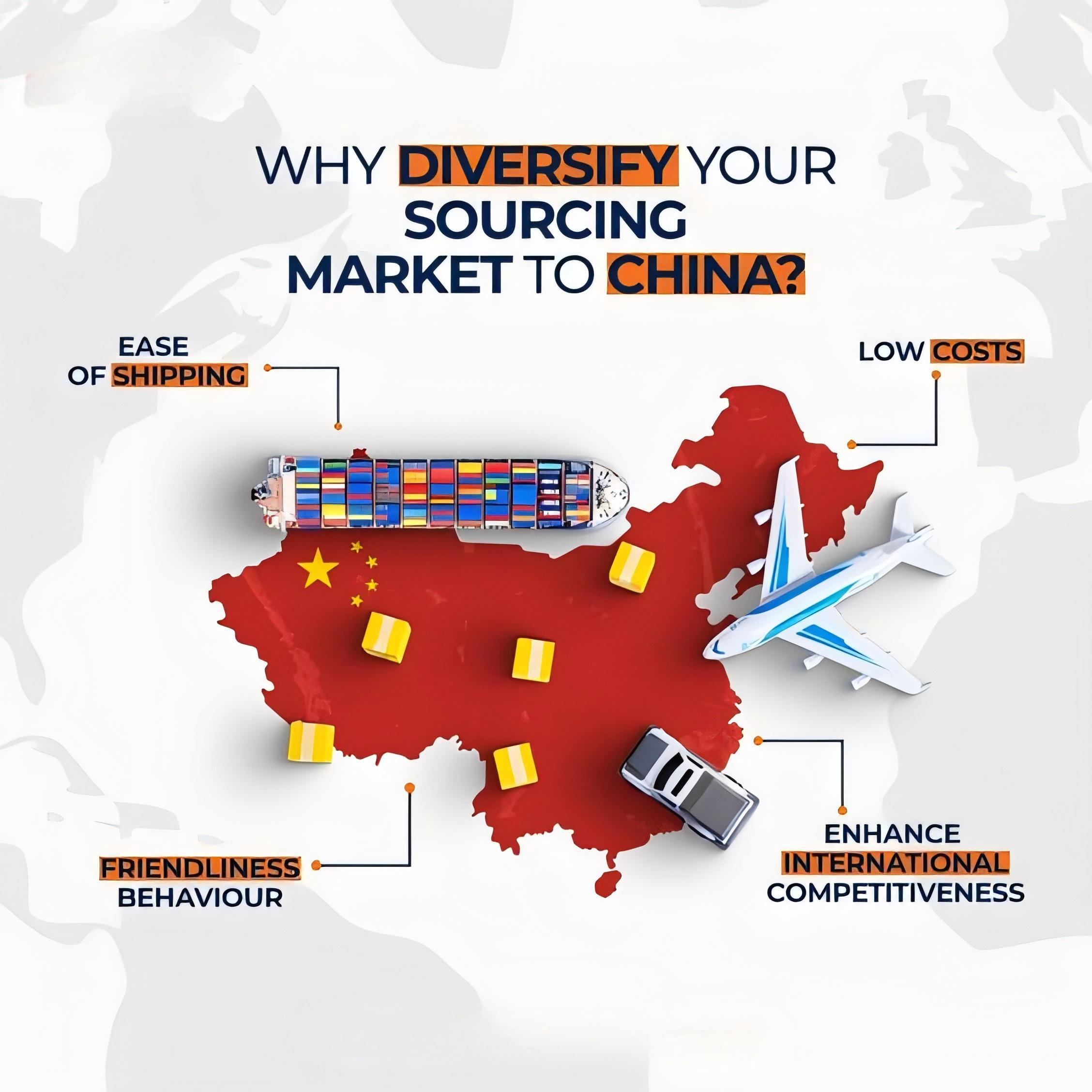
Freight Quote China Global Logistics Service: 2026 Shipping Guide
“Navigating the complexities of international trade requires a reliable DSV-Freight partner. Securing an accurate freight quote china global logistics service is the first step toward optimizing your supply chain and ensuring timely delivery. In 2026, the logistics landscape continues to evolve with new technology and shifting trade routes. Consequently, businesses must understand the various factors that influence pricing and efficiency to remain competitive in the global market.”
Understanding Your Freight Quote China Global Logistics Service Options
❖Choosing the right shipping method involves balancing budget constraints with urgent delivery schedules. For instance, businesses must evaluate whether speed or cost-efficiency is the primary driver for their specific cargo handling needs.
Moreover, the current market trends in 2026 suggest that diversifying your transport modes can mitigate risks associated with port congestion. Therefore, obtaining a comprehensive freight quote china global logistics service allows you to compare different strategies side-by-side.
Specifically, your quote should include all potential charges such as ocean freight, terminal handling charges, and local delivery fees. Without a doubt, transparency in pricing is essential for accurate landed cost calculations and profit margin protection.
In addition, many companies now opt for hybrid solutions that combine different modes of transport to optimize the supply chain. This approach often results in a better balance between transit time and total expenditure.
How Does Sea Freight Compare to Other Shipping Options?
❖While sea freight remains the most popular choice for large volumes, it is not always the best fit for every scenario. For example, high-value electronics often require the speed and security provided by air transport.
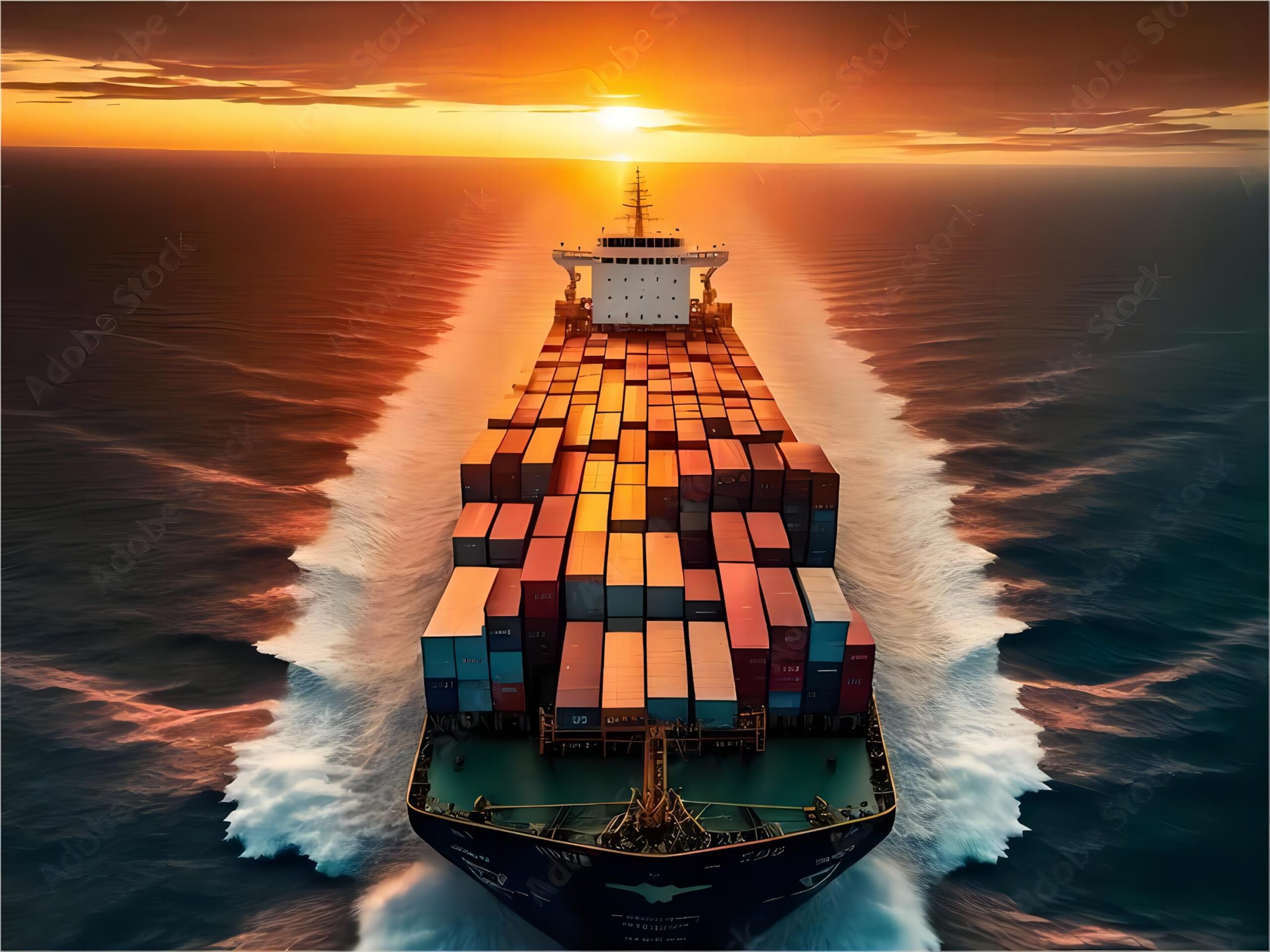
On the other hand, sea shipping offers the lowest cost per unit for bulk commodities and heavy machinery. Consequently, most global logistics service providers recommend ocean transport for shipments exceeding 15 cubic meters.
Indeed, understanding the trade-offs between different methods is crucial for making an informed decision. The following table provides a clear comparison of the primary shipping modes available from China in 2026.
| Shipping Method | Cost Range | Transit Time | Best For |
|---|---|---|---|
| Sea Freight (FCL) | $1,500 – $6,000 | 14 – 45 Days | Large Bulk Volumes |
| Air Freight | $5.00 – $12.00/kg | 3 – 7 Days | Urgent/High Value |
| Rail Freight | $2,000 – $4,500 | 18 – 25 Days | Mid-range Budget |
| Express Service | $8.00 – $20.00/kg | 2 – 5 Days | Small Parcels |
Factors Influencing Global Logistics Service Costs in 2026
❖Several variables impact the final price you see on a freight quote china global logistics service. Primarily, fuel surcharges and carrier capacity fluctuations play a significant role in determining weekly rate changes.
Furthermore, seasonal demand spikes during the pre-Lunar New Year and Q4 peak seasons can lead to space shortages. As a result, booking your shipments at least 3-4 weeks in advance is highly recommended to secure better rates.
Additionally, the geographical location of your supplier in China affects the inland trucking costs. For instance, shipping from inland provinces like Sichuan will be more expensive than shipping from coastal hubs like Shenzhen or Ningbo.
Meanwhile, global events and maritime regulations continue to influence the logistics trends of 2026. Nevertheless, working with an experienced freight forwarder can help you navigate these complexities effectively.
Air Freight vs. Sea Freight: Speed vs. Cost
❖When time is of the essence, air freight provides the fastest route to market. Specifically, it is ideal for seasonal products or inventory replenishment where stockouts would result in significant revenue loss.
However, the cost of air transport is significantly higher than sea transport. For example, while a 40HQ container via sea might cost $3,500, the equivalent volume by air could exceed $20,000.
Consequently, businesses must weigh the cost of the freight against the potential loss of sales. Moreover, air cargo often has stricter regulations regarding hazardous materials and battery-operated devices.
Therefore, many importers use air freight for their initial product launch and switch to sea freight for subsequent bulk orders. This strategy allows for a quick market entry while maintaining long-term profitability.
The Rise of Rail Freight as a Middle Ground
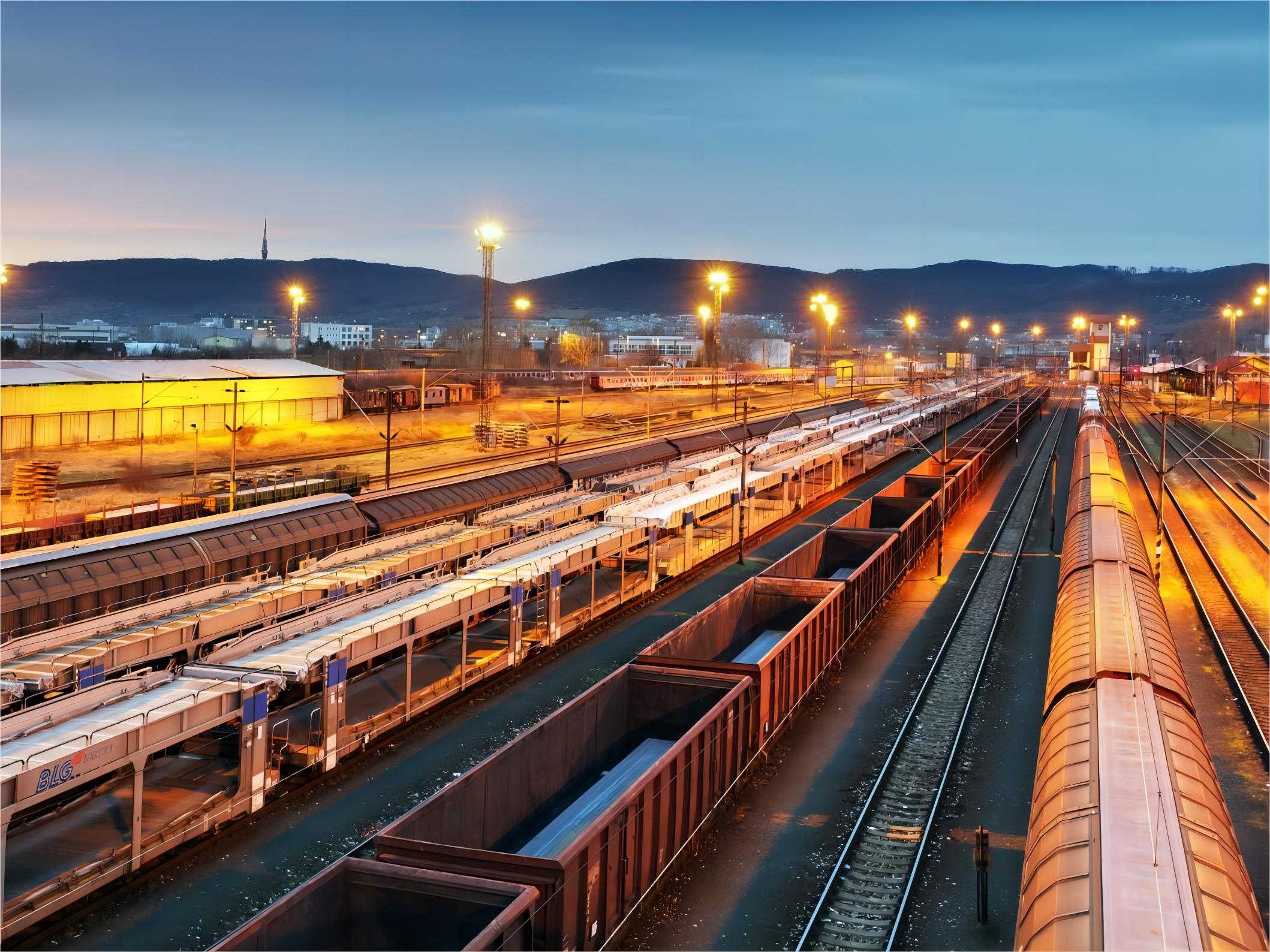
❖In 2026, rail freight has become a reliable alternative for shipments between China and Europe. It offers a transit time that is roughly half that of sea freight at a fraction of the cost of air freight.
Furthermore, rail transport is considered more environmentally friendly than air or sea options. As a result, many corporate social responsibility programs are pushing for increased use of rail corridors.
Indeed, the Silk Road rail routes now connect major Chinese manufacturing hubs directly to cities like Warsaw, Hamburg, and London. Consequently, this mode is perfect for automotive parts and industrial equipment.
Note: Rail freight is currently not a viable option for routes to North America or Australia due to geographical constraints. Instead, these regions rely heavily on ocean and air networks.

Streamlining Deliveries with Door to Door Solutions
❖For many small to medium enterprises, door to door service simplifies the entire import process. This service includes everything from factory pickup in China to final delivery at your warehouse.
Moreover, this all-inclusive approach often includes customs clearance and local duties. Consequently, it removes the burden of managing multiple vendors and complex documentation from the business owner.
Similarly, e-commerce sellers frequently utilize Amazon FBA logistics services to streamline their supply chain. This specialized service ensures that goods meet Amazon’s strict receiving requirements.
Without a doubt, utilizing a single provider for the entire journey reduces the risk of communication errors. Furthermore, it provides better visibility through centralized tracking systems.
Navigating Customs and Compliance in 2026
❖Effective customs brokerage is essential for avoiding costly delays and penalties at the border. In 2026, customs authorities have implemented more rigorous digital filing requirements for all imports.
Therefore, ensuring that your commercial invoice, packing list, and bill of lading are accurate is more important than ever. For instance, incorrect HS code classification can lead to significant duty overpayments or shipment seizures.
Additionally, certain products may require specific certificates of origin or safety compliance documents. Consequently, consulting with a professional broker before the ship departs China is a wise investment.
Indeed, a smooth customs clearance process is the final hurdle in your global logistics service journey. Meanwhile, staying informed about changing trade agreements can provide opportunities for duty drawbacks and tax savings.
Real-World Case Studies: China Logistics in 2026
❖To illustrate how these factors work in practice, we have compiled several recent examples from our 2026 operations. These cases highlight the importance of choosing the right method based on specific cargo and timeline requirements.
Case Study 1: Electronics from Shenzhen to Los Angeles. Route: Shenzhen to Long Beach. Cargo: Consumer Electronics, 28 CBM, 4500 kg. Container: 40GP. Carrier: Major Carrier. Ocean Freight: $2,850. Origin Charges: $450. Destination Charges: $600. Customs: $1,200. Total Landed Cost: $5,100. Timeline: 18 days door-to-door. Key Insight: Early booking secured a lower rate during the Q3 peak.
Case Study 2: Industrial Parts from Ningbo to Hamburg. Route: Ningbo to Hamburg via Rail. Cargo: Steel Components, 12 CBM, 8000 kg. Method: Rail LCL. Carrier: China-Europe Railway. Ocean Freight: $2,100. Origin Charges: $300. Destination Charges: $500. Customs: $800. Total Landed Cost: $3,700. Timeline: 22 days. Key Insight: Rail saved 15 days compared to sea freight during Red Sea disruptions.
Case Study 3: Furniture from Guangzhou to Sydney. Route: Guangzhou to Sydney. Cargo: Home Furniture, 15 CBM. Method: Sea LCL. Carrier: COSCO. Ocean Freight: $950. Origin Charges: $200. Destination Charges: $350. Customs: $400. Total Landed Cost: $1,900. Timeline: 16 days. Key Insight: LCL was more economical than a full 20GP container for this volume.
Note: Freight rates are subject to change based on fuel costs, carrier capacity, and seasonal demand. Contact us for a current quote tailored to your specific shipment.
Which Shipping Option Should You Choose?
❖Determining the best logistics strategy requires a clear understanding of your business priorities. If your primary goal is cost reduction and you have flexible timelines, sea freight is the clear winner.
However, if you are shipping high-value items or perishable goods, the speed of air freight justifies the additional expense. Moreover, for shipments to Europe, rail freight offers a compelling middle ground between the two.
Consequently, we recommend a budget-first approach for non-urgent inventory and a speed-first approach for new launches. Additionally, always consider the volume thresholds where switching from LCL to FCL becomes more economical.
Indeed, most experts agree that for shipments over 15 cubic meters, a full 20GP container provides better value and security. Meanwhile, for very small samples under 100kg, express services remain the most efficient choice.
Strategies for Reducing Your Total Landed Cost
❖One effective way to lower your freight quote china global logistics service is to consolidate shipments from multiple suppliers. Specifically, using a consolidation warehouse in China allows you to fill a full container and reduce per-unit costs.
Furthermore, optimizing your product packaging can significantly reduce the volumetric weight of your cargo. As a result, you can fit more units into a single shipment and lower your overall logistics spend.
Additionally, negotiating Incoterms like FOB (Free on Board) instead of EXW (Ex Works) gives you more control over the international freight portion. Consequently, you can choose your own forwarder and avoid hidden markups from suppliers.
Finally, investing in cargo insurance is a small price to pay for peace of mind against potential damage or loss. Indeed, the cost of insurance is usually less than 1% of the cargo value but provides vital financial protection.
Mastering Your Global Logistics Strategy
In summary, securing a reliable freight quote china global logistics service is about more than just finding the lowest price. It involves understanding the nuances of transit times, customs compliance, and various transport modes available in 2026.
By following the strategies outlined in this guide, you can make informed decisions that enhance your operational efficiency. Whether you choose sea, air, or rail, the key is to maintain flexibility and plan ahead for seasonal shifts.
Ultimately, a strong partnership with a professional logistics provider will ensure your goods arrive safely and on time. Start evaluating your options today to build a more resilient and cost-effective global supply chain.
Ready to streamline your logistics?
Ready to optimize your supply chain with a competitive freight quote china global logistics service? Contact our expert team today to receive a customized shipping solution tailored to your business needs and start saving on your 2026 imports. Visit our inquiry page to get started.
Request Quote