
Sea Freight China USA UK Europe Container Guide 2026
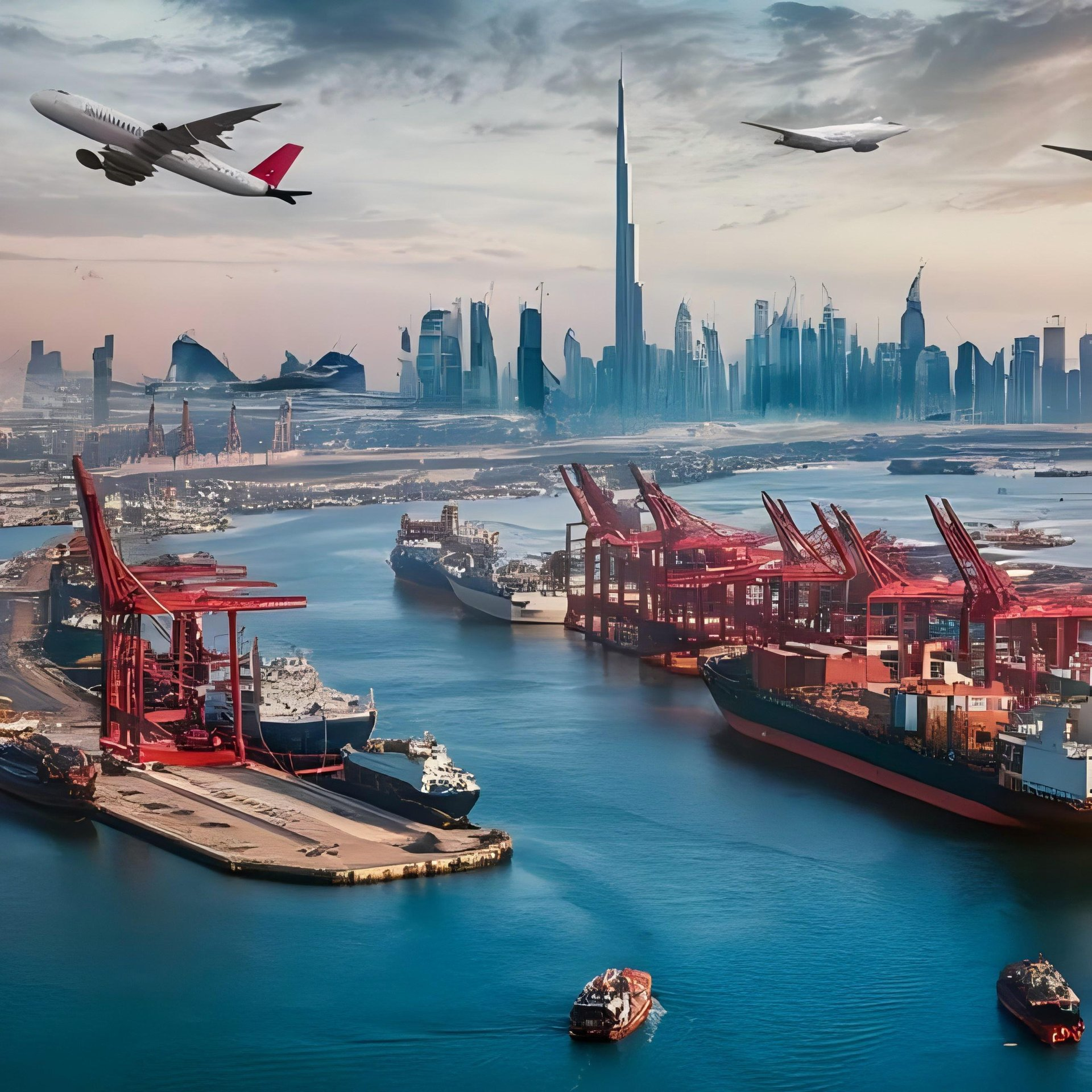
Managing international logistics requires a strategic approach to balance cost and speed in the current global market. Business owners often face complex challenges when coordinating sea freight china usa uk europe container shipments across multiple continents. Consequently, finding a reliable partner like DSV-Freight ensures your cargo moves efficiently through major global trade lanes. This guide provides comprehensive insights into 2026 shipping trends, pricing structures, and optimized delivery strategies for your supply chain.

How to Select the Best Sea Freight China USA UK Europe Container Routes?
Selecting the most efficient route depends heavily on your final destination and the urgency of your inventory needs. In 2026, the logistics landscape has evolved to prioritize green shipping corridors and digital tracking capabilities. Therefore, you must evaluate whether a direct route or a transshipment option better serves your specific business objectives.
Choosing sea freight remains the most cost-effective solution for moving high volumes of goods across the ocean. Furthermore, shippers must consider the proximity of their suppliers to major Chinese ports like Shanghai, Ningbo, or Shenzhen. Meanwhile, destination port congestion can significantly impact your total door to door lead time.
Importers should also analyze the reliability of different carriers operating on these specific trade lanes. Specifically, some carriers offer better rates for the US West Coast while others dominate the European northern range ports. Accordingly, a balanced approach to carrier selection helps mitigate risks associated with port strikes or equipment shortages.
Additionally, the integration of smart containers has improved visibility throughout the transit process. Shippers can now receive real-time updates on temperature, humidity, and location for sensitive cargo. Nevertheless, the fundamental principles of volume-based pricing still dictate the majority of international shipping decisions.
Why Are Sea Freight China USA UK Europe Container Costs Fluctuating in 2026?
Market dynamics in 2026 continue to experience shifts due to fuel price volatility and new environmental regulations. For example, the implementation of stricter carbon emission standards has led to updated fuel surcharges across all major shipping lines. Consequently, budgeting for international logistics requires a flexible approach to accommodate these periodic adjustments.
Seasonal demand also plays a critical role in determining the final price of your container space. During the peak season from August to October, rates typically increase by 15 to 25 percent as retailers prepare for holiday sales. Therefore, booking your shipments at least four to six weeks in advance can help secure more favorable pricing.
Indeed, global economic conditions and trade policies between China and the West influence the overall supply and demand for container slots. Moreover, the availability of empty containers at inland depots can create localized price spikes. Shippers should monitor these trends closely to time their orders effectively for maximum cost savings.
| Route | 20GP Container | 40HQ Container | Avg. Transit Time |
|---|---|---|---|
| China to USA West | $1,600 – $2,300 | $2,900 – $3,900 | 14-18 Days |
| China to USA East | $2,600 – $3,600 | $4,600 – $6,100 | 30-35 Days |
| China to UK | $2,100 – $2,900 | $3,600 – $4,600 | 30-38 Days |
| China to Europe | $1,900 – $2,600 | $3,100 – $4,300 | 28-35 Days |
Understanding FCL and LCL Sea Freight China USA UK Europe Container Logistics
Deciding between Full Container Load (FCL) and Less than Container Load (LCL) is a pivotal step in your logistics planning. FCL provides exclusive use of a container, which typically results in faster transit times and lower risk of damage. On the other hand, LCL allows you to share space with other shippers, making it ideal for smaller inventory batches.
For shipments exceeding 15 cubic meters, FCL usually becomes the more economical choice due to the flat rate per container. However, smaller businesses often utilize LCL to maintain a steady flow of goods without the need for large capital outlays. In addition, many providers now offer specialized door to door services that simplify the complexity of LCL consolidation.
Customs handling for LCL can sometimes take longer because multiple consignees are involved in a single container. Consequently, if one shipment faces a delay, the entire container may be held at the port. To summarize, choosing the right method requires a careful analysis of your volume, budget, and required delivery speed.
Note: Freight rates are subject to change based on fuel costs, carrier capacity, and seasonal demand. Contact us for a current quote tailored to your specific shipment.
How Does Sea Freight Compare to Other Shipping Options?
Comparing different transport modes is essential for optimizing your global supply chain performance. While ocean shipping offers the lowest cost per unit, it lacks the speed of premium services. For instance, air freight can deliver goods in less than a week but at a significantly higher price point.
Meanwhile, rail freight provides a middle ground for shipments between China and Europe, offering faster transit than sea at a lower cost than air. Nevertheless, rail is not an option for North American routes, leaving sea and air as the primary contenders. Shippers must weigh these trade-offs based on their inventory turnover and profit margins.
Hybrid solutions like sea-air combinations have also gained popularity for shipments that are too urgent for sea but too bulky for air. These strategies involve shipping by sea to a hub like Dubai and then flying the cargo to the final destination. Such approaches can save up to 40 percent in costs compared to pure air freight while cutting transit time in half compared to sea.
| Method | Cost Range | Transit Time | Best For |
|---|---|---|---|
| Sea Freight | Low ($) | 30-45 Days | Bulk Goods |
| Air Freight | High ($$$$) | 3-7 Days | High Value |
| Rail Freight | Medium ($$) | 15-22 Days | Mid-Volume |
| Express | Very High ($$$$$) | 2-5 Days | Samples/Docs |

What Customs Documents Are Required for Sea Freight China USA UK Europe Container Shipments?
Navigating the legal requirements of international trade is often the most daunting aspect for new importers. Accurate documentation prevents costly delays and potential fines at the port of entry. Therefore, hiring a professional customs brokerage service is highly recommended for complex global shipments.
Essential documents include the Bill of Lading, Commercial Invoice, and Packing List, which must all match perfectly. Furthermore, specific products may require certificates of origin or specialized permits depending on the destination country’s regulations. For example, shipments to the USA require an Importer Security Filing (ISF) to be completed 24 hours before the ship departs from China.
In contrast, European and UK customs focus heavily on VAT compliance and EORI numbers for all importing entities. Consequently, ensuring your paperwork is digitalized and submitted early can expedite the clearance process. Maintaining a clean compliance record also helps in qualifying for simplified customs procedures in the future.
Evaluating Transit Times for Global Container Shipping
Transit times vary significantly based on the specific port pairs and the service string chosen by the carrier. For shipments to North America, the difference between West Coast and East Coast arrival can be over two weeks. Similarly, shipping to Europe involves navigating the Suez Canal, which remains a critical chokepoint in global trade.
Weather conditions and seasonal port congestion can also add unexpected days to your delivery schedule. As a result, many logistics managers add a buffer of five to seven days when planning their inventory arrivals. Specifically, Q4 shipments often face longer wait times due to the sheer volume of containers entering major hubs.
Moreover, the choice between direct and transshipment services directly impacts the total duration of the voyage. While direct routes are faster, transshipment via hubs like Singapore or Busan can sometimes offer more competitive rates. Businesses must decide if the time savings justify the additional freight expense for their specific products.
Which Option Should You Choose? A Strategic Decision Framework
Determining the best shipping strategy requires a clear understanding of your business priorities and cargo characteristics. If your primary goal is cost minimization for non-perishable goods, FCL sea freight is the logical choice. Conversely, if you are launching a new product with uncertain demand, LCL allows for smaller, more frequent shipments.
Speed-sensitive cargo or high-value electronics often justify the expense of air freight to reduce the risk of theft and damage. Meanwhile, mid-range products destined for European markets can benefit from the reliability of rail transport. Specifically, you should evaluate the total landed cost rather than just the freight rate to make an informed decision.
Additionally, consider the environmental impact of your logistics choices as more consumers demand sustainable supply chains. Sea freight has the lowest carbon footprint per ton-mile compared to other transport modes. Therefore, optimizing your container load and reducing empty miles can enhance both your profitability and your brand reputation.
Real-World Case Studies for Global Logistics
Analyzing real-world scenarios helps importers understand the practical application of these logistics strategies. Below are three cases demonstrating typical 2026 shipping operations across major global routes.
Case Study 1: Electronics to USA Route: Shenzhen, China to Long Beach, USA Cargo: Consumer Electronics, 68 CBM, 12,000 kg Container: 40HQ Shipping Details: – Carrier: Major carrier – Port of Loading: Shenzhen – Port of Discharge: Long Beach – Route Type: Direct Cost Breakdown: – Ocean Freight: $3,450 – Origin Charges: $450 – Destination Charges: $650 – Total Landed Cost: $4,550 Timeline: – Sea Transit: 16 days – Total Door-to-Door: 24 days Key Insight: Early booking during Q2 secured a rate 15% below the market average.
Case Study 2: Apparel to UK Route: Ningbo, China to Felixstowe, UK Cargo: Fashion Apparel, 28 CBM, 5,500 kg Container: 20GP Shipping Details: – Carrier: Major carrier – Port of Loading: Ningbo – Port of Discharge: Felixstowe – Route Type: Transshipment via Singapore Cost Breakdown: – Ocean Freight: $2,400 – Origin Charges: $380 – Destination Charges: $520 – Total Landed Cost: $3,300 Timeline: – Sea Transit: 34 days – Total Door-to-Door: 42 days Key Insight: Using transshipment saved $400 compared to direct service with only 4 days added to transit.
Case Study 3: Industrial Parts to Europe Route: Shanghai, China to Rotterdam, Netherlands Cargo: Machine Parts, 72 CBM, 18,000 kg Container: 40HQ Shipping Details: – Carrier: Major carrier – Port of Loading: Shanghai – Port of Discharge: Rotterdam – Route Type: Direct Cost Breakdown: – Ocean Freight: $3,800 – Origin Charges: $500 – Destination Charges: $700 – Total Landed Cost: $5,000 Timeline: – Sea Transit: 30 days – Total Door-to-Door: 38 days Key Insight: Efficient customs preparation allowed for same-day clearance upon arrival at the port.
Maximizing Efficiency with DSV-Freight Services
Partnering with an experienced freight forwarder is the most effective way to streamline your international shipping operations. Our team provides end-to-end support, from initial quote to final delivery at your warehouse door. Consequently, you can focus on growing your business while we handle the complexities of global container movements.
We offer specialized solutions for various industries, including retail, automotive, and industrial manufacturing. Furthermore, our digital platform allows you to track your shipments in real-time and manage all documentation in one secure location. Accordingly, transparency and communication remain at the core of our service philosophy.
Whether you need a single LCL shipment or a complex FCL contract, we have the expertise to optimize your route. Specifically, our relationships with major carriers ensure you receive competitive rates and priority space even during peak seasons. Reach out to our experts today to discuss your next sea freight project.
Summary of Global Container Shipping Strategies
Successfully navigating the world of international logistics requires a combination of strategic planning and expert execution. By understanding the nuances of sea freight china usa uk europe container shipping, businesses can build more resilient and cost-effective supply chains. Furthermore, staying informed about 2026 market trends and regulatory changes is essential for maintaining a competitive edge.
In addition, choosing the right transport mode and container type can significantly impact your bottom line and customer satisfaction. Whether you prioritize speed or cost, there is always a logistics solution tailored to your specific needs. To summarize, proactive management and a reliable freight forwarding partner are the keys to long-term success in the global marketplace.
Get Your Shipping Quote Today
Ready to optimize your global supply chain with reliable sea freight china usa uk europe container solutions? Contact our logistics experts today to receive a personalized quote and discover how we can reduce your shipping costs for 2026. Visit our inquiry page to get started with your next shipment.
Request Quote