
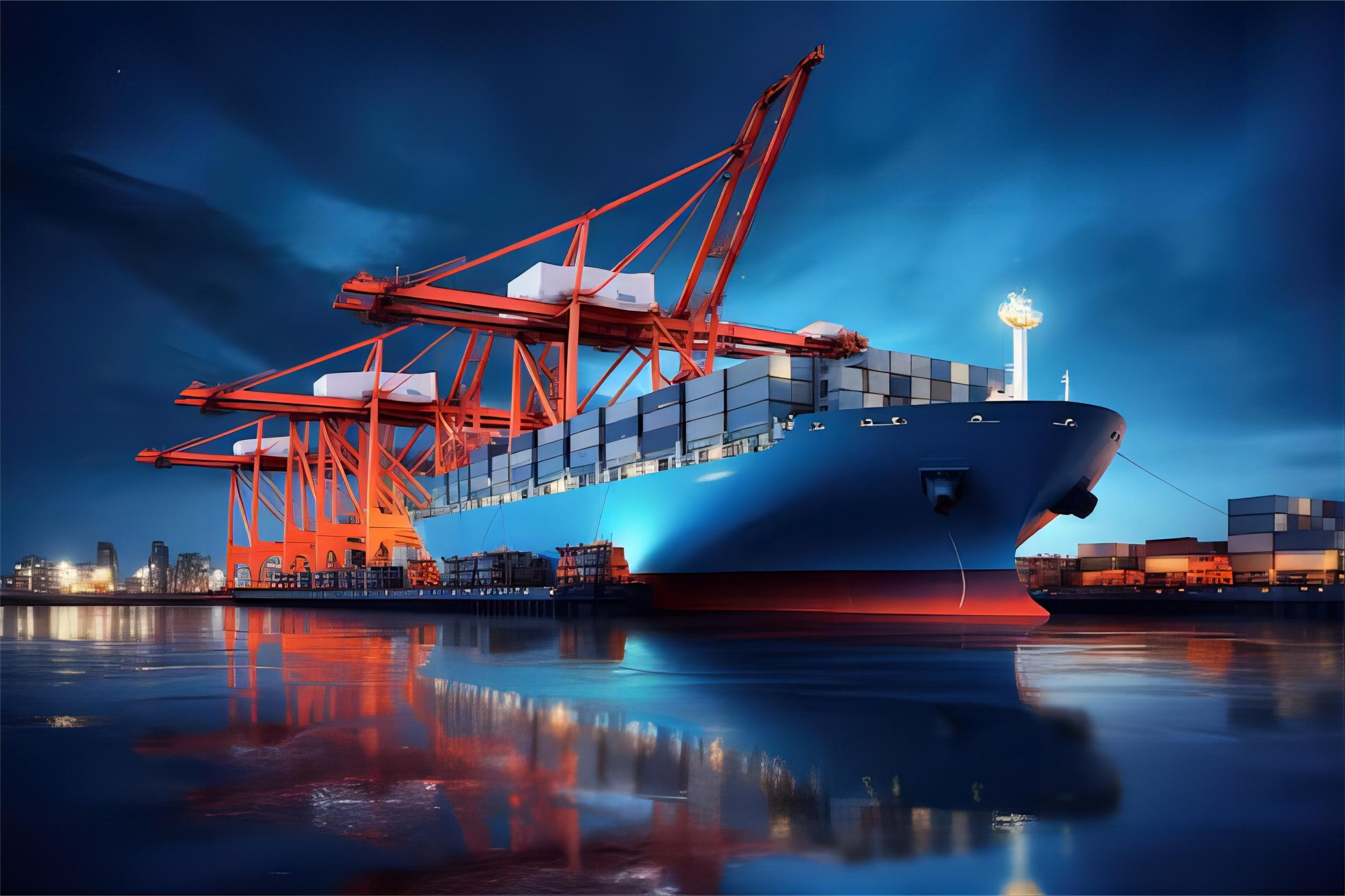
Shipping Rates Container China 20GP 40HC Global: 2026 Market Guide
Navigating the complexities of international trade requires a deep understanding of current shipping rates container china 20gp 40hc global to ensure profitability. As global markets evolve in 2026, businesses must adapt to shifting logistics trends and fluctuating fuel costs. By partnering with experts like Alibaba Freight, importers can secure competitive pricing and reliable transit times for their essential cargo.
Understanding Shipping Rates Container China 20GP 40HC Global Dynamics
Current market conditions in 2026 suggest that freight rates have reached a new equilibrium after several years of volatility. Consequently, understanding the specific costs associated with different container sizes is more critical than ever for supply chain managers. The 20GP and 40HC units remain the workhorses of the industry, yet their pricing structures vary significantly based on route demand and port congestion.
Specifically, the 20GP container is often the preferred choice for heavy, dense cargo such as machinery or minerals. On the other hand, the 40HC or High Cube container offers additional vertical space, making it ideal for lighter, voluminous goods like electronics or apparel. Choosing sea freight for these containers allows businesses to move large volumes of stock while maintaining a lower cost per unit compared to other methods.
Moreover, the global logistics landscape in 2026 is heavily influenced by green energy initiatives and carbon taxes. These factors have introduced new surcharges that shippers must account for when calculating their total landed costs. Therefore, staying informed about these regional and global shifts is essential for maintaining a competitive edge in the international marketplace.
| Container Type | Payload Capacity | Internal Volume | Best Cargo Type |
|---|---|---|---|
| 20GP (Standard) | 28,200 kg | 33.2 CBM | Heavy machinery, tiles |
| 40GP (Standard) | 26,700 kg | 67.7 CBM | General consumer goods |
| 40HC (High Cube) | 26,500 kg | 76.3 CBM | Furniture, electronics |
How Does Sea Freight Compare to Other Shipping Options?
While sea freight is the most common method for transporting 20GP and 40HC containers, it is not the only option available to modern importers. Indeed, the choice between sea, air, and rail depends heavily on the balance between budget constraints and delivery deadlines. For instance, while ocean transport is cost-effective, it often involves longer transit times that may not suit time-sensitive inventory.
Alternatively, air freight provides the fastest delivery schedule for urgent shipments, though at a significantly higher price point. This method is typically reserved for high-value items or emergency restocks where the cost of delay outweighs the premium freight charges. In contrast, rail freight has emerged as a viable middle ground for shipments moving from China to Europe, offering faster speeds than the sea at a fraction of the cost of air.
| Shipping Method | Cost Range (2026) | Transit Time | Usage and Limits |
|---|---|---|---|
| Sea Freight | $1,500 – $5,500 | 14 – 45 Days | Best for bulk; slow speed |
| Air Freight | $4.50 – $11.00/kg | 3 – 7 Days | High speed; very costly |
| Rail Freight | $2,200 – $4,800 | 15 – 22 Days | Mid-speed; land routes only |
| Express Service | $8.00 – $15.00/kg | 2 – 5 Days | Small parcels; door-to-door |
Which Option Should You Choose for Your Business?
Determining the right shipping strategy requires a clear assessment of your current priorities and cargo specifications. If your primary goal is budget optimization, sea freight remains the undisputed leader for full container loads. However, if you are managing a tight production schedule, the increased cost of rail or air might be a necessary investment to avoid stockouts.
Furthermore, cargo type considerations play a major role in this decision-making process. Perishable goods or high-tech components often require the speed and climate control of air transport. Conversely, durable goods like construction materials or raw commodities are perfectly suited for the longer transit times associated with global container shipping routes. Ultimately, a hybrid approach combining different methods can often yield the best results for complex supply chains.

Regional Breakdown: Shipping Rates Container China 20GP 40HC Global Routes
Shipping rates from China vary significantly depending on the destination port and the specific trade lane involved. For example, routes to North America have seen increased stability in 2026 due to improved port automation on the US West Coast. Meanwhile, shipments to Europe continue to face challenges related to Suez Canal transit fees and regional fuel surcharges.
Additionally, the route to Australia remains one of the most efficient lanes for Chinese exports. Because of the relatively shorter distance and established trade agreements, transit times are often under three weeks. Nevertheless, peak season demand in the third quarter can still lead to temporary price hikes and container shortages across all major global destinations.
| Destination | Avg 20GP Rate | Avg 40HC Rate | Avg Transit Time |
|---|---|---|---|
| USA West Coast | $1,950 | $3,400 | 16 Days |
| Northern Europe | $2,300 | $4,250 | 33 Days |
| Australia (East) | $980 | $1,850 | 14 Days |
| UK (Felixstowe) | $2,450 | $4,400 | 35 Days |
Factors Affecting Global Container Prices in 2026
Several macroeconomic factors continue to influence the shipping rates container china 20gp 40hc global market today. First, fuel costs remain a primary driver, with many carriers implementing Bunker Adjustment Factors (BAF) to offset price volatility. Consequently, even a minor increase in global oil prices can lead to a noticeable jump in your monthly freight invoice.
Second, port congestion and labor availability at major hubs like Shanghai or Ningbo can impact delivery schedules and pricing. When ports are backed up, carriers often impose congestion surcharges to cover the costs of idling vessels. Furthermore, the availability of empty containers in inland China can sometimes create a bottleneck, forcing rates upward during high-demand periods like the Golden Week or the lead-up to the Lunar New Year.
Essential Documentation and Customs Procedures
Successful global shipping depends not just on the physical transport of goods but also on the accuracy of your documentation. Missing or incorrect paperwork can lead to expensive delays at the port of entry and potential fines from customs authorities. Therefore, investing in professional customs brokerage services is a wise move for any serious importer.
Indeed, a standard set of documents is required for almost every international shipment. This includes the Bill of Lading, Commercial Invoice, Packing List, and Certificate of Origin. In addition, certain products may require specific permits or inspections, such as FDA approval for food items or FCC certification for electronics. Ensuring these documents are prepared well in advance of the vessel’s arrival will help you avoid unnecessary demurrage and detention charges.
Real-World Case Studies: Global Container Shipping in 2026
Case Study 1: High-Volume Electronics to the Netherlands Route: Shanghai, China to Rotterdam, Netherlands Cargo: Consumer Electronics, 74 CBM, 12,000 kg Container: 40HC Shipping Details: – Carrier: Major Ocean Carrier – Port of Loading: Shanghai – Port of Discharge: Rotterdam – Route Type: Direct Cost Breakdown: – Ocean Freight: $4,150 – Origin Charges: $320 – Destination Charges: $450 – Customs & Duties: $1,200 – Total Landed Cost: $6,120 Timeline: – Booking to Loading: 4 days – Sea Transit: 32 days – Customs Clearance: 2 days – Total Door-to-Door: 38 days Key Insight: Early booking allowed the shipper to lock in a lower rate before the Q3 peak season increase.
Case Study 2: Industrial Components to the United States Route: Shenzhen, China to Los Angeles, USA Cargo: Steel Fasteners, 28 CBM, 24,000 kg Container: 20GP Shipping Details: – Carrier: Trans-Pacific Specialist – Port of Loading: Shenzhen – Port of Discharge: Los Angeles – Route Type: Direct Cost Breakdown: – Ocean Freight: $2,100 – Origin Charges: $280 – Destination Charges: $400 – Customs & Duties: $850 – Total Landed Cost: $3,630 Timeline: – Booking to Loading: 3 days – Sea Transit: 15 days – Customs Clearance: 3 days – Total Door-to-Door: 21 days Key Insight: Using a 20GP for heavy cargo maximized the weight limit without paying for the unused volume of a larger container.
Case Study 3: Retail Furniture to Australia Route: Ningbo, China to Sydney, Australia Cargo: Flat-pack Furniture, 71 CBM, 8,500 kg Container: 40HC Shipping Details: – Carrier: Regional Specialist – Port of Loading: Ningbo – Port of Discharge: Sydney – Route Type: Direct Cost Breakdown: – Ocean Freight: $1,850 – Origin Charges: $250 – Destination Charges: $380 – Customs & Duties: $500 – Total Landed Cost: $2,980 Timeline: – Booking to Loading: 5 days – Sea Transit: 14 days – Customs Clearance: 1 day – Total Door-to-Door: 20 days Key Insight: Utilizing a direct route saved five days compared to transshipment via Singapore, ensuring the stock arrived in time for a major sale.
Strategies to Reduce Your Total Landed Cost
Reducing your overall logistics spend requires a proactive approach to cargo management and carrier selection. One effective strategy is to consolidate smaller shipments into a single full container load (FCL) to benefit from lower per-unit rates. Additionally, optimizing your packaging can help you fit more items into a 40HC container, effectively reducing the shipping cost per item.
Another powerful tool is the use of door to door services, which streamline the entire process from the factory floor to your warehouse. By centralizing your logistics through a single provider, you can often negotiate better rates and reduce the risk of communication errors. Furthermore, regularly auditing your freight invoices for incorrect surcharges or duplicate fees can uncover significant annual savings for your business.
Mastering Global Logistics in 2026
To summarize, navigating the world of shipping rates container china 20gp 40hc global requires a combination of market intelligence and strategic planning. By understanding the differences between container types and staying updated on regional trends, you can make informed decisions that protect your bottom line. Whether you choose sea, air, or rail, the key is to remain flexible and responsive to the ever-changing global trade environment.
Ultimately, successful importing is about more than just finding the lowest price; it is about building a resilient supply chain that can withstand market fluctuations. Partnering with experienced freight forwarders and utilizing modern logistics tools will ensure that your cargo moves efficiently across the globe. As we look toward the future of 2026 and beyond, staying informed about shipping rates container china 20gp 40hc global remains a top priority for every international business.
Need a tailored shipping solution?
Optimizing your supply chain starts with accurate data and reliable partners. If you are looking for the most competitive shipping rates container china 20gp 40hc global, our team is ready to provide a tailored quote for your next shipment. Contact us today to learn how we can simplify your international logistics and help your business thrive in 2026.