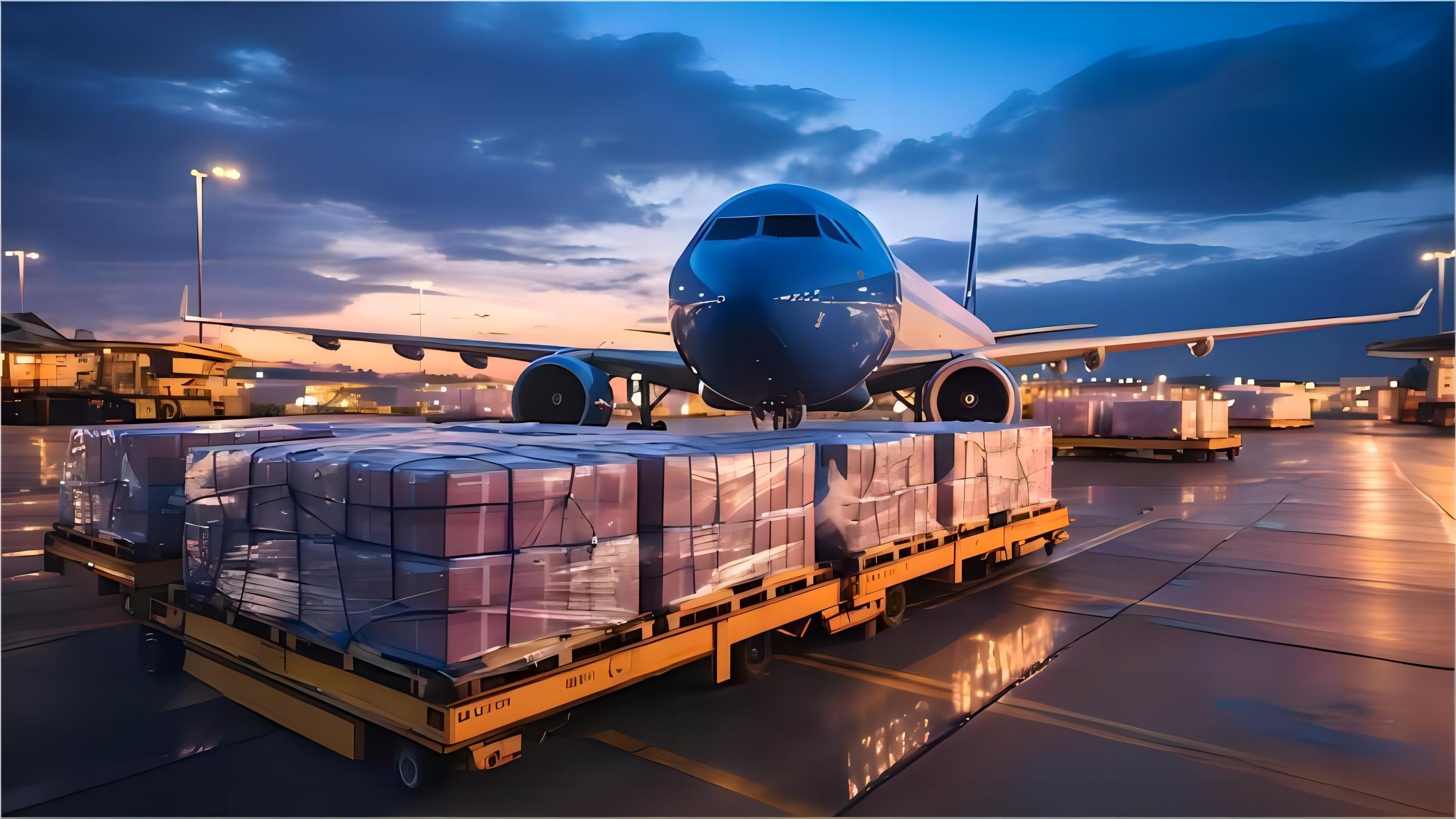

China to Canada Shipping Container Service: 2026 Logistics Guide
Choosing a reliable china to canada shipping container service is the cornerstone of a successful international trade strategy in 2026. Businesses must navigate complex maritime routes, fluctuating fuel surcharges, and evolving customs regulations to ensure their goods arrive safely. Consequently, understanding the nuances of trans-Pacific logistics is essential for maintaining competitive pricing and meeting customer demands in the North American market.

What are the primary options for a China to Canada shipping container service?
Importers typically choose between Full Container Load (FCL) and Less than Container Load (LCL) when booking their shipments. FCL involves renting an entire 20ft or 40ft container for a single consignee, which offers maximum security and faster handling. In contrast, LCL allows multiple shippers to share space within one container, making it a cost-effective choice for smaller volumes.
Selecting the right sea freight method depends heavily on your total cargo volume and budget constraints. Specifically, if your shipment exceeds 15 cubic meters, FCL usually becomes the more economical choice. Meanwhile, LCL remains the preferred strategy for startups or businesses testing new product lines with lower inventory levels.
Moreover, the choice between these methods impacts your overall transit time and handling risk. FCL shipments are generally sealed at the point of origin and remain untouched until they reach the final destination. On the other hand, LCL cargo requires consolidation at a warehouse in China and deconsolidation upon arrival in Canada, which adds a few days to the timeline.
How much does a China to Canada shipping container service cost in 2026?
Shipping costs in 2026 have stabilized following the logistical disruptions of previous years, though they remain sensitive to seasonal demand. For instance, base ocean freight rates are influenced by the choice of port and the specific carrier used for the journey. Additionally, importers must account for local charges, terminal handling fees, and documentation costs that arise at both ends of the route.
Furthermore, fuel surcharges continue to fluctuate based on global energy market trends and environmental regulations. Consequently, it is vital to request a comprehensive quote that includes all potential surcharges to avoid unexpected expenses. Most freight forwarders now offer transparent pricing models that detail every line item from the factory gate to the Canadian warehouse.
Notably, shipping to the West Coast of Canada is significantly cheaper than shipping to the East Coast. This price difference reflects the shorter distance across the Pacific and the lower fuel consumption required for the voyage. Therefore, many businesses choose to land their goods in Vancouver and utilize rail or truck transport for inland delivery.
| Route Type | 20GP Container | 40HQ Container | LCL (per CBM) |
|---|---|---|---|
| China to Vancouver | $1,650 – $2,250 | $2,600 – $3,550 | $65 – $95 |
| China to Toronto | $2,750 – $3,700 | $4,200 – $5,800 | $110 – $150 |
| China to Montreal | $2,850 – $3,900 | $4,400 – $6,100 | $120 – $165 |
Transit times for China to Canada shipping container service routes
Transit times vary significantly depending on the destination port and the specific service string chosen by the carrier. Generally, a direct vessel from Shanghai to Vancouver takes approximately 14 to 18 days under normal weather conditions. However, shipments destined for Eastern Canada must either traverse the Panama Canal or use a multimodal rail link from the West Coast.
Indeed, using the ‘mini-landbridge’ via Vancouver to reach Toronto or Montreal can save several days compared to the all-water route through the canal. This hybrid approach typically results in a total door-to-door time of 25 to 35 days for most shipments. Furthermore, port congestion and seasonal weather patterns can occasionally extend these timelines by a week or more.
Accordingly, savvy importers build a buffer into their supply chain schedules to account for potential delays. Without a doubt, maintaining clear communication with your freight forwarder is the best way to track your cargo’s progress in real-time. Modern tracking technology now allows businesses to monitor their containers’ exact location throughout the trans-Pacific crossing.
| Origin Port | Destination Port | Transit (Days) | Service Type |
|---|---|---|---|
| Ningbo | Vancouver | 16 – 19 | Direct |
| Shanghai | Prince Rupert | 13 – 16 | Direct |
| Shenzhen | Toronto | 32 – 38 | Transshipment |
| Qingdao | Montreal | 35 – 42 | All-Water |
How does sea freight compare to other shipping options?
While a China to Canada shipping container service is the most common method, it is not the only option available for modern enterprises. For example, air freight offers unparalleled speed for high-value or time-sensitive commodities like electronics and fashion. Nevertheless, the cost of air transport is often five to ten times higher than ocean freight for the same volume of goods.
In contrast, sea freight provides the capacity to move massive volumes of heavy industrial equipment or bulk consumer goods at a fraction of the cost. Consequently, the decision between sea and air usually hinges on the urgency of the shipment and the profit margins of the product. Many companies now adopt a diversified logistics strategy that uses both modes to balance cost and speed.
Additionally, rail freight remains a niche but growing alternative for certain inland routes, though it is not a direct option for the trans-Pacific leg. Specifically, cargo must first reach a North American port before being transferred to the extensive Canadian rail network. This multimodal system is essential for reaching major economic hubs like Calgary, Winnipeg, and Toronto efficiently.
| Method | Cost Range | Transit Time | Best For |
|---|---|---|---|
| Sea (FCL) | $3,000 – $6,000 | 15 – 40 Days | Bulk / Heavy Goods |
| Sea (LCL) | $100 – $200/CBM | 20 – 45 Days | Small Shipments |
| Air Freight | $4.50 – $9.00/kg | 3 – 7 Days | Urgent / High Value |
| Express | $8.00 – $15.00/kg | 2 – 5 Days | Samples / Documents |
Which shipping strategy should you choose for your business?
Deciding on the best logistics approach requires a careful analysis of your specific business needs and cargo characteristics. If your priority is minimizing expenses, a standard door to door sea freight service is likely the most suitable choice. This comprehensive solution handles everything from the factory pickup in China to the final delivery at your Canadian warehouse.
On the other hand, if you are managing a just-in-time inventory system, the speed of air freight might justify the additional investment. Furthermore, cargo type plays a significant role in the selection process, as hazardous materials or oversized items may require specialized container types. Specifically, flat racks or open-top containers are often necessary for industrial machinery that cannot fit in a standard 40HQ.
Moreover, volume thresholds often dictate when it is time to switch from LCL to FCL shipping. As a general rule, once your shipment reaches 12 to 15 cubic meters, the cost of an entire 20ft container is often lower than the combined CBM rates of LCL. Therefore, optimizing your order sizes can lead to significant long-term savings in your shipping budget.
Navigating customs brokerage and documentation in Canada
Successful importation into Canada depends heavily on accurate documentation and compliance with the Canada Border Services Agency (CBSA) regulations. Utilizing a professional customs brokerage service can prevent costly delays and ensure that all duties and taxes are paid correctly. Specifically, the Commercial Accounting Declaration (CAD) has replaced the traditional B3 form under the new CARM system.
Additionally, importers must provide a detailed commercial invoice, a packing list, and a bill of lading for every shipment. Notably, certain products may require additional permits from agencies like the Canadian Food Inspection Agency (CFIA) or Health Canada. Consequently, verifying these requirements before the ship leaves China is a critical step in the logistics process.
Indeed, errors in documentation are the leading cause of port storage fees and customs audits. As a result, many businesses prefer to work with forwarders who offer integrated brokerage services to streamline the clearance process. This integration ensures that all paperwork is prepared and submitted well before the vessel arrives at the Canadian port.
Real-world case studies for China to Canada logistics
Reviewing actual shipping scenarios can provide valuable insights into the costs and timelines associated with modern trade. These examples reflect the current market conditions in early 2026 and highlight the importance of choosing the right route. Specifically, these cases demonstrate how different cargo types and destinations influence the final landed cost for Canadian businesses.
Case Study 1: Electronics from Ningbo to Vancouver. Cargo: 2,500 units of consumer electronics, 68 CBM, 12,000 kg. Container: 40HQ. Shipping Details: Direct via Maersk from Ningbo to Vancouver. Cost Breakdown: Ocean Freight $3,150, Origin Charges $450, Destination Charges $600, Customs & Duties $2,400. Total Landed Cost: $6,600. Timeline: 18 days sea transit, 22 days door-to-door. Key Insight: Direct routing to the West Coast minimized transit time and avoided transshipment risks.
Case Study 2: Furniture from Shenzhen to Toronto. Cargo: Custom home office furniture, 8 CBM, 1,500 kg. Container: LCL. Shipping Details: Transshipment via Vancouver, then rail to Toronto. Cost Breakdown: Ocean Freight $880, Rail Surcharge $350, Destination Handling $250, Customs $400. Total Landed Cost: $1,880. Timeline: 34 days door-to-door. Key Insight: LCL was significantly cheaper than FCL for this volume, despite the longer transit time to Ontario.
Case Study 3: Industrial Parts from Qingdao to Montreal. Cargo: Steel components, 24,000 kg. Container: 20GP. Shipping Details: All-water route via Panama Canal. Cost Breakdown: Ocean Freight $3,600, Canal Surcharge $400, Port Fees $550, Duties $1,200. Total Landed Cost: $5,750. Timeline: 42 days. Key Insight: The all-water route was chosen to avoid heavy-weight rail surcharges from the West Coast.
Managing seasonal fluctuations and peak season surcharges
The shipping industry experiences significant seasonal peaks, most notably during the lead-up to the Golden Week holiday in China and the Christmas shopping season. During these periods, demand for a China to Canada shipping container service spikes, leading to space shortages and higher freight rates. Generally, rates can increase by 20% to 30% between August and October each year.
Furthermore, the Chinese New Year period often causes a complete halt in manufacturing for several weeks, creating a rush for shipments in January. Consequently, businesses that plan their inventory cycles around these dates can avoid the highest costs and ensure product availability. For instance, booking your space at least four to six weeks in advance during peak seasons is highly recommended.
In addition to seasonal demand, unexpected events like port strikes or extreme weather can disrupt the delivery schedule. Therefore, maintaining a flexible supply chain and having a secondary logistics plan is a wise strategy for any large-scale importer. Many companies now use Amazon FBA services to manage their local distribution and mitigate the impact of international shipping delays.
Final Thoughts on Shipping from China to Canada
To summarize, navigating the China to Canada shipping container service landscape in 2026 requires a balance of cost management, route optimization, and regulatory compliance. By understanding the differences between FCL and LCL and selecting the right ports, businesses can significantly reduce their logistics overhead. Furthermore, partnering with an experienced freight forwarder ensures that your cargo remains secure and arrives on schedule.
As market conditions continue to evolve, staying informed about transit times and customs requirements will remain a competitive advantage. Whether you are a small business using LCL or a large corporation managing hundreds of FCL containers, the right logistics strategy is the key to your success in the Canadian market. Always prioritize reliability and transparency when selecting your shipping partners to ensure long-term growth.
Start Your Shipment
Maximize your supply chain efficiency with our professional China to Canada shipping container service. Contact our team today for a customized quote and expert guidance on your next shipment. Visit our inquiry page to get started: See https://alibabafreight.com/contact/
Request Quote