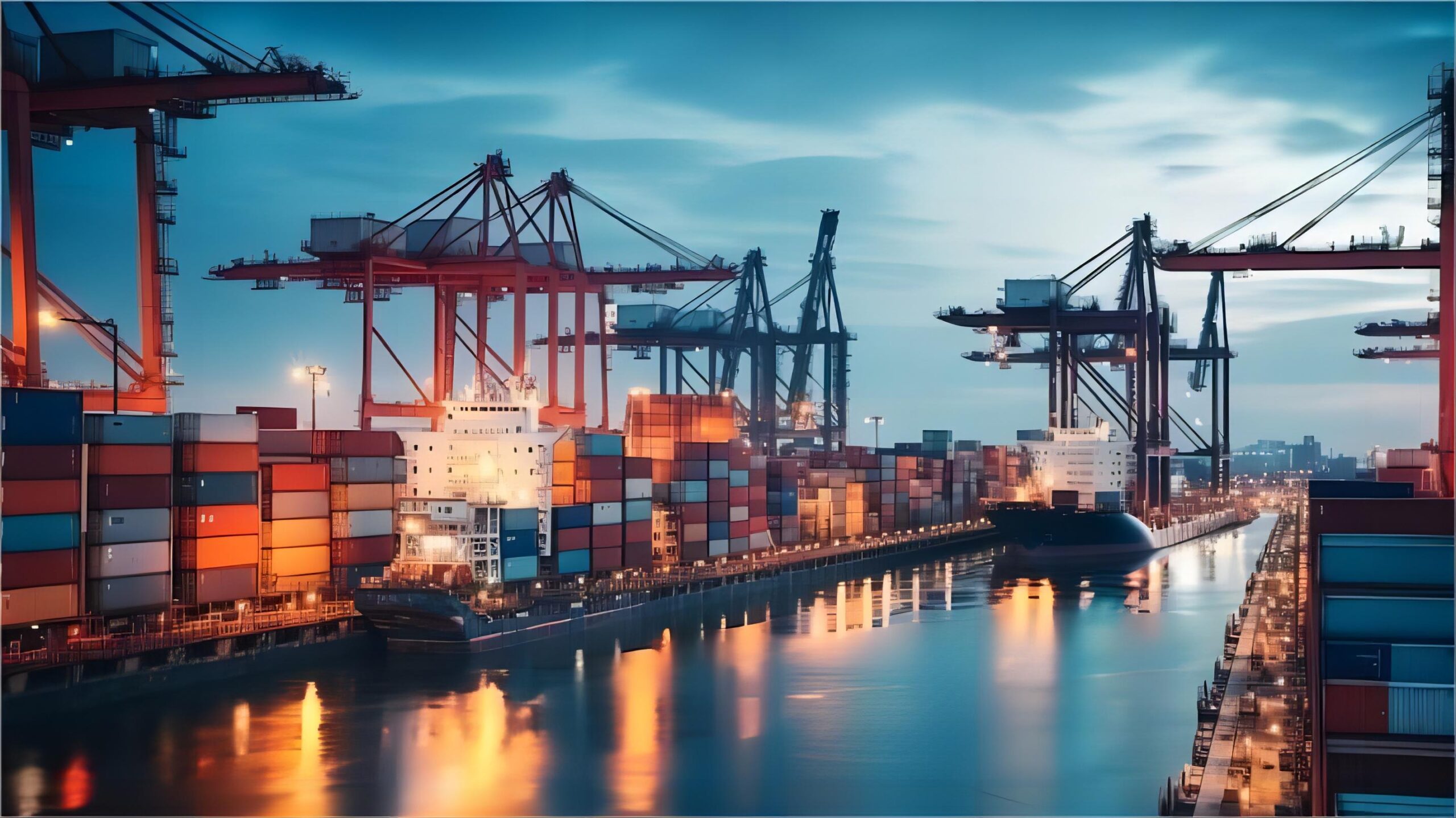

Shipping China to Qatar DDP Logistics: Complete 2026 Guide
Navigating the complexities of international trade requires a reliable partner to manage strict regulations and tight delivery schedules. At DSV-Freight, we simplify the process of shipping China to Qatar DDP logistics for businesses seeking seamless supply chain solutions. This comprehensive guide explores how Delivered Duty Paid services can streamline your operations and eliminate hidden costs in the 2026 market.
What is DDP Logistics for China to Qatar?
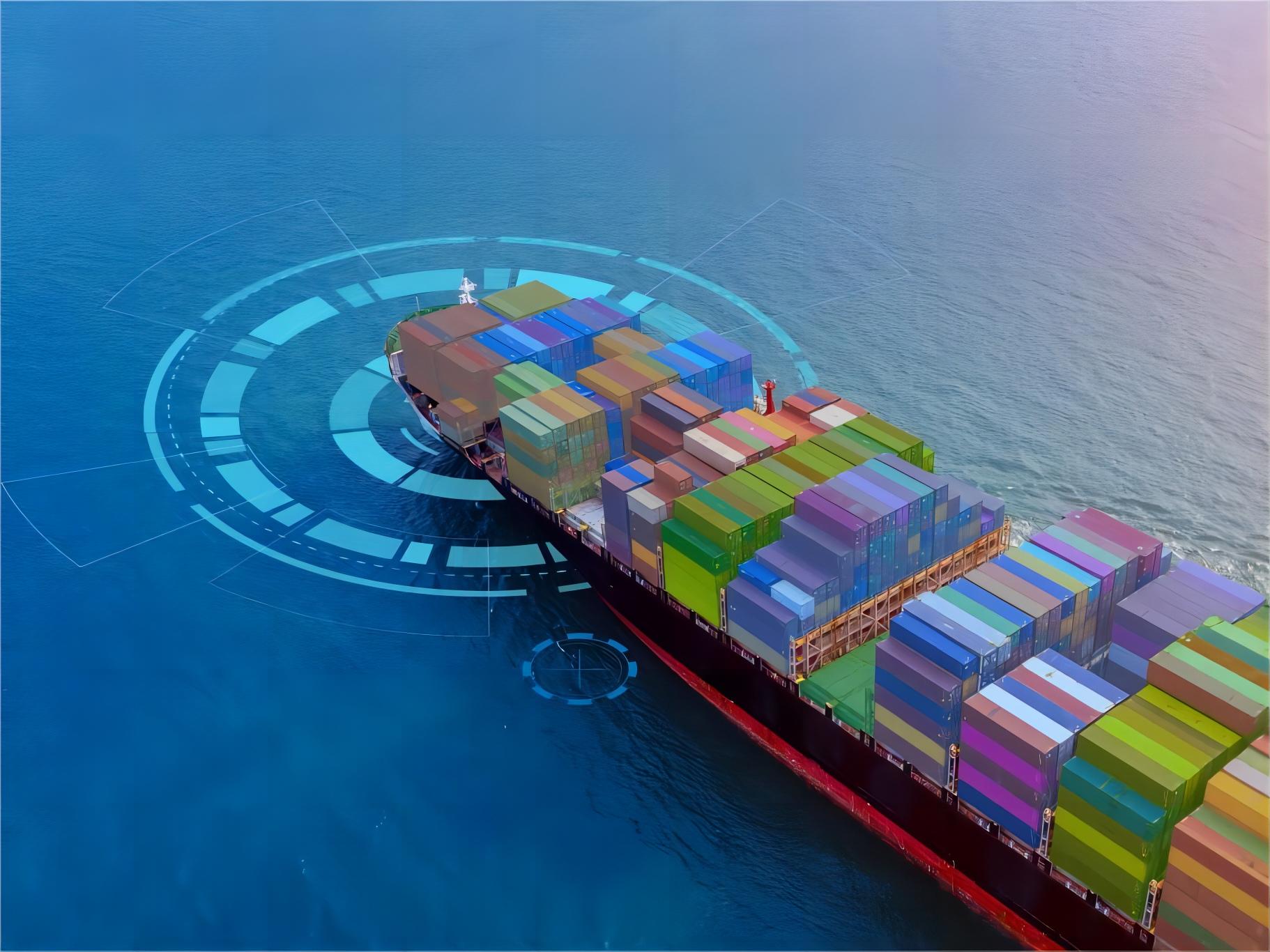
Delivered Duty Paid (DDP) is an incoterm where the seller assumes all responsibility, risks, and costs associated with transporting goods. Consequently, the seller handles everything from the factory in China to the buyer’s doorstep in Qatar, including all taxes and import duties.
Choosing this method ensures that the buyer does not face unexpected charges upon arrival at Hamad Port or Doha International Airport. Moreover, it simplifies the accounting process because the initial quote includes all terminal handling and clearance fees.
Many businesses prefer this arrangement because it minimizes the administrative burden on the Qatari importer. Therefore, you can focus on sales and distribution while your logistics provider manages the complex international transit requirements.
Understanding these terms is vital for maintaining a healthy bottom line in the competitive Middle Eastern market. Indeed, DDP provides a level of cost certainty that other incoterms like FOB or CIF simply cannot match.
Key Benefits of Choosing Shipping China to Qatar DDP Logistics
Reliability stands as the primary reason why companies opt for DDP services when importing from Chinese manufacturing hubs. Additionally, the comprehensive nature of the service reduces the risk of goods being held up at customs due to unpaid fees.
Cost transparency allows for better financial planning and helps avoid the fluctuation of local port charges in Qatar. Furthermore, the streamlined communication with a single logistics provider eliminates the need to coordinate between multiple agents.
Efficiency in the supply chain is significantly improved when the freight forwarder handles the entire journey. As a result, transit times become more predictable, allowing for more accurate inventory management and customer service.
Small and medium enterprises especially benefit from this hands-off approach to international shipping. By removing the need for a dedicated in-house logistics team, companies can scale their import volumes without increasing overhead costs.
How Does DDP Compare to Other Shipping Options?
Comparing different shipping methods is essential to find the most cost-effective solution for your specific cargo. While DDP offers the most convenience, it is helpful to understand how it stacks up against standard freight options.
Standard sea or air freight often requires the buyer to manage local customs and last-mile delivery. In contrast, DDP integrates these steps into a single, unified package that covers the entire distance from China to Qatar.
Below is an objective analysis of the most common shipping methods used for this route in 2026. This data helps you decide whether the premium for DDP services aligns with your operational priorities.
| Shipping Method | Cost Range | Transit Time | Best For |
|---|---|---|---|
| DDP Sea Freight | $1,200 – $3,500 | 25-35 Days | Bulk goods and cost saving |
| DDP Air Freight | $5.50 – $9.00/kg | 5-8 Days | High-value or urgent items |
| Standard CIF | $800 – $2,200 | 22-30 Days | Experienced importers |
| Express DDP | $9.00 – $14.00/kg | 3-5 Days | Samples and small parcels |
Evaluating Air Freight and Sea Freight Solutions
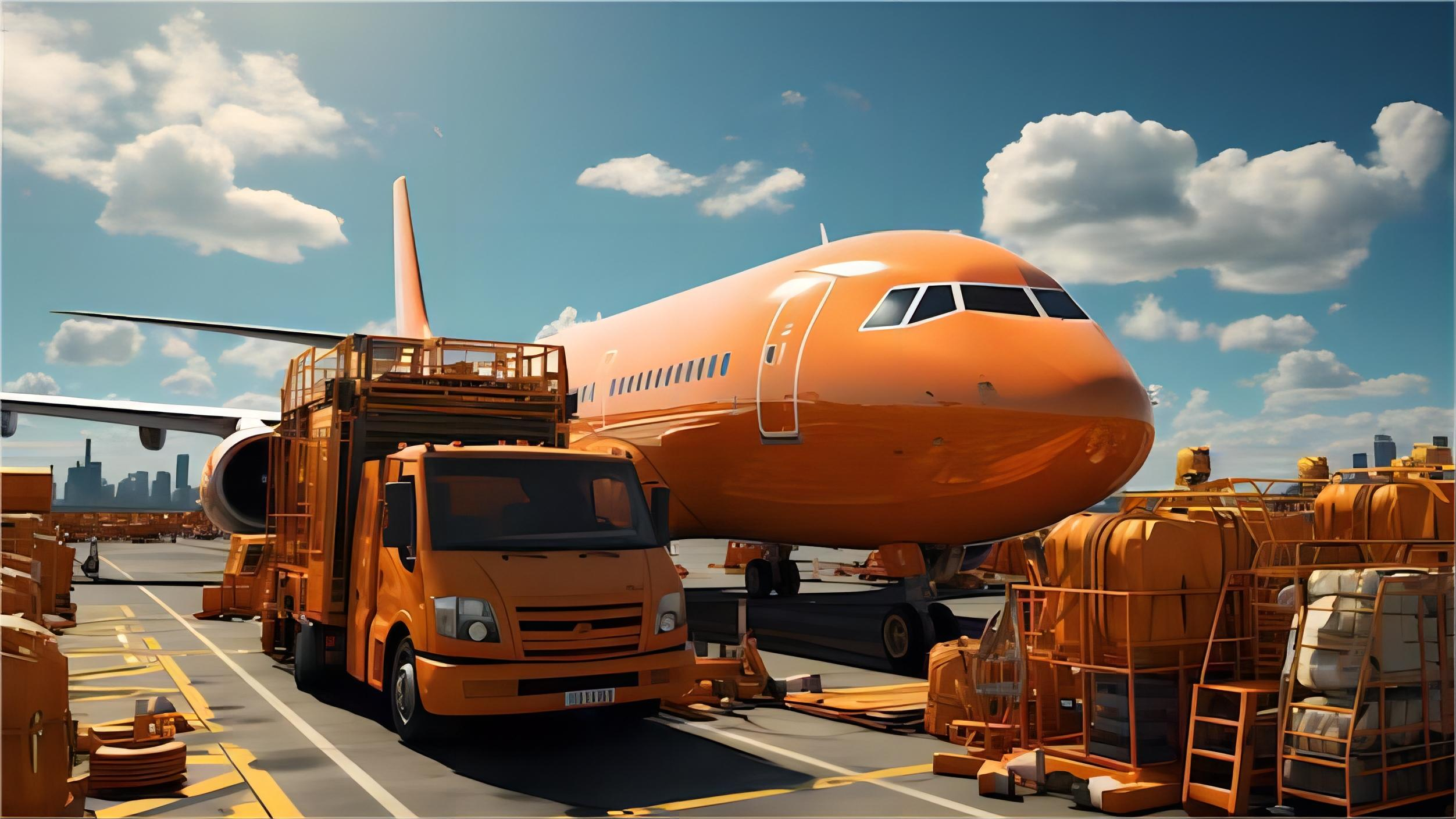
Selecting the right transport mode depends heavily on your budget and how quickly you need the goods to arrive. For large shipments of furniture or industrial machinery, sea freight remains the most economical choice.
Ocean transport to Hamad Port typically utilizes 20GP or 40HQ containers depending on the volume of your cargo. Meanwhile, air freight provides a much faster alternative for electronics and seasonal fashion items.
Transit times for air cargo from Shanghai or Shenzhen to Doha have remained stable throughout early 2026. However, sea routes can occasionally face delays due to congestion at major transshipment hubs like Singapore or Jebel Ali.
Businesses must weigh the higher cost of air transport against the inventory holding costs associated with longer sea voyages. Consequently, a hybrid approach often works best for maintaining a consistent flow of products to the Qatari market.
Navigating Qatar Customs and Documentation
Customs clearance in Qatar requires meticulous attention to detail and a thorough understanding of local import laws. Utilizing a professional customs brokerage service is often the best way to ensure compliance.
Essential documents include the commercial invoice, packing list, certificate of origin, and the bill of lading. Additionally, certain products like electronics or food items may require specific certifications from Qatari regulatory bodies.
Errors in documentation can lead to significant delays and expensive demurrage charges at the port of entry. Therefore, your DDP provider double-checks all paperwork before the shipment even leaves the Chinese port of loading.
Qatar’s customs authorities have increasingly digitized their processes in 2026, making the clearance phase faster than in previous years. Nevertheless, having an expert on the ground to manage physical inspections remains a critical advantage.
Which Shipping Option Should You Choose?
Decision making for logistics should be based on a clear set of criteria including budget, speed, and cargo type. If your primary goal is to minimize expenditure, sea freight LCL or FCL is the most logical path.
Speed priority dictates the use of air freight, especially for time-sensitive product launches or replenishing low stock. On the other hand, if you lack experience with Qatari import regulations, the DDP model is almost always the safest choice.
Volume thresholds also play a role in determining the most efficient method for your business. For instance, shipments exceeding 15 CBM are usually more cost-effective when sent via a full 20-foot container rather than LCL.
Ultimately, the best strategy involves analyzing your annual shipping volume and identifying patterns that allow for bulk bookings. This proactive approach helps secure lower freight rates and more reliable vessel space during peak seasons.
Real-World Case Studies for 2026 Shipments
Case Study 1: Electronics Distribution. Route: Shenzhen to Doha. Cargo: Consumer electronics, 4 CBM, 850 kg. Method: DDP Air Freight. Ocean Freight: N/A. Origin Charges: $150. Destination Charges: $200. Customs and Duties: $450. Total Landed Cost: $6,200. Timeline: 7 days door-to-door. Key Insight: Choosing DDP allowed the client to meet a strict product launch deadline without worrying about customs delays.
Case Study 2: Home Furniture Import. Route: Ningbo to Hamad Port. Cargo: Modern furniture, 40HQ Container. Method: DDP Sea Freight. Ocean Freight: $3,200. Origin Charges: $350. Destination Charges: $450. Customs and Duties: $1,200. Total Landed Cost: $5,200. Timeline: 32 days door-to-door. Key Insight: High-volume shipments benefit significantly from the fixed-cost structure of DDP sea freight during the Q3 peak season.
Note: Freight rates are subject to change based on fuel costs, carrier capacity, and seasonal demand. Contact us for a current quote tailored to your specific shipment.
Cost-Saving Strategies and Express Options
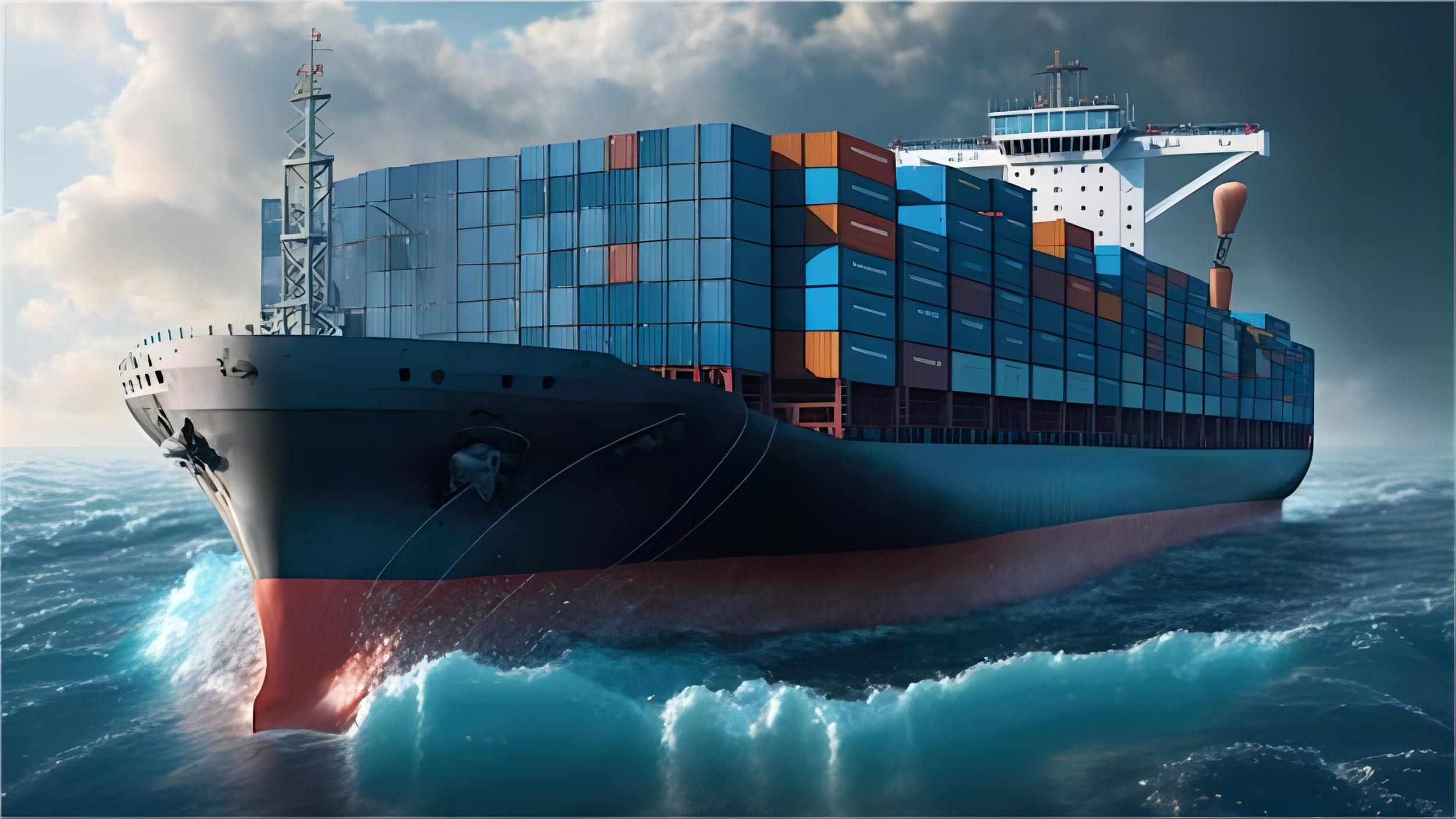
Reducing your logistics spend requires a combination of smart planning and choosing the right service level. For smaller parcels that need urgent delivery, our express service offers a perfect balance of speed and reliability.
Consolidating multiple smaller orders into a single LCL shipment can significantly lower your per-unit shipping cost. Moreover, scheduling your shipments during off-peak periods can help you avoid the surcharges common during the Chinese New Year or Golden Week.
Negotiating long-term contracts with your freight forwarder is another effective way to stabilize your supply chain costs. Consequently, you gain access to priority space and more competitive rates even when market capacity is tight.
Investing in high-quality packaging can also prevent costly damage and insurance claims during the long transit from China. Indeed, a well-protected shipment is less likely to face delays or additional handling fees at the destination.
Transit Time Factors and Logistics Trends
Several factors influence how long it takes for your goods to travel from a Chinese factory to a Qatari warehouse. Weather conditions, port congestion, and the efficiency of transshipment ports all play a role in the final delivery date.
Logistics trends in 2026 show an increased focus on real-time tracking and transparency throughout the shipping process. As a result, modern freight forwarders provide digital platforms where you can monitor your cargo’s progress at every stage.
Sustainability is also becoming a key consideration, with more carriers adopting eco-friendly fuels and optimized routing. Furthermore, the expansion of Hamad Port has increased Qatar’s capacity to handle the world’s largest container vessels efficiently.
Staying informed about these trends helps you adapt your supply chain strategy to changing market conditions. Specifically, understanding seasonal fluctuations allows you to buffer your inventory levels before major holidays or promotional events.
Comprehensive Door to Door Shipping Services
The ultimate goal of a DDP logistics plan is to provide a seamless door to door experience for the importer. This service covers everything from the initial pickup at the factory to the final unloading at your facility in Doha.
Professional logistics providers manage every touchpoint, including inland trucking in China, export clearance, and international transit. Additionally, they handle the final mile delivery in Qatar, ensuring the goods arrive in perfect condition.
Choosing a full-service provider reduces the complexity of managing multiple vendors and disparate invoices. Therefore, you receive a single, transparent bill that covers the entire journey of your valuable cargo.
High-quality door-to-door services are the backbone of successful international trade between China and Qatar. By entrusting your logistics to experts, you ensure that your business remains competitive and responsive to market demands.
Final Thoughts on Qatar Logistics
Successfully shipping China to Qatar DDP logistics requires a blend of strategic planning, reliable partnerships, and a deep understanding of market trends. By choosing a Delivered Duty Paid model, you eliminate the uncertainty of hidden fees and complex customs procedures.
Whether you opt for the speed of air freight or the economy of sea transport, the key is to work with a provider that offers full transparency and local expertise. We hope this 2026 guide has provided the insights needed to optimize your Qatari import operations and drive business growth.
Start Your Shipment
Ready to streamline your supply chain and reduce costs? Contact our team today for a customized quote on shipping China to Qatar DDP logistics and experience hassle-free international trade. Visit our inquiry page to get started.
Request Quote