
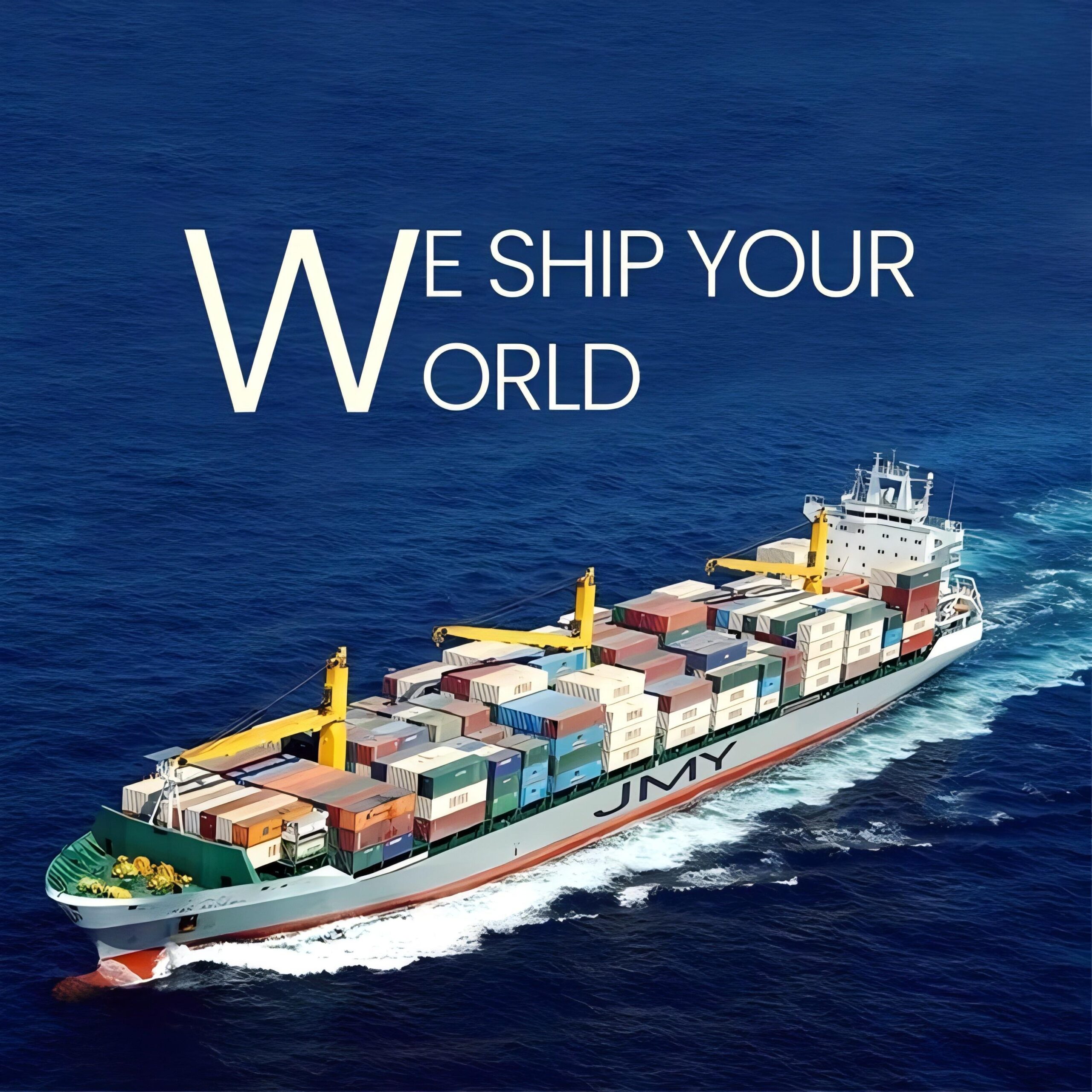
China to France Sea Freight Rates: 2026 Shipping Cost Guide
“Navigating china to france sea freight rates is a critical task for businesses managing international trade in 2026. Global logistics markets have evolved significantly, requiring importers to stay updated on the latest pricing trends and container availability. Consequently, understanding the nuances of ocean transport ensures that your goods arrive safely and cost-effectively at French destinations like Le Havre or Marseille.”

What are the current china to france sea freight rates in 2026?
❖Current market data indicates that freight pricing has stabilized compared to previous years of disruption. Specifically, for a 20-foot container (20GP), rates typically range between $1,900 and $2,600 depending on the departure port. Meanwhile, 40-foot high cube containers (40HQ) generally cost between $3,200 and $4,500 for the same route.

Seasonal fluctuations still play a major role in determining final costs for European importers. For instance, rates often spike by 15-25% during the peak season from August to October as retailers prepare for the winter holidays. Furthermore, fuel surcharges and port handling fees contribute to the total landed cost of your shipment.
Note: Freight rates are subject to change based on fuel costs, carrier capacity, and seasonal demand. Contact us for a current quote tailored to your specific shipment.
How does sea freight compare to other shipping options?
❖Choosing the right transport mode requires a careful balance between budget constraints and delivery deadlines. While sea freight offers the lowest cost per unit, it also involves the longest transit times. In contrast, air freight provides rapid delivery but at a significantly higher price point.
Rail freight has emerged as a middle-ground solution for those shipping from China to Europe. It offers faster transit than the sea route while remaining more affordable than air transport. However, sea freight remains the dominant choice for bulk commodities and large-scale manufacturing components due to its massive capacity.
| Shipping Method | Cost Range | Transit Time | Best For |
|---|---|---|---|
| Sea Freight (FCL) | $3,200 – $4,500 | 30 – 40 Days | Large volumes |
| Air Freight | $5.50 – $9.00/kg | 5 – 8 Days | Urgent cargo |
| Rail Freight | $2,500 – $3,800 | 18 – 22 Days | Mid-sized loads |
| LCL Sea Freight | $60 – $110/CBM | 35 – 45 Days | Small shipments |
Which factors influence the cost of shipping to France?
❖Several variables determine the final invoice for your ocean cargo from Chinese ports. Distance between the port of loading and the port of discharge is the most obvious factor. For example, shipping from Shenzhen to Marseille might differ in price from Shanghai to Le Havre due to carrier routes.
Container type also dictates the pricing structure for your logistics operations. FCL (Full Container Load) is priced per unit, whereas LCL (Less than Container Load) is billed based on volume in cubic meters. Additionally, the nature of your goods, such as hazardous materials or oversized items, will incur extra handling surcharges.
Port congestion and labor availability can lead to unexpected delays and storage fees. Consequently, working with an experienced Europe logistics specialist helps mitigate these risks through better planning and route optimization.
Major ports for shipping from China to France
❖China boasts several of the world’s busiest ports, providing numerous options for French importers. Shanghai, Ningbo-Zhoushan, and Shenzhen are the primary hubs for European-bound vessels. Each port offers different schedules and carrier alliances, which can impact your transit time and overall cost.
France utilizes two main maritime gateways for international trade. Le Havre, located in the north, serves as the primary entry point for goods destined for Paris and northern Europe. Conversely, Marseille-Fos in the south is the preferred choice for Mediterranean trade routes and distribution to southern France.
Selecting the right port combination can reduce inland haulage costs significantly. For instance, if your warehouse is in Lyon, shipping via Marseille might be more efficient than using a northern port. Therefore, analyzing the entire supply chain route is essential for cost management.
Understanding customs and duties for French imports
❖Importing goods into France requires strict adherence to European Union customs regulations. You must provide a commercial invoice, a packing list, and a Bill of Lading for every shipment. Furthermore, obtaining an EORI number is mandatory for any business engaged in import or export activities within the EU.
Customs duties are calculated based on the HS Code of your products and their declared value. Value Added Tax (VAT) is also applicable and must be settled during the clearance process. Utilizing a professional customs brokerage service ensures that your documentation is accurate and compliant.
Failure to provide correct documentation can lead to costly delays at the port of entry. Indeed, many shipping delays are caused by paperwork errors rather than logistics issues. As a result, thorough preparation before the vessel arrives is vital for a smooth delivery process.
Alternative strategies for cost-effective shipping
❖Businesses often seek ways to reduce their logistics spend without sacrificing service quality. One effective strategy is consolidating multiple small orders into a single FCL shipment to avoid the higher per-unit costs of LCL. Additionally, booking your shipment at least 3-4 weeks in advance can help secure lower rates before capacity tightens.
Hybrid solutions like sea-air freight can offer a balance between speed and cost for specific scenarios. For example, shipping by sea to a hub in the Middle East and then by air to France can save time compared to a full sea voyage. Moreover, choosing door to door services can simplify the process by bundling all costs into a single rate.
Comparing direct routes versus transshipment options is another way to manage your budget. Direct routes are typically faster but more expensive, while transshipment via major hubs like Singapore might offer a 10-15% discount. However, you must weigh these savings against the increased risk of transit delays.
Which Option Should You Choose?
If budget is your absolute priority, sea freight LCL or FCL is the recommended choice for large volumes. For shipments under 15 CBM, LCL is usually more economical than paying for a full 20ft container. In contrast, if you are shipping high-value electronics or urgent fashion items, air freight is the only viable method.
Volume thresholds often determine when it makes sense to switch methods. Once your shipment exceeds 15-20 CBM, the cost of a 20GP container often becomes lower than the equivalent LCL volume. Consequently, monitoring your cargo volume closely allows for better decision-making regarding container types.
Real-world shipping scenarios and case studies
❖Case Study 1: Electronics Components from Shenzhen to Le Havre. Route: Shenzhen (Yantian) to Le Havre. Cargo: 40HQ Container, 65 CBM. Method: FCL Sea Freight. Ocean Freight: $3,850. Origin Charges: $450. Destination Charges: $600. Total Landed Cost: $4,900. Sea Transit: 34 days. Total Door-to-Door: 42 days. Key Insight: Early booking during the off-peak season saved the client 15% compared to spot rates.
Case Study 2: Furniture Import from Ningbo to Marseille. Route: Ningbo to Marseille. Cargo: LCL, 8 CBM. Method: LCL Sea Freight. Ocean Freight: $720 ($90/CBM). Origin Charges: $200. Destination Charges: $350. Total Landed Cost: $1,270. Sea Transit: 38 days. Total Door-to-Door: 48 days. Key Insight: Consolidating items from two different suppliers in Ningbo reduced origin handling fees by $150.
Case Study 3: Industrial Machinery from Shanghai to Lyon via Marseille. Route: Shanghai to Marseille. Cargo: 20GP Container. Method: FCL Sea Freight. Ocean Freight: $2,100. Origin Charges: $400. Destination Charges: $550. Total Landed Cost: $3,050. Sea Transit: 32 days. Total Door-to-Door: 39 days. Key Insight: Choosing Marseille instead of Le Havre saved $400 in domestic trucking costs to the Lyon warehouse.

Final thoughts on managing your shipping costs
Securing competitive china to france sea freight rates is achievable through proactive planning and market awareness. By understanding the differences between FCL and LCL, choosing the right ports, and managing customs documentation, you can significantly reduce your logistics expenses. Furthermore, staying informed about 2026 market trends allows you to adapt your strategy as global conditions change.
Reliable logistics providers offer the tools and expertise needed to navigate the complexities of international trade. Whether you are shipping small batches or full containers, the right approach will ensure your supply chain remains resilient and cost-effective throughout the year.
Ready to streamline your logistics?
Optimizing your china to france sea freight rates requires expert knowledge and a reliable logistics partner. Contact our team today to receive a customized quote and streamline your international shipping operations for 2026. Visit our inquiry page to get started: Send Inquiry See: https://alibabafreight.com/
Request Quote