
Amazon FBA Freight China Warehouse Prep Shipping Consolidation Guide 2026
Optimizing your supply chain is essential for maintaining a competitive edge in the rapidly evolving e-commerce landscape of 2026. By implementing a strategy for amazon fba freight china warehouse prep shipping consolidation, sellers can effectively manage inventory while minimizing international transport expenses. DSV-Freight provides the expertise needed to navigate these complex logistics challenges with ease and precision.
✦
Understanding Amazon FBA Freight China Warehouse Prep Shipping Consolidation
Managing international logistics involves several moving parts that must work in harmony to ensure business success. The concept of amazon fba freight china warehouse prep shipping consolidation refers to a centralized process where goods from multiple suppliers are gathered in a single facility. Consequently, this allows for professional inspection, labeling, and packaging before the items are shipped to Amazon fulfillment centers.
Furthermore, this approach addresses common pain points such as high individual shipping costs and inconsistent product quality. By consolidating smaller shipments into a larger container, you can leverage bulk shipping rates that were previously unavailable. Therefore, businesses can see a significant improvement in their profit margins and overall operational efficiency.
Additionally, the 2026 market demands faster turnaround times and higher compliance standards from Amazon sellers. Utilizing a specialized Amazon FBA service provider ensures that your inventory meets all platform requirements before it leaves China. Indeed, preventing non-compliance issues at the origin is far more cost-effective than dealing with rejected shipments at the destination.
Why Use a China Warehouse for FBA Prep?
Choosing to prepare your goods within China offers several strategic advantages over waiting until the cargo reaches its destination country. First, labor costs for tasks like poly-bagging, labeling, and kitting are significantly lower in major manufacturing hubs. Moreover, identifying manufacturing defects before international transit saves you the cost of shipping faulty products across the ocean.
Meanwhile, a local warehouse acts as a buffer for your inventory management system. Instead of shipping everything at once, you can store bulk quantities in China and drip-feed inventory into Amazon as needed. Accordingly, this strategy helps you avoid high long-term storage fees at Amazon fulfillment centers while maintaining healthy stock levels.
Nevertheless, the proximity to your suppliers allows for much faster communication and resolution of any production issues. If a batch of products fails inspection, the supplier can quickly send replacements or perform repairs on-site. Without a doubt, this proactive quality control is vital for maintaining a high seller rating on the Amazon platform.
The Role of Shipping Consolidation in Reducing Costs
Shipping consolidation is the practice of combining multiple Less than Container Load shipments into a single Full Container Load. As a result, sellers can share the fixed costs of a container, which drastically reduces the price per unit for transport. For instance, shipping five separate pallets via LCL is almost always more expensive than shipping them as part of a consolidated 20GP container.
In addition, consolidation simplifies the customs clearance process by reducing the number of individual entries required for a large batch of goods. By using a professional customs brokerage service, you can ensure that all consolidated items are correctly classified. Consequently, this reduces the risk of delays and unexpected inspections at the port of entry.
Furthermore, consolidated shipping allows for more predictable delivery schedules. Because you are managing a larger volume, you often gain access to better carrier contracts and more frequent sailings. Therefore, your supply chain becomes more resilient to the fluctuations of the global logistics market.
| Shipment Type | Cost Efficiency | Handling Risk | Ideal Volume |
|---|---|---|---|
| Individual LCL | Low | Moderate | 1 to 5 CBM |
| Consolidated LCL | High | Low | 5 to 15 CBM |
| FCL (20GP) | Maximum | Minimal | Over 15 CBM |

How Does Amazon FBA Freight Compare to Other Shipping Options?
When evaluating your logistics strategy, it is important to compare different transport modes based on speed, cost, and reliability. While sea freight remains the most popular choice for large volumes, air and rail options provide necessary alternatives. However, each method has its own set of trade-offs that must be considered in the context of your specific business goals.
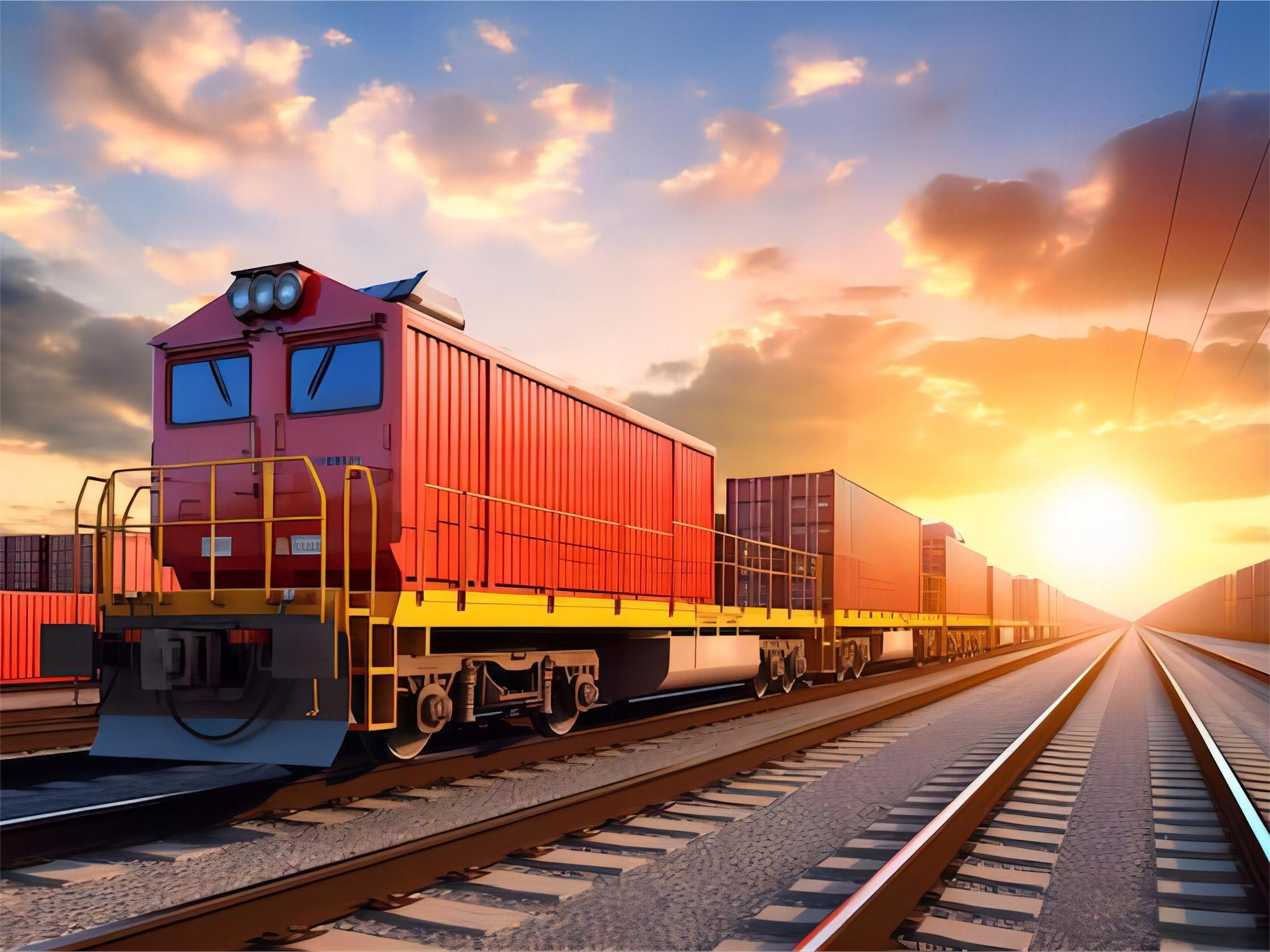
For example, air freight offers the fastest transit times, which is essential for restocking high-demand items or launching new products. On the other hand, the cost per kilogram is significantly higher than sea or rail transport. Meanwhile, rail freight provides a middle ground for shipments to Europe, offering faster speeds than the ocean at a lower cost than the air.
To summarize, the best choice depends on your budget, inventory turnover rate, and the physical characteristics of your products. By understanding the differences between these methods, you can build a hybrid shipping strategy that balances speed and cost. For instance, you might use air freight for 10 percent of your stock to maintain availability while shipping the rest via sea to maximize profit.
| Shipping Method | Cost Range (2026) | Transit Time | Best For |
|---|---|---|---|
| Sea Freight (FCL) | $2,500 – $4,500 | 25 to 40 Days | Bulk Inventory |
| Air Freight | $4.50 – $8.50/kg | 5 to 9 Days | Urgent Restocks |
| Rail Freight | $1.50 – $3.00/kg | 18 to 22 Days | European Markets |
| Express Service | $7.00 – $12.00/kg | 3 to 5 Days | Small Samples |
Which Option Should You Choose? Decision Framework
Selecting the right shipping method requires a clear understanding of your priorities. If your primary goal is to minimize landed costs, then sea freight consolidation is almost always the superior choice. However, if you are facing a stock-out situation, the higher cost of air freight is a necessary investment to protect your sales velocity.
Additionally, consider the nature of your cargo. High-value electronics may justify the security and speed of air transport, whereas bulky furniture is better suited for ocean containers. For instance, items with a low value-to-weight ratio are rarely profitable when shipped by air. Therefore, analyzing your product margins is a critical step in the decision-making process.
Without a doubt, the destination also plays a major role in your choice. Shipping to North America typically relies on sea or air, while shipments to Europe can benefit from the growing rail network. Consequently, you should consult with a logistics partner who understands the specific nuances of your target market’s infrastructure.
Customs and Documentation Requirements for 2026
The regulatory environment for international trade continues to become more complex as we move through 2026. Maintaining accurate documentation is the only way to avoid costly delays and potential fines at the border. Specifically, you must ensure that your commercial invoices, packing lists, and certificates of origin are perfectly aligned with the physical cargo.
Moreover, Amazon has strict requirements for how goods are declared when entering their fulfillment network. Using a comprehensive door to door service can simplify this process, as the provider handles all customs entries on your behalf. Indeed, this end-to-end management reduces the administrative burden on your business significantly.
Furthermore, it is important to stay updated on the latest tariff changes and trade agreements. For example, specific product categories may be subject to anti-dumping duties or environmental taxes in certain regions. Consequently, working with an experienced freight forwarder who monitors these trends is essential for accurate cost forecasting and compliance.
| Document Name | Purpose | Required For | Criticality |
|---|---|---|---|
| Commercial Invoice | Value Declaration | All Shipments | High |
| Packing List | Cargo Detail | All Shipments | High |
| Bill of Lading | Title of Goods | Sea/Rail | High |
| FBA Labels | Amazon Tracking | FBA Shipments | Critical |
Case Studies: Success with FBA Consolidation
Case Study 1: Electronics Expansion to the USA. Route: Shenzhen, China to Los Angeles, USA. Cargo: 500 units of smart home devices, 8 CBM, 1,200 kg. Method: Sea Freight LCL Consolidation. Total Landed Cost: $3,200. Transit Time: 22 days. Key Insight: By using a China warehouse for prep and consolidation, the seller saved 35 percent compared to individual courier shipments.
Case Study 2: Home Decor to the European Union. Route: Ningbo, China to Hamburg, Germany. Cargo: 1,200 units of ceramic vases, 15 CBM, 3,500 kg. Method: Rail Freight Consolidation. Total Landed Cost: $5,800. Transit Time: 20 days. Key Insight: Rail freight provided a faster alternative to sea without the extreme costs of air, allowing the seller to meet a seasonal promotion deadline.
Case Study 3: Fashion Apparel to Australia. Route: Guangzhou, China to Sydney, Australia. Cargo: 2,000 units of summer wear, 5 CBM, 800 kg. Method: Sea Freight LCL. Total Landed Cost: $1,450. Transit Time: 15 days. Key Insight: Professional labeling in China ensured immediate acceptance at the Amazon warehouse, preventing any storage delays.
Conclusion
To summarize, mastering amazon fba freight china warehouse prep shipping consolidation is a game-changer for modern e-commerce entrepreneurs. By centralizing your operations in China, you gain better control over product quality and shipping costs. Consequently, your business becomes more scalable and resilient to market changes.
Furthermore, the combination of professional prep services and strategic consolidation ensures that your inventory is always ready for the Amazon marketplace. As we navigate the logistics landscape of 2026, staying informed and choosing the right partners will be the keys to your success. Therefore, start optimizing your shipping strategy today to secure your competitive advantage.