
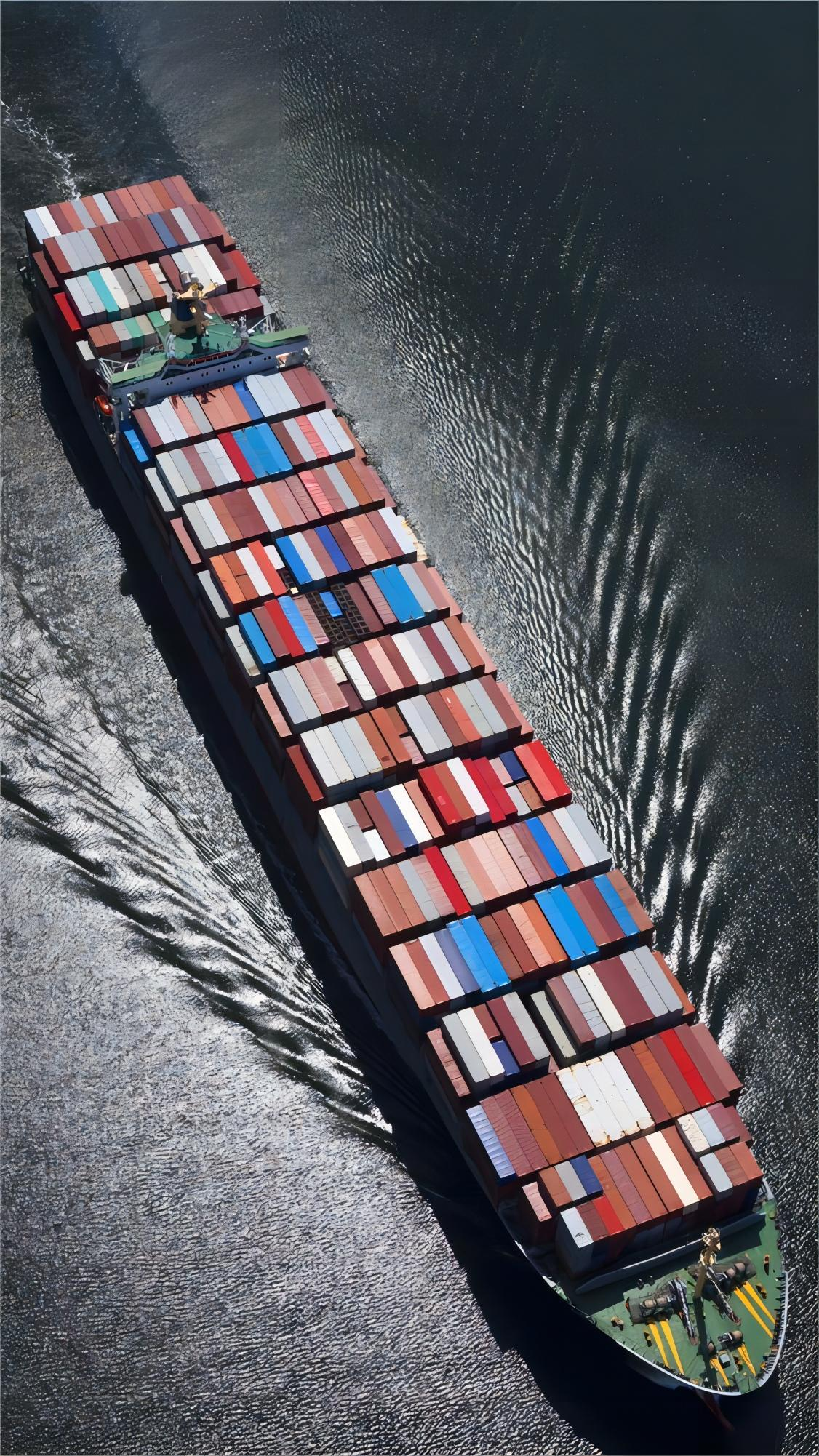
DDP Logistics China Shipping Warehouse Consolidation Global Service Guide 2026
Navigating the complexities of international trade requires a robust strategy for managing inventory and transport costs efficiently. Businesses worldwide are increasingly turning to ddp logistics china shipping warehouse consolidation global service to streamline their supply chains and eliminate hidden fees. This comprehensive solution ensures that your goods are collected, stored, and shipped under a single Delivered Duty Paid framework, providing total cost transparency and peace of mind.
What is DDP Logistics China Shipping Warehouse Consolidation Global Service?
Understanding this integrated approach is essential for any modern importer looking to optimize their operations. This service combines several logistics functions into one seamless package, starting with the gathering of goods from multiple suppliers across China. By utilizing a centralized hub, businesses can significantly reduce the number of individual shipments, which lowers overall handling fees and administrative burdens.
Furthermore, the DDP element means the freight forwarder handles all import duties, taxes, and customs formalities at the destination. Consequently, the buyer receives the goods without worrying about unexpected invoices from local authorities or port agents. This model is particularly beneficial for e-commerce sellers and small businesses that lack the infrastructure to manage complex international tax compliance independently.
Moreover, choosing sea freight as the primary transit mode within this consolidated framework offers the most cost-effective path for high-volume inventory. While transit times are longer than other methods, the massive savings on per-unit costs often justify the wait for non-urgent stock replenishment. Indeed, the combination of consolidation and DDP terms creates a predictable and scalable logistics environment.
How Does Consolidation Improve Shipping Efficiency?
Consolidation works by merging several smaller shipments into a single large container, often referred to as Less than Container Load (LCL) management. Instead of paying for multiple half-empty boxes, you only pay for the specific volume your goods occupy within a shared 20GP or 40HQ container. Therefore, your shipping budget is utilized much more effectively, allowing for more frequent inventory turns without the penalty of high shipping rates.
Additionally, the use of a professional warehouse in China allows for quality control inspections before the goods leave the country. Identifying defects or quantity discrepancies at the source prevents the high cost of international returns and protects your brand reputation. Meanwhile, the warehouse team can provide value-added services such as repacking, labeling, and palletizing to meet specific retail or Amazon requirements.
Subsequent logistics steps involve the coordination of multiple carrier schedules to ensure the most direct route is taken. Utilizing air freight for consolidated shipments is also an option when speed is prioritized over cost, especially for high-value electronics or seasonal fashion. Nevertheless, the core benefit remains the reduction of touchpoints, which minimizes the risk of damage or loss during transit.
How Does DDP Shipping Compare to Other Shipping Options?
Evaluating different shipping terms is critical for determining the true landed cost of your products. While FOB (Free on Board) or EXW (Ex Works) might appear cheaper at the initial quote stage, they often hide significant destination charges and customs brokerage fees. In contrast, DDP provides a single, all-inclusive price that covers everything from the factory gate to your final warehouse door.
Specifically, many importers find that managing their own customs clearance leads to delays and unexpected storage fees at the port. By shifting this responsibility to a global logistics provider, you leverage their expertise in local regulations and tariff classifications. This proactive management ensures that shipments move through checkpoints without the typical friction associated with international trade.
Market data suggests that as of early 2026, freight rates have stabilized, making it an ideal time to lock in long-term consolidation contracts. However, users must weigh the benefits of speed versus cost when selecting their primary transport mode. Below is a detailed comparison of the most common methods used within a DDP framework.
| Shipping Method | Cost Range | Transit Time | Best For | Limitations |
|---|---|---|---|---|
| Sea Freight LCL | $150 – $400 per CBM | 30 – 45 Days | Bulk inventory | Slowest speed |
| Air Freight | $5 – $12 per KG | 5 – 9 Days | Urgent stock | Very expensive |
| Rail Freight | $200 – $500 per CBM | 18 – 25 Days | Europe routes | Geographic limits |
| Express Courier | $8 – $15 per KG | 3 – 5 Days | Samples/Small items | Highest cost |
Which Option Should You Choose?
Selecting the right logistics strategy depends entirely on your specific business goals and the nature of your products. If your primary objective is to maintain the highest possible profit margins on heavy items, sea-based consolidation is the clear winner. On the other hand, if you are launching a new product and need to test the market quickly, air-based DDP services offer the necessary agility.
Budget priority often dictates that sea freight is the default choice for most established e-commerce brands. For shipments under 15 CBM, LCL consolidation at current market rates is significantly more economical than paying for a full 20GP container. Consequently, businesses can maintain a leaner inventory model by shipping smaller amounts more frequently without a massive cost penalty.
Cargo type also plays a major role in the decision-making process for Amazon FBA sellers. High-density items like books or tools are perfect for sea freight, whereas lightweight, high-value items like jewelry or specialized components are better suited for air transport. Regardless of the method, the DDP structure ensures that your focus remains on sales rather than logistics paperwork.
Optimizing Your Supply Chain with DDP Logistics China Shipping Warehouse Consolidation Global Service
Implementing a consolidated warehouse strategy in China allows you to act as your own distributor. By holding stock in a domestic Chinese warehouse, you can respond to global demand fluctuations with much greater flexibility. Therefore, you can choose to ship a portion of your stock to the USA and another portion to Europe based on real-time sales data.
Additionally, this approach mitigates the risks associated with supplier delays. If one factory is late with production, your other goods can wait in the consolidation hub until the full order is ready for dispatch. This prevents the need for multiple expensive small shipments and keeps your logistics costs predictable. Indeed, the ability to control the flow of goods from a central point is a major competitive advantage.
Furthermore, utilizing a door to door service model removes the complexity of coordinating multiple local trucking companies at the destination. The freight forwarder manages the entire journey, including the final mile delivery to your customer or warehouse. This end-to-end visibility is enhanced by modern tracking technologies that provide real-time updates on the status of your consolidated cargo.
Case Study 1: Electronics from Shenzhen to USA
Case Study 1: Consumer Electronics Consolidation
Route: Shenzhen, China to Los Angeles, USA
Cargo: Smart home devices, 8 CBM, 1200 kg
Container: LCL (Consolidated)
Shipping Details:
Carrier/Service: Major trans-Pacific carrier
Port of Loading: Shenzhen (Yantian)
Port of Discharge: Los Angeles
Route Type: Direct
Cost Breakdown:
Ocean Freight: $1,600
Origin Charges: $350
Destination Charges: $450
Customs and Duties: $1,200
Total Landed Cost: $3,600
Timeline:
Booking to Loading: 3 days
Sea Transit: 16 days
Customs Clearance: 2 days
Total Door-to-Door: 21 days
Key Insight: This shipment saved the client approximately 25 percent compared to shipping individual air parcels. Based on Q1 2026 market rates, the consolidation allowed for a much lower per-unit landed cost despite the inclusion of all duties.
Case Study 2: Fashion Apparel from Ningbo to Europe
Case Study 2: Seasonal Clothing Distribution
Route: Ningbo, China to Hamburg, Germany
Cargo: Summer apparel, 12 CBM, 1800 kg
Container: LCL (Consolidated)
Shipping Details:
Carrier/Service: COSCO
Port of Loading: Ningbo
Port of Discharge: Hamburg
Route Type: Direct via Suez Canal
Cost Breakdown:
Ocean Freight: $2,100
Origin Charges: $400
Destination Charges: $550
Customs and Duties: $2,800
Total Landed Cost: $5,850
Timeline:
Booking to Loading: 4 days
Sea Transit: 32 days
Customs Clearance: 3 days
Total Door-to-Door: 39 days
Key Insight: By using a DDP consolidation service, the client avoided the VAT complexities typically found in European imports. Typical rates as of early 2026 show that sea freight remains the most viable option for large volume textiles despite longer transit times.
Case Study 3: Furniture from Guangzhou to Australia
Case Study 3: Home Decor Expansion
Route: Guangzhou, China to Sydney, Australia
Cargo: Flat-pack furniture, 25 CBM
Container: 20GP Full Container
Shipping Details:
Carrier/Service: Maersk
Port of Loading: Guangzhou (Nansha)
Port of Discharge: Sydney
Route Type: Direct
Cost Breakdown:
Ocean Freight: $1,100
Origin Charges: $300
Destination Charges: $400
Customs and Duties: $600
Total Landed Cost: $2,400
Timeline:
Booking to Loading: 2 days
Sea Transit: 15 days
Customs Clearance: 2 days
Total Door-to-Door: 19 days
Key Insight: For shipments exceeding 15 CBM, upgrading to a full 20GP container is often cheaper than LCL. This case highlights how volume thresholds should dictate the consolidation strategy to maximize savings.
Why Choose DDP Logistics China Shipping Warehouse Consolidation Global Service for Your Business?
Reliability is the cornerstone of any successful international trade venture. By partnering with a provider that offers customs brokerage as part of a DDP package, you eliminate the risk of your goods being held at the border due to paperwork errors. Experts handle the HS code classification and ensure all regulatory requirements, such as safety certifications, are met before the ship leaves China.
Moreover, the financial predictability of DDP terms allows for better cash flow management. You know exactly what your costs will be weeks before the goods arrive, which helps in setting accurate retail prices and maintaining healthy margins. This is particularly vital in the volatile market of 2026, where fuel surcharges and currency fluctuations can otherwise erode profits unexpectedly.
Finally, the environmental impact of shipping can be reduced through efficient consolidation. Fewer containers on the road and sea mean a smaller carbon footprint for your brand. Many modern logistics providers are now offering green consolidation options, utilizing electric trucks for the first and last mile of the journey to align with global sustainability trends.
Cost-Saving Strategies for China Shipping in 2026
Planning your shipping schedule around peak seasons is one of the most effective ways to save money. Rates typically increase by 15 to 25 percent during the August to October period as retailers prepare for the holiday rush. Therefore, shipping your core inventory earlier in the year can result in substantial savings that go directly to your bottom line.
Additionally, optimizing your packaging can lead to lower volume-based charges. Because LCL and air freight rates are heavily dependent on CBM or volumetric weight, reducing the size of your boxes can have a dramatic effect on total costs. Consider vacuum-sealing soft goods or using custom-sized boxes that eliminate wasted space within the master carton.
Notably, comparing direct routes versus transshipment can also reveal hidden savings. While direct routes are faster, transshipment through hubs like Singapore can sometimes be 10 to 15 percent cheaper if you have the flexibility in your delivery schedule. Always ask your logistics partner for multiple routing options to find the best balance between speed and expenditure.
Mastering Global Trade with Expert Consolidation
Successfully managing a global supply chain in 2026 requires more than just finding a carrier. It demands a strategic approach that integrates warehousing, consolidation, and clear DDP terms to ensure efficiency. By leveraging a ddp logistics china shipping warehouse consolidation global service, you can reduce costs, minimize risks, and focus on growing your business.
As market conditions continue to evolve, staying informed about the latest logistics trends and pricing structures is essential. Whether you choose sea, air, or rail, the goal remains the same: a reliable and transparent path for your goods to reach your customers. Trust in professional consolidation services to handle the complexity while you enjoy the benefits of a streamlined operation.
Start Your Shipment
Streamline your international trade today with our professional ddp logistics china shipping warehouse consolidation global service. Contact our team at Alibabafreight to receive a custom quote and discover how much you can save on your next shipment. Visit our website to start your journey toward hassle-free global shipping.
Request Quote