
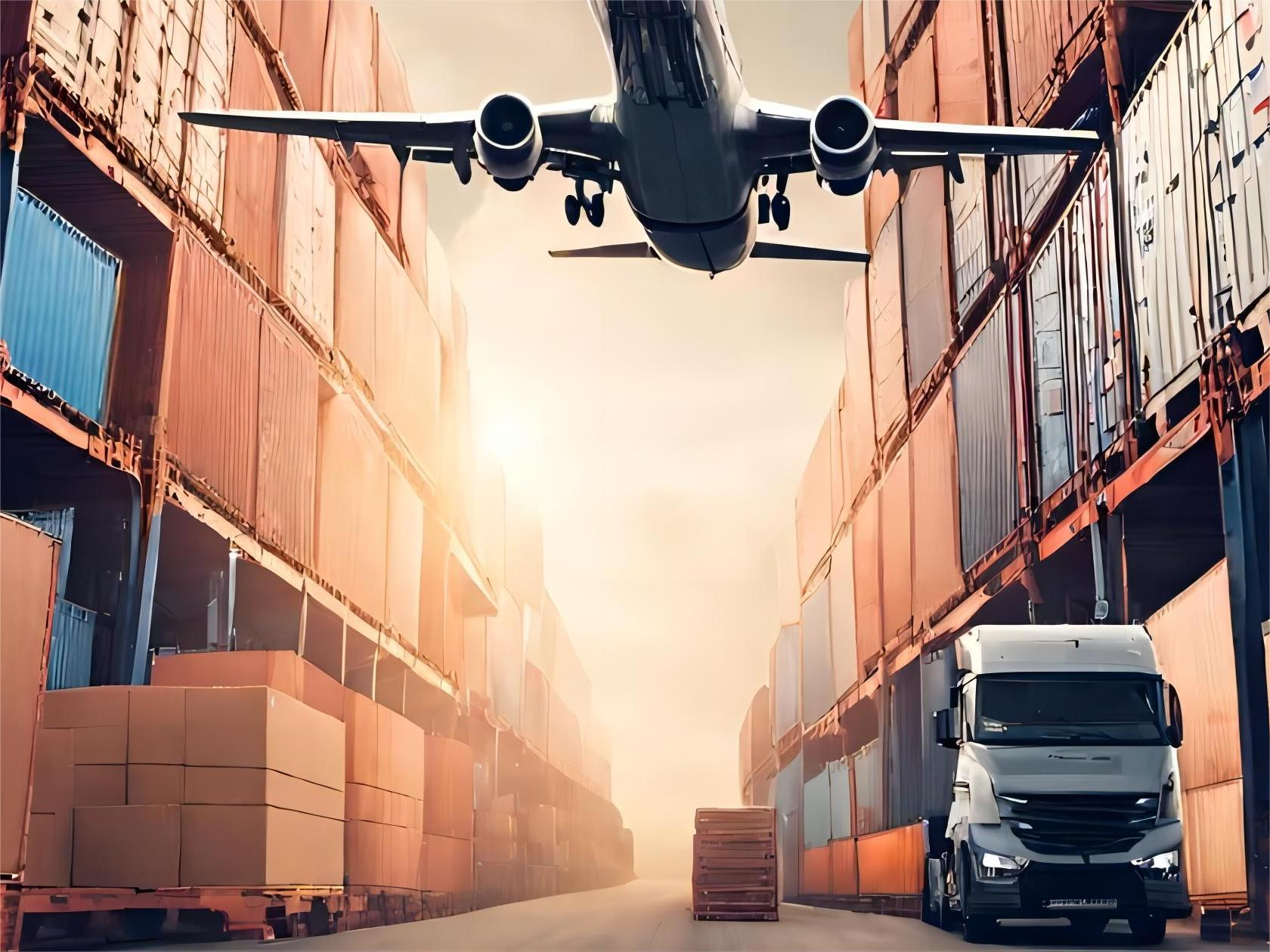
China Sea Air Freight Shipping Company Global Logistics Service 2026
Finding a reliable china sea air freight shipping company global logistics service is essential for businesses navigating the competitive global market in 2026. This comprehensive guide provides the necessary insights to optimize your supply chain and reduce overhead costs. Consequently, you will discover how to balance speed and budget while ensuring your goods reach their destination safely.
✦What defines a top China sea air freight shipping company global logistics service?
Modern businesses require more than just a transportation provider; they need a strategic partner capable of managing complex international requirements. Specifically, a premier service provider offers end-to-end visibility and real-time tracking for every shipment. This transparency allows importers to manage inventory levels more effectively while minimizing the risk of stockouts.
Moreover, the best companies integrate diverse transport modes to create seamless multimodal solutions. Therefore, you can switch between air and sea routes depending on seasonal demand or urgent market shifts. Additionally, professional logistics firms maintain strong relationships with major carriers to secure space during peak seasons.
Reliability in 2026 hinges on digital integration and automated documentation processes. For instance, top-tier providers use advanced software to predict potential port delays and suggest alternative routes. Meanwhile, they ensure that all environmental regulations and sustainability standards are met throughout the journey.
How to choose between sea and air freight for your China imports?
Deciding on the right shipping method involves evaluating the trade-offs between cost and transit time. While sea freight offers the lowest cost per unit for high-volume goods, it requires longer lead times. Conversely, air transport provides unmatched speed for high-value or perishable items.
Furthermore, you must consider the nature of your cargo and the urgency of the delivery schedule. For example, fashion retailers often utilize air freight to keep up with rapidly changing trends. On the other hand, industrial machinery manufacturers typically prefer the cost-efficiency of ocean containers for heavy shipments.
Indeed, a hybrid approach often yields the best results for balanced supply chains. By utilizing sea freight for baseline stock and air freight for emergency refills, companies maintain high service levels without overspending. Consequently, this strategy mitigates the impact of unforeseen disruptions in the global network.
| Shipping Method | Cost Range | Transit Time | Best For |
|---|---|---|---|
| Sea Freight | $1,500 – $4,500 | 14 – 40 Days | Bulk / Heavy Goods |
| Air Freight | $4.50 – $9.00/kg | 3 – 7 Days | High-Value / Urgent |
| Rail Freight | $2,500 – $5,500 | 15 – 22 Days | China to Europe |
| Express Service | $8.00 – $15.00/kg | 2 – 5 Days | Small Parcels |
Why air freight remains the fastest global logistics solution
Speed is the primary advantage when you choose air freight for your international shipments. In 2026, air cargo capacity has expanded, allowing for more frequent departures from major Chinese hubs like Shanghai and Shenzhen. Consequently, transit times have become more predictable even during high-demand periods.
Notably, air transport reduces the need for extensive warehousing by enabling just-in-time delivery models. This reduction in storage costs often offsets the higher initial freight rates for many technology companies. Furthermore, the enhanced security at airports minimizes the risk of theft or damage to sensitive electronics.
In addition, the streamlined handling processes at air terminals ensure that goods move quickly through the system. Carriers prioritize cargo based on urgency, which allows for expedited processing during the first and last mile. Therefore, businesses can respond almost instantly to market fluctuations and customer demands.
Understanding customs brokerage and documentation in 2026
Navigating the legal landscape of international trade requires professional customs brokerage to avoid costly delays. Specifically, customs agents ensure that all declarations are accurate and comply with the latest 2026 trade regulations. Failure to provide correct documentation can lead to heavy fines and the seizure of goods.
Moreover, digital customs platforms have become the standard for modern import and export operations. These systems allow for the electronic submission of commercial invoices, packing lists, and certificates of origin. As a result, the clearance process is significantly faster than traditional paper-based methods.
Notably, working with an experienced broker helps you identify potential duty savings through trade agreements. They analyze your HS codes to ensure you are not overpaying on tariffs. Consequently, this expertise adds significant value to your overall logistics strategy and improves your profit margins.
How does sea freight compare to other shipping options?
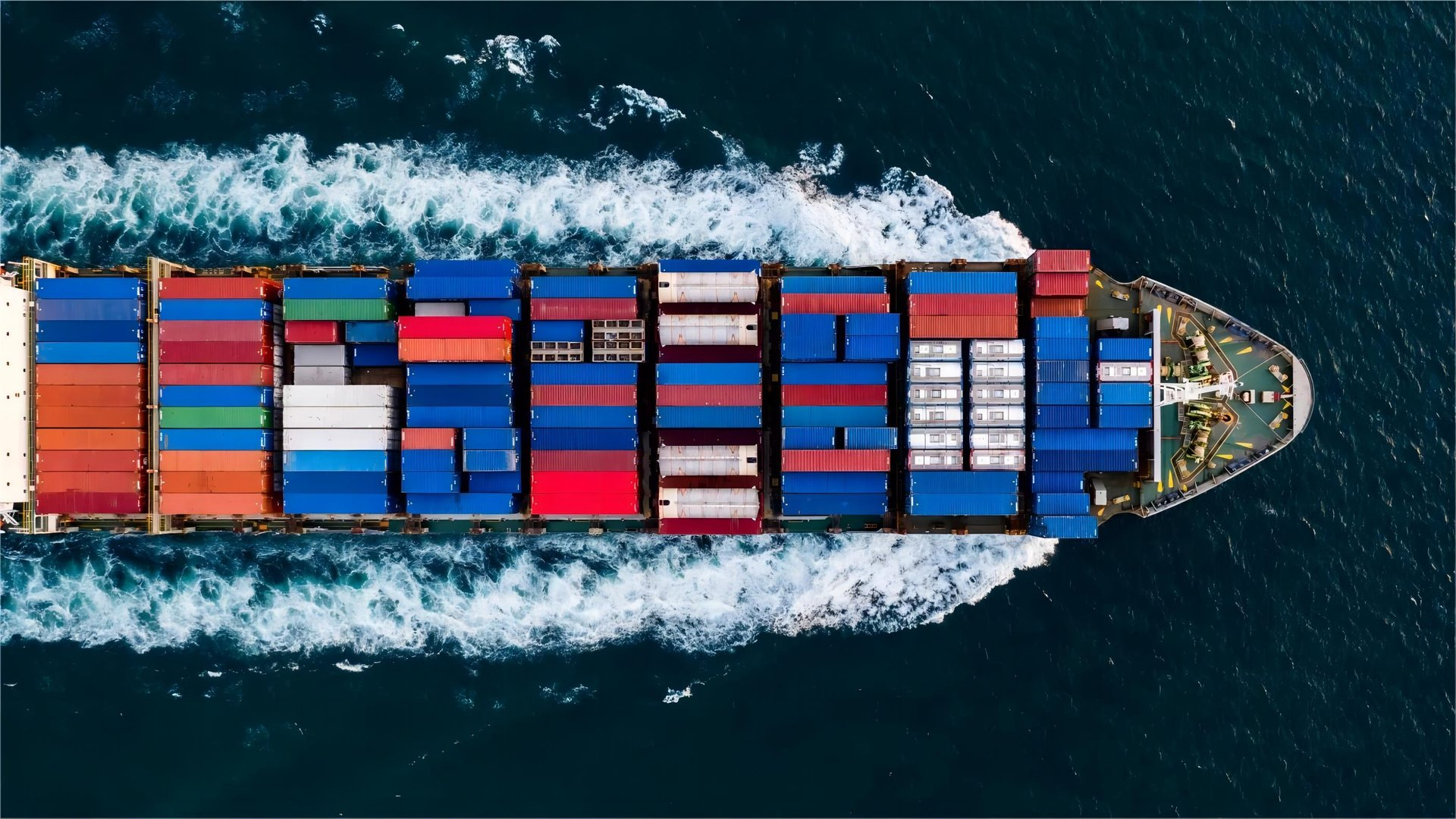
Ocean transport remains the backbone of global trade due to its massive capacity and low environmental impact. While sea freight costs $2,000 to $3,500 for a 40HQ container on many routes, air freight for the same volume would exceed $20,000. Therefore, sea freight is the logical choice for any business prioritizing budget over speed.
In contrast, for shipments under 15 CBM, LCL at $50 to $80 per CBM may be more economical than a full container. This flexibility allows smaller businesses to access global markets without needing to fill an entire 20-foot unit. Meanwhile, direct routes usually cost 10 percent more but save up to 7 days compared to transshipment options.
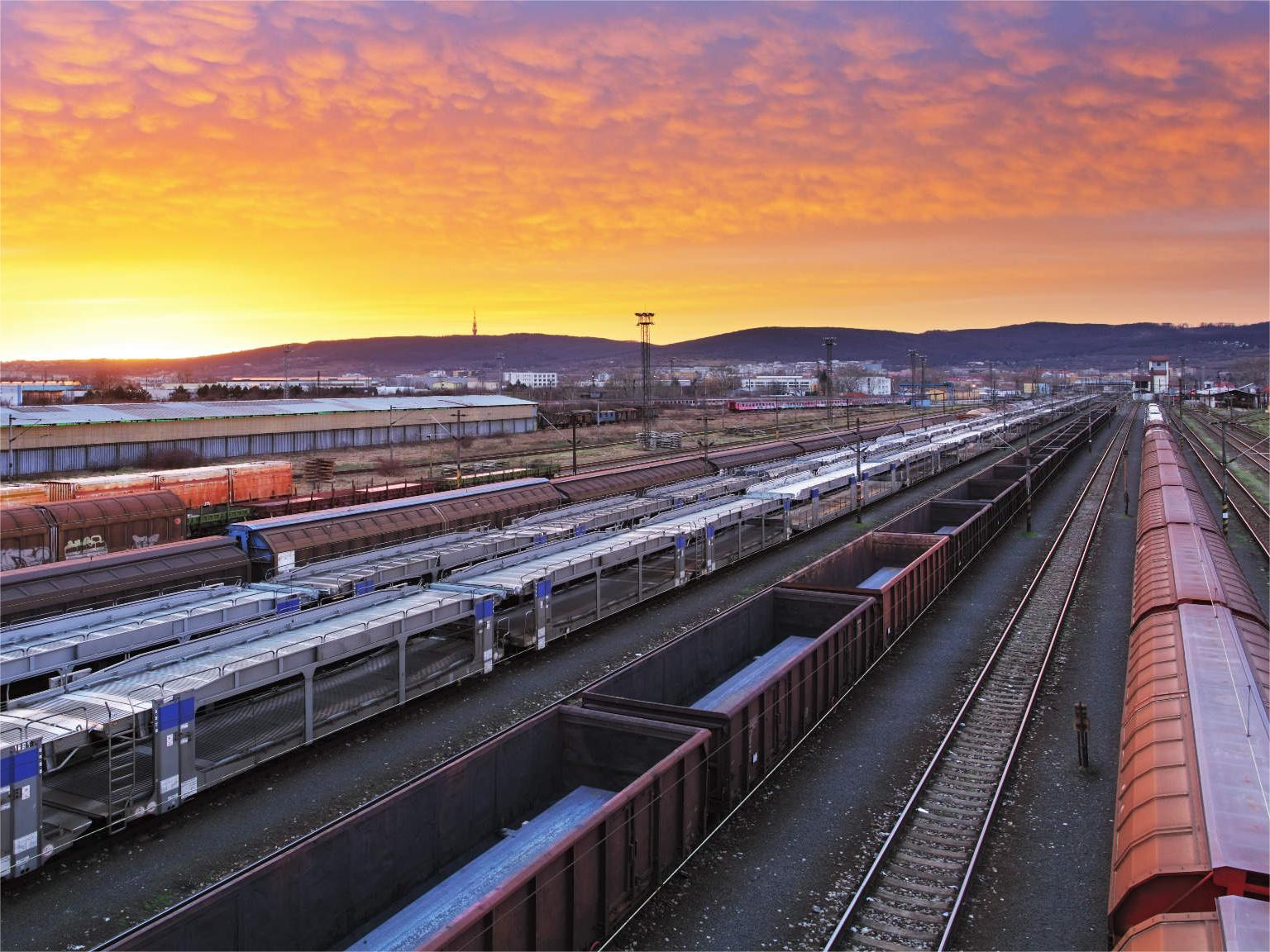
Additionally, rail freight has emerged as a middle-ground solution for the China-to-Europe corridor. It offers faster transit than sea and lower costs than air, making it ideal for automotive parts and consumer goods. However, for routes to Australia or North America, sea and air remain the only viable options.
| Route Type | Cost Efficiency | Speed Rank | Limitations |
|---|---|---|---|
| Direct Sea | High | Slow | Port Congestion |
| Transshipment | Very High | Very Slow | Handling Risks |
| Sea-Air Hybrid | Medium | Medium | Complex Coordination |
| Direct Air | Low | Fastest | Weight Restrictions |
Door to door shipping: The ultimate convenience for modern businesses
Choosing a door to door service simplifies the entire logistics chain by providing a single point of contact. This comprehensive solution covers everything from factory pickup in China to final delivery at your warehouse. Consequently, you save time by not having to coordinate with multiple carriers and local truckers.
Furthermore, door-to-door services include all necessary handling and documentation fees in a single quote. This transparency prevents hidden costs from surfacing during the final stages of delivery. Indeed, many e-commerce sellers rely on this method to manage their Amazon FBA inventory without logistical headaches.
In addition, the integration of last-mile delivery experts ensures that the final leg of the journey is as efficient as the ocean crossing. These specialists understand local traffic patterns and delivery requirements in different regions. Therefore, your customers receive their orders on time, enhancing your brand reputation and customer loyalty.
Real-world case studies: Global logistics in action
Case Study 1: Electronics Distribution to North America. Route: Shenzhen to Los Angeles. Cargo: 500 units of high-end tablets, 2.5 CBM, 450 kg. Shipping Method: Air Freight. Total Landed Cost: $4,850. Transit Time: 5 days. Key Insight: Choosing air freight allowed the client to meet a product launch deadline that sea freight would have missed by three weeks.
Case Study 2: Furniture Import to Europe. Route: Ningbo to Hamburg. Cargo: Outdoor lounge sets, 68 CBM, 40HQ Container. Shipping Method: Sea Freight (FCL). Total Landed Cost: $4,200. Transit Time: 34 days. Key Insight: By booking six weeks in advance, the importer secured a rate 15 percent below the peak season average.
Case Study 3: Industrial Parts to Australia. Route: Shanghai to Melbourne. Cargo: Spare parts for mining equipment, 12 CBM. Shipping Method: LCL Sea Freight. Total Landed Cost: $1,850. Transit Time: 18 days. Key Insight: Utilizing LCL instead of a full container saved the client over $1,200 in unnecessary freight charges while maintaining a steady supply chain.
Which option should you choose? A decision framework
Selecting the right strategy depends on your specific business priorities and the current market conditions of 2026. If your primary goal is budget priority, we recommend sea freight for all shipments exceeding 2 CBM. Specifically, FCL shipping offers the best protection and lowest per-unit cost for large volumes.
In contrast, if speed is your priority, air freight is the only viable option for international routes. This is especially true for electronics, pharmaceuticals, and high-fashion items where market relevance decays quickly. Additionally, consider the volume thresholds; once a shipment exceeds 15 CBM, switching from LCL to a 20GP container is almost always more cost-effective.
Finally, always evaluate the cargo type considerations before making a final decision. Hazardous materials or oversized equipment may require specialized sea freight handling that air carriers cannot provide. Consequently, consulting with a logistics expert ensures that you select the method that aligns with both your physical cargo needs and your financial objectives.
Market trends and 2026 freight rate outlook
As of early 2026, freight rates from China have stabilized following the global disruptions of previous years. Industry benchmarks suggest that ocean freight for a 40HQ container to the US West Coast currently ranges between $3,000 and $3,800. Meanwhile, rates to European ports like Rotterdam remain slightly higher due to longer transit distances and fuel surcharges.
Notably, seasonal patterns continue to influence pricing, with rates typically increasing by 15 to 25 percent during the August to October peak season. Therefore, shippers should plan their inventory cycles to avoid these high-cost periods whenever possible. Furthermore, the adoption of green fuels in the shipping industry has introduced modest environmental surcharges that vary by carrier.
Disclaimer: Freight rates are subject to change based on fuel costs, carrier capacity, and seasonal demand. Contact us for a current quote tailored to your specific shipment. Market data suggests that early booking remains the most effective way to lock in competitive pricing and ensure equipment availability.
Mastering your global logistics strategy
Successfully managing international trade requires a deep understanding of the various transport modes and regulatory requirements. By partnering with a dedicated china sea air freight shipping company global logistics service, you gain access to the expertise needed to navigate the complexities of 2026 trade. Whether you prioritize the speed of air or the economy of sea, the right partner ensures your cargo moves efficiently across borders.
In summary, focus on long-term supply chain resilience by diversifying your shipping methods and staying informed about market trends. Accurate documentation, proactive planning, and strategic carrier selection are the keys to maintaining a competitive edge. Start optimizing your logistics today to ensure your business thrives in the global marketplace.