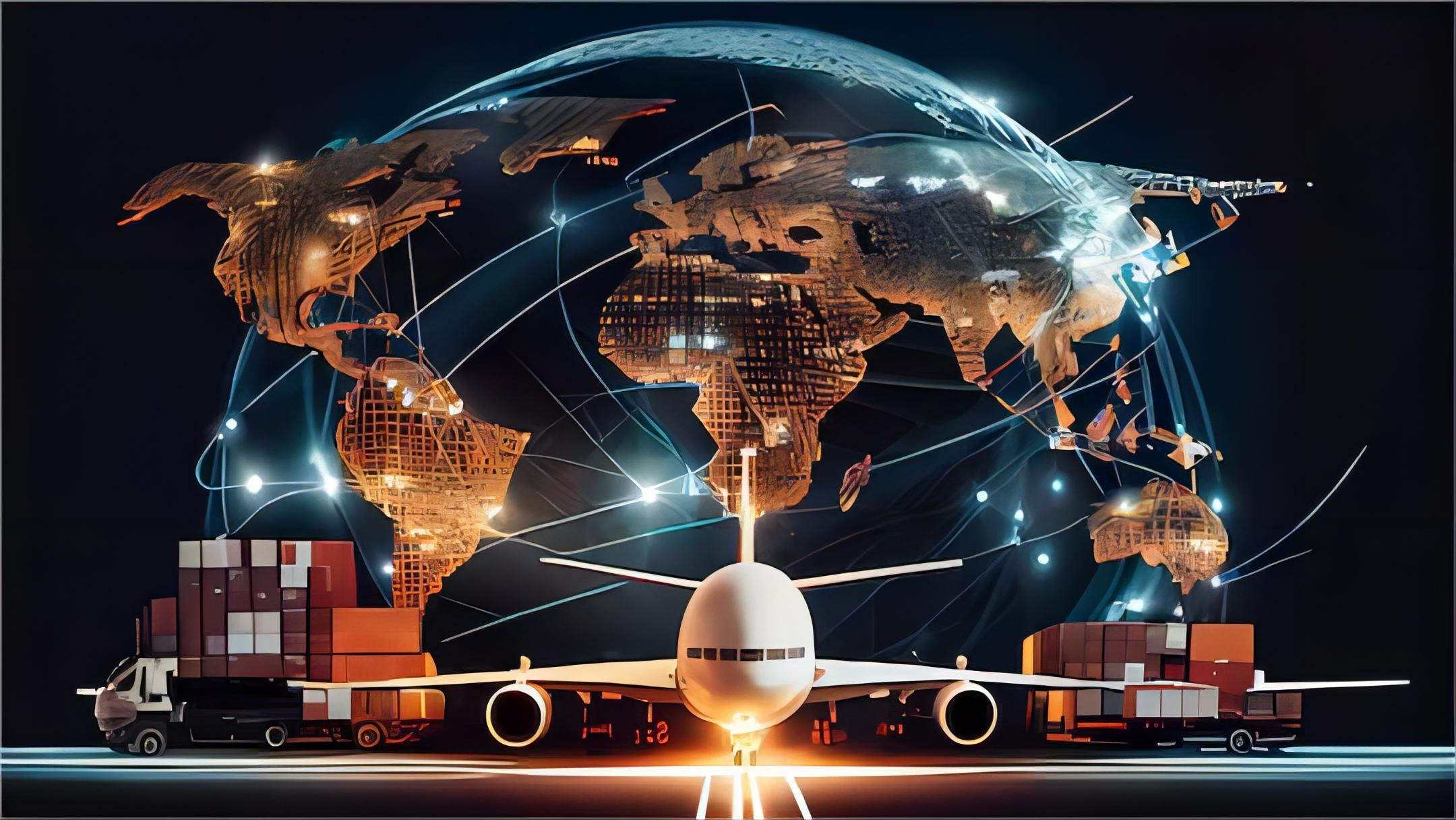

Sea Freight China Global Container Shipping Door to Door: 2026 Guide
Selecting the right logistics partner is vital for businesses looking to scale their operations in the modern economy. Using sea freight china global container shipping door to door services ensures that your goods move seamlessly from the factory floor in China to your final destination. Consequently, companies can focus on growth while logistics professionals manage the intricate details of the global supply chain.
✦
Why Choose Sea Freight China Global Container Shipping Door to Door?
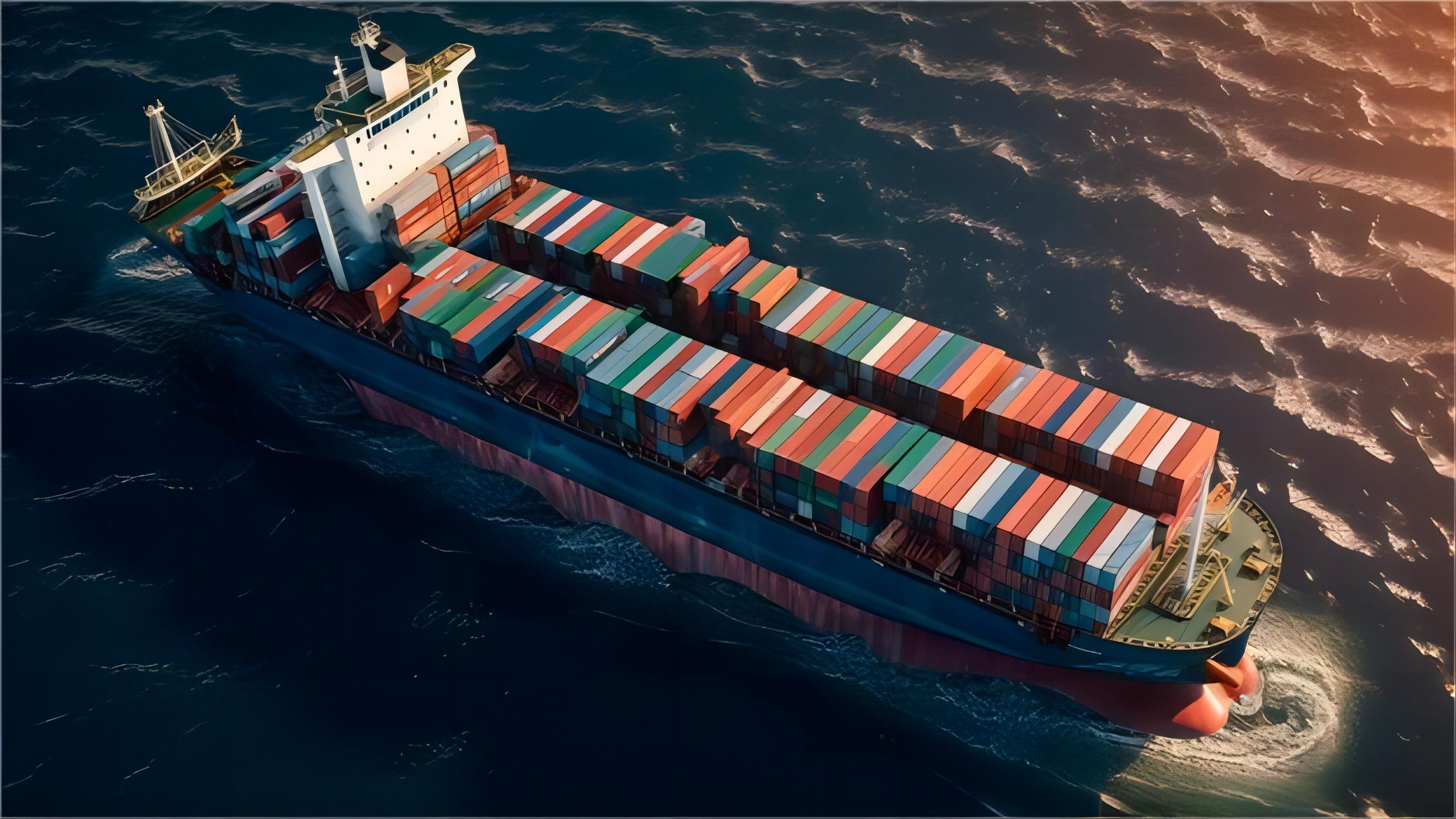
Navigating the complexities of international trade requires a robust strategy for logistics and cargo handling. Furthermore, sea freight remains the most cost-effective solution for transporting large volumes of goods across the ocean. Indeed, businesses that prioritize budget efficiency often find that ocean freight logistics provide the best return on investment. Moreover, the door to door model eliminates the need for importers to coordinate multiple transport legs themselves.
Consequently, this integrated approach reduces the risk of communication errors between different carriers. Many shippers appreciate how a single point of contact simplifies the entire export documentation China process. Additionally, maritime transport solutions have evolved to offer better supply chain visibility in 2026. Therefore, you can track your container from the moment it leaves the warehouse in Shenzhen until it arrives at your doorstep in London or New York.
The Reliability of Modern Ocean Freight
Modern shipping lines have significantly improved their delivery schedule adherence over the last year. Specifically, the introduction of AI-driven route optimization has helped carriers avoid major port congestion. Meanwhile, freight forwarding services have become more proactive in managing potential delays. As a result, the reliability of container shipping costs and timelines has reached a new peak in early 2026.
How Does Sea Freight Compare to Other Shipping Options?
Evaluating different transport modes is essential for optimizing your global supply chain management. While sea freight offers high capacity, air freight provides unmatched speed for urgent shipments. However, the cost difference between these two methods is substantial, often reaching five to ten times the price for the same volume. In contrast, sea-air hybrid solutions are gaining popularity for those who need a middle ground between speed and cost.
Moreover, rail freight has become a viable alternative for shipments moving between China and Europe. Nevertheless, for island nations like Australia or long-haul routes to North America, sea freight remains the dominant choice. Accordingly, understanding the trade-offs between these methods allows you to make an informed decision based on your specific cargo type and budget constraints.
| Shipping Method | Cost Range | Transit Time | Best For |
|---|---|---|---|
| Sea Freight | $2,000 – $4,500 | 20-40 Days | Bulk & Large Volume |
| Air Freight | $8,000 – $15,000 | 3-7 Days | Urgent & High Value |
| Rail Freight | $4,000 – $7,000 | 15-22 Days | Mid-range urgency |
| Express | $12,000+ | 2-5 Days | Small Parcels |
Cost Analysis and Freight Rate Trends for 2026
Market data suggests that freight rate fluctuations have stabilized throughout the first quarter of 2026. Furthermore, the industry average for shipping a 40HQ container from China to the US West Coast currently ranges between $3,000 and $4,000. In addition, rates typically increase by 15-25% during the August-October peak season. Consequently, booking your shipments well in advance can lead to significant cost-saving strategies.
Indeed, cargo insurance China is another critical factor to consider when calculating your total landed cost. Many importers overlook this expense, yet it remains vital for protecting your investment against maritime risks. Therefore, always request a comprehensive quote that includes all origin and destination charges. Note: Freight rates are subject to change based on fuel costs, carrier capacity, and seasonal demand. Contact us for a current quote tailored to your specific shipment.
| Route | 20GP Container | 40HQ Container | Avg Transit |
|---|---|---|---|
| China to USA West | $1,800 – $2,400 | $3,000 – $4,000 | 16-20 Days |
| China to Europe | $2,100 – $2,800 | $3,300 – $4,500 | 30-35 Days |
| China to Australia | $900 – $1,300 | $1,600 – $2,200 | 14-18 Days |
| China to UK | $2,000 – $2,700 | $3,500 – $4,600 | 32-38 Days |

The Step-by-Step Door to Door Logistics Process
Implementing a door to door strategy involves several critical stages that ensure cargo safety. Initially, the freight forwarder coordinates the pickup of goods from the supplier in China. Subsequently, the cargo undergoes consolidation if you are using LCL shipping methods. Moreover, the agent handles all necessary export customs clearance to ensure the shipment complies with Chinese regulations.
After the goods arrive at the port, they are loaded onto a container vessel for international transit. Meanwhile, the logistics provider prepares the destination documentation to facilitate a smooth entry into the target country. Finally, once the ship docks, the container is hauled to the final warehouse or storefront. This seamless flow significantly reduces the administrative burden on the business owner.
Which Option Should You Choose?
Deciding between FCL and LCL shipping depends largely on your total cargo volume and budget priority. For example, if your shipment exceeds 15 CBM, booking a full 20GP container is usually more economical. Conversely, smaller shipments benefit from LCL rates, which allow you to pay only for the space you occupy. Furthermore, speed priority might dictate a shift toward air or rail options if your inventory levels are low.
Cargo type considerations also play a major role in your decision-making framework. Specifically, heavy machinery requires specialized cargo handling that only sea freight can provide at a reasonable cost. In addition, fragile electronics might justify the higher expense of air transport to minimize handling risks. Therefore, evaluating these factors early in your procurement cycle is essential for maintaining a healthy bottom line.
Volume Thresholds for Switching Methods
Industry benchmarks suggest that shipments under 1 CBM are best suited for express services. However, once you reach the 2-5 CBM range, sea freight LCL becomes the most competitive option. In contrast, shipments over 15-20 CBM should almost always move via FCL to maximize security and minimize per-unit costs. Consequently, monitoring your order volumes can help you switch methods at the most profitable time.
Real-World Case Studies for 2025-2026
Case Study 1: Shenzhen to Los Angeles Electronics Export. Route: Shenzhen, China to Los Angeles, USA. Cargo: Consumer Electronics, 65 CBM, 12,000 kg. Container: 40HQ. Shipping Details: Direct service via major carrier. Cost Breakdown: Ocean Freight $3,200, Origin Charges $450, Destination Charges $600, Total Landed Cost $4,250. Timeline: 18 days door to door. Key Insight: Early booking during the 2025 Q4 peak saved the client 15% on freight rates.
Case Study 2: Ningbo to Rotterdam Industrial Parts. Route: Ningbo, China to Rotterdam, Netherlands. Cargo: Industrial Machinery, 28 CBM, 8,500 kg. Container: 20GP. Shipping Details: Transshipment via Singapore. Cost Breakdown: Ocean Freight $2,400, Customs $300, Logistics Fees $500, Total Landed Cost $3,200. Timeline: 34 days door to door. Key Insight: Using rail freight was considered but sea freight was chosen for its 40% cost advantage.
Case Study 3: Shanghai to Sydney Home Decor. Route: Shanghai, China to Sydney, Australia. Cargo: Furniture, 8 CBM, 2,000 kg. Container: LCL. Shipping Details: Direct maritime transport. Cost Breakdown: Ocean Freight $850, Handling $200, Delivery $300, Total Landed Cost $1,350. Timeline: 16 days door to door. Key Insight: Consolidating multiple small orders into one LCL shipment reduced the per-unit shipping cost significantly.
Understanding Customs Brokerage and Compliance
Managing customs brokerage is often the most daunting part of international shipping for new importers. Indeed, a single missing document can lead to expensive port storage fees and delivery delays. Therefore, working with an experienced customs agent is vital for ensuring your goods pass through inspections without issue. Moreover, staying updated on changing trade agreements in 2026 helps you take advantage of duty drawbacks and tax exemptions.
Specifically, the commercial invoice and packing list must match the physical cargo exactly to avoid red flags. Additionally, the Bill of Lading serves as the primary title of goods and must be handled with care. Consequently, many successful businesses automate their documentation process using modern logistics management software. This digital transition has greatly improved the accuracy and speed of customs filings globally.
| Document | Purpose | Required For |
|---|---|---|
| Commercial Invoice | Value declaration | All shipments |
| Packing List | Content details | All shipments |
| Bill of Lading | Title of goods | All shipments |
| COO | Duty benefits | Specific routes |
Strategic Advantages of FCL vs LCL Shipping
Choosing between Full Container Load (FCL) and Less than Container Load (LCL) is a strategic decision for any Amazon FBA seller. For instance, FCL offers the highest level of security since the container remains sealed from the origin to the destination. However, LCL allows for greater flexibility if you need to maintain a steady flow of inventory without waiting for a full container’s worth of goods. In addition, LCL is often the entry point for startups testing new products in the global market.
Nevertheless, LCL shipments generally involve more handling at consolidation warehouses, which slightly increases the risk of minor damage. Conversely, FCL minimizes handling, making it the preferred choice for fragile or high-value items. Therefore, you should weigh the cost savings of LCL against the speed and security benefits of FCL. As your business grows, transitioning to FCL will likely become the more sustainable long-term strategy.
Managing the Global Supply Chain in a Volatile Market
The logistics landscape in 2026 continues to face challenges from fluctuating fuel prices and geopolitical shifts. Consequently, diversification of shipping routes has become a standard practice for resilient companies. For example, many shippers now split their cargo between North America and European hubs to mitigate regional risks. Furthermore, investing in supply chain visibility tools allows managers to react quickly to any disruptions in the delivery schedule.
Moreover, the trend toward sustainable shipping is influencing how carriers operate their fleets. Many vessels now use cleaner fuels, which may impact freight rates but also helps brands meet their corporate social responsibility goals. In addition, digital platforms have made it easier to compare international shipping rates in real-time. Accordingly, staying informed about these logistics trends is essential for maintaining a competitive edge in the global marketplace.
Final Thoughts on Global Shipping
To summarize, mastering sea freight china global container shipping door to door requires a combination of strategic planning and reliable partnerships. By understanding the nuances of FCL vs LCL and staying updated on market trends, you can significantly reduce your overhead. Furthermore, the integration of customs brokerage and door to door delivery ensures a hassle-free experience for importers worldwide. Ultimately, prioritizing efficiency in your ocean freight logistics will drive long-term success for your international trade ventures.