
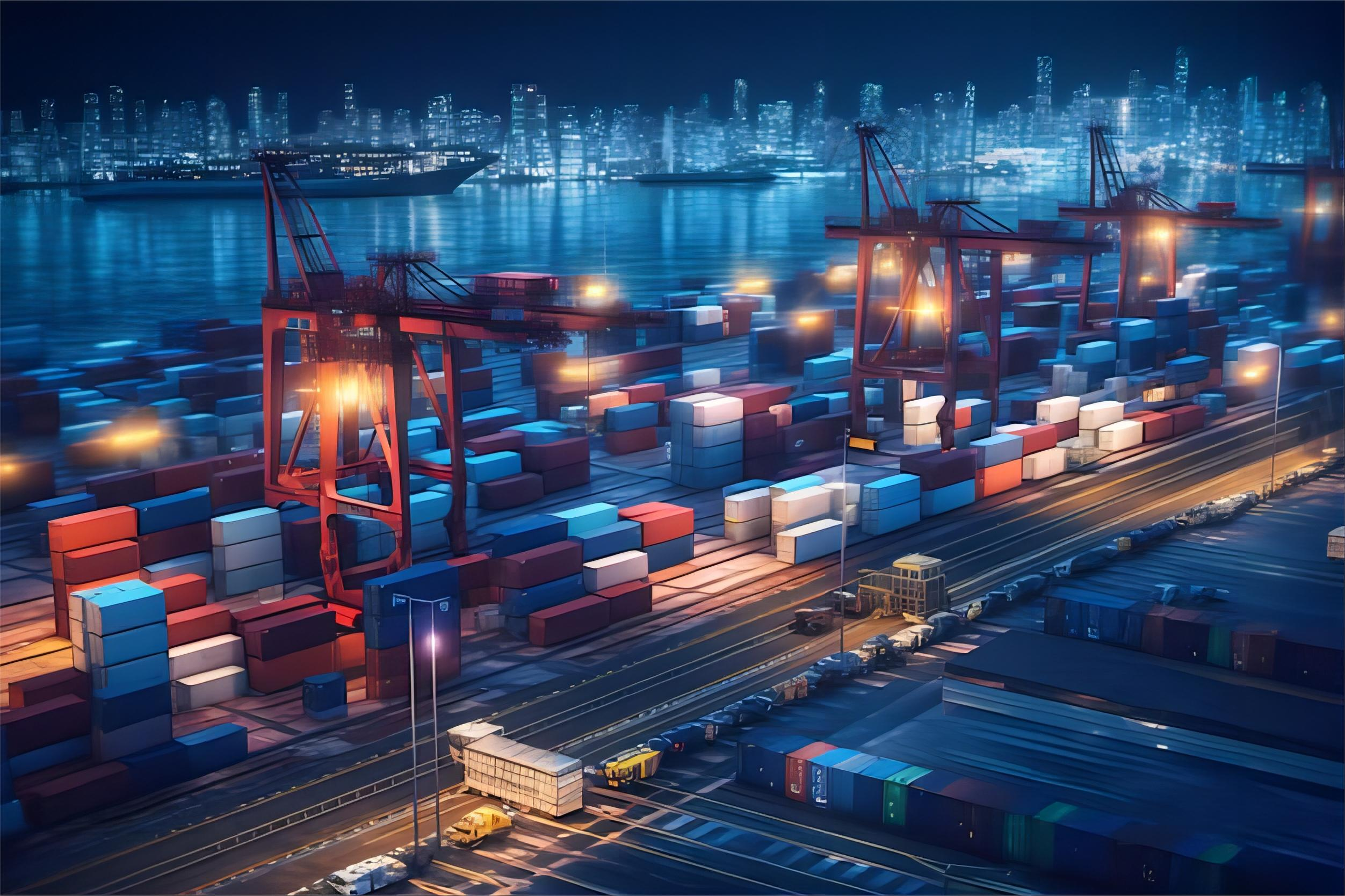
Freight Forwarder China Middle East Europe USA UK Global: 2026 Guide
“Navigating the complexities of international trade in 2026 requires a robust logistics strategy and a reliable partner. As a leading freight forwarder China middle east europe usa uk global, we provide seamless solutions for businesses looking to optimize their supply chain. Our team handles everything from initial booking to final delivery, ensuring your cargo reaches its destination safely and on schedule.”

Why You Need a Freight Forwarder China Middle East Europe USA UK Global in 2026
❖Global trade dynamics have shifted significantly as we enter 2026, making expert logistics management more critical than ever. Consequently, businesses must adapt to new regulations and fluctuating fuel surcharges that impact overall shipping costs. A professional freight forwarder acts as a vital link between manufacturers in China and consumers in the West.
Furthermore, managing multiple carriers across different continents can be an administrative nightmare for most companies. By centralizing your operations with a single provider, you gain better visibility and control over your inventory movement. This approach reduces the risk of communication breakdowns that often lead to costly delays at major ports.
In addition, the current market environment demands high levels of flexibility to avoid regional disruptions. Therefore, having access to diverse shipping routes through a global network ensures your business remains resilient against unforeseen challenges. Our expertise allows us to navigate these hurdles efficiently, providing you with peace of mind.
How Does Sea Freight Compare to Other Shipping Options?
❖Choosing the right transport mode is essential for balancing budget constraints with delivery deadlines. For many importers, sea freight remains the most economical choice for transporting large volumes of goods across the ocean. However, it is important to weigh the lower costs against the longer transit times inherent in maritime transport.
Indeed, ocean shipping is ideal for non-urgent commodities such as furniture, heavy machinery, and bulk raw materials. Meanwhile, industries with high-value or perishable items might find the speed of air transport more suitable despite the premium price. To help you decide, we have compiled a detailed comparison of the primary shipping methods available in 2026.
Note: Freight rates are subject to change based on fuel costs, carrier capacity, and seasonal demand. Contact us for a current quote tailored to your specific shipment.
| Shipping Method | Cost Range | Transit Time | Best For |
|---|---|---|---|
| Sea Freight (FCL) | $1,800 – $4,500 | 18 – 40 Days | Large shipments |
| Air Freight | $5.50 – $12.00/kg | 3 – 7 Days | Urgent/High-value |
| Rail Freight | $120 – $250/CBM | 15 – 22 Days | China to Europe |
| Express Service | $8.00 – $15.00/kg | 2 – 5 Days | Small parcels |
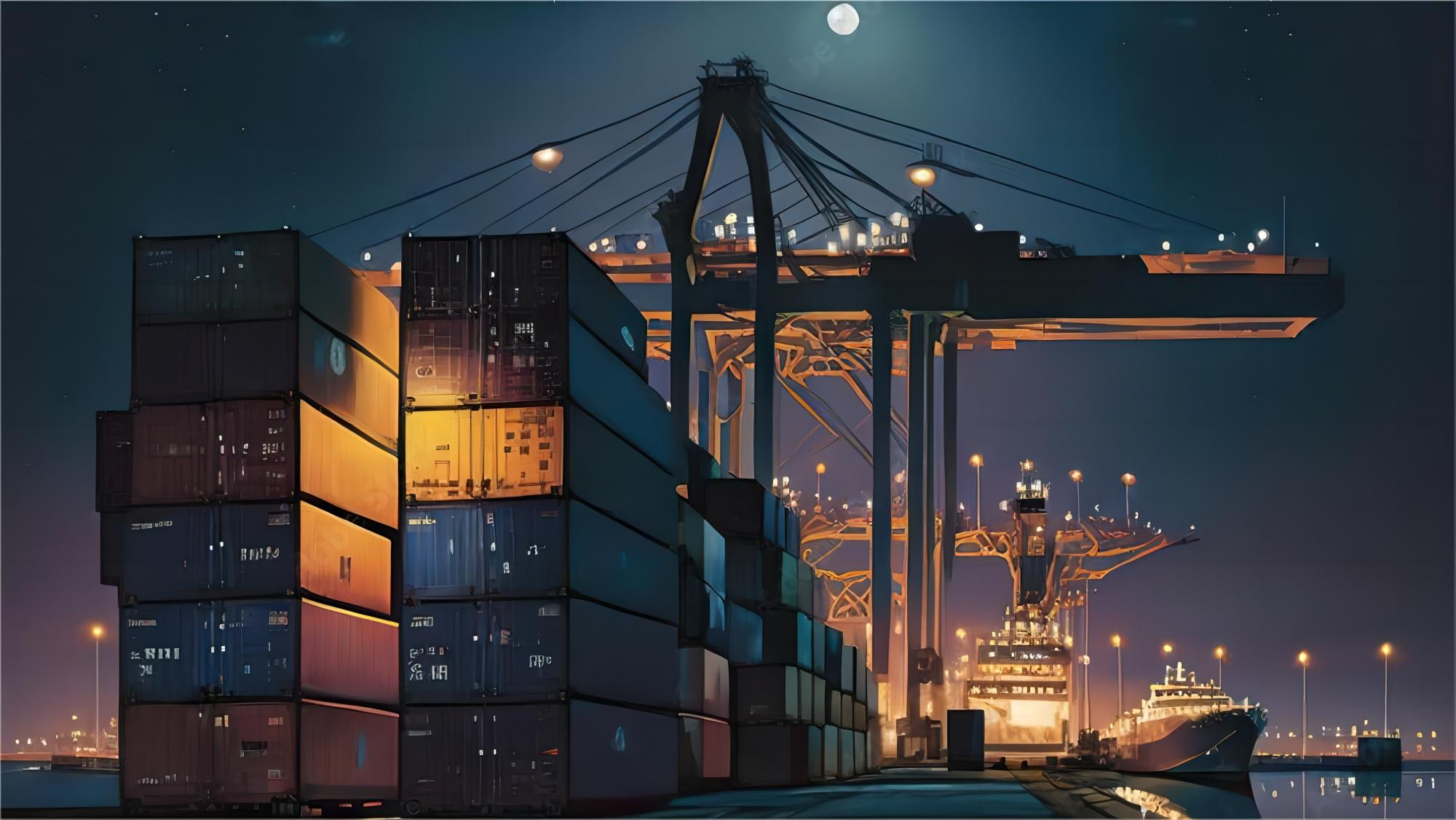
Air Freight Solutions for Urgent Global Shipments
❖When time is of the essence, air freight provides the fastest connection between China and major global hubs. Specifically, businesses in the electronics and fashion sectors rely on air transport to maintain lean inventories and meet rapid consumer demand. This method significantly reduces the lead time from production to shelf.
Moreover, the security protocols at airports are generally more stringent than those at seaports, offering better protection for sensitive cargo. As a result, the risk of theft or damage is minimized throughout the journey. Although the cost per kilogram is higher, the savings in inventory holding costs can often justify the investment.
For instance, many companies utilize air cargo during peak seasons to replenish stock quickly when sea routes are congested. This strategy ensures that market opportunities are not missed due to logistics bottlenecks. Our team manages the entire process, including airport handling and final mile delivery.
Rail Freight: The Middle Ground for China to Europe Routes
❖The expansion of the Silk Road has made rail freight an increasingly popular alternative for shipments destined for the EU. It offers a perfect balance between the speed of air and the affordability of sea transport. Consequently, it has become a staple for many supply chains operating between Asia and the European continent.
Typically, rail transit times from China to major European hubs like Hamburg or Warsaw range from 15 to 22 days. In contrast, sea freight can take up to 40 days depending on the specific port rotation. This time saving allows for faster capital turnover and more responsive inventory management for your business.
Additionally, rail transport is considered more environmentally friendly compared to air and sea options. Many corporations now prioritize green logistics as part of their sustainability goals. By choosing rail, you can reduce your carbon footprint while maintaining a reliable delivery schedule across the Eurasian land bridge.
Which Option Should You Choose? Decision Framework
❖Selecting the optimal shipping method depends on several factors, including your budget, cargo type, and urgency. If your primary goal is cost reduction and you have flexible deadlines, sea freight is undoubtedly the best path. On the other hand, if you are shipping high-value items that need to arrive within a week, air freight is the logical choice.
For shipments to the UK or continental Europe, rail freight provides a strategic middle ground that should not be overlooked. Specifically, if your cargo volume is between 1 and 15 CBM, Less than Container Load (LCL) sea freight might be more economical than a full container. Conversely, for shipments over 15 CBM, a 20GP container often becomes more cost-effective.
Without a doubt, hybrid solutions like sea-air combinations can also provide a balance of cost and speed. For example, shipping by sea from China to Dubai and then by air to Europe can save significant time compared to a full sea voyage. We recommend consulting with our experts to determine the most efficient route for your specific needs.
| Priority | Recommended Method | Volume Threshold | Example Cargo |
|---|---|---|---|
| Lowest Cost | Sea Freight (LCL/FCL) | Any Volume | Furniture, Toys |
| Maximum Speed | Air Freight | Under 500kg | Electronics |
| Balance | Rail Freight | 2 – 20 CBM | Auto Parts |
| Convenience | Door to Door | Any Volume | E-commerce Goods |
Door to Door Services: Simplifying Your Supply Chain
❖Implementing a door to door service model eliminates the need for you to manage multiple logistics providers. We handle the entire journey from the factory floor in China to your warehouse in the USA, UK, or Middle East. This comprehensive approach ensures that every stage of the process is synchronized for maximum efficiency.
Furthermore, our integrated tracking systems provide real-time updates, so you always know the status of your shipment. This transparency is crucial for planning your local operations and managing customer expectations. Instead of worrying about port clearances or local trucking, you can focus on growing your core business activities.
In addition, our door-to-door solutions include comprehensive insurance options to protect your investment against unforeseen events. Whether you are shipping to North America or Australia, we ensure that all local regulations are met. This attention to detail prevents delays and ensures a smooth delivery experience every time.
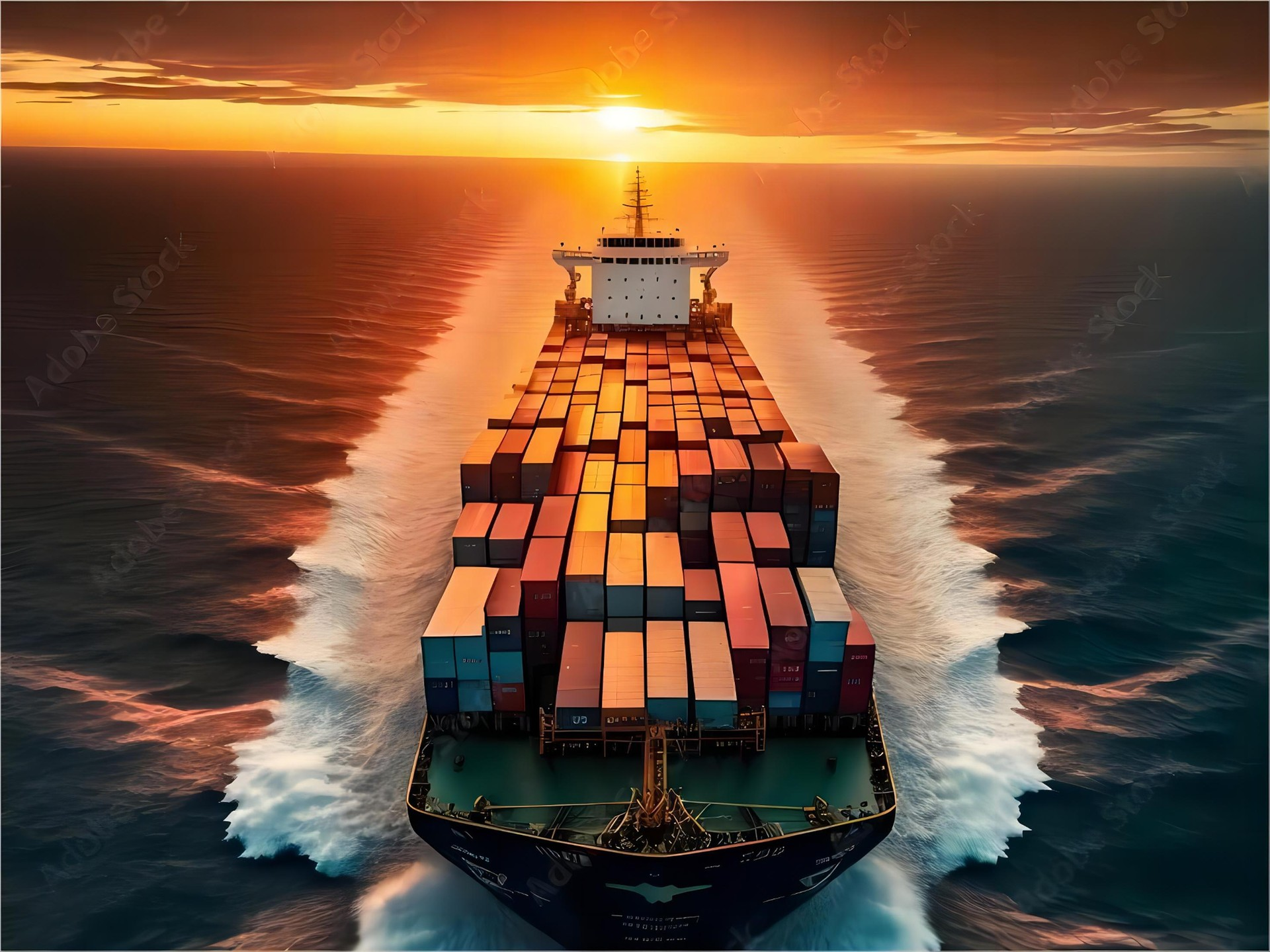
Case Study 1: Electronics from Shenzhen to Los Angeles
❖Route: Shenzhen, China to Los Angeles, USA. Cargo: Consumer Electronics, 68 CBM, 12,500 kg. Container: 1 x 40HQ. Shipping Method: Sea Freight (Direct). Carrier: Major trans-pacific carrier. Port of Loading: Shenzhen. Port of Discharge: Los Angeles. Total Landed Cost: $4,250 (Excluding duties). Sea Transit: 16 days. Total Door-to-Door: 24 days.
Key Insight: By booking a direct route during the Q1 2026 period, the client avoided transshipment delays in Busan. This saved approximately 5 days in transit time and reduced the risk of cargo handling damage. Based on current market rates, this direct service provided the best value for high-volume electronics.
Case Study 2: Industrial Parts from Ningbo to Hamburg
❖Route: Ningbo, China to Hamburg, Germany. Cargo: Machine Spare Parts, 12 CBM, 4,200 kg. Shipping Method: Rail Freight (LCL). Port of Loading: Ningbo (via Xi’an rail hub). Port of Discharge: Hamburg. Total Landed Cost: $2,850. Rail Transit: 19 days. Total Door-to-Door: 28 days. Key Insight: The client switched from sea to rail to meet a production deadline in Europe.
Key Insight: Rail freight proved to be 40% faster than sea freight while costing 60% less than air freight. This hybrid approach allowed the manufacturer to maintain their assembly line schedule without the extreme expense of air cargo. Typical rates as of early 2026 suggest rail remains a top choice for Central European destinations.
Case Study 3: Textiles from Shanghai to Dubai
❖Route: Shanghai, China to Dubai, UAE. Cargo: High-end Textiles, 5 CBM, 1,800 kg. Shipping Method: Sea Freight (LCL). Port of Loading: Shanghai. Port of Discharge: Jebel Ali. Total Landed Cost: $980. Sea Transit: 22 days. Total Door-to-Door: 31 days. Key Insight: Utilizing LCL services allowed the boutique retailer to import smaller batches more frequently.
Key Insight: This strategy minimized warehouse storage fees in Dubai and improved cash flow. Despite seasonal fluctuations in Q4 2025, the rates remained stable for LCL shipments on this route. Market data suggests that consolidated shipping is the most efficient method for small to medium enterprises in the textile industry.
Navigating Customs Brokerage and Compliance
❖Dealing with customs authorities in different countries requires specialized knowledge and meticulous documentation. Consequently, errors in paperwork can lead to significant fines and prolonged delays at the border. Our experienced customs brokers ensure that all declarations are accurate and compliant with the latest 2026 trade laws.
Moreover, we assist with duty classification and tax optimization to help you minimize your landed costs. Understanding the specific requirements of the USA, UK, and Middle Eastern markets is essential for a smooth import process. For example, UK customs procedures have become more complex following recent regulatory updates, requiring precise VAT handling.
Meanwhile, the USA continues to enforce strict security filings such as the ISF (Importer Security Filing) for all ocean shipments. Failure to submit this information 24 hours before loading can result in heavy penalties. By partnering with a knowledgeable freight forwarder, you ensure that all these critical steps are handled professionally.
Mastering Global Logistics in 2026
To summarize, successfully navigating the global trade landscape requires a combination of strategic planning and expert execution. Whether you are shipping to the USA, Europe, or the Middle East, choosing the right transport mode is the first step toward efficiency. By leveraging sea, air, and rail options, you can balance cost and speed to meet your business objectives.
Indeed, working with a professional freight forwarder China middle east europe usa uk global provides the local expertise and global reach necessary for success. We are committed to providing transparent, reliable, and cost-effective shipping solutions for businesses of all sizes. Let us help you optimize your supply chain and reach new markets with confidence in 2026.
Ready to streamline your logistics?
Ready to streamline your international logistics? Contact our expert team today for a customized quote and experience the benefits of working with a premier freight forwarder China middle east europe usa uk global. Send Inquiry: info@alibabafreight.com
Request Quote