
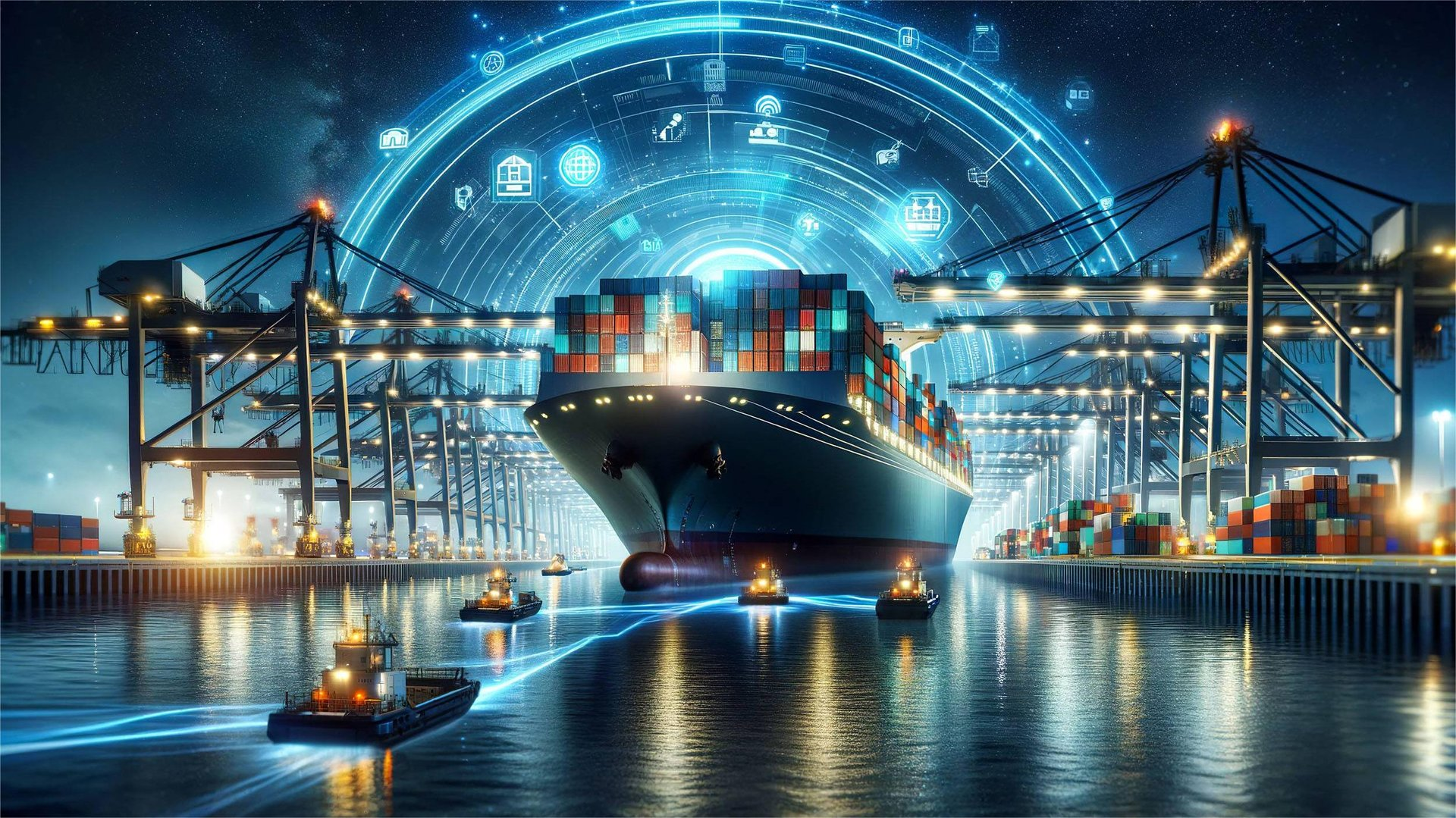
Sea Air Logistics China Worldwide Shipping Company Solutions 2026
Developing a robust global supply chain requires the expertise of a dedicated sea air logistics china worldwide shipping company to manage complex trade routes. Many businesses struggle with rising costs and unpredictable delays when moving goods from manufacturing hubs to international markets. Visit Alibaba Freight to access professional logistics solutions that bridge the gap between efficiency and affordability in 2026.

What Defines a Sea Air Logistics China Worldwide Shipping Company?
Modern commerce depends on the seamless integration of various transport modes to ensure products reach consumers on time. A professional sea air logistics china worldwide shipping company provides the infrastructure and expertise needed to navigate the complexities of international trade laws. These companies act as architects for your cargo, designing routes that balance the speed of flight with the cost-effectiveness of ocean transit.
Furthermore, the role of a logistics provider has evolved in 2026 to include advanced tracking and real-time data analytics. They manage everything from the initial pickup at the factory to final delivery at your warehouse door. Consequently, choosing the right partner allows you to focus on your core business while they handle the intricacies of global movement.
Reliability is the cornerstone of any successful partnership in the freight industry today. You need a company that understands the specific requirements of different industries, whether you are shipping electronics, textiles, or heavy machinery. Indeed, a versatile shipping company will offer tailored solutions that adapt to the shifting landscape of global market demands.
How Does Sea Air Logistics Compare to Other Shipping Options?
Choosing the right transportation method is a critical decision that directly impacts your bottom line and customer satisfaction. While traditional sea freight remains the most economical choice for massive volumes, it often lacks the speed required for urgent inventory replenishment. On the other hand, air transport offers rapid delivery but comes with a significantly higher price tag that can erode profit margins.
Meanwhile, hybrid sea-air solutions have gained massive popularity in 2026 as a middle-ground strategy. This approach typically involves shipping goods by sea from China to a major hub like Dubai or Singapore, followed by an air leg to the final destination. As a result, shippers can save up to 50 percent on costs compared to pure air freight while cutting transit times by half compared to ocean routes.
Moreover, rail freight has become a viable alternative for land-locked destinations in Europe, though it remains unavailable for regions like Australia or North America. Each method has specific trade-offs regarding cost, capacity, and environmental impact. Therefore, a comprehensive analysis of your cargo needs is essential before selecting a specific service provider.
| Shipping Method | Cost Range | Transit Time | Best For | Limitations |
|---|---|---|---|---|
| Sea Freight | Low ($1500 – $4500) | 25 – 45 Days | Bulk / Heavy Cargo | Slow Speed |
| Air Freight | High ($5000 – $15000) | 3 – 7 Days | High Value / Urgent | High Cost |
| Sea-Air Hybrid | Medium ($3000 – $7000) | 15 – 22 Days | E-commerce / Fashion | Complex Transit |
| Rail Freight | Medium ($2000 – $4000) | 18 – 25 Days | China to Europe | Geographic Limits |

Which Option Should You Choose?
Determining the best shipping strategy requires a clear understanding of your business priorities and cargo characteristics. If your primary goal is budget optimization, ocean transport is almost always the preferred route for non-perishable goods. However, if you are launching a new product or responding to a sudden spike in demand, the speed of air freight justifies the additional expense.
Additionally, the volume of your shipment plays a major role in the decision-making process. For smaller shipments that do not fill a whole container, Less than Container Load (LCL) services provide a cost-effective way to share space with other shippers. Conversely, Full Container Load (FCL) offers better security and faster handling for larger batches of goods.
Without a doubt, you should consider the nature of your cargo before making a final commitment. Fragile or high-value items often benefit from the reduced handling associated with air or express services. To summarize, the ideal choice depends on a balance between your required delivery date, available budget, and the physical requirements of the products.
Budget Priority Strategies
For businesses where cost is the only major factor, we recommend utilizing slow-steaming sea routes and booking well in advance. Planning your shipments at least 6 weeks before the required date can help you avoid peak season surcharges. For instance, shipping in the Q1 period of 2026 often yields lower rates than the Q3 pre-holiday rush.
Speed Priority Strategies
When time is of the essence, direct air cargo services are the only way to ensure 48-72 hour delivery windows. Alternatively, using an express service can streamline the process by combining transport and customs clearance into a single package. This is particularly effective for samples or small high-priority replacement parts.
How to Optimize Your Global Supply Chain in 2026?
Optimizing a supply chain involves more than just picking the cheapest carrier available on the market. In 2026, successful companies are using digital twins and predictive modeling to anticipate disruptions before they occur. By working with a sea air logistics china worldwide shipping company, you gain access to these advanced tools and industry insights.
Moreover, consolidating shipments from multiple suppliers in China can significantly reduce your overhead costs. Instead of paying for multiple small shipments, you can use a local warehouse to group goods into a single FCL container. Consequently, you save on documentation fees, port charges, and domestic trucking costs at the destination.
Indeed, transparency is another vital component of a modern optimized supply chain. Real-time GPS tracking allows you to monitor your cargo’s progress and provide accurate updates to your customers. Therefore, implementing a robust communication protocol with your freight forwarder is essential for maintaining operational excellence.
Do Specialized Customs Solutions Speed Up Your Delivery?
Customs hurdles are often the primary cause of unexpected delays in the international shipping process. Utilizing a professional customs brokerage service ensures that all paperwork is filed accurately and in compliance with local regulations. This is particularly important in 2026 as trade policies continue to shift between major economic blocks.
Furthermore, experienced brokers can help you identify opportunities for duty drawbacks or tax exemptions. They understand the specific Harmonized System (HS) codes that apply to your products, which prevents overpayment of tariffs. As a result, your goods move through ports of entry much faster than those with incomplete or incorrect documentation.
Accordingly, you should always prepare your commercial invoices and packing lists well in advance of the ship date. Providing clear descriptions and accurate valuations helps customs officers process your shipment without the need for physical inspections. In contrast, vague descriptions often lead to lengthy holds and additional storage fees at the terminal.

What are the Realistic Transit Times for Global Routes?
Understanding transit times is crucial for inventory management and meeting customer expectations across different continents. Shipping from China to the West Coast of the United States is generally faster than reaching the East Coast or Europe. Nevertheless, port congestion and seasonal weather patterns can still influence these timelines significantly in 2026.
For example, a direct sea route to Los Angeles might take 14 to 18 days, whereas a trip to New York usually requires 30 to 35 days. Meanwhile, shipping to major European ports like Rotterdam or Hamburg typically takes about 28 to 35 days via the Suez Canal. Consequently, you must build a buffer into your delivery schedules to account for potential maritime delays.
Additionally, the time spent in port for loading and unloading must be factored into your total door-to-door calculation. While the sea transit itself is predictable, the land-side operations can vary based on truck availability and labor conditions. Therefore, choosing a comprehensive door to door service is often the best way to manage these variables.
| Destination | Sea Transit | Air Transit | Total Door-to-Door | Route Type |
|---|---|---|---|---|
| USA West Coast | 14-18 Days | 3-5 Days | 22-28 Days | Direct |
| USA East Coast | 30-35 Days | 4-6 Days | 38-45 Days | Via Panama |
| Western Europe | 28-35 Days | 3-5 Days | 35-42 Days | Via Suez |
| Australia | 12-18 Days | 2-4 Days | 18-25 Days | Direct |
Case Studies: Successful Shipping Strategies in 2026
Analyzing real-world examples provides valuable insights into how different logistics strategies perform under current market conditions. These cases highlight the importance of flexibility and expert planning when moving goods internationally. Below are two representative scenarios based on typical shipments handled in early 2026.
Case Study 1: Electronics Distribution to Germany. In this scenario, a tech company needed to move 15 CBM of high-end tablets from Shenzhen to Berlin. By choosing a sea-air hybrid solution via Dubai, they achieved a total transit time of 18 days. The cost was approximately 40 percent lower than direct air freight, allowing them to maintain their competitive pricing strategy.
Case Study 2: Industrial Machinery to the United States. A manufacturer required the transport of a 40HQ container of heavy equipment from Shanghai to Chicago. They utilized a multimodal approach, combining sea freight to the Port of Prince Rupert with a rail connection to the Midwest. This strategy avoided the congestion at Southern California ports and saved 5 days in total transit time.
Case Study 1: Shenzhen to Berlin
Route: Shenzhen, China to Berlin, Germany. Cargo: Consumer Electronics, 15 CBM, 4500 kg. Shipping Method: Sea-Air via Dubai. Ocean Freight: $2,200. Air Freight Leg: $4,800. Customs and Duties: $1,500. Total Landed Cost: $8,500. Timeline: 18 Days total. Key Insight: Hybrid transport saved $6,000 compared to pure air freight.
Case Study 2: Shanghai to Chicago
Route: Shanghai, China to Chicago, USA. Cargo: Industrial Machinery, 1 x 40HQ Container. Shipping Method: FCL Sea-Rail. Ocean Freight: $4,200. Rail Connection: $1,200. Origin/Destination Charges: $900. Total Landed Cost: $6,300. Timeline: 32 Days total. Key Insight: Using Northern ports bypassed 2026 West Coast congestion spikes.
Freight Rate Estimates for 2026 Operations
Market data suggests that freight rates have stabilized in the first quarter of 2026 after the fluctuations seen in previous years. However, fuel surcharges and carrier capacity remains subject to change based on global economic shifts. It is vital to obtain a current quote that reflects the specific details of your cargo and timing.
Typically, a 20GP container from China to Europe currently ranges between $1,800 and $2,500 depending on the specific carrier and port of departure. For shipments to the United States, rates for a 40HQ container can vary from $3,500 for the West Coast to over $5,500 for the East Coast. Consequently, shippers must stay informed about weekly rate updates to optimize their procurement cycles.
Note: Freight rates are subject to change based on fuel costs, carrier capacity, and seasonal demand. Contact us for a current quote tailored to your specific shipment. Industry averages for this route are provided as a general guideline only and do not constitute a fixed price offer.
| Route | 20GP Container | 40GP Container | 40HQ Container | Avg Transit |
|---|---|---|---|---|
| China to UK | $2000-$2800 | $3200-$4200 | $3500-$4500 | 34 Days |
| China to USA (West) | $1500-$2200 | $2500-$3500 | $2800-$3800 | 16 Days |
| China to Australia | $800-$1200 | $1200-$1800 | $1400-$2000 | 15 Days |
| China to Canada | $1800-$2400 | $2800-$3800 | $3200-$4200 | 22 Days |
Mastering Global Trade with the Right Logistics Partner
In conclusion, managing a global supply chain requires a strategic approach that balances speed, cost, and reliability. By partnering with a dedicated sea air logistics china worldwide shipping company, you can navigate the complexities of international freight with confidence. Whether you choose sea, air, or a hybrid solution, the key to success lies in careful planning and expert execution.
Furthermore, staying informed about market trends and transit times in 2026 will allow you to make better decisions for your business. Remember that the cheapest option is not always the most efficient when hidden costs and delays are factored in. Indeed, a professional logistics provider will help you find the perfect balance to keep your customers happy and your bottom line healthy.
Need a tailored shipping solution?
Ready to streamline your international trade? Contact our experts today for a customized quote from a leading sea air logistics china worldwide shipping company. We provide the reliability and transparency your business deserves in 2026. Send Inquiry Now: Visit our contact page to get started.