China FCL LCL Air Freight Door to Door Service: 5 Best Options for 2026 | Top China FCL LCL Air Freight Door to Door Ser
Navigating the complexities of international logistics requires a reliable partner for your china fcl lcl air freight door to door service. Many businesses struggle with rising costs and unpredictable transit times in the current global market. Therefore, choosing DSV-Freight ensures your goods move seamlessly from the factory floor directly to your warehouse or customer. This comprehensive approach eliminates the stress of managing multiple carriers and local agents. Furthermore, integrated solutions allow for better visibility and control over the entire supply chain process. Successful importers understand that a streamlined delivery model is the backbone of a profitable business in 2026.
✦
What is China FCL LCL Air Freight Door to Door Service?
This service model represents the most convenient way to import goods from manufacturing hubs in China to your final destination. Specifically, it combines international transport with local trucking and customs handling into a single package. Full Container Load (FCL) involves renting an entire 20ft or 40ft container for your exclusive use. On the other hand, Less than Container Load (LCL) allows you to share space with other shippers, making it ideal for smaller volumes. Additionally, air freight provides a rapid alternative for high-value or urgent inventory.
Managing these components individually can lead to significant delays and unexpected fees. However, a unified door to door provider manages every milestone, from the supplier’s warehouse to the end recipient. Consequently, you receive a single invoice and one point of contact for the entire journey. This method is particularly popular among e-commerce sellers using Amazon FBA because it simplifies the strict delivery requirements of fulfillment centers. Indeed, the goal is to provide a hands-off experience for the importer while maintaining high efficiency.
How Does China FCL LCL Air Freight Door to Door Service Compare to Other Shipping Options?
Choosing the right shipping method depends on your budget, cargo volume, and required delivery speed. While sea freight costs $1,800 to $4,500 for a container, air freight for the same volume would be prohibitively expensive. Nevertheless, air transport is the only viable option when you need goods delivered within a week. In contrast, rail freight offers a middle ground for shipments to Europe, balancing cost and speed effectively. Understanding these trade-offs is vital for maintaining a competitive edge in 2026.
Moreover, the choice between FCL and LCL often comes down to a volume threshold. For shipments over 15 cubic meters (CBM), FCL is usually more cost-effective and safer for the goods. Smaller shipments benefit from LCL rates, though they require more handling at consolidation hubs. For the fastest possible delivery, express service remains the top choice for documents and small parcels. Each method serves a specific purpose in a well-rounded logistics strategy.
| Method | Estimated Cost | Transit Time | Best For | Limitations |
|---|---|---|---|---|
| Air Freight | $4.50 – $8.00/kg | 5 – 9 Days | High Value / Urgent | High Cost |
| Sea FCL | $2,500 – $5,500 | 25 – 40 Days | Bulk / Heavy Goods | Long Transit |
| Sea LCL | $60 – $120/CBM | 30 – 45 Days | Small Volumes | More Handling |
| Rail Freight | $120 – $200/CBM | 18 – 25 Days | Mid-size to Europe | Limited Routes |
Which Shipping Option Should You Choose?
Determining the best strategy requires a clear assessment of your business priorities. If your primary goal is to minimize expenditure, sea freight is the undisputed winner for large shipments. Conversely, if you are launching a new product and need to hit a specific market window, air freight is worth the investment. Cargo type also plays a major role, as hazardous materials or oversized equipment may only be eligible for certain transport modes.
Volume thresholds are a critical decision point for sea-based logistics. Generally, if your cargo exceeds 13-15 CBM, booking a full 20GP container is often cheaper than paying LCL rates per CBM. Furthermore, FCL reduces the risk of damage because the container is sealed at the origin and only opened at the destination. Meanwhile, LCL is perfect for testing new products without committing to massive inventory levels. Always consider the total landed cost rather than just the initial freight rate.
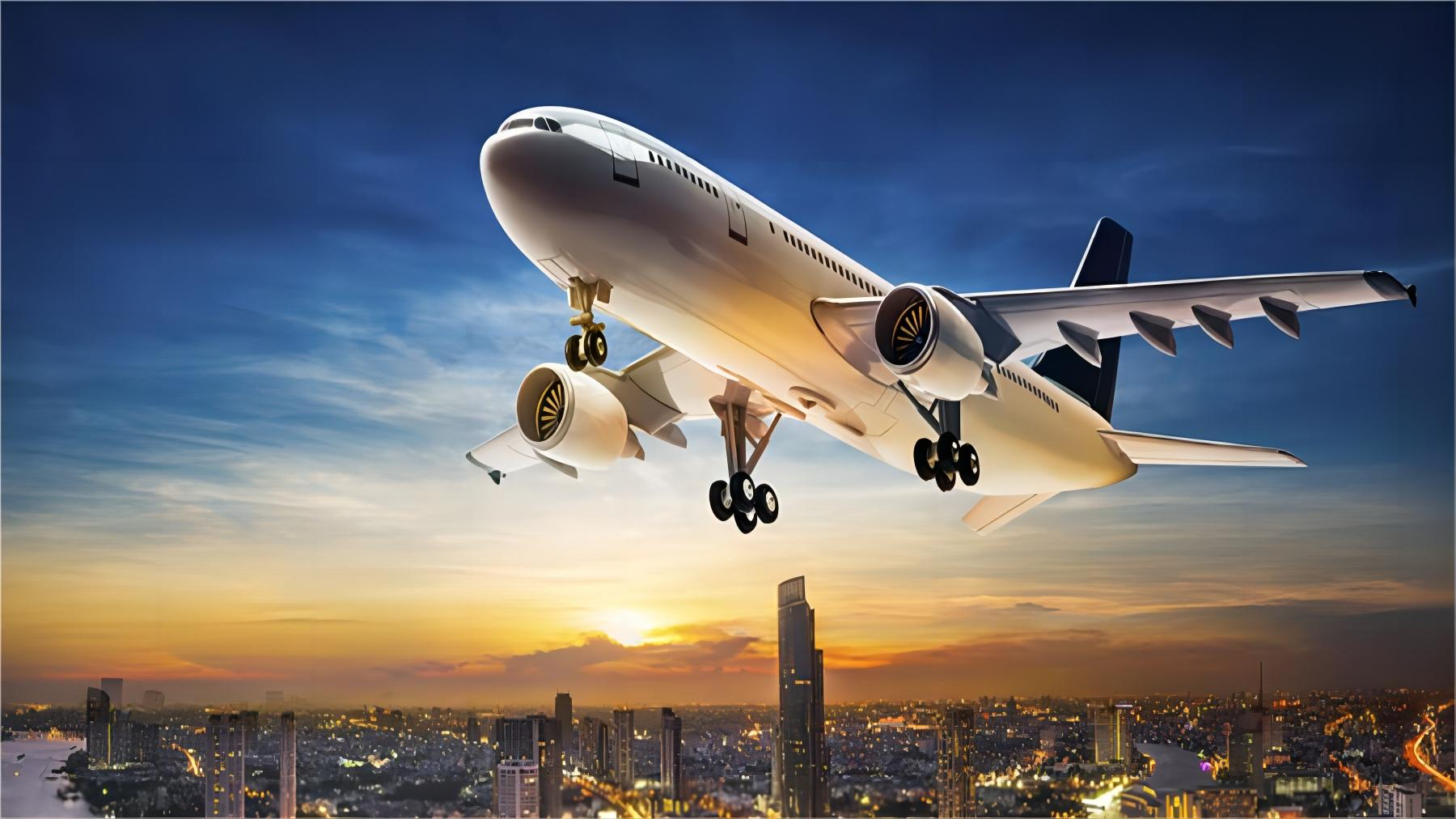
Real-World Case Studies for 2026 Logistics
Examining actual shipping scenarios provides valuable insight into the costs and timelines you can expect. These examples reflect the current market conditions and typical challenges faced by importers today.
Case Study 1: Electronics to USA West Coast. Route: Shenzhen to Los Angeles. Cargo: Consumer Electronics, 28 CBM, 4500 kg. Container: 20GP. Shipping Details: Direct via Maersk. Port of Loading: Shenzhen. Port of Discharge: Los Angeles. Cost Breakdown: Ocean Freight: $2,100; Origin Charges: $450; Destination Charges: $600; Customs: $300; Total Landed Cost: $3,450. Timeline: Booking to Loading: 3 days; Sea Transit: 16 days; Customs: 2 days; Total Door-to-Door: 21 days. Key Insight: Early booking during the 2026 peak season saved the client 15% on freight rates.
Case Study 2: Fashion Apparel to Europe. Route: Ningbo to Hamburg. Cargo: Clothing, 6 CBM, 1200 kg. Container: LCL. Shipping Details: Transshipment via Singapore. Port of Loading: Ningbo. Port of Discharge: Hamburg. Cost Breakdown: Ocean Freight: $480; Origin Charges: $200; Destination Charges: $350; Customs: $250; Total Landed Cost: $1,280. Timeline: Booking to Loading: 5 days; Sea Transit: 34 days; Customs: 3 days; Total Door-to-Door: 42 days. Key Insight: Consolidating multiple small orders into one LCL shipment reduced documentation fees significantly.
Case Study 3: Medical Supplies to Australia. Route: Shanghai to Sydney. Cargo: PPE Equipment, 2 CBM, 400 kg. Method: Air Freight. Shipping Details: Major Carrier. Port of Loading: Shanghai PVG. Port of Discharge: Sydney SYD. Cost Breakdown: Air Freight: $2,400; Origin Charges: $150; Destination Charges: $200; Customs: $180; Total Landed Cost: $2,930. Timeline: Booking to Loading: 1 day; Air Transit: 2 days; Customs: 1 day; Total Door-to-Door: 4 days. Key Insight: Urgent demand necessitated air freight, which delivered the goods 30 days faster than sea options. Visit shipping from China to Australia for more details.
Understanding the Cost Factors in 2026
Freight rates are influenced by a variety of dynamic factors that can change monthly. Fuel surcharges, also known as Bunker Adjustment Factors, fluctuate based on global oil prices. Additionally, seasonal demand spikes during the Golden Week in October and the Lunar New Year often lead to capacity shortages. Therefore, it is wise to plan your shipments at least 4-6 weeks in advance to secure the best pricing. Market data suggests that rates in early 2026 have stabilized but remain sensitive to geopolitical events.
Labor costs and port congestion also impact the final price of your china fcl lcl air freight door to door service. If a major port experiences a strike or a technical backlog, carriers often implement congestion surcharges. Moreover, last-mile delivery costs have risen due to increased driver wages and fuel expenses for local trucking. To mitigate these costs, many businesses are optimizing their packaging to reduce CBM and total weight. Note: Freight rates are subject to change based on fuel costs, carrier capacity, and seasonal demand. Contact us for a current quote tailored to your specific shipment.
Essential Documentation for Door to Door Freight
Proper documentation is the most important factor in avoiding customs delays and additional storage fees. The Commercial Invoice and Packing List are the primary documents required for every shipment. These must accurately detail the goods, their value, and the harmonized system (HS) codes. Furthermore, the Bill of Lading serves as the contract of carriage and the title to the goods. Without these documents, your shipment cannot be legally processed at either the origin or destination.
Specific products may require additional certifications, such as a Certificate of Origin or a CE declaration for electronics. When using a professional customs brokerage service, your agent will review these documents for compliance before the cargo departs. This proactive step prevents costly penalties and ensures a smooth transition through the port. Indeed, accurate paperwork is the fastest way to speed up your delivery schedule.
| Document Name | Status | Primary Purpose |
|---|---|---|
| Commercial Invoice | Required | Details value and parties |
| Packing List | Required | Details weight and dimensions |
| Bill of Lading | Required | Contract of transport |
| CO / Form E | Optional | For duty preferences |
| Insurance Policy | Recommended | Protects against cargo loss |
The Step-by-Step Door to Door Process
Starting the process begins with a detailed quote based on your cargo specifications and destination. Once you approve the rates, the freight forwarder coordinates with your supplier in China to arrange pickup. The goods are then transported to the nearest port or airport for export clearance. Meanwhile, the carrier prepares the necessary manifests and schedules the departure. This initial phase is critical for ensuring the cargo meets the vessel or flight cutoff times.
After the international transit, the focus shifts to the destination country’s procedures. Customs clearance occurs while the ship is docking or shortly after the plane lands. Once the goods are released, a local trucking company performs the final delivery to your specified address. Throughout this process, digital tracking tools provide real-time updates on the location of your shipment. Consequently, you can manage your inventory levels and customer expectations with high precision.
Logistics Trends and Market Intelligence for 2026
Industry trends in 2026 show a significant shift toward sustainable shipping and digital transparency. Many carriers are now offering carbon-neutral shipping options by utilizing biofuels or carbon offset programs. Additionally, the integration of AI in route optimization has helped reduce transit times by avoiding congested ports. Businesses that adopt these technological advancements often see a 10-15% improvement in their supply chain efficiency. Staying informed about these changes is essential for long-term success.
According to industry benchmarks, the use of hybrid solutions like sea-air freight is also on the rise. This strategy involves shipping goods by sea to a hub like Dubai or Singapore and then flying them to the final destination. This approach provides a balance between the low cost of sea freight and the speed of air transport. Furthermore, regional warehouses near major ports are becoming more common to facilitate faster last-mile delivery. As of Q1 2026, freight rates from China to Europe have stabilized after the 2025 disruptions, providing a more predictable environment for importers.
Mastering Your China FCL LCL Air Freight Door to Door Service
Successfully importing goods requires a deep understanding of the available transport modes and the costs involved. By choosing a china fcl lcl air freight door to door service, you simplify your operations and reduce the risk of logistical errors. We have explored the differences between sea and air options, the importance of accurate documentation, and the current market trends for 2026. Each shipping method offers unique benefits depending on your specific volume and urgency requirements.
Ultimately, the goal is to build a resilient supply chain that can adapt to changing market conditions. Partnering with an experienced freight forwarder provides the expertise needed to navigate customs and optimize transit times. As you plan your next shipment from China, remember to consider the total landed cost and the value of a seamless door to door experience. With the right strategy, your business can thrive in the competitive global marketplace.