
Sea Air Freight China Logistics Company Global: 2026 Shipping Guide
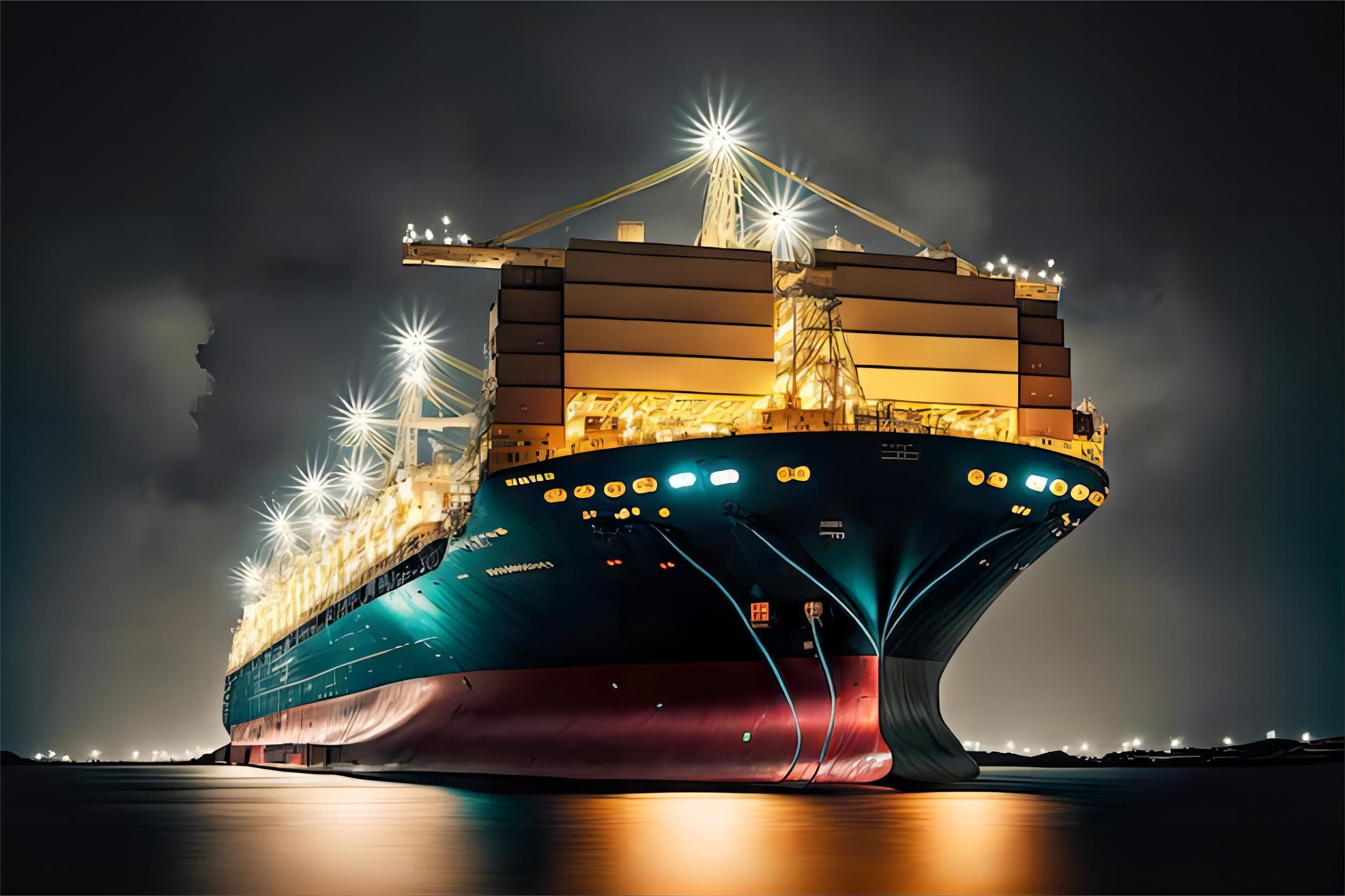
Finding a reliable sea air freight china logistics company global partner is essential for businesses navigating the complex trade lanes of 2026. As international markets evolve, companies must secure efficient transport routes that balance cost-effectiveness with speed. You can optimize your entire supply chain by partnering with a professional provider like DSV-Freight to handle your most critical shipments.
What Defines a Leading Sea Air Freight China Logistics Company Global Provider?
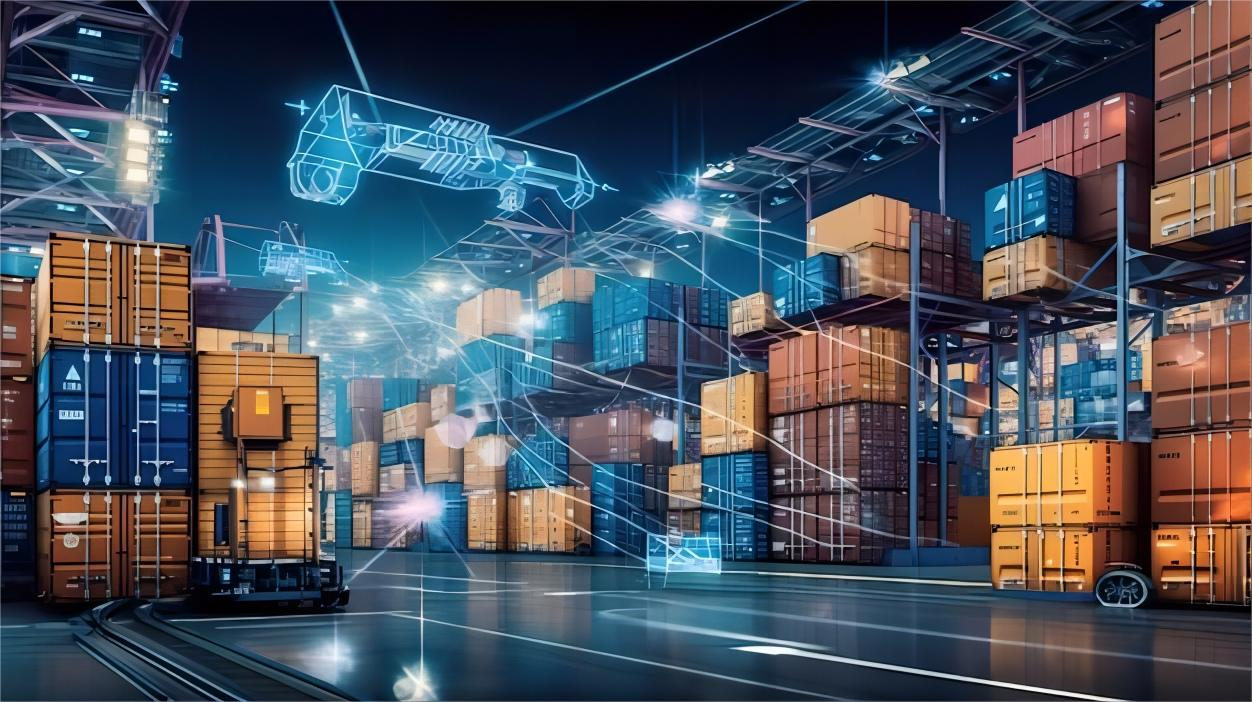
A top-tier logistics firm must demonstrate extensive reach across major continents while maintaining deep local expertise within Chinese manufacturing hubs. In 2026, the ability to pivot between different transport modes is more valuable than ever due to fluctuating fuel prices and port conditions. Therefore, choosing a partner with a robust network ensures your cargo remains in motion regardless of regional disruptions.
Moreover, advanced tracking technology and transparent communication have become industry standards for global shipping operations. Successful companies integrate real-time data to provide clients with accurate arrival estimates and proactive delay notifications. Consequently, this level of visibility allows businesses to manage inventory more effectively and meet demanding customer expectations.
Additionally, environmental sustainability is now a core component of global logistics strategies. Many providers are adopting greener fuels and optimizing routes to reduce carbon footprints in line with 2026 regulations. Meanwhile, cost management remains a priority, requiring a delicate balance between eco-friendly practices and competitive freight rates.
How Does Sea Freight Compare to Other Shipping Options?
When evaluating transport methods, sea freight remains the most economical choice for high-volume shipments. Although it offers the longest transit times, the cost per unit is significantly lower than air or express alternatives. As a result, many businesses plan their inventory cycles months in advance to leverage these savings.
On the other hand, air freight serves as the premium option for time-sensitive or high-value goods. While the investment is higher, the speed of delivery can be a decisive factor in maintaining market share for electronics or fashion items. Furthermore, rail freight has emerged as a viable middle ground for specific land-based routes, offering a compromise between cost and speed.
To help you decide, consider the following comparison of the primary shipping methods available from China in 2026.
| Shipping Method | Cost Range | Transit Time | Best For |
|---|---|---|---|
| Sea Freight (FCL) | $2,500 – $4,500 | 25-40 Days | Bulk Goods |
| Air Freight | $5.50 – $9.00/kg | 3-7 Days | Urgent Cargo |
| Rail Freight | $1,800 – $3,000 | 18-22 Days | Europe Routes |
| Express Service | $8.00 – $12.00/kg | 2-4 Days | Small Parcels |
What are the Primary Benefits of Air Freight for Urgent Cargo?
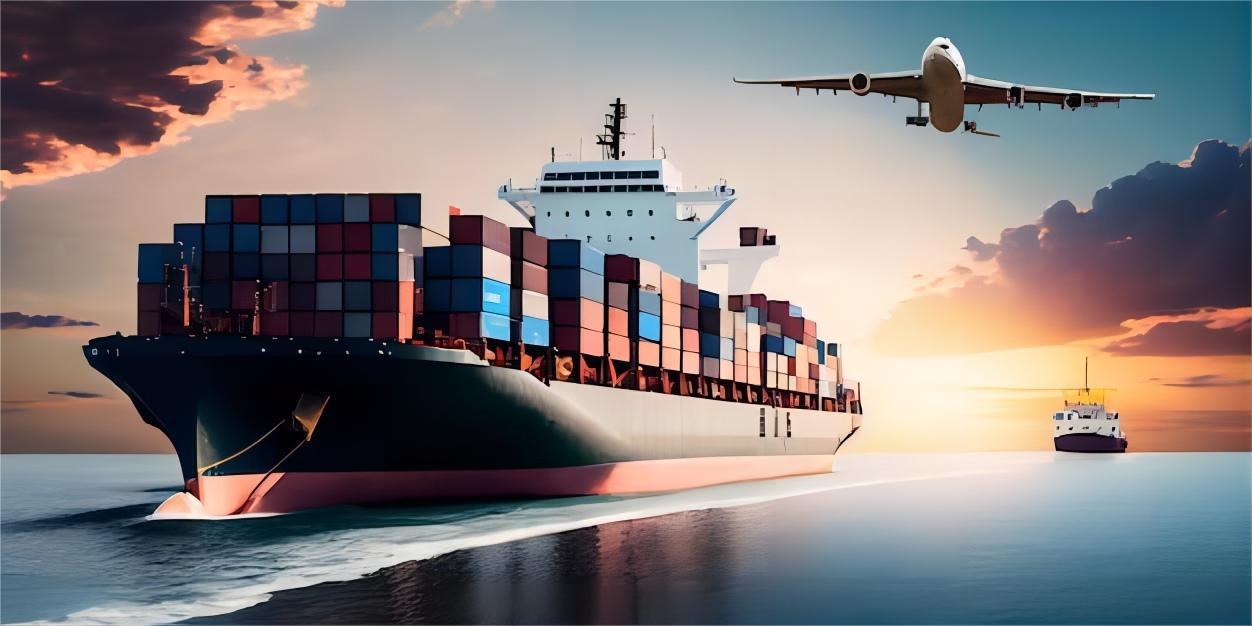
Utilizing air freight provides unparalleled speed for businesses that cannot afford lengthy transit delays. In the fast-paced market of 2026, launching a new product often requires the immediate replenishment of stock that only air transport can provide. Indeed, the reduced transit time also minimizes the risk of cargo damage or theft during long voyages.
Furthermore, air transport simplifies the logistics chain by requiring less packaging compared to sea voyages. Because the cargo spends less time in transit, there is a lower requirement for heavy-duty protective materials, which can slightly offset the higher freight costs. Consequently, businesses often see a reduction in insurance premiums due to the shorter exposure to potential risks.
However, it is vital to monitor weight and volume closely, as air carriers charge based on chargeable weight. Therefore, optimizing your packaging to reduce empty space is essential for maintaining a healthy bottom line. Meanwhile, many companies use air freight as a fallback strategy when sea shipments encounter unexpected port congestion.
Can Rail Freight Serve as a Middle Ground for China-Europe Routes?
For shipments traveling from China to the European continent, rail freight offers a unique strategic advantage. It is significantly faster than sea transport while remaining much cheaper than sending goods by air. As a result, it has become a favorite for automotive parts and industrial machinery manufacturers who need reliable schedules.
In addition, the stability of rail schedules in 2026 makes it an attractive option for seasonal planning. Unlike sea freight, which can be affected by weather conditions or canal blockages, rail routes through Central Asia provide a consistent flow of goods. Nevertheless, it is important to note that rail is not an option for island nations like Australia or the United States.
Accordingly, businesses must evaluate their destination’s geography before committing to a rail-based strategy. For those on the Eurasian landmass, rail provides a sustainable and efficient alternative that balances the budget with the need for speed. Meanwhile, the development of new rail hubs in Western China continues to improve transit times for inland manufacturers.
How Do You Calculate International Shipping Costs and Transit Times?
Accurately estimating your landed cost is a critical step in maintaining profitability for international trade. Freight rates are influenced by several factors, including fuel surcharges, seasonal demand, and carrier capacity. For instance, rates typically spike during the peak season from August to October as retailers prepare for end-of-year holidays.
Moreover, transit times vary based on the specific port of loading and the final destination. A direct route from Shanghai to Los Angeles will naturally be faster than a transshipment route involving multiple stops. Therefore, always verify if your chosen service is direct or involves transshipment when comparing quotes from different providers.
The table below outlines typical transit times and costs for major global routes as of early 2026.
| Route | Method | Transit Time | Est. Cost (20GP) |
|---|---|---|---|
| China to USA West | Sea Freight | 14-18 Days | $1,600 – $2,300 |
| China to Europe | Sea Freight | 30-35 Days | $2,000 – $2,800 |
| China to Australia | Sea Freight | 12-18 Days | $900 – $1,300 |
| China to UK | Air Freight | 4-6 Days | $6.00 – $8.50/kg |
What Documentation is Required for Global Logistics Success?
Navigating the customs brokerage process is often the most challenging aspect of international shipping. Incorrect documentation can lead to significant delays, additional storage fees, and even legal penalties. Consequently, ensuring that every invoice, packing list, and certificate of origin is accurate is paramount for a smooth delivery.
Additionally, different countries have specific requirements for certain types of cargo, such as electronics or food products. In 2026, many customs authorities have moved toward digital-only filings, requiring shippers to use compatible software or experienced brokers. Furthermore, staying updated on changing tariff codes is essential to avoid overpaying duties.
To simplify your preparation, use this checklist of essential documents for most global shipments.
| Document Name | Purpose | Required By | Primary Data |
|---|---|---|---|
| Commercial Invoice | Valuation | Customs | Price, Qty, HS Code |
| Packing List | Verification | Carrier/Customs | Weight, Dimensions |
| Bill of Lading | Title of Goods | Carrier | Shipper/Consignee |
| Cert. of Origin | Duty Calculation | Customs | Manufacturing Site |
Why Should You Consider Door to Door Solutions for Global Trade?
Opting for door to door services eliminates the stress of managing multiple logistics providers. With this model, your logistics partner handles everything from the factory pickup in China to the final delivery at your warehouse. Indeed, this integrated approach often results in better communication and fewer hand-off errors.
Moreover, door-to-door shipping provides a single point of accountability for your entire shipment. If a delay occurs at any stage, you only need to contact one company to get an update or resolve the issue. Consequently, this saves valuable time for business owners who would otherwise be coordinating between truckers, brokers, and carriers.
Furthermore, many 2026 logistics trends point toward increased demand for these ‘all-inclusive’ solutions. As global trade becomes more complex, the simplicity of a single quote covering all costs is highly attractive. Meanwhile, it allows businesses to focus on sales and marketing rather than the minutiae of cargo handling.
Realistic Case Studies: Global Logistics in Action
Case Study 1: Solar Panel Distribution
Route: Ningbo, China to Rotterdam, Netherlands. Cargo: Grade A Solar Panels, 68 CBM, 14,500 kg. Container: 1 x 40HQ. Shipping Details: Major carrier, Direct route. Cost Breakdown: Ocean Freight $3,200, Origin Charges $450, Destination Charges $600, Customs and Duties $1,200. Total Landed Cost: $5,450. Timeline: Booking to Loading 4 days, Sea Transit 32 days, Customs Clearance 2 days. Total Door-to-Door: 38 days. Key Insight: Early booking during the Q1 2026 lull saved the client 15 percent compared to peak rates.
Case Study 2: High-End Electronics Launch
Route: Shenzhen, China to Chicago, USA. Cargo: Smart Home Devices, 4 CBM, 850 kg. Method: Air Freight. Shipping Details: Major airline via HKG. Cost Breakdown: Air Freight $5,100, Pickup and Handling $300, Customs Clearance $250, Final Mile Delivery $400. Total Cost: $6,050. Timeline: Pickup to Flight 2 days, Air Transit 18 hours, Customs and Delivery 2 days. Total Door-to-Door: 5 days. Key Insight: Using air freight allowed the client to meet a strict retail launch date that sea freight would have missed by three weeks.
Case Study 3: Furniture Retailer Expansion
Route: Foshan, China to Sydney, Australia. Cargo: Luxury Sofas, 28 CBM. Container: 1 x 20GP. Shipping Details: Direct sea service. Cost Breakdown: Ocean Freight $1,100, Origin Fees $350, Destination Fees $500, Duties $450. Total Landed Cost: $2,400. Timeline: Transit 16 days, Total Door-to-Door 24 days. Key Insight: Consolidating multiple suppliers into one 20GP container reduced shipping costs by 30 percent compared to LCL.
Note: Freight rates are subject to change based on fuel costs, carrier capacity, and seasonal demand. Contact us for a current quote tailored to your specific shipment.
Which Shipping Option Should You Choose for Your Business?
Choosing the right method depends largely on your specific business priorities and the nature of your cargo. If your primary goal is budget optimization and you have flexible timelines, sea freight is undoubtedly the best choice. However, if you are dealing with perishable goods or urgent contract deadlines, air freight is the only viable path.
Furthermore, consider a hybrid approach for maximum efficiency. Some businesses ship 80 percent of their stock via sea to keep costs low while using air freight for the remaining 20 percent to handle unexpected surges in demand. Consequently, this strategy ensures product availability without overextending the shipping budget.
To summarize, evaluate your volume thresholds. For shipments under 100kg, express services are often the most sensible. For 100kg to 500kg, air freight becomes competitive. For anything over 15 CBM, a full container via sea freight usually offers the best value for your 2026 logistics needs.
Final Thoughts on Global Logistics Success
In conclusion, mastering the nuances of a sea air freight china logistics company global operation is vital for any business involved in international trade. By understanding the trade-offs between speed and cost, you can make informed decisions that protect your margins. Remember to stay updated on the latest logistics trends and maintain flexible shipping strategies.
Whether you choose the economy of sea freight or the speed of air transport, the key to success lies in choosing a partner who understands the 2026 market landscape. Proactive planning and accurate documentation will always be your best tools for avoiding delays. Start optimizing your global shipping today to ensure your business remains competitive on the world stage.

Need a tailored shipping solution?
Managing a global supply chain requires precision and expertise. If you are looking for a reliable sea air freight china logistics company global partner to streamline your 2026 operations, our team is ready to help. Visit our website to request a customized quote or Send Inquiry here: