China Warehouse Fulfillment Amazon FBA Prep Service: 2026 Guide
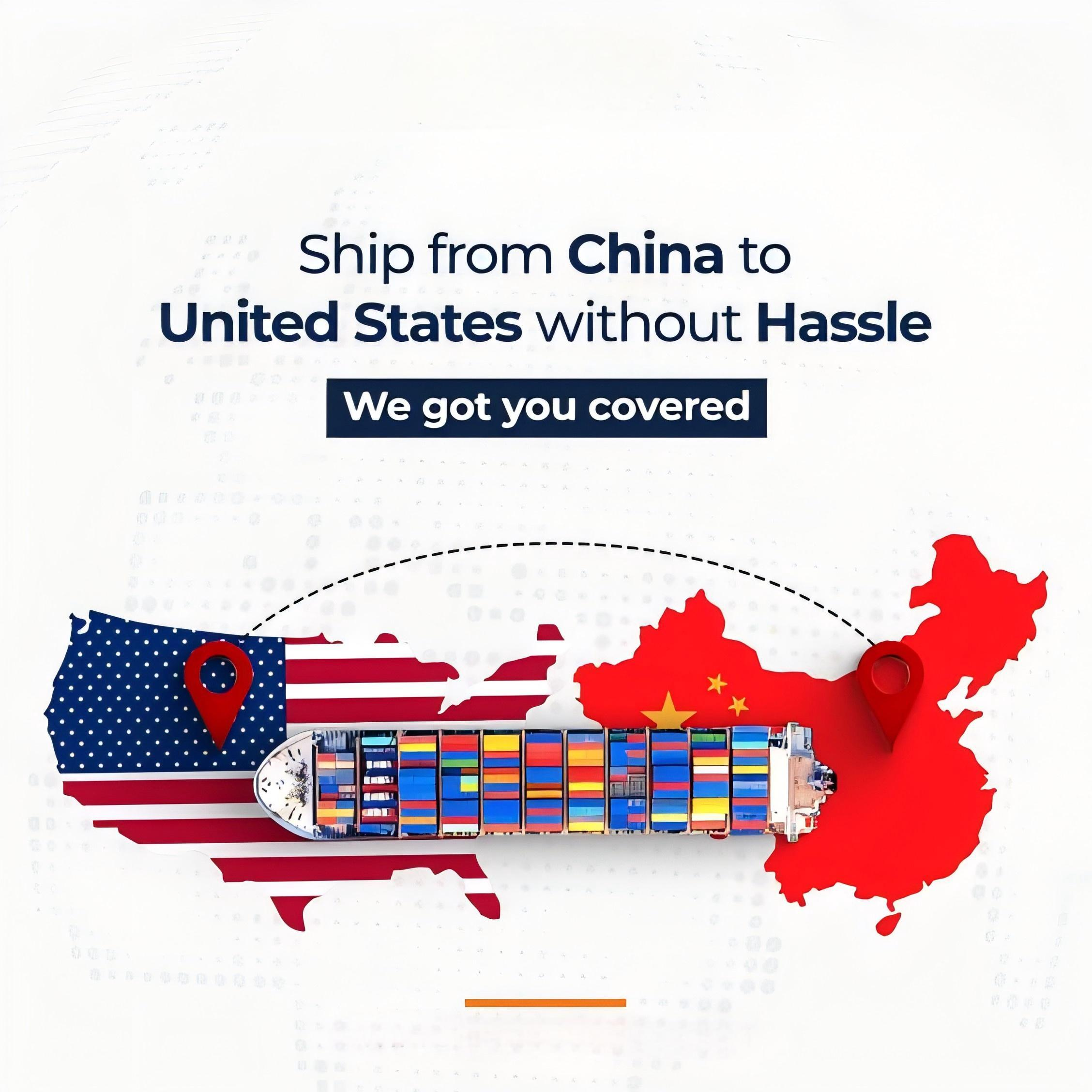
Managing an e-commerce business requires a seamless logistics strategy to maintain high seller ratings and customer satisfaction. Many successful sellers now utilize a china warehouse fulfillment amazon fba prep service to handle inventory before it ever reaches the destination country. By centralizing operations in China, you can significantly reduce overhead costs while ensuring every product meets strict Amazon standards.

What is a China Warehouse Fulfillment Amazon FBA Prep Service?
A specialized fulfillment center in China acts as an intermediary between your manufacturers and Amazon fulfillment centers. These facilities offer comprehensive services including product inspection, labeling, packaging, and bundling to ensure compliance with Amazon FBA requirements. Furthermore, using a Amazon FBA prep provider in China allows you to catch quality issues at the source.

Consequently, you avoid the high costs of shipping defective inventory across the ocean only to have it rejected by Amazon. These warehouses are strategically located near major manufacturing hubs like Shenzhen, Ningbo, and Guangzhou. Specifically, they provide a buffer for your supply chain, allowing for better inventory management and faster restocking during peak seasons.
Moreover, these services often include short-term storage, which is much cheaper than Amazon’s storage fees. Many sellers find that consolidation of multiple supplier orders into a single shipment is the most valuable feature. This approach optimizes container space and reduces the overall cost per unit significantly.
How Does China Warehouse Prep Compare to Other Shipping Options?
Choosing between prepping in China or at the destination depends on your budget, speed requirements, and cargo volume. While US-based prep centers offer proximity to the final warehouse, they often charge three to five times more for labor-intensive tasks like labeling and poly-bagging. In contrast, China-based services leverage lower labor costs to provide the same level of accuracy.
Regarding shipping methods, you must decide between speed and cost. While sea freight is the most economical choice for large volumes, it requires longer lead times. Air freight offers rapid replenishment but can erode profit margins for low-cost items. Hybrid solutions like sea-to-door or express services provide a middle ground for many growing brands.
Market data from early 2026 suggests that sellers who prep in China save an average of 15% on their total landed cost. This saving comes from reduced labor fees and optimized shipping configurations. However, you must account for the additional 3-5 days added to the China-side timeline for the prep work to be completed.
| Shipping Method | Cost Range | Transit Time | Best For |
|---|---|---|---|
| Express Shipping | USD 7.00 – 12.00 per kg | 3 – 6 Days | Urgent Restocks |
| Air Freight | USD 4.50 – 8.50 per kg | 7 – 12 Days | High-Value Goods |
| Sea Freight LCL | USD 80 – 150 per CBM | 25 – 40 Days | Mid-Sized Batches |
| Sea Freight FCL | USD 2,500 – 4,500 per 40HQ | 22 – 35 Days | Large Inventory |
Essential FBA Prep Services Offered in China
Standard labeling is the foundation of any FBA prep service. Every unit must have a scannable FNSKU label that matches the Amazon listing precisely. Additionally, warehouses provide suffocation warning labels for poly bags and heavy package warnings for boxes exceeding weight limits. Professional prep centers use high-quality thermal printers to ensure labels remain legible during transit.
Visual inspection is another critical component of the fulfillment process. Workers check for external damage, correct color variants, and functional defects before the goods leave China. If a batch is found to be faulty, the supplier can easily replace the items without the complexity of international returns. This step protects your seller account health and reduces negative reviews.
Bundling and kitting allow you to create unique product offerings that stand out from competitors. For example, you can combine a main product with an accessory from a different supplier into a single custom-branded box. Furthermore, these warehouses can handle fragile item wrapping and vacuum sealing to optimize space and protect your investment during the long journey.
Case Study 1: Electronics Shipment to California
Origin and Destination: Shenzhen, China to Los Angeles, USA. Cargo: Smart Home Cameras, 12 CBM, 2,800 kg. Container: LCL (Less than Container Load). Carrier: Major Ocean Carrier. Port of Loading: Shenzhen. Port of Discharge: Los Angeles. Route Type: Direct.
Cost Breakdown: Ocean Freight: USD 1,450. Origin Charges: USD 400. Destination Charges: USD 550. Customs and Duties: USD 1,200. Total Landed Cost: USD 3,600. Timeline: Booking to Loading: 3 days. Sea Transit: 16 days. Customs Clearance: 3 days. Total Door-to-Door: 22 days.
Key Insight: By using a China warehouse fulfillment Amazon FBA prep service, the seller identified 50 defective units during inspection. These were replaced by the Shenzhen supplier within 48 hours, preventing 50 potential negative reviews on Amazon US. Based on Q1 2026 market rates.
Maximizing Efficiency with Air and Sea Freight Strategies
Inventory planning requires a balance between different shipping modes to maintain stock levels. Many sellers utilize air freight for new product launches or to bridge gaps when sea shipments are delayed. This strategy ensures that the Buy Box is never lost due to stockouts. Meanwhile, the bulk of inventory is moved via ocean to keep margins healthy.
Container pricing has stabilized in 2026, making FCL (Full Container Load) shipments highly attractive for established brands. If you can fill a 20GP or 40HQ container, the cost per unit drops dramatically compared to LCL. Additionally, FCL shipments generally face fewer delays at the port because they do not require deconsolidation at the destination warehouse.
Transit times vary significantly based on the port of entry and the final Amazon fulfillment center location. For instance, shipping to the US West Coast is much faster than shipping to the East Coast via the Panama Canal. Therefore, choosing a prep center that can optimize your shipping route based on Amazon’s designated warehouse is vital for success.
Case Study 2: Home Decor to Germany
Origin and Destination: Ningbo, China to Hamburg, Germany. Cargo: Ceramic Vases, 8 CBM, 1,500 kg. Container: LCL. Carrier: Maersk. Port of Loading: Ningbo. Port of Discharge: Hamburg. Route Type: Direct via Suez Canal.
Cost Breakdown: Ocean Freight: USD 1,100. Origin Charges: USD 350. Destination Charges: USD 600. Customs and Duties: USD 900. Total Landed Cost: USD 2,950. Timeline: Booking to Loading: 4 days. Sea Transit: 32 days. Customs Clearance: 4 days. Total Door-to-Door: 40 days.
Key Insight: The seller saved USD 800 in prep fees by having the China warehouse apply fragile stickers and custom inserts. Typical rates as of early 2026 indicate that LCL remains the most cost-effective way for mid-sized home decor shipments to Europe.

Navigating Customs and Documentation for FBA Shipments
International shipping involves complex paperwork that must be handled with precision to avoid port delays. A professional customs brokerage service ensures that your commercial invoice, packing list, and bill of lading are all in order. They also help classify your products under the correct HTS codes to ensure you pay the proper duty rates.
Compliance with Amazon’s Import of Record (IOR) policies is another critical factor. Amazon will not act as the importer for your goods, so you must have a legal entity or a third-party service to handle this responsibility. Consequently, having a prep partner who understands these legal requirements is essential for non-resident sellers.
Documentation errors are the leading cause of shipment seizures and fines. Therefore, your prep center should provide a final double-check of all labels and paperwork before the container is sealed. This proactive approach minimizes the risk of your inventory being held at the border for weeks on end.
Which Option Should You Choose? Decision Framework
Determining the right logistics path depends on several business variables. If your primary goal is budget priority, you should recommend sea freight combined with China-based prep. This combination offers the lowest cost per unit and maximizes your profit margins on high-volume items. Conversely, if speed is your priority for a hot product, air express is the only viable choice.
Cargo type considerations also play a role in your decision. Fragile or high-value items benefit from the extra layer of inspection and specialized packaging provided by a China fulfillment center. For heavy or bulky items, the savings on domestic shipping within the destination country (by shipping directly to the closest FBA warehouse) can be substantial.
Volume thresholds often dictate when you should switch from LCL to FCL. Generally, once your shipment exceeds 15 CBM, a 20GP container becomes more economical. Market intelligence for 2026 suggests that consolidating multiple small orders into one FCL shipment can save up to 30% on total logistics costs.
| Priority | Recommended Method | Prep Location | Key Benefit |
|---|---|---|---|
| Lowest Cost | Sea Freight FCL | China Warehouse | Maximum Margin |
| Fastest Delivery | Air Express | China Warehouse | Zero Stockouts |
| Balanced | Sea Freight LCL | China Warehouse | Scalability |
| New Launch | Air Freight | China Warehouse | Market Testing |
The Role of Door to Door Logistics in FBA Success
Simplified logistics chains reduce the management burden on e-commerce entrepreneurs. A door to door service handles everything from the factory pickup to the final delivery at the Amazon warehouse. This all-inclusive model provides a single point of contact and one transparent invoice for the entire journey.
Furthermore, these services often include DDP (Delivered Duty Paid) options, where the freight forwarder handles all taxes and duties upfront. This is particularly helpful for sellers who want to avoid the headache of managing foreign tax authorities. Indeed, the peace of mind provided by an end-to-end solution allows you to focus on marketing and product development.
Logistics trends in 2026 show a shift toward these integrated solutions as sellers seek to minimize supply chain disruptions. By combining warehouse fulfillment with reliable transport, you create a resilient system that can adapt to changing market conditions. Note: Freight rates are subject to change based on fuel costs, carrier capacity, and seasonal demand. Contact us for a current quote tailored to your specific shipment.
Mastering Your FBA Supply Chain
In conclusion, leveraging a china warehouse fulfillment amazon fba prep service is a strategic move for any serious Amazon seller. By handling prep tasks at the source, you reduce costs, improve quality control, and streamline the entire shipping process. Whether you choose sea or air freight, the benefits of professional inspection and labeling cannot be overstated.
As market conditions evolve in 2026, maintaining a flexible and efficient logistics strategy will remain a key competitive advantage. Focus on building a partnership with a reliable fulfillment provider to ensure your products always reach Amazon warehouses in perfect condition. This proactive approach will ultimately lead to better reviews, higher rankings, and increased sales.
Need a tailored shipping solution?
Streamline your supply chain today with a professional china warehouse fulfillment amazon fba prep service. Our team ensures your inventory is compliant, inspected, and shipped using the most cost-effective methods available in 2026. Send Inquiry to get a custom quote and optimize your Amazon business for maximum profit.