
How to Arrange Full Container Load China Factories Shipping into Estonia
Importing goods from East Asia requires a strategic approach to ensure your supply chain remains efficient and cost-effective. Navigating the complexities of how to arrange full container load China factories shipping into Estonia involves understanding logistics networks, carrier schedules, and local regulations. By partnering with a reliable partner like DSV-Freight, businesses can streamline their international trade operations from the factory floor to the final destination in Tallinn or beyond. This guide provides a comprehensive roadmap for securing your cargo and optimizing your shipping budget.
What is Full Container Load Shipping for the Estonia Route?
Full Container Load, commonly known as FCL, refers to a shipping arrangement where an entire container is dedicated to a single importer. This method is particularly beneficial for businesses moving large volumes of goods from Chinese industrial hubs to Estonian markets. Unlike shared shipments, FCL offers enhanced security because the container remains sealed from the point of origin until it reaches the consignee.
Moreover, choosing FCL often results in faster transit times compared to Less than Container Load options. Since the container does not need to be consolidated or deconsolidated at intermediate hubs, the risk of damage or loss is significantly reduced. Consequently, importers can better predict their delivery schedules and maintain consistent inventory levels.
Additionally, FCL provides a more straightforward pricing structure for high-volume shipments. While the total cost is higher than LCL, the cost per unit of cargo is typically much lower when the container is utilized efficiently. Therefore, businesses frequently opt for sea freight FCL to maximize their profit margins on bulk orders.
How to Arrange Full Container Load China Factories Shipping into Estonia Step by Step
Initiating the process requires clear communication with your Chinese suppliers to determine the exact volume and weight of your goods. You must first confirm the cargo ready date to align with the vessel departure schedules from major ports like Ningbo or Shenzhen. Without a doubt, early booking is essential during peak seasons to secure space on the most reliable carriers.
Furthermore, you should select a freight forwarder that specializes in the Northern European corridor. This partner will coordinate with the factory to arrange the empty container pickup and ensure the loading process follows safety protocols. Meanwhile, they will handle the necessary export documentation required by Chinese customs authorities.
Subsequently, the loaded container is transported to the port of loading where it undergoes security screening and terminal handling. Once the vessel departs, you will receive a Bill of Lading, which serves as a title to the goods. Indeed, tracking your shipment throughout its journey across the Indian Ocean and through the Suez Canal is vital for planning your local logistics in Estonia.
Choosing the Right Container Size: 20GP vs 40HQ
Selecting the appropriate container size is a critical decision that impacts both your shipping costs and cargo safety. The 20GP container is ideal for heavy, dense materials like machinery parts or mineral products. In contrast, the 40HQ container offers significantly more volume, making it the preferred choice for lightweight but bulky items such as furniture or electronics.
Specifically, a 20GP container can hold approximately 28 to 30 cubic meters of goods. On the other hand, a 40HQ container accommodates about 75 to 76 cubic meters, providing nearly double the capacity for a relatively small price increase. Accordingly, most importers calculate their total volume before deciding which equipment type best suits their specific needs.
Furthermore, weight limits must be strictly observed to avoid penalties at both the origin and destination ports. Estonian road weight regulations are stringent, so you must ensure the total weight of the container and truck does not exceed local limits. To summarize, balancing volume and weight is the key to cost-effective FCL shipping.
| Container Type | Capacity (CBM) | Max Payload (KG) | Best For |
|---|---|---|---|
| 20GP (Standard) | 28-30 CBM | 21,000 KG | Heavy/Dense Goods |
| 40GP (Standard) | 56-58 CBM | 26,000 KG | General Cargo |
| 40HQ (High Cube) | 75-76 CBM | 26,000 KG | Bulky/Light Goods |
How Does FCL Compare to Other Shipping Options?
Evaluating alternative methods is necessary to ensure you are using the most efficient logistics strategy for your business. While FCL is the standard for large shipments, rail freight has emerged as a viable middle ground between sea and air. It offers faster transit times than the ocean route while remaining more affordable than traditional air transport.
For instance, sea freight from China to Estonia typically takes 35 to 45 days. In comparison, rail shipments via the Silk Road route can arrive in Tallinn within 18 to 22 days. However, rail freight costs are generally 30% to 50% higher than sea freight, making it more suitable for time-sensitive or higher-value commodities.
Additionally, air freight remains the fastest option for urgent cargo, usually reaching Estonia in 5 to 7 days. Nevertheless, the cost of air transport is often prohibitive for large volumes, sometimes costing ten times more than an FCL container. Therefore, most businesses reserve air freight for samples or critical spare parts only.
| Shipping Method | Cost Range (USD) | Transit Time | Best For |
|---|---|---|---|
| Sea Freight (FCL) | $3,000 – $4,500 | 35-45 Days | Bulk Shipments |
| Rail Freight | $5,000 – $7,500 | 18-22 Days | Mid-Value Goods |
| Air Freight | $15,000 – $25,000 | 5-7 Days | Urgent/High-Value |
| LCL (Per CBM) | $80 – $150 | 40-50 Days | Small Batches |
Customs Clearance and Documentation in Estonia
Navigating the Estonian customs landscape requires precision and a thorough understanding of EU import regulations. You must ensure that all commercial invoices, packing lists, and certificates of origin are accurately prepared before the vessel arrives. Consequently, many importers utilize professional customs brokerage services to prevent costly delays at the Port of Muuga.
Moreover, Estonia uses the TARIC system to determine the duty rates and VAT applicable to your specific products. It is important to note that the standard VAT rate in Estonia is 22%, which is calculated based on the CIF value of the goods plus duties. Additionally, certain products may require specific CE marking or safety certifications to enter the European market.
Furthermore, the Electronic Customs Information System (EMAS) allows for digital filing of import declarations. This streamlined process enables faster clearance, often allowing containers to be released within hours of arrival if all paperwork is in order. To summarize, proactive documentation management is the most effective way to avoid storage fees and demurrage charges.
Major Ports and Logistics Hubs for Estonia Shipments
Identifying the most efficient ports of loading in China can significantly influence your overall transit time and local handling costs. Shanghai and Ningbo are the primary gateways for shipments destined for Northern Europe due to their high frequency of direct sailings. Similarly, Shenzhen and Guangzhou serve as vital hubs for factories located in the Pearl River Delta region.
On the destination side, the Port of Muuga near Tallinn is the largest and deepest cargo port in Estonia. It handles the majority of FCL containers entering the country and offers excellent connections to the regional road network. Meanwhile, the Port of Paldiski serves as an alternative for specific types of cargo, including automotive and heavy machinery.
Additionally, many shipments to Estonia are transshipped through major European hubs like Rotterdam, Hamburg, or Bremerhaven. While this can add a few days to the transit time, it often provides more competitive freight rates due to the high volume of traffic on these routes. Indeed, a well-planned door to door strategy considers these transshipment options to balance speed and cost.
Case Studies: Real-World FCL Shipping to Estonia
Analyzing real-world scenarios helps importers understand the practical challenges and costs associated with the China-Estonia route. These cases reflect market conditions from the current year and provide a benchmark for your own logistics planning. Furthermore, they highlight the importance of choosing the right shipping method for different product types.
Case Study 1: Electronics from Shenzhen to Tallinn. A tech company imported a 40HQ container of consumer electronics. The cargo was shipped via sea freight with a total transit time of 42 days. By using a direct carrier, they avoided additional handling risks during transshipment, resulting in a total landed cost of approximately $4,800 excluding duties.
Case Study 2: Textiles from Ningbo to Tartu. A retail chain opted for a 20GP container for their seasonal clothing line. They utilized a rail freight solution to meet a tight marketing deadline. The shipment arrived in 20 days, allowing them to launch their collection on time. Although the freight cost was $6,200, the speed advantage justified the higher expense compared to the ocean route.
Cost-Saving Strategies for FCL Importers
Reducing your total logistics spend requires a combination of smart planning and negotiation with your service providers. One effective strategy is to optimize your container loading to ensure you are not paying for empty space. For instance, using floor loading instead of palletizing can increase the volume of goods per container by up to 15%.
Moreover, you should consider the timing of your bookings to avoid peak season surcharges. Freight rates typically spike in the weeks leading up to the Chinese New Year and during the Q3 peak season. Consequently, scheduling your shipments during the slack periods in Q2 can lead to substantial savings on ocean freight rates.
Additionally, negotiating longer free time for demurrage and detention at the destination port can protect you from unexpected costs. If customs clearance takes longer than expected, having 14 days of free time instead of the standard 7 can save hundreds of Euros. Therefore, always discuss these terms with your freight forwarder during the quotation stage.
Mastering the Logistics of China to Estonia FCL Shipping
Successfully managing how to arrange full container load China factories shipping into Estonia requires a deep understanding of the global logistics landscape. By selecting the right container size, choosing the optimal shipping route, and ensuring meticulous documentation, businesses can maintain a competitive edge in the Estonian market.
Furthermore, staying informed about market trends and maintaining strong relationships with freight partners are essential for long-term success. Whether you prioritize cost or speed, the strategies outlined in this guide will help you navigate the complexities of international trade with confidence. Ultimately, a well-executed FCL strategy is the backbone of a resilient and profitable import business.
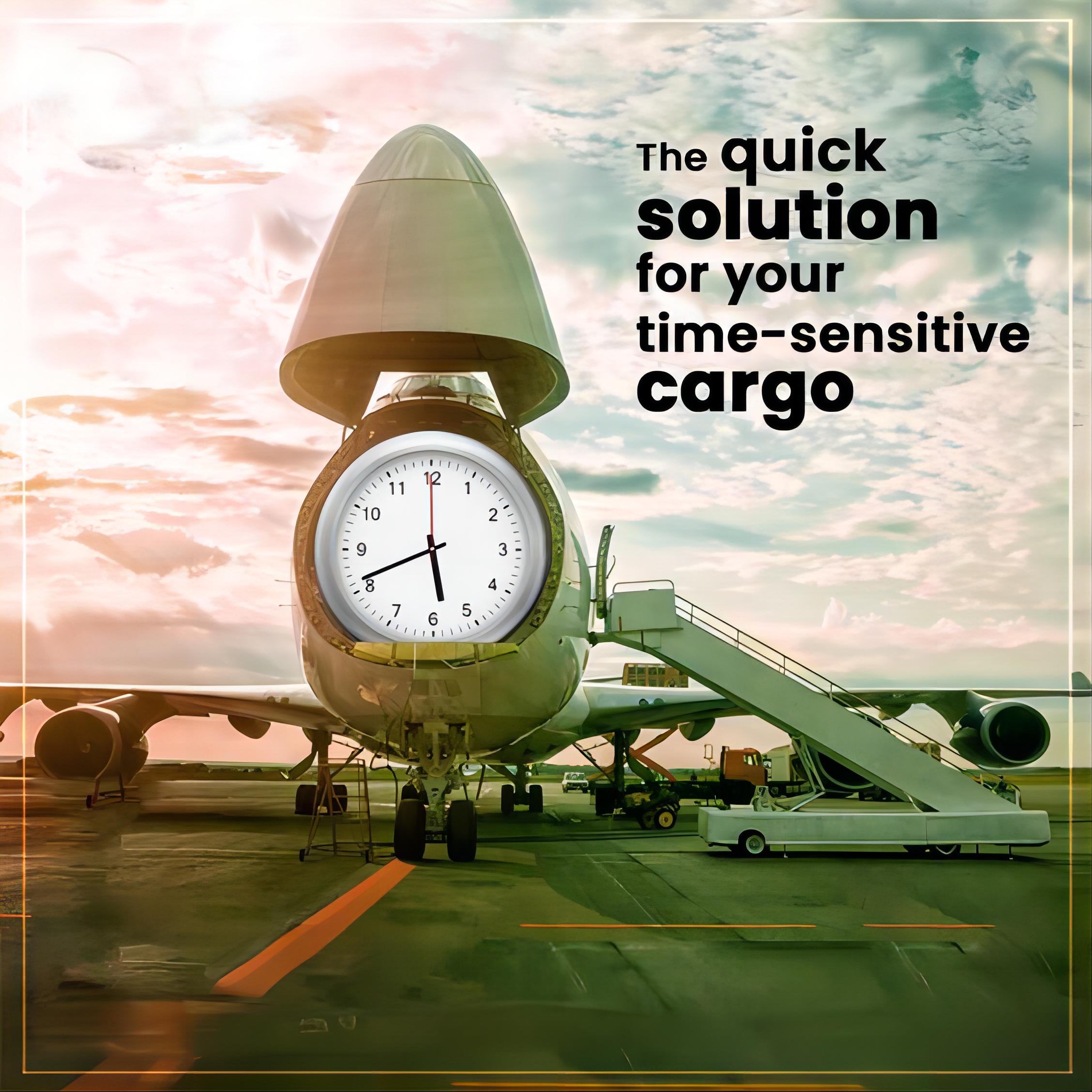
Ready to streamline your logistics?
Planning your next shipment from China to Estonia? Contact our expert team today to get a customized quote for your FCL needs. Let us help you optimize your supply chain and handle the complexities of how to arrange full container load China factories shipping into Estonia. Visit DSV-Freight to start your inquiry now.
Request Quote