

Best Method for Shipping Auto Parts from China to Estonia using Air Freight
Identifying the best method for shipping auto parts from China to Estonia using air freight is a critical decision for automotive businesses seeking speed and reliability. Many importers struggle with the complexities of international logistics, yet air transport offers a streamlined solution for urgent components. Consequently, choosing a professional logistics partner like alibabafreight.com ensures your supply chain remains uninterrupted and efficient. This guide explores the nuances of air cargo, providing actionable insights for your next shipment to Tallinn.
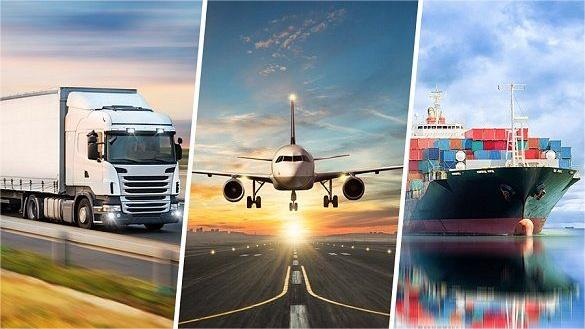
Why Air Freight is the Best Method for Shipping Auto Parts from China to Estonia
Speed remains the primary reason why air transport is the best method for shipping auto parts from China to Estonia using air freight. Unlike other modes, air cargo reduces the time your inventory spends in transit, which is vital for high-demand components. Furthermore, the automotive industry often relies on just-in-time manufacturing models that cannot tolerate the long delays associated with maritime shipping.
Security is another significant advantage when moving sensitive car electronics or expensive engine parts. Airports maintain high levels of surveillance and strict handling protocols that minimize the risk of theft or damage. Moreover, the reduced handling points in air logistics compared to rail or sea routes further protect the integrity of your cargo.
Reliability in scheduling allows businesses to plan their production or repair cycles with high precision. While weather can occasionally cause delays, air carriers offer much more consistent arrival windows than ocean vessels. Consequently, you can provide your customers in Estonia with accurate delivery estimates, enhancing your reputation for dependability.
Inventory costs are often overlooked when evaluating shipping methods. By using express service for smaller shipments, you can reduce the amount of capital tied up in stock. Therefore, the higher upfront cost of air freight is often offset by lower warehousing expenses and faster capital turnover.
Understanding Air Cargo Rates and Shipping Costs
Calculating the cost of the best method for shipping auto parts from China to Estonia using air freight requires an understanding of chargeable weight. Airlines charge based on either the actual weight or the volumetric weight, whichever is higher. Specifically, the formula for volumetric weight in air freight is typically (Length x Width x Height) divided by 6000.
Market fluctuations play a major role in determining the final price you pay for air transport. Fuel surcharges, seasonal demand, and carrier capacity all influence the current freight rates. For instance, during peak seasons like the lead-up to the Lunar New Year, prices can increase by 20 percent or more due to limited space.
Additional fees such as terminal handling charges and security surcharges must also be factored into your budget. These costs are standard across the industry but can vary slightly between different airports in China. Nevertheless, working with an experienced forwarder can help you find consolidated options that lower the per-kilogram rate.
| Weight Range | Price per KG (USD) | Transit Time | Service Level |
|---|---|---|---|
| 45kg – 100kg | $7.50 – $9.50 | 5-7 Days | Standard Air |
| 101kg – 300kg | $6.00 – $8.00 | 6-8 Days | Economy Air |
| 301kg – 500kg | $5.00 – $7.00 | 7-9 Days | Bulk Air |
| 500kg+ | $4.50 – $6.50 | 5-9 Days | Charter/Special |
How Does Air Freight Compare to Other Shipping Options?
Comparing the best method for shipping auto parts from China to Estonia using air freight against alternatives reveals clear trade-offs. While sea freight is significantly cheaper for large volumes, it takes five to six times longer to reach Tallinn. This delay can be catastrophic if you are waiting for a specific part to complete a vehicle repair.
Rail transport offers a middle ground between air and sea, utilizing the New Silk Road network. rail freight provides a balanced cost-to-speed ratio, but it remains susceptible to geopolitical tensions and equipment shortages. Indeed, for the most urgent automotive logistics needs, air freight remains the undisputed leader in performance.
Moreover, the environmental impact and carbon footprint vary between these methods. Air freight has a higher carbon output per ton-mile than sea or rail. However, for many businesses, the economic benefits of rapid delivery outweigh these considerations in the short term.
| Shipping Method | Cost Range | Transit Time | Best For | Limitations |
|---|---|---|---|---|
| Air Freight | $4.50-$9.50/kg | 5-9 Days | Urgent/High Value | High Cost |
| Sea Freight | $150-$300/CBM | 35-50 Days | Bulk/Heavy Parts | Very Slow |
| Rail Freight | $2.00-$4.50/kg | 18-25 Days | Mid-size Loads | Fixed Routes |
Which Option Should You Choose?
Deciding on the right shipping strategy depends on your specific business priorities and cargo characteristics. If your primary goal is budget optimization and you have ample lead time, sea freight is the logical choice for large components. Conversely, if you are facing a production line stoppage, air freight is the only viable solution to minimize losses.
Volume thresholds often dictate when it is time to switch from air to sea or rail. For shipments under 100 kilograms, air freight is often surprisingly competitive when you factor in the total landed cost. Meanwhile, larger shipments exceeding 15 cubic meters are almost always better suited for ocean containers.
Hybrid solutions can also provide a strategic advantage for certain supply chains. For example, you might ship the majority of your inventory by sea while keeping a small buffer of parts moving via air. This approach balances cost-efficiency with the flexibility needed to respond to sudden market shifts.

Essential Documentation for Importing Auto Parts to Estonia
Navigating the legal requirements for the best method for shipping auto parts from China to Estonia using air freight is mandatory for success. You must provide a detailed commercial invoice that clearly describes each part, its material, and its intended use. Furthermore, an accurate packing list is required to help customs officials verify the contents of your shipment without unnecessary delays.
Estonian customs require an EORI number for all businesses importing goods from outside the European Union. Without this identification number, your cargo will be held at the airport, leading to significant storage fees. Additionally, you should consult with a customs brokerage professional to ensure your HS codes are correct.
Specific automotive parts may require additional certifications to meet EU safety standards. For instance, lighting components and braking systems often need to show compliance with E-mark regulations. Consequently, verifying these requirements before the goods leave China is essential to prevent seizure at the border.
| Document Name | Purpose | Required By | Key Detail |
|---|---|---|---|
| Commercial Invoice | Tax Assessment | Customs | Must show HS Codes |
| Packing List | Physical Verify | Carrier | Weight and Dimensions |
| Air Waybill | Contract | Airline | Tracking Number |
| EORI Number | ID Verification | EU Customs | Business Tax ID |
Packaging and Cargo Handling for Automotive Components
Proper packaging is vital when utilizing the best method for shipping auto parts from China to Estonia using air freight. Automotive parts are often heavy, oily, or fragile, requiring specialized crates or reinforced boxes to withstand the rigors of flight. Specifically, engines and gearboxes must be completely drained of fluids to comply with dangerous goods regulations.
Using door to door services can simplify the handling process by keeping the cargo within a single provider’s network. This reduces the number of times your parts are moved between vehicles, which is where most damage occurs. Moreover, professional packers in China can provide vacuum sealing for metal parts to prevent rust during transit.
Labeling is another critical aspect of cargo handling that should not be overlooked. Every box must feature clear handling instructions, such as ‘This Side Up’ or ‘Fragile,’ in both English and Chinese. Therefore, ensuring your supplier follows these protocols is a key step in protecting your investment.
Real-World Case Studies: Auto Parts to Estonia
Case Study 1: Urgent Transmission Components. Route: Guangzhou, China to Tallinn, Estonia. Cargo: 12 Gearbox Assemblies, 3.2 CBM, 850 kg. Method: Priority Air Freight. Cost: $5,800. Timeline: 5 days door-to-door. Key Insight: The client avoided a penalty from a major Estonian car dealer by delivering the parts three days ahead of the deadline.
Case Study 2: Seasonal Stock of LED Headlights. Route: Shenzhen, China to Tallinn, Estonia. Cargo: 500 LED Units, 1.8 CBM, 220 kg. Method: Standard Air Freight. Cost: $1,950. Timeline: 8 days. Key Insight: By using air freight, the importer was able to capitalize on a sudden spike in demand for winter lighting upgrades.
Note: Freight rates are subject to change based on fuel costs, carrier capacity, and seasonal demand. Contact us for a current quote tailored to your specific shipment.
Market Intelligence and Logistics Trends for 2024
Current market data suggests that air freight rates from China to Europe have stabilized after the significant disruptions of previous years. However, the ongoing shift toward electric vehicles is changing the types of parts being shipped. Batteries, for example, require much stricter safety protocols and specialized air carriers, which can increase costs.
Digitalization in the supply chain is also making it easier for Estonian importers to track their shipments in real-time. Many forwarders now offer online portals where you can monitor every stage of the journey from the factory in China to the warehouse in Tallinn. Consequently, this transparency helps businesses manage their inventory more effectively.
Environmental regulations in the EU are likely to impact future air freight pricing through carbon taxes. While this may increase costs in the long run, airlines are investing in more fuel-efficient aircraft to mitigate these expenses. Therefore, staying informed about these trends is essential for long-term strategic planning.

How to Avoid Common Delays in Air Freight
Delays often stem from incomplete or inaccurate documentation provided at the port of loading. To prevent this, always double-check that the weights listed on the packing list match the actual weight measured by the airline. In addition, ensure that your supplier has all the necessary export licenses required by the Chinese government.
Congestion at major hubs like Shanghai Pudong or Beijing Capital can also slow down your shipment. Choosing a forwarder with access to secondary airports or alternative routes can help bypass these bottlenecks. Indeed, flexibility in your routing strategy is often the key to maintaining a fast delivery schedule.
Finally, local holidays in both China and Estonia can cause unexpected shutdowns of customs offices and trucking services. You should always plan your shipments around the Golden Week in China and the various public holidays in Estonia. As a result, you will avoid the frustration of having your cargo sit idle in a warehouse.
Summary of Automotive Air Freight Strategies
In summary, the best method for shipping auto parts from China to Estonia using air freight offers unparalleled speed and security for your most valuable components. While the costs are higher than sea or rail, the benefits of reduced inventory times and reliable scheduling often justify the investment. By focusing on proper documentation, specialized packaging, and choosing the right logistics partner, you can ensure a smooth import process.
Ultimately, your choice of shipping method should align with your business goals and the specific needs of your customers in Tallinn. Whether you are moving urgent repair parts or high-value electronics, air freight remains the gold standard for automotive logistics. Start optimizing your route today to stay ahead in the competitive Estonian automotive market.
Ready to streamline your logistics?
Streamline your automotive supply chain today by choosing the best method for shipping auto parts from China to Estonia using air freight. Our team of logistics experts is ready to provide you with a competitive quote and personalized support for your next shipment. Visit alibabafreight.com to request your free freight analysis and experience the difference of professional cargo handling.
Request Quote