

FBA Shipping China to Canada Cost: 2026 Pricing and Strategy Guide
Managing your FBA shipping China to Canada cost is a critical component of maintaining healthy profit margins in the competitive Amazon marketplace. As global trade dynamics shift in 2026, sellers must navigate fluctuating fuel surcharges and evolving port regulations to ensure their inventory arrives on time and within budget. This comprehensive guide provides the latest market intelligence to help you optimize your logistics strategy. Visit DSV-Freight to discover how professional logistics management can streamline your supply chain and reduce overhead expenses.
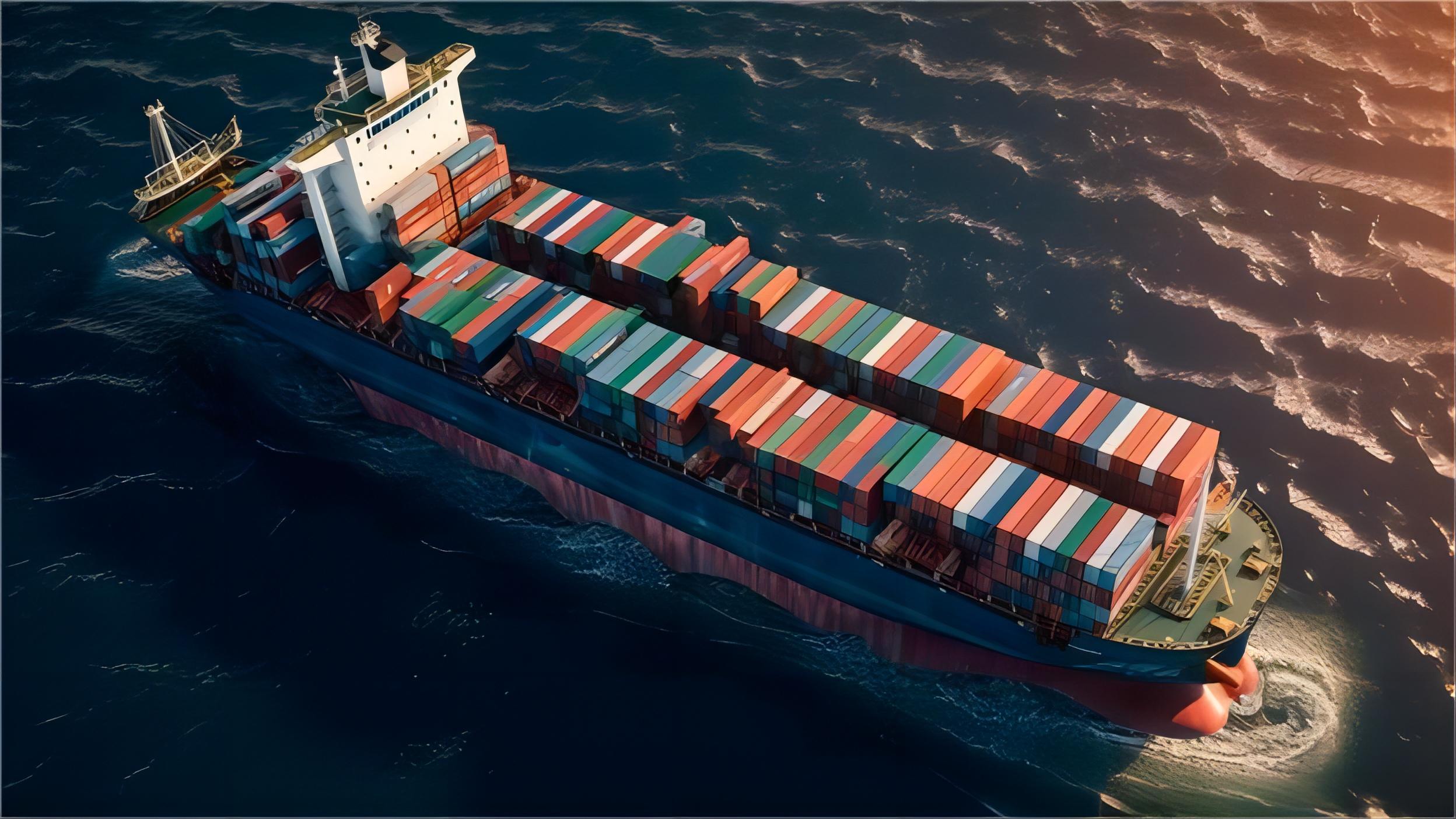
Factors Influencing FBA Shipping China to Canada Cost
Several variables contribute to the total FBA shipping China to Canada cost, making it essential for sellers to understand each component. Primarily, the choice between transport modes significantly dictates the baseline price. Consequently, weight and volume calculations, often referred to as dimensional weight, can alter your final invoice unexpectedly. Furthermore, seasonal demand fluctuations during the 2026 peak season typically lead to higher rates from August through October. Indeed, staying informed about these variables allows for better financial forecasting.
Fuel prices remain a volatile factor in 2026, directly impacting carrier surcharges across all shipping lanes. Additionally, the specific location of your destination warehouse in Canada plays a role in the final mile delivery price. For instance, shipping to a warehouse in Vancouver is generally more affordable than shipping to one in Toronto or Ottawa due to proximity to the coast. Therefore, selecting the right entry port is a strategic decision that affects your overall Amazon FBA logistics budget.
Labor costs and port congestion also influence the current pricing landscape. Meanwhile, environmental regulations in 2026 have introduced new carbon offset fees for many international carriers. As a result, sellers must account for these minor but cumulative charges when calculating their landed cost. Without a doubt, a detailed breakdown of these factors is necessary for any professional Amazon seller.
How Does Sea Freight Compare to Other Shipping Options?
When analyzing the FBA shipping China to Canada cost, sea freight stands out as the most economical choice for high-volume shipments. Specifically, sea freight offers much lower per-unit costs compared to air transport. However, the trade-off is a significantly longer transit time, which requires meticulous inventory planning. Moreover, sea freight is divided into Full Container Load (FCL) and Less than Container Load (LCL) options to suit different business sizes.
Air freight serves as a faster alternative, though it carries a much higher price tag. Consequently, this method is best reserved for high-value items or urgent restocks where speed outweighs the cost. In contrast, express services provide the fastest possible delivery but are often cost-prohibitive for large inventory batches. Furthermore, hybrid solutions like sea-air combinations have gained popularity in 2026 as a middle-ground strategy.
| Shipping Method | Cost Range | Transit Time | Best For |
|---|---|---|---|
| Sea Freight FCL | $3,200 – $5,800 | 25-40 Days | Large Bulk Orders |
| Sea Freight LCL | $160 – $320/CBM | 30-45 Days | Mid-Sized Shipments |
| Air Freight | $5.50 – $9.50/kg | 5-10 Days | High-Value Goods |
| Express Service | $9.00 – $14.00/kg | 3-6 Days | Urgent Samples |

Which Option Should You Choose for Canada FBA?
Choosing the right shipping method depends on your specific business priorities, such as budget constraints or time-to-market requirements. For example, if your primary goal is to minimize the FBA shipping China to Canada cost, sea freight is the logical selection. On the other hand, if you are launching a new product and need to hit a specific deadline, air freight might be necessary despite the expense. Additionally, consider the nature of your cargo, as heavy or bulky items are almost always better suited for ocean transport.
Volume thresholds often dictate when it is time to switch from LCL to FCL. Generally, once your shipment exceeds 15 cubic meters, booking a full 20-foot container becomes more cost-effective than paying for individual space. Nevertheless, for smaller startups, LCL remains the most accessible way to enter the Canadian market. To summarize, your decision framework should balance the cost per unit against the potential lost sales of a stockout.
Navigating Customs and Duties for Canadian Imports
Importing goods into Canada requires a thorough understanding of the Canada Border Services Agency (CBSA) regulations. Indeed, customs duties and the Goods and Services Tax (GST) are significant additions to your FBA shipping China to Canada cost. Specifically, most commercial imports are subject to a 5 percent GST, which is calculated based on the value of the goods. Furthermore, duty rates vary widely depending on the product category and its country of origin.
Working with a professional customs brokerage service can prevent costly delays and penalties. For instance, incorrect tariff classification is a common mistake that leads to audits and additional fees. Moreover, ensuring all documentation, such as the Commercial Invoice and Packing List, is accurate is vital for smooth clearance. Consequently, sellers who invest in expert compliance support often save money in the long run by avoiding storage fees at the port.
Understanding 2026 Transit Times for FBA Shipments
Transit times for shipments from China to Canada vary based on the departure port and the final destination warehouse. Typically, shipments to Vancouver arrive much faster than those destined for Toronto or Montreal. For example, a direct sea route from Shanghai to Vancouver might take 18 to 22 days, while the inland journey to Ontario adds another 7 to 10 days. Meanwhile, air freight remains consistent, usually delivering within a week regardless of the Canadian province.
Using a door to door service model can simplify this timeline by handling the entire journey under one contract. This approach reduces the administrative burden on the seller and often provides more reliable tracking data. Furthermore, as of early 2026, port efficiency in Prince Rupert has improved, offering an alternative gateway for sellers looking to bypass congestion in Vancouver. Therefore, planning your schedule with these regional differences in mind is essential for maintaining stock levels.
Case Studies: Real-World FBA Shipping Scenarios
Case Study 1: LCL Sea Freight for Home Decor. Route: Ningbo, China to Vancouver, Canada. Cargo: 8 CBM of textile goods. Method: LCL Sea Freight. Cost Breakdown: Ocean Freight $1,450; Origin Charges $250; Destination Charges $350; Customs and Duties $400. Total Landed Cost: $2,450. Timeline: 32 days door-to-door. Key Insight: By using LCL, the seller maintained a low per-unit cost while managing a medium-sized inventory restock during the spring season of 2026.
Case Study 2: Air Freight for Electronics. Route: Shenzhen, China to Toronto, Canada. Cargo: 120kg of smart home devices. Method: Air Freight. Cost Breakdown: Air Freight $960; Documentation $100; Customs Brokerage $150; Duties $200. Total Landed Cost: $1,410. Timeline: 8 days door-to-door. Key Insight: Although the per-kg cost was higher, the speed allowed the seller to capitalize on a sudden market trend and avoid a stockout during a peak promotion period in mid-2026.
Note: Freight rates are subject to change based on fuel costs, carrier capacity, and seasonal demand. Contact us for a current quote tailored to your specific shipment.

Hidden Fees in the FBA Shipping Process
Beyond the basic freight rate, several hidden fees can impact the FBA shipping China to Canada cost. For example, demurrage and detention charges occur when containers are held at the port longer than the allotted free time. Additionally, warehouse handling fees at the destination can add up if your cargo requires palletization or labeling to meet Amazon standards. Moreover, residential delivery surcharges may apply if the final destination is not a standard commercial warehouse.
Insurance is another critical expense that sellers should never overlook. While it adds a small percentage to the total cost, it protects against the significant financial loss of damaged or lost cargo. Furthermore, peak season surcharges are often implemented by carriers with little notice during high-demand months. Consequently, always include a buffer in your logistics budget to account for these unpredictable expenses.
Strategic Tips to Reduce Shipping Expenses
Reducing your FBA shipping China to Canada cost requires a proactive approach to logistics management. One effective strategy is to consolidate multiple small orders into a single larger shipment to take advantage of volume discounts. Additionally, optimizing your product packaging can reduce the dimensional weight, leading to lower air freight and express charges. For instance, removing excess air from retail boxes can significantly decrease the total volume of your shipment.
Negotiating long-term contracts with freight forwarders can also provide price stability in a volatile market. Furthermore, shipping during the off-peak season, such as February or March, often yields the lowest available rates. Meanwhile, utilizing a DDP (Delivered Duty Paid) service can help you lock in costs upfront, including all taxes and duties. To summarize, constant optimization of your shipping habits is the best way to ensure long-term profitability on Amazon Canada.
Final Thoughts on FBA Shipping Costs
Navigating the complexities of the FBA shipping China to Canada cost is essential for any seller looking to build a sustainable brand. By understanding the differences between sea and air freight, and accounting for customs and hidden fees, you can make informed decisions that protect your margins. Transitioning to more efficient shipping methods as your volume grows will ensure you remain competitive throughout 2026. Remember that the cheapest option is not always the best if it leads to stockouts or poor customer experiences. Ultimately, a balanced approach that prioritizes both cost-efficiency and reliability will lead to the greatest success on Amazon Canada.

Start Your Shipment
Ready to optimize your supply chain and minimize your FBA shipping China to Canada cost? Our team of logistics experts is standing by to provide you with a customized quote and streamlined shipping solutions for 2026. Contact us today to learn how we can help your Amazon business thrive in the Canadian market. Visit our inquiry page to get started.
Frequently Asked Questions
What is the average FBA shipping China to Canada cost in 2026?
How long does sea freight take from China to Canada?
Do I need a customs broker for Canada FBA?
What are the most common hidden fees in FBA shipping?
Is DDP shipping better for Amazon FBA Canada?
How can I lower my shipping costs for Amazon Canada?
Which Canadian ports are best for FBA shipments?
Does Amazon Canada have specific labeling requirements?