

FBA Logistics China to Germany: The Complete 2026 Shipping Guide
“Managing fba logistics china to germany effectively is the cornerstone of a successful Amazon business in Europe’s largest economy. Consequently, understanding the nuances of international shipping, customs clearance, and local fulfillment requirements is essential for maintaining healthy profit margins. This guide provides a comprehensive overview of the most efficient strategies for transporting goods from Chinese manufacturing hubs to German fulfillment centers in 2026.”
❖
What are the Core Components of FBA Logistics China to Germany?
❖
Shipping products for Amazon FBA involves a multi-stage process that starts at the factory gate in China and ends at an Amazon warehouse in cities like Werne, Rheinberg, or Koblenz. Moreover, the logistics chain includes export customs clearance, international transit, import duties, and final mile delivery. Each of these steps requires precise coordination to avoid costly storage fees or inventory stockouts.
Choosing a professional freight forwarder simplifies this complex journey by handling the documentation and carrier negotiations on your behalf. Additionally, 2026 market trends suggest that integrated logistics providers are increasingly using AI to predict port congestion and optimize routing. Therefore, sellers who leverage advanced logistics partners often see a significant reduction in total transit times compared to those using traditional methods.
Compliance with German regulations remains a critical factor for success in the European market. For instance, ensuring your products meet CE marking requirements and that your VAT registration is in order will prevent delays at the border. Meanwhile, the German customs authorities have implemented stricter electronic filing requirements in early 2026, making accuracy in your commercial invoice more important than ever.
❖
How Does Sea Freight Compare to Other Shipping Options?
❖
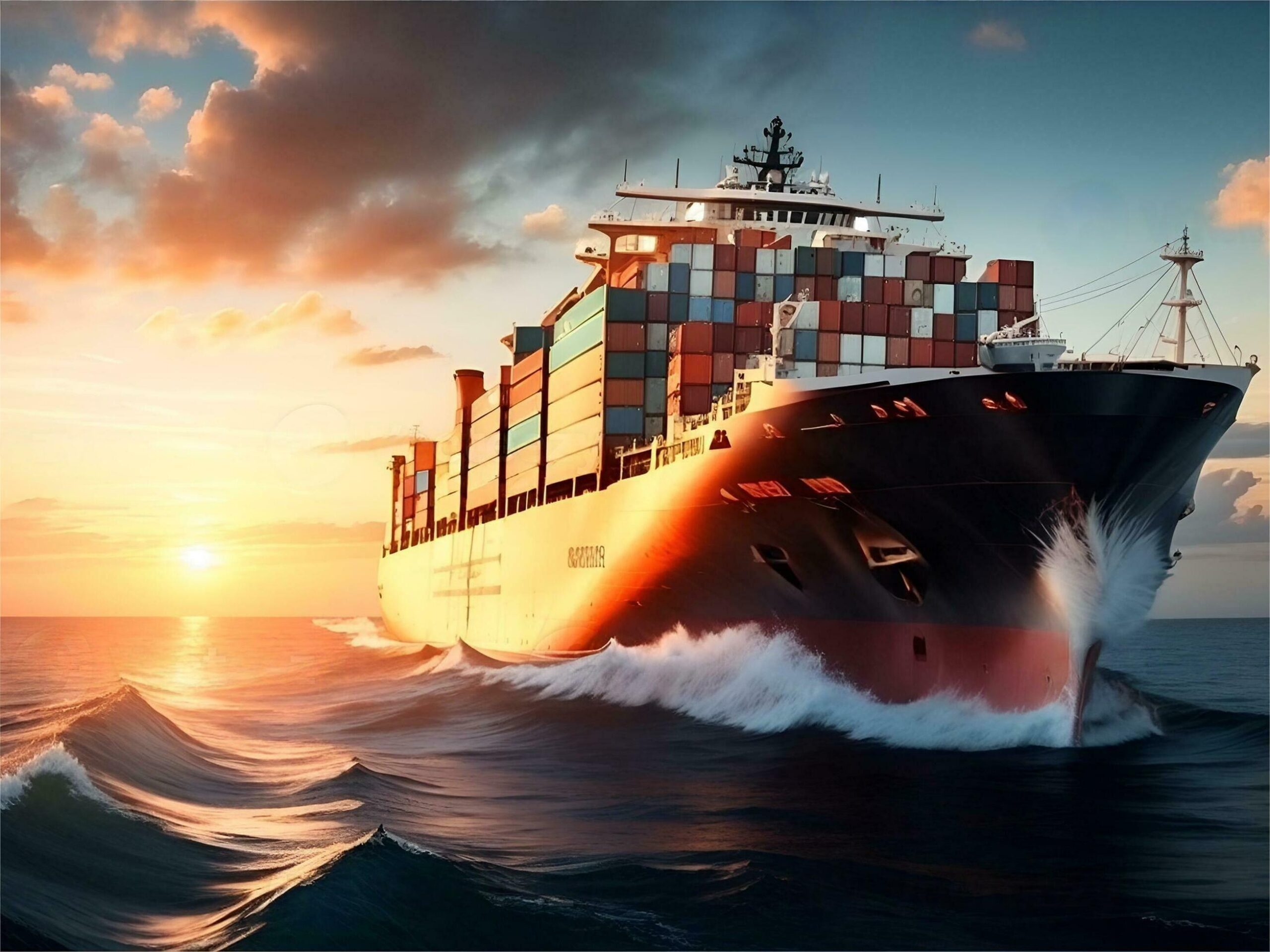
Ocean transport remains the most popular choice for high-volume shipments due to its cost-effectiveness over long distances. However, it is important to weigh the low price against the longer lead times required for maritime transit. For many sellers, sea freight provides the best balance of capacity and budget, especially for bulky or heavy items.
While sea freight costs approximately 2,200 to 3,800 USD for a 40HQ container in early 2026, air freight for the same volume would be prohibitively expensive. In contrast, sea freight takes 30 to 40 days to reach major ports like Hamburg or Bremerhaven. Consequently, businesses must plan their inventory cycles at least two months in advance to account for potential ocean delays.
Direct routes from Shanghai or Shenzhen to Germany typically cost 10 to 15 percent more than transshipment routes via Singapore. Nevertheless, direct shipping saves 5 to 7 days of transit time and reduces the risk of cargo damage during handling. Sellers should evaluate whether the time savings justify the additional expense based on their specific inventory needs.
| Shipping Method | Cost Range | Transit Time | Best For |
|---|---|---|---|
| Sea Freight (FCL) | $2,000 – $4,200 | 30 – 40 Days | Large volumes / Bulky goods |
| Air Freight | $5.50 – $9.00/kg | 5 – 9 Days | High-value / Urgent stock |
| Rail Freight | $2,500 – $3,500 | 18 – 22 Days | Mid-range budget and speed |
| Express | $9.00 – $14.00/kg | 3 – 5 Days | Samples / Small parcels |
❖
The Strategic Advantages of Air Freight for Urgent Inventory
❖
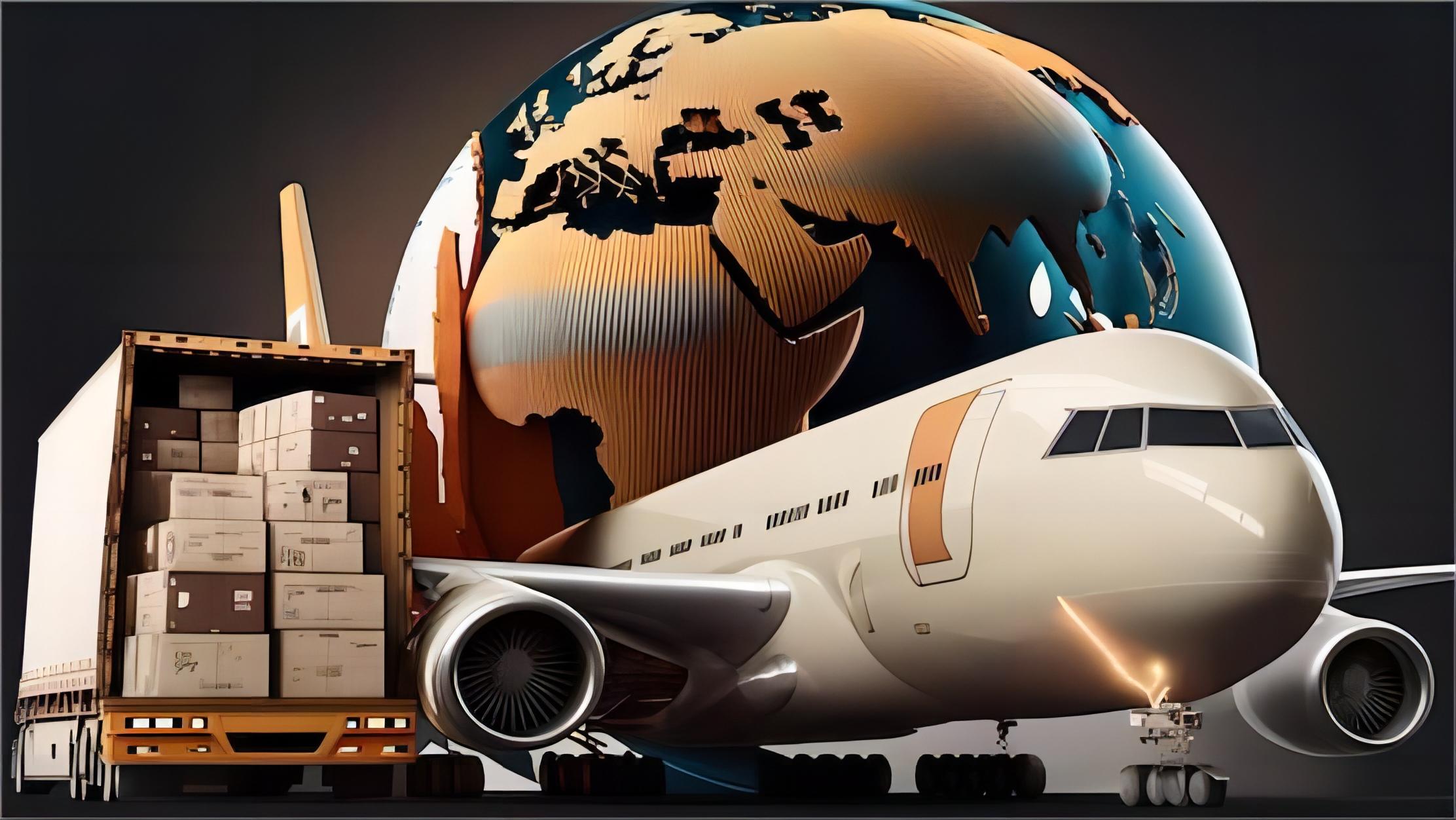
When stock levels run low or a new product launch is imminent, air freight becomes an indispensable tool for Amazon sellers. Furthermore, the speed of air transport allows for a much faster response to market demand shifts in the German region. Indeed, most air shipments from China reach Frankfurt Airport (FRA) within a week, including customs processing.
Security is another major benefit of choosing air transport for your FBA logistics China to Germany strategy. Because airports have high-security standards and shorter transit times, the risk of theft or damage is significantly lower than with other methods. Accordingly, high-value electronics and luxury goods are almost exclusively shipped via air to ensure they arrive in pristine condition for the customer.
Despite the higher costs, air freight can sometimes improve your overall ROI by reducing the capital tied up in inventory. For example, smaller, more frequent air shipments allow for a leaner supply chain and lower warehouse storage fees in Germany. Without a doubt, the agility provided by air logistics can be a competitive advantage during peak shopping seasons like Black Friday or Prime Day.
❖
Utilizing Rail Freight as a Middle-Ground Solution
❖
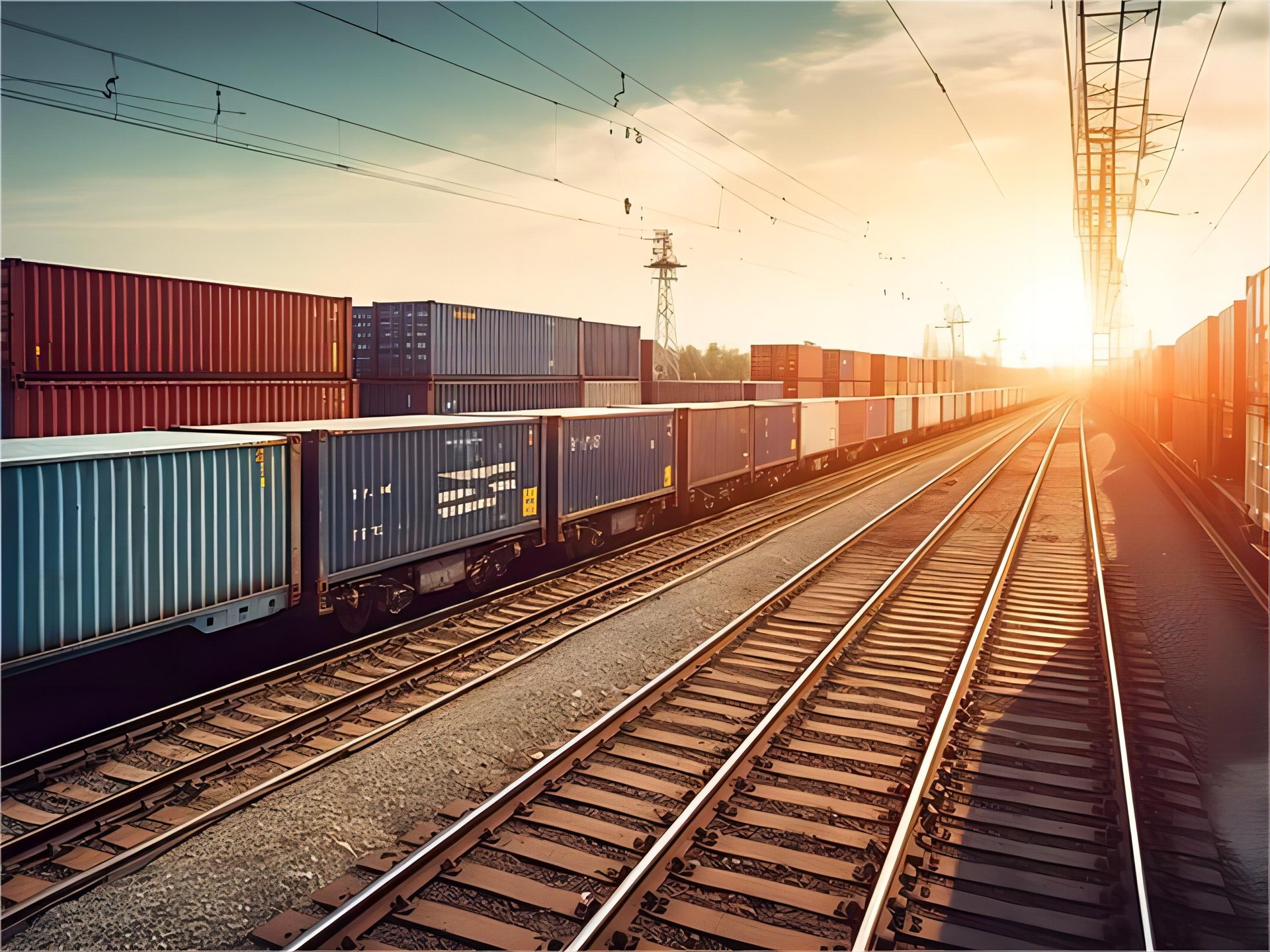
The Iron Silk Road has revolutionized rail freight options between Chinese industrial hubs and European destinations. Specifically, rail transport offers a compelling middle ground for sellers who find sea freight too slow but air freight too expensive. Consequently, rail services have seen a 20 percent increase in adoption among FBA sellers in 2025 and 2026.
Shipments departing from Xi’an or Chengdu can reach Duisburg or Hamburg in approximately 18 to 24 days. Additionally, rail freight is less susceptible to the weather-related disruptions that often affect ocean vessels or the fuel surcharges common in air transport. Therefore, it provides a more predictable delivery schedule for planning your Amazon marketing campaigns.
Environmental considerations are also driving the shift toward rail logistics in the German market. Because rail transport emits significantly less CO2 per ton-kilometer than air or road transport, it appeals to the growing segment of eco-conscious German consumers. In addition, many German corporations are now requiring their partners to demonstrate sustainable shipping practices as part of their corporate responsibility goals.
❖
Navigating Customs Brokerage and German Import Regulations
❖
Successful importation into Germany requires a deep understanding of the European Union’s Union Customs Code (UCC). For instance, every importer must have a valid EORI number to clear goods through German customs. Moreover, hiring a professional customs brokerage service is highly recommended to ensure all tariffs and VAT are calculated correctly.
Documentation accuracy is the most frequent cause of delays in FBA logistics China to Germany. You must provide a detailed commercial invoice, a packing list, and a Bill of Lading or Air Waybill for every shipment. Furthermore, if your products fall under specific categories like toys or electronics, you will need to provide certificates of conformity and technical documentation to prove compliance with EU safety standards.
German customs officials are known for their precision and strict adherence to rules. Accordingly, any discrepancy in product descriptions or declared values can result in inspections, fines, or even the seizure of goods. To avoid these issues, many sellers utilize door to door services that include DDP (Delivered Duty Paid) terms, where the forwarder handles all tax and duty payments on the seller’s behalf.
| Document Name | Purpose | Required For | Typical Issuer |
|---|---|---|---|
| Commercial Invoice | Value declaration | All shipments | Exporter / Factory |
| Packing List | Detailed cargo info | All shipments | Exporter / Factory |
| EORI Number | EU Importer ID | Import clearance | German Customs |
| Certificate of Origin | Verify source | Tariff preferences | Chamber of Commerce |
❖
Realistic Case Studies for FBA Logistics China to Germany
❖
Case Study 1: Large Volume Sea Freight Success
Route: Ningbo, China to Hamburg, Germany. Cargo: 1,200 Home Office Chairs, 68 CBM, 14,500 kg. Container: 40HQ. Carrier: COSCO. Port of Loading: Ningbo. Port of Discharge: Hamburg. Route Type: Direct. Cost Breakdown: Ocean Freight $3,200, Origin Charges $450, Destination Charges $600, Customs Duties $2,400. Total Landed Cost: $6,650. Timeline: Booking to Loading 4 days, Sea Transit 33 days, Customs Clearance 3 days. Total Door-to-Door: 45 days. Key Insight: By booking 5 weeks in advance, the seller secured a rate 15 percent below the peak season average.
Case Study 2: Urgent Air Freight Replenishment
Route: Shenzhen, China to Frankfurt, Germany. Cargo: High-end smartphone accessories, 4 CBM, 850 kg. Shipping Method: Air Freight. Carrier: Lufthansa Cargo. Port of Loading: Shenzhen (SZX). Port of Discharge: Frankfurt (FRA). Route Type: Direct. Cost Breakdown: Air Freight $5,100, Handling Fees $300, Customs Clearance $250. Total Landed Cost: $5,650. Timeline: Booking to Loading 2 days, Air Transit 1 day, Customs Clearance 1 day, Delivery to FBA 2 days. Total Door-to-Door: 6 days. Key Insight: Using air freight prevented a week-long stockout during a viral marketing campaign, preserving the seller’s Best Seller Rank.
Case Study 3: Rail Freight for Mid-Sized Shipments
Route: Wuhan, China to Duisburg, Germany. Cargo: Kitchenware sets, 12 CBM, 2,800 kg. Shipping Method: Rail Freight (LCL). Service: China-Europe Railway Express. Port of Loading: Wuhan Hub. Port of Discharge: Duisburg Terminal. Route Type: Rail Direct. Cost Breakdown: Rail Freight $1,800, Documentation $200, Local Delivery $400. Total Landed Cost: $2,400. Timeline: Booking to Loading 5 days, Rail Transit 20 days, Customs Clearance 2 days. Total Door-to-Door: 30 days. Key Insight: Rail provided a 10-day faster arrival than sea freight at only a 25 percent higher cost, making it the ideal choice for this mid-value product.
❖
Which Shipping Option Should You Choose?
❖
Determining the best shipping method depends on your specific business priorities and product characteristics. For example, if your primary goal is to minimize costs and you have a stable demand forecast, sea freight is the logical choice. On the other hand, if you are dealing with seasonal trends or fragile items, the speed and safety of air freight might justify the higher price tag.
Volume thresholds often dictate the switch between LCL (Less than Container Load) and FCL (Full Container Load). Generally, for shipments over 15 CBM, booking a 20GP container is more economical than paying the per-CBM rate for LCL. Similarly, rail freight becomes more competitive for shipments between 5 and 20 CBM that need to arrive faster than sea freight allows.
Hybrid solutions like sea-air combinations are also gaining traction in 2026. These routes involve shipping by sea to a hub like Dubai and then by air to Germany. This approach can save up to 40 percent in costs compared to pure air freight while still being twice as fast as traditional sea freight. Sellers should consult with their logistics provider to explore these innovative routing options.
Final Thoughts on FBA Logistics China to Germany
Mastering the flow of goods from China to Germany is a vital skill for any serious Amazon FBA seller. By carefully comparing sea, air, and rail freight, you can build a resilient supply chain that adapts to market fluctuations and consumer demands. Remember that the cheapest option is not always the most profitable if it leads to stockouts or damaged goods.
Staying informed about the latest customs regulations and logistics trends in 2026 will help you navigate the complexities of international trade with confidence. Partnering with a reliable freight forwarder ensures that your fba logistics china to germany strategy remains efficient, compliant, and cost-effective. Start planning your next shipment today to secure the best rates and transit times for your business.
Ready to streamline your logistics?
Optimizing your fba logistics china to germany is the fastest way to scale your Amazon business in 2026. Our expert team provides tailored shipping solutions that balance speed and cost to keep your inventory moving smoothly. Contact us today to receive a competitive freight quote and experience a seamless supply chain. Visit alibabafreight.com to start your inquiry.
Frequently Asked Questions
What is the cheapest way to ship FBA goods to Germany?
How long does rail freight take from China to Germany?
Do I need a VAT number to import into Germany?
What are the benefits of DDP shipping for FBA?
Can I ship hazardous materials via FBA logistics?
Is insurance necessary for FBA shipments?
How do I calculate the chargeable weight for air freight?
What are the peak shipping seasons for Germany?