
Container Shipping China Global 20GP 40HC FCL LCL Guide 2026
Navigating the complexities of international trade requires a deep understanding of modern logistics. For businesses managing container shipping china global 20gp 40hc fcl lcl operations, choosing the right partner is essential for maintaining a competitive edge. Visit alibabafreight.com to streamline your supply chain and reduce transit times effectively through professional freight management.

What Are the Differences Between 20GP and 40HC Containers?
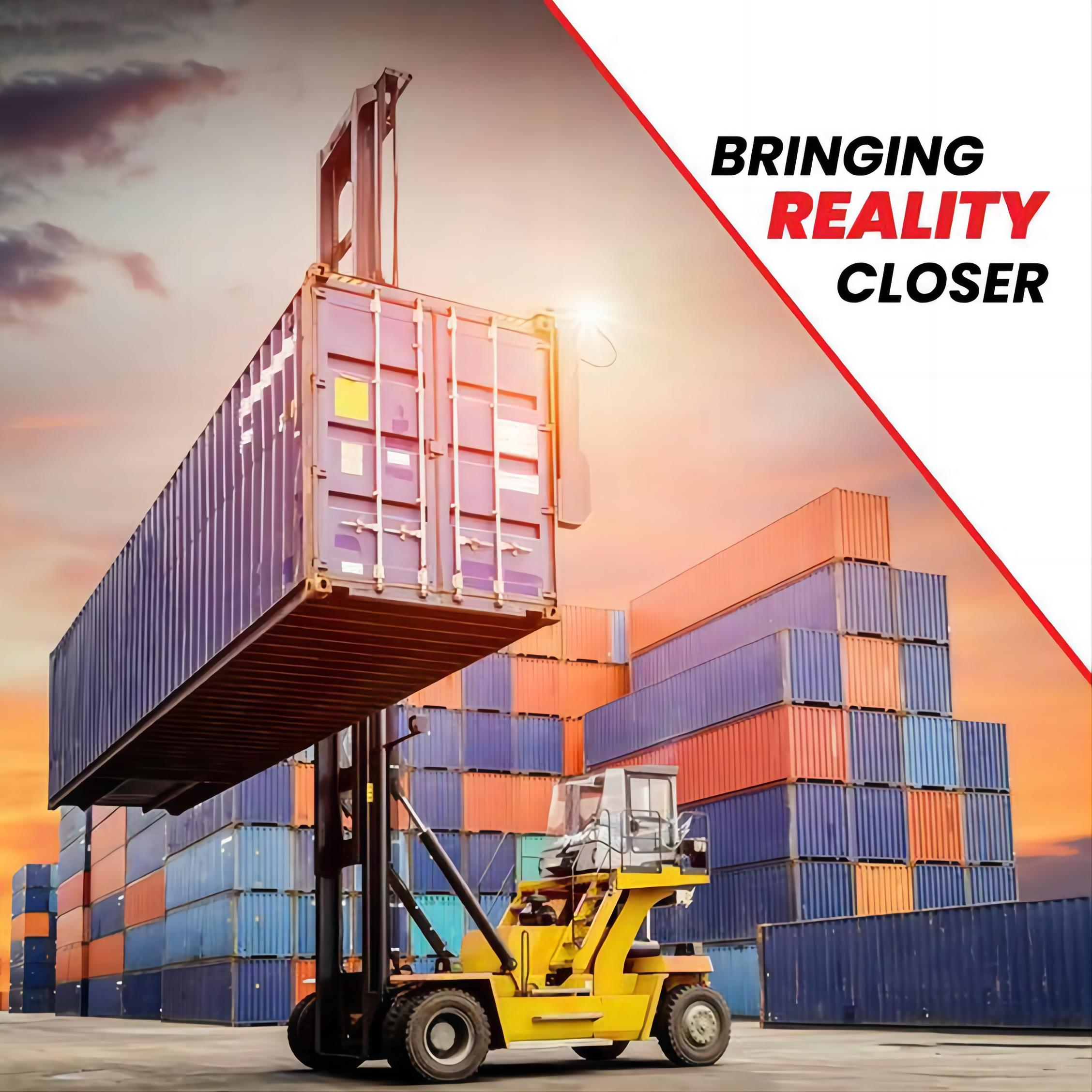
Understanding container specifications is the first step in optimizing your logistics costs. Specifically, the 20GP or General Purpose container serves as the industry standard for smaller, heavy cargo shipments. This unit typically holds about 28 to 30 cubic meters of goods, making it ideal for dense materials like machinery or minerals.
Moreover, the 40HC or High Cube container offers significant advantages for light but voluminous cargo. These containers provide an extra foot of height compared to standard 40-foot units, allowing for approximately 76 cubic meters of space. Consequently, businesses shipping textiles, electronics, or furniture often prefer this option to maximize their shipping budget.
Choosing the right size depends heavily on your cargo volume and weight constraints. Furthermore, carriers often adjust their pricing based on the availability of these specific units at the port of loading. Therefore, you should always consult with your freight forwarder to determine which container type offers the best value for your specific shipment profile.
| 20GP | 33.2 CBM | 25,000 kg | Heavy/Dense Cargo |
| 40GP | 67.7 CBM | 26,500 kg | Standard Volume |
| 40HC | 76.3 CBM | 26,500 kg | Light/Bulky Cargo |
How Do FCL and LCL Shipping Methods Compare?
Deciding between Full Container Load and Less than Container Load is a critical strategic choice. When you select sea freight in the form of FCL, you gain exclusive use of the entire container. This method generally offers faster transit times because the cargo does not require consolidation or deconsolidation at the port.
On the other hand, LCL shipping allows multiple shippers to share space within a single container. This approach is highly cost-effective for smaller shipments that do not justify the price of a full unit. However, you must account for the additional handling time required at the Container Freight Station where goods are sorted.
Indeed, the choice between these methods impacts both your timeline and your bottom line. Additionally, FCL provides a higher level of security since the container remains sealed from the point of origin to the final destination. Nevertheless, LCL remains the backbone of small to medium enterprise logistics due to its flexibility and lower entry cost.
How Does Container Shipping Compare to Other Shipping Options?
Analyzing all available transport modes ensures that you select the most efficient route for your goods. While ocean freight is the most common choice for container shipping china global 20gp 40hc fcl lcl, it is not always the fastest. For instance, air freight provides unparalleled speed for urgent or high-value shipments.
Meanwhile, rail freight has emerged as a middle-ground solution for transcontinental trade between China and Europe. This method offers faster delivery than the sea while remaining significantly cheaper than air transport. Consequently, many businesses use a hybrid strategy to balance their budget and delivery requirements effectively.
Without a doubt, each shipping method has distinct trade-offs regarding cost, speed, and reliability. Therefore, a comprehensive comparison is necessary to align your logistics strategy with your business goals. For example, direct sea routes might cost more but save several days of transit compared to transshipment options.
| Sea Freight | $1,500 – $4,500 | 20-45 Days | Bulk Shipments |
| Air Freight | $5.00 – $9.00/kg | 3-7 Days | Urgent Cargo |
| Rail Freight | $2,500 – $5,500 | 15-22 Days | Mid-range Speed |
| Express | $8.00 – $15.00/kg | 2-5 Days | Small Samples |

What Factors Influence Freight Rates from China in 2026?
Market dynamics in 2026 continue to fluctuate based on global economic conditions and fuel surcharges. Specifically, seasonal demand during the golden week or the pre-Christmas rush can cause rates to spike by 20 percent or more. Moreover, port congestion and equipment availability at major hubs like Shanghai or Ningbo play a significant role in pricing.
Additionally, the implementation of new environmental regulations in the maritime industry has introduced carbon surcharges. Consequently, carriers are investing in greener technologies, which influences the base freight rates for all container types. Therefore, staying informed about these trends is vital for accurate budgeting and financial planning.
Indeed, working with a professional who understands customs brokerage can help you avoid unexpected fees. Furthermore, securing long-term contracts with freight forwarders can provide price stability in a volatile market. To summarize, proactive planning and market intelligence are your best tools for managing container shipping costs.
Strategic Routes for Shipping from China to North America
Shipping to North America involves choosing between West Coast and East Coast ports. Generally, shipments to Los Angeles or Long Beach are faster, taking approximately 14 to 18 days from major Chinese ports. In contrast, shipping to the East Coast via the Panama Canal can take 30 days or longer but may reduce inland trucking costs.
Furthermore, the choice of port can significantly impact your total landed cost. For instance, Savannah and New York are popular destinations for goods destined for the Midwest or the Atlantic seaboard. Consequently, you must evaluate the entire journey, including the final mile delivery, to determine the most efficient route.
Accordingly, many importers are now using transloading services to move goods from containers into domestic trailers. This strategy helps avoid port congestion and reduces the risk of demurrage and detention charges. Therefore, understanding the nuances of North American infrastructure is essential for successful global logistics.
Navigating Logistics for Europe and Australia
European trade routes have seen a resurgence in rail freight as a viable alternative to sea transport. When shipping to Europe, major ports like Rotterdam, Hamburg, and Antwerp remain the primary gateways. However, transit times can vary significantly depending on whether you choose a direct service or a transshipment route.
Meanwhile, shipping to Australia offers some of the fastest transit times from China due to the geographic proximity. Most shipments from Shenzhen to Sydney or Melbourne arrive within 12 to 18 days. Additionally, the trade agreements between these regions often simplify the customs process, although strict biosecurity measures remain in place.
Nevertheless, businesses must stay vigilant regarding changing port schedules and labor conditions. For example, seasonal storms can occasionally disrupt maritime schedules in the South China Sea. Thus, maintaining a flexible delivery schedule and having contingency plans in place is always a wise strategy for international shippers.
Real-World Logistics Case Studies for 2026
Case Study 1: Electronics Export to USA. Route: Shenzhen to Los Angeles. Cargo: 500 units of high-end tablets, 68 CBM. Container: 1 x 40HC. Shipping Details: Direct sea transit via Major Carrier. Cost Breakdown: Ocean Freight $3,800, Origin Charges $450, Destination Charges $600. Timeline: 18 days total. Key Insight: Utilizing a 40HC allowed the shipper to fit the entire order in one unit, saving 15 percent compared to two 20GP containers.
Case Study 2: Furniture Distribution to Europe. Route: Ningbo to Hamburg. Cargo: Custom office desks, 12 CBM, 4,500 kg. Container: LCL. Shipping Details: Transshipment via Singapore. Cost Breakdown: Ocean Freight $1,100, Customs & Duties $800, Total Landed Cost $2,250. Timeline: 38 days door-to-door. Key Insight: LCL provided a flexible solution for a mid-sized order that did not require a full container.
Case Study 3: Machinery Parts to Australia. Route: Shanghai to Melbourne. Cargo: Industrial components, 22 CBM, 18,000 kg. Container: 1 x 20GP. Shipping Details: Direct service. Cost Breakdown: Ocean Freight $1,200, Total Landed Cost $1,950. Timeline: 15 days. Key Insight: The high weight of the cargo made the 20GP the most stable and cost-effective choice for this heavy machinery shipment.
Which Option Should You Choose? Decision Framework
Selecting the ideal shipping method requires a balance between budget, speed, and cargo volume. If your primary goal is cost reduction and you have a volume over 15 CBM, FCL is almost always the superior choice. However, if you are testing a new market with smaller quantities, LCL allows you to manage risk without high upfront logistics costs.
Moreover, consider the nature of your cargo when deciding between 20GP and 40HC containers. Dense, heavy items should go in a 20GP to avoid exceeding weight limits. Conversely, bulky but light items benefit from the extra vertical space in a 40HC unit. Consequently, your packaging and palletization strategy should align with these container dimensions.
Finally, always evaluate the reliability of the carrier and the frequency of their departures. Indeed, a slightly higher freight rate might be worth the investment if it ensures a more reliable transit time. Therefore, use these criteria to build a robust logistics framework that supports your long-term business growth and customer satisfaction.
Mastering Global Logistics with Container Shipping
To summarize, success in international trade depends on mastering the nuances of container shipping china global 20gp 40hc fcl lcl. By understanding the differences between 20GP and 40HC units, you can make informed decisions that reduce costs. Furthermore, choosing between FCL and LCL allows you to adapt to changing market demands and inventory levels.
As we move through 2026, staying updated on freight rates and shipping trends remains essential for any global business. Additionally, utilizing professional services for customs and door-to-door delivery can significantly simplify your operations. Ultimately, a strategic approach to container shipping will enhance your reliability and profitability in the global marketplace.
Get Your Shipping Quote Today
Streamline your global supply chain today by partnering with experts in container shipping china global 20gp 40hc fcl lcl services. Our team provides tailored solutions to ensure your cargo arrives safely and on time. Visit alibabafreight.com to request a competitive quote and optimize your logistics strategy for 2026. Send Inquiry: https://alibabafreight.com/contact-us/
Request Quote