

China to USA Incoterms DDP Shipping Guide for 2026
Navigating the complexities of international trade requires a clear understanding of logistics agreements and delivery terms. To streamline your supply chain operations, partnering with a reliable expert like DSV-Freight ensures your goods move efficiently from factory to doorstep. This comprehensive china to usa incoterms ddp shipping guide provides the essential knowledge needed to manage imports with minimal risk and maximum clarity in 2026.
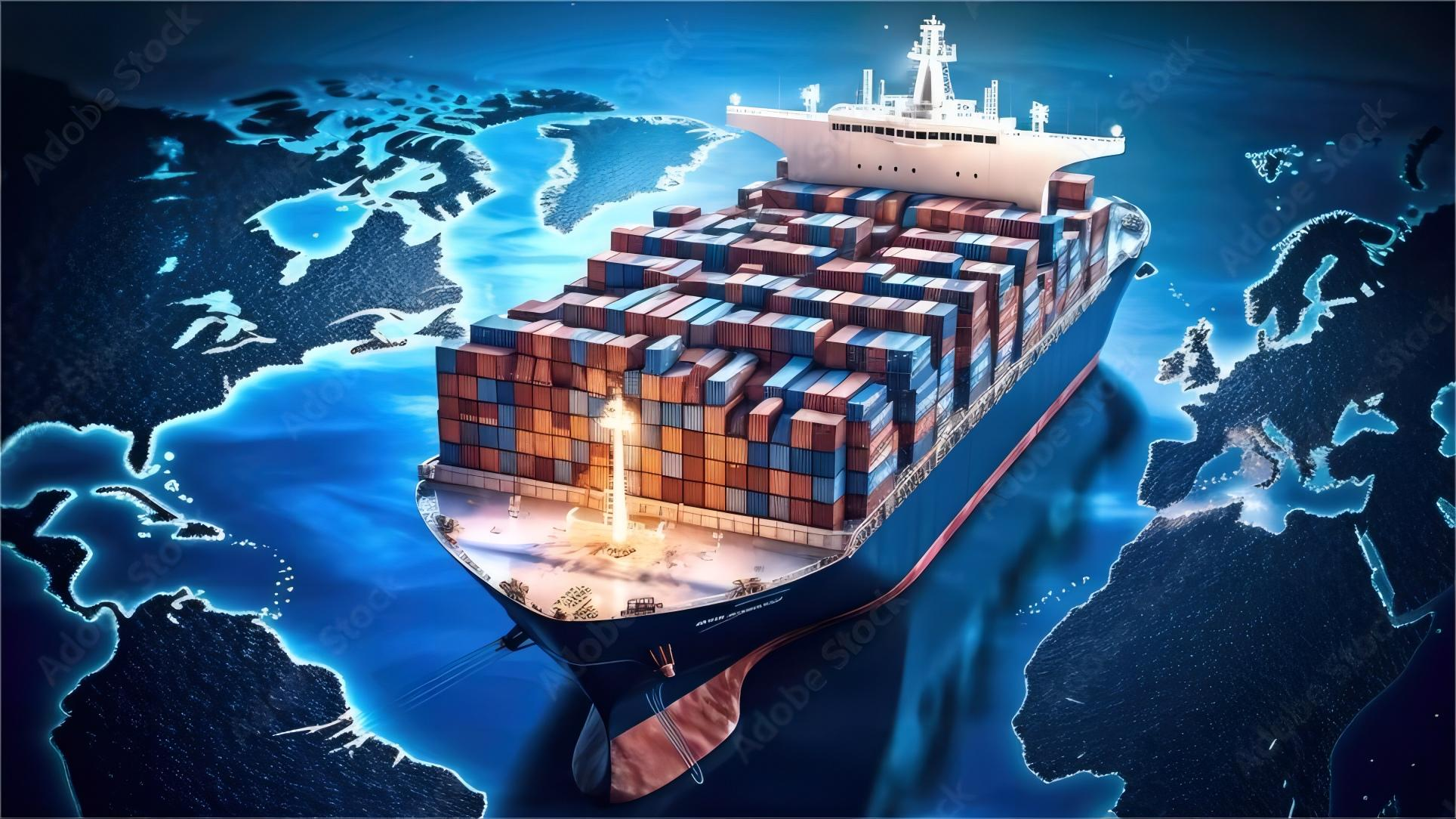
What is DDP Shipping from China to the USA?
Delivered Duty Paid, commonly known as DDP, represents a shipping agreement where the seller assumes the maximum level of responsibility. Specifically, the seller handles all transportation costs, insurance, and import duties until the cargo reaches the buyer’s designated location. Consequently, this arrangement offers a hands-off experience for importers who prefer to avoid the technicalities of customs clearance.

Furthermore, this Incoterm is highly favored by e-commerce sellers and small businesses looking for predictable landed cost calculations. Under this agreement, the risk transfers from the seller to the buyer only when the goods are made available at the destination. Therefore, the seller must navigate the intricacies of both origin and destination logistics, including the final mile delivery.
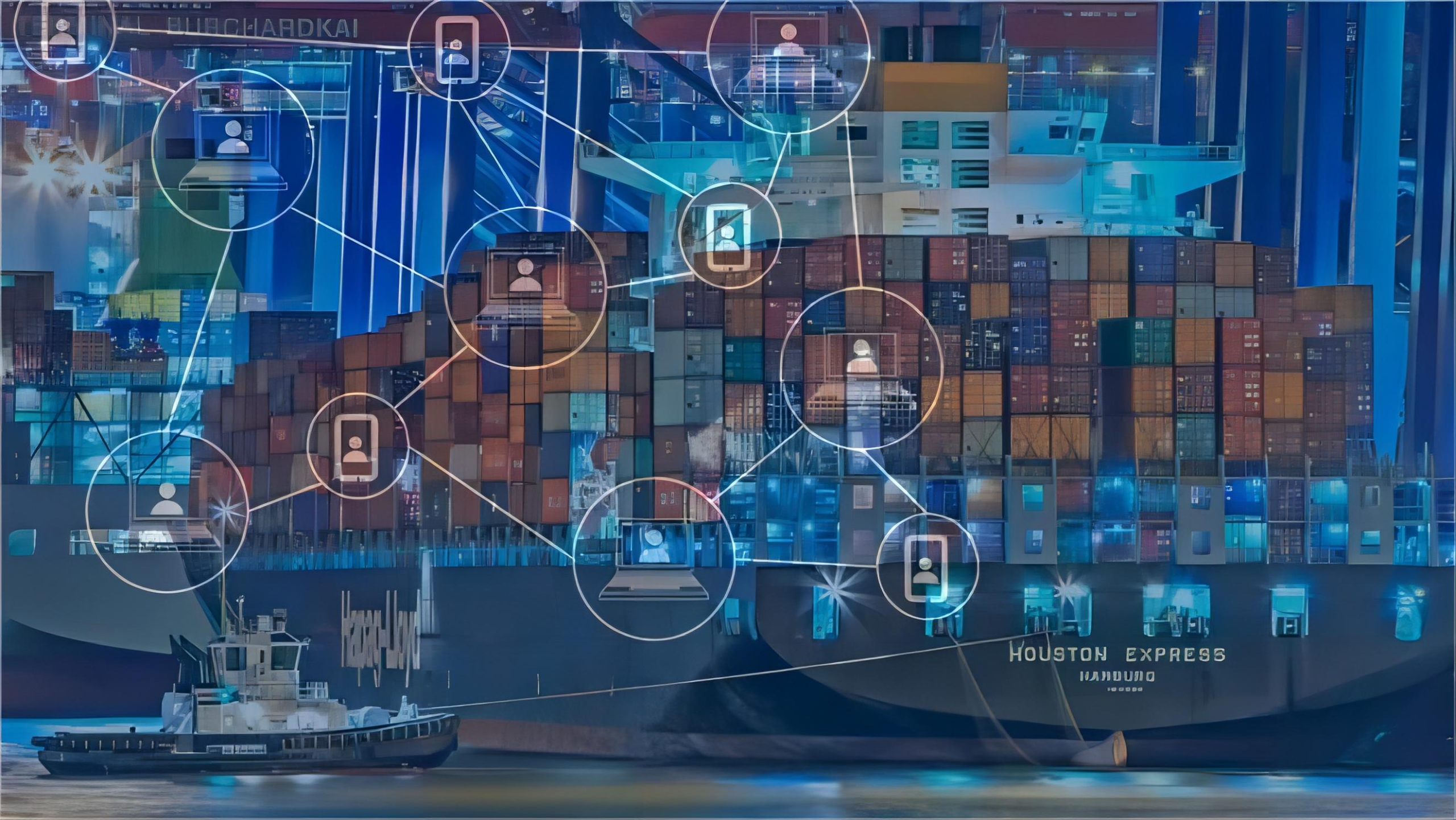
However, buyers must ensure their supplier has the capability to handle US customs regulations effectively. In addition, the seller must have a reliable network to manage local trucking and warehousing once the shipment arrives at a US port. Indeed, choosing DDP can significantly reduce the administrative burden on the purchasing company.
Why Choose the China to USA Incoterms DDP Shipping Guide Strategy?
Importers often choose DDP because it provides a fixed price that includes all logistics expenses. This transparency allows for more accurate budgeting and prevents unexpected charges at the port of entry. Additionally, it eliminates the need for the buyer to interact with multiple freight agents or customs officials during the transit process.
Moreover, the DDP model simplifies the procurement process for those new to international trade. Because the seller manages the entire journey, the buyer can focus on marketing and sales rather than logistics. Nevertheless, it is vital to verify that the supplier includes all taxes and harbor maintenance fees in the initial quote.
Meanwhile, large-scale importers use DDP to standardize their global supply chain costs. This approach ensures consistency across different product lines and shipping routes. In contrast, other terms like EXW or FOB require the buyer to manage significant portions of the transit, which increases operational complexity.
| Responsibility | DDP (Delivered Duty Paid) | FOB (Free On Board) | EXW (Ex Works) |
|---|---|---|---|
| Ocean Freight | Seller Pays | Buyer Pays | Buyer Pays |
| Import Duties | Seller Pays | Buyer Pays | Buyer Pays |
| Risk Transfer | At Destination | At Loading Port | At Seller Factory |
| :Customs Clearance | Seller Handles | Buyer Handles | Buyer Handles |
Key Responsibilities for Sellers and Buyers Under DDP
The seller carries the heaviest burden under DDP terms, managing everything from export packaging to final delivery. Specifically, they must arrange for sea freight or air transport while ensuring all export licenses are in order. Furthermore, the seller is responsible for paying any value-added taxes or customs duties applicable in the United States.
On the other hand, the buyer’s primary responsibility is to cooperate with the seller during the unloading process. For example, the buyer must provide an accurate delivery address and ensure the site is ready to receive the cargo. Additionally, the buyer must pay for the goods as agreed in the commercial contract.
Consequently, communication between both parties remains essential to prevent delays at the destination. While the seller handles the logistics, the buyer should still monitor the shipment’s progress to prepare for its arrival. Without a doubt, a clear division of tasks helps avoid disputes over demurrage or storage fees.
How Does DDP Compare to Other Shipping Options?
When evaluating the china to usa incoterms ddp shipping guide, it is helpful to compare it against alternative shipping methods. While DDP is comprehensive, some importers might prefer to control their own logistics through DAP (Delivered at Place) or CIF (Cost, Insurance, and Freight). Specifically, DAP allows the buyer to handle the customs clearance and duty payments, which can be more cost-effective for companies with an existing customs bond.
Similarly, choosing between air and sea transport affects the overall efficiency of a DDP agreement. Air freight offers rapid transit but comes at a significantly higher price point compared to ocean transport. Conversely, sea freight is the standard for bulk shipments, though it requires longer lead times and more complex port handling.
Furthermore, hybrid solutions like sea-air combinations are gaining popularity in early 2026. These options provide a balance between speed and cost, allowing for faster delivery than pure sea freight without the high expense of air cargo. To summarize, the best choice depends on your specific budget, timeline, and cargo volume.
| Method | Cost Range | Transit Time | Best For |
|---|---|---|---|
| Sea Freight (FCL) | $3,000 – $5,500 | 18 – 35 Days | Large Volume |
| Air Freight | $5.50 – $9.50/kg | 3 – 7 Days | Urgent Goods |
| Express Service | $8.50 – $13.00/kg | 2 – 5 Days | Small Parcels |
| LCL Shipping | $80 – $150/CBM | 22 – 40 Days | Mid-size Cargo |
Essential Documentation for DDP Shipping Success
Accurate documentation is the cornerstone of a successful import process from China to the USA. For instance, the commercial invoice must clearly state the value of the goods and the specific HTS codes for customs classification. Additionally, the packing list should provide a detailed breakdown of the shipment’s contents, including weight and dimensions.
Furthermore, the bill of lading serves as the contract of carriage and the title to the goods. In a DDP scenario, the seller typically holds this document until the final delivery is completed. Meanwhile, specialized shipments may require additional certificates, such as an FDA notice or an EPA declaration, depending on the product type.
Consequently, working with an experienced customs brokerage professional can prevent costly delays. These experts ensure that all paperwork complies with the latest 2026 US Customs and Border Protection (CBP) regulations. Therefore, verifying the accuracy of every document before the ship leaves China is a critical step for every importer.
Which Option Should You Choose? (Decision Framework)
Determining the right shipping strategy requires a thorough analysis of your business priorities and cargo requirements. If your primary goal is speed and reliability for high-value items, then air freight is likely the most suitable choice. On the other hand, if you are managing a large inventory with a focus on cost reduction, sea freight offers the best value.
If you are an e-commerce seller shipping directly to fulfillment centers, you should consider specialized Amazon FBA logistics. These services are tailored to meet the strict labeling and delivery requirements of major platforms. Indeed, using a provider that understands these specific workflows can save you from significant penalties and rejected shipments.
Ultimately, the DDP model is most effective for those who want a simple, all-inclusive price. However, if you have the resources to manage your own customs clearance, you might find that DAP or FOB terms offer more control over the logistics chain. Regardless of the method, always ensure your chosen freight forwarder has a strong presence in both China and the USA.
Managing Logistics and Transit Times in 2026
In early 2026, global shipping routes have seen increased stability, yet seasonal fluctuations still impact transit times. For example, the period leading up to the Lunar New Year often sees a surge in demand and a corresponding rise in freight rates. Furthermore, port congestion in major hubs like Los Angeles or Savannah can add several days to the total delivery schedule.
As a result, many businesses are opting for door to door services to minimize the number of touchpoints in their supply chain. This approach allows for better tracking and more predictable delivery windows. Consequently, carriers are investing in better digital tools to provide real-time updates to their customers.
Moreover, the implementation of new environmental regulations has led to more efficient, albeit slightly slower, ocean transit options. Carriers are increasingly using slow-steaming techniques to reduce fuel consumption and carbon emissions. Therefore, importers should plan their inventory cycles with these longer transit times in mind to avoid stockouts.
Real-World Case Studies for DDP Shipping (2026 Data)
Case Study 1: Electronics Shipment from Shenzhen to Los Angeles. Cargo: Consumer Electronics, 12 CBM, 2500 kg. Container: LCL (Less than Container Load). Shipping Details: Major carrier via direct route. Cost Breakdown: Ocean Freight: $1,450; Origin Charges: $450; Destination Charges: $600; Customs and Duties: $1,800; Total Landed Cost: $4,300. Timeline: Booking to Loading: 4 days; Sea Transit: 16 days; Customs Clearance: 2 days; Total Door-to-Door: 22 days. Key Insight: Using DDP allowed the buyer to avoid the complexities of the 2026 electronics tariff updates.
Case Study 2: Textile Import from Ningbo to New York. Cargo: High-end Fabrics, 40HQ Container. Shipping Details: Transshipment via Panama Canal. Cost Breakdown: Ocean Freight: $5,200; Origin Charges: $800; Destination Charges: $1,200; Customs and Duties: $3,500; Total Landed Cost: $10,700. Timeline: Booking to Loading: 6 days; Sea Transit: 32 days; Customs Clearance: 3 days; Total Door-to-Door: 41 days. Key Insight: Despite the longer transit, the fixed DDP price protected the importer from rising fuel surcharges in Q1 2026.
Note: Freight rates are subject to change based on fuel costs, carrier capacity, and seasonal demand. Contact us for a current quote tailored to your specific shipment.
Mastering Your China to USA Shipping Strategy
Successfully importing goods from China requires more than just finding a supplier; it demands a robust logistics strategy. By following this china to usa incoterms ddp shipping guide, you can significantly reduce the risks associated with international transport. Whether you prioritize cost-efficiency through sea freight or speed through air cargo, the DDP model offers a reliable path to success.
As we move through 2026, staying informed about market trends and regulatory changes remains vital for every business. Partnering with a professional freight forwarder ensures that your supply chain remains resilient and adaptable. Ultimately, the right choice of Incoterms will empower your business to grow and thrive in the competitive global marketplace.

Get Your Shipping Quote Today
Streamline your international trade today with the most reliable china to usa incoterms ddp shipping guide solutions. Our team of logistics experts is ready to help you navigate customs and optimize your supply chain for 2026. Contact us now to receive a customized quote and take the first step toward hassle-free importing. Send Inquiry: https://alibabafreight.com/
Request Quote