

Container Shipping China 20GP 40HC FCL LCL Worldwide: 2026 Guide
Navigating the complexities of international trade requires a deep understanding of modern logistics options and equipment types. When you partner with DSV-Freight, you gain access to a streamlined supply chain designed for maximum efficiency and cost-effectiveness. This comprehensive guide explores the nuances of container shipping china 20gp 40hc fcl lcl worldwide to help you make informed decisions for your 2026 business operations. Understanding the technical differences between container sizes and shipment methods is essential for optimizing your landed costs and meeting delivery deadlines in a competitive market.

What are the Technical Specifications for 20GP and 40HC Containers?
Selecting the right equipment is the first step in optimizing your logistics budget and ensuring cargo safety. The 20GP or General Purpose container remains the workhorse for heavy, dense materials such as minerals, steel, and heavy machinery. Specifically, this unit offers approximately 33 cubic meters of space, though practical loading usually caps at 28 to 30 cubic meters. Consequently, shippers often prefer this size for smaller batches that still require the security of a full container load.
The 40HC or High Cube container provides significantly more volume for lighter, bulkier goods like furniture, electronics, and apparel. Furthermore, the extra foot of height compared to standard 40-foot units allows for a total volume of roughly 76 cubic meters. Most businesses find that the 40HC offers the best value per cubic meter when shipping high-volume inventory from major Chinese hubs like Shanghai or Shenzhen. Therefore, calculating your total cargo volume is critical before booking your next shipment.
| Container Type | Internal Length | Internal Height | Max Payload |
|---|---|---|---|
| 20GP (Standard) | 5.89 meters | 2.39 meters | 28,000 kg |
| 40GP (Standard) | 12.03 meters | 2.39 meters | 26,000 kg |
| 40HC (High Cube) | 12.03 meters | 2.69 meters | 28,500 kg |
FCL vs LCL: Choosing the Right Method for Global Trade
Choosing between Full Container Load and Less than Container Load depends largely on your shipment volume and budget constraints. FCL shipping involves renting an entire container for your exclusive use, which minimizes handling and reduces the risk of damage. Moreover, FCL typically offers faster transit times because the container moves directly from the origin port to the destination without intermediate consolidation. Many high-volume importers utilize sea freight in FCL format to maintain strict control over their supply chain.
LCL shipping serves as an excellent alternative for smaller businesses or those testing new product lines with limited stock. In this scenario, your goods share space with other shippers’ cargo, and you pay only for the volume you occupy. However, LCL shipments require more time for consolidation and deconsolidation at the port of entry. Nevertheless, the cost savings for shipments under 15 cubic meters are often substantial enough to justify the slightly longer lead times.
How Does Container Shipping Compare to Other Shipping Options?
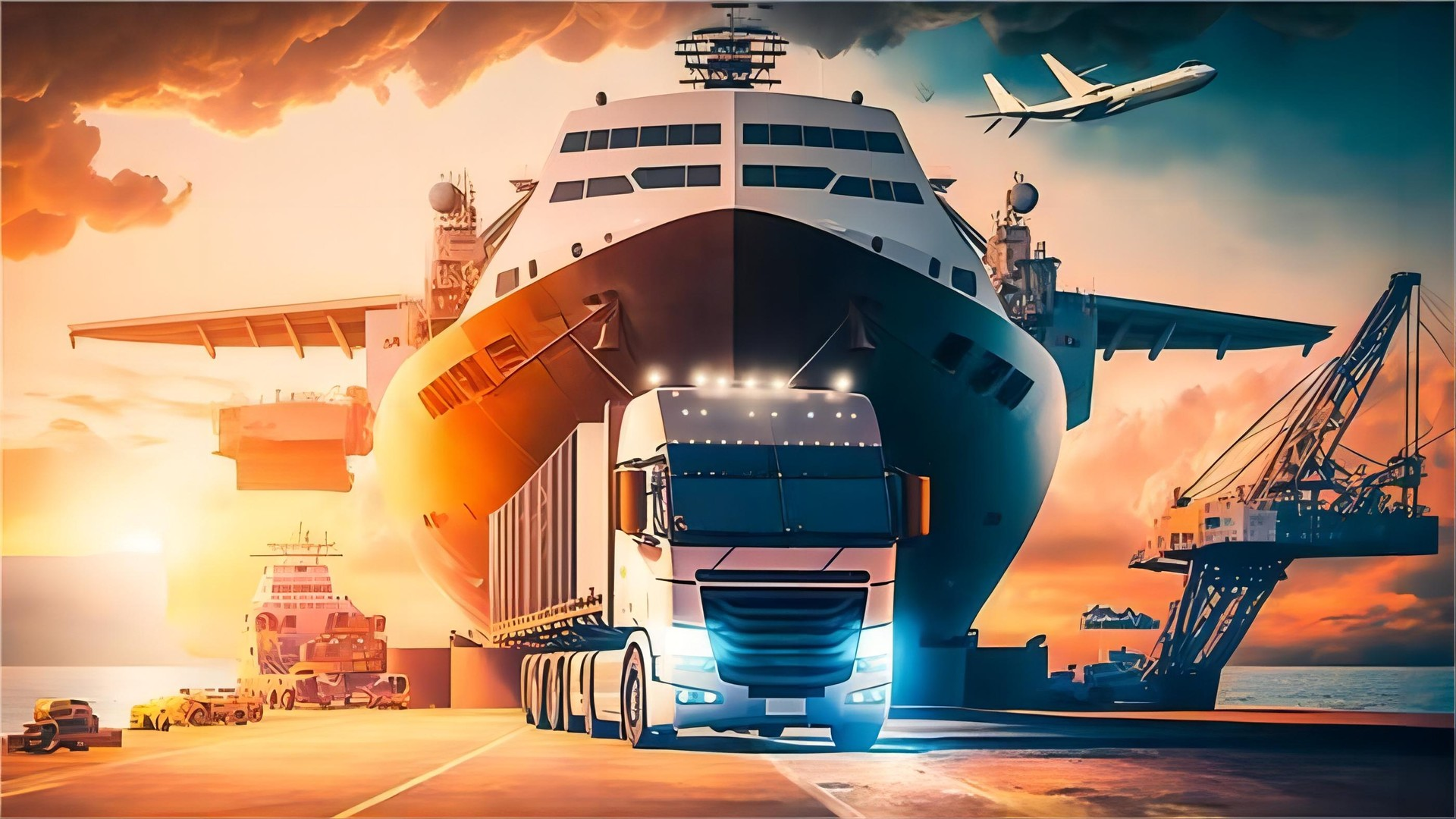
Evaluating different transport modes is vital for balancing speed and cost in your 2026 logistics strategy. While ocean transport is the most economical method for large volumes, air freight remains the preferred choice for high-value or time-sensitive electronics. For instance, a shipment from Ningbo to New York might take 35 days by sea but only 5 days by air. Consequently, businesses must weigh the urgency of their inventory needs against the higher expense of aerial transport.
Rail freight provides a middle-ground solution for transcontinental routes between China and Europe, offering faster speeds than sea and lower costs than air. Additionally, hybrid solutions like Sea-Air combinations are gaining popularity for routes where direct air transport is too expensive. By shipping goods to a hub like Dubai by sea and then flying them to Europe, companies can save 40 percent on costs compared to pure air freight while cutting transit time in half compared to pure sea freight.
| Shipping Method | Cost Range | Transit Time | Best For |
|---|---|---|---|
| Sea Freight (FCL) | $1,500 – $6,000 | 14 – 45 Days | Large Bulk Orders |
| Air Freight | $5.00 – $12.00/kg | 3 – 7 Days | Urgent Samples |
| Rail Freight | $2,500 – $4,500 | 18 – 22 Days | China to Europe |
| Express Courier | $8.00 – $15.00/kg | 2 – 5 Days | Small Parcels |
Which Option Should You Choose? A Decision Framework
Determining the most efficient shipping route requires a systematic approach to your specific business requirements. If your primary goal is budget optimization, FCL sea freight for 40HC containers usually offers the lowest cost per unit. On the other hand, if you are shipping small batches of seasonal goods, LCL or door to door shipping might be more appropriate to avoid excess inventory holding costs. Without a doubt, the choice depends on your volume thresholds and current market demand.
Cargo type also plays a significant role in your equipment selection process. Dense machinery almost always requires a 20GP container due to weight limits, whereas light consumer goods are better suited for 40HC units. Furthermore, consider the destination infrastructure; some smaller ports may have limitations on handling 40-foot containers. In such cases, using multiple 20-foot units becomes the only viable strategy for successful delivery.
Current 2026 Market Trends and Freight Rate Insights
Freight rates in early 2026 have shown signs of stabilization following the supply chain disruptions of previous years. Industry data suggests that carrier capacity has increased, leading to more competitive pricing on major transpacific and Asia-Europe lanes. However, seasonal peaks during August through October still cause temporary price hikes of 15 to 25 percent. Shippers who book their space at least four weeks in advance are generally able to secure more favorable rates and guaranteed equipment.
Digitalization is another major trend affecting how companies manage Amazon FBA shipments and general cargo. Real-time tracking and automated documentation are now standard expectations for modern freight forwarders. Indeed, the ability to monitor your container’s location in real-time allows for better inventory planning and more accurate delivery estimates. Note: Freight rates are subject to change based on fuel costs, carrier capacity, and seasonal demand. Contact us for a current quote tailored to your specific shipment.
| Route (From China) | 20GP Rate Range | 40HC Rate Range | Avg. Transit |
|---|---|---|---|
| To USA West Coast | $1,600 – $2,300 | $2,900 – $3,900 | 16 Days |
| To North Europe | $1,900 – $2,600 | $3,200 – $4,400 | 32 Days |
| To Australia | $900 – $1,300 | $1,500 – $2,100 | 15 Days |
| To UK Ports | $2,100 – $2,900 | $3,600 – $4,700 | 35 Days |
Managing Customs and Regulatory Compliance in 2026
Navigating the legal landscape of international trade is often the most challenging aspect of container shipping. Every country has specific requirements for import duties, taxes, and safety certifications that must be met before cargo is released. Utilizing a professional customs brokerage service can prevent costly delays and ensure your paperwork is filed correctly. In addition, staying updated on changing trade agreements between China and major markets is essential for long-term compliance.
Proper documentation is the foundation of a smooth customs clearance process. Essential documents include the Commercial Invoice, Packing List, Bill of Lading, and Certificate of Origin. For instance, missing a single HS code or having a weight discrepancy can result in port storage fees that quickly erode your profit margins. Therefore, conducting a thorough audit of your shipping documents before the vessel departs China is a best practice that every professional importer should follow.
Real-World Logistics Case Studies
Case Study 1: Electronics Distribution to North America. Route: Shenzhen, China to Long Beach, USA. Cargo: Consumer electronics, 68 CBM, 12,000 kg. Container: 40HC. Shipping Details: Direct service via major carrier. Cost Breakdown: Ocean Freight $3,400, Origin Charges $450, Destination Charges $600, Customs $1,200. Total Landed Cost: $5,650. Timeline: Booking 4 days, Transit 16 days, Clearance 3 days. Total Door-to-Door: 23 days. Key Insight: Choosing 40HC over two 20GP units saved the client $1,200 in freight costs.
Case Study 2: Furniture Import to Europe. Route: Ningbo, China to Hamburg, Germany. Cargo: Wooden furniture, 8 CBM, 2,400 kg. Container: LCL. Shipping Details: Transshipment via Singapore. Cost Breakdown: Ocean Freight $980, Origin Charges $200, Destination Charges $350, Customs $400. Total Landed Cost: $1,930. Timeline: Booking 5 days, Transit 34 days, Clearance 4 days. Total Door-to-Door: 43 days. Key Insight: LCL was 40 percent cheaper than a 20GP for this volume despite the longer transit time.
Case Study 3: Industrial Machinery to Australia. Route: Shanghai, China to Sydney, Australia. Cargo: Metal lathes, 26 CBM, 18,000 kg. Container: 20GP. Shipping Details: Direct service. Cost Breakdown: Ocean Freight $1,150, Origin Charges $300, Destination Charges $450, Customs $800. Total Landed Cost: $2,700. Timeline: Booking 3 days, Transit 14 days, Clearance 2 days. Total Door-to-Door: 19 days. Key Insight: The high density of the cargo made the 20GP the only safe and cost-effective option.
Final Thoughts on Global Container Logistics
Successfully managing container shipping china 20gp 40hc fcl lcl worldwide requires a balanced focus on equipment selection, shipping methods, and regulatory compliance. By understanding the specific benefits of 20GP and 40HC units, you can significantly reduce your per-unit transport costs. Additionally, choosing between FCL and LCL based on your actual cargo volume ensures that you are not paying for unused space. As the market continues to evolve in 2026, staying informed about freight rates and logistics trends will remain a key competitive advantage for your business.
Ultimately, the goal of any logistics strategy is to move goods safely and efficiently across borders. Whether you are a small business owner or a large enterprise, the principles of smart container shipping remain the same. Focus on planning ahead, choosing the right partners, and maintaining flexibility in your transport modes. With the right approach, your international shipping operations can become a powerful driver of growth and customer satisfaction.

Need a tailored shipping solution?
Ready to optimize your global supply chain? Contact our team today to receive a competitive quote for container shipping china 20gp 40hc fcl lcl worldwide and experience seamless logistics tailored to your needs. Visit alibabafreight.com to start your inquiry.