
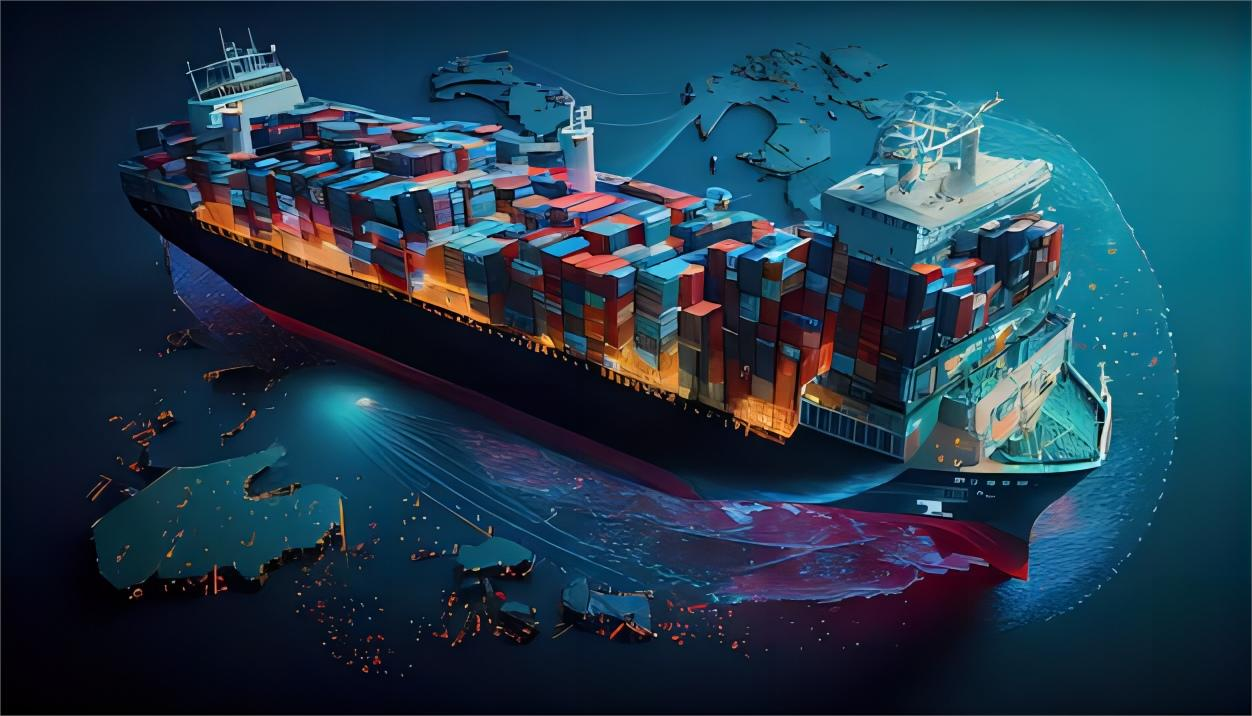
China Freight Forwarding Company Door to Door Global Service: 2026 Guide
Navigating the complexities of international trade requires a reliable china freight forwarding company door to door global service to ensure efficiency. Importers often face significant hurdles when managing multiple logistics providers across different borders and time zones. Consequently, choosing a single partner like DSV-Freight streamlines the entire supply chain from the factory floor to the final destination. This comprehensive approach eliminates the stress of coordinating local trucking, international transit, and last-mile delivery. Without a doubt, a unified logistics strategy is the key to maintaining a competitive edge in the global marketplace today.
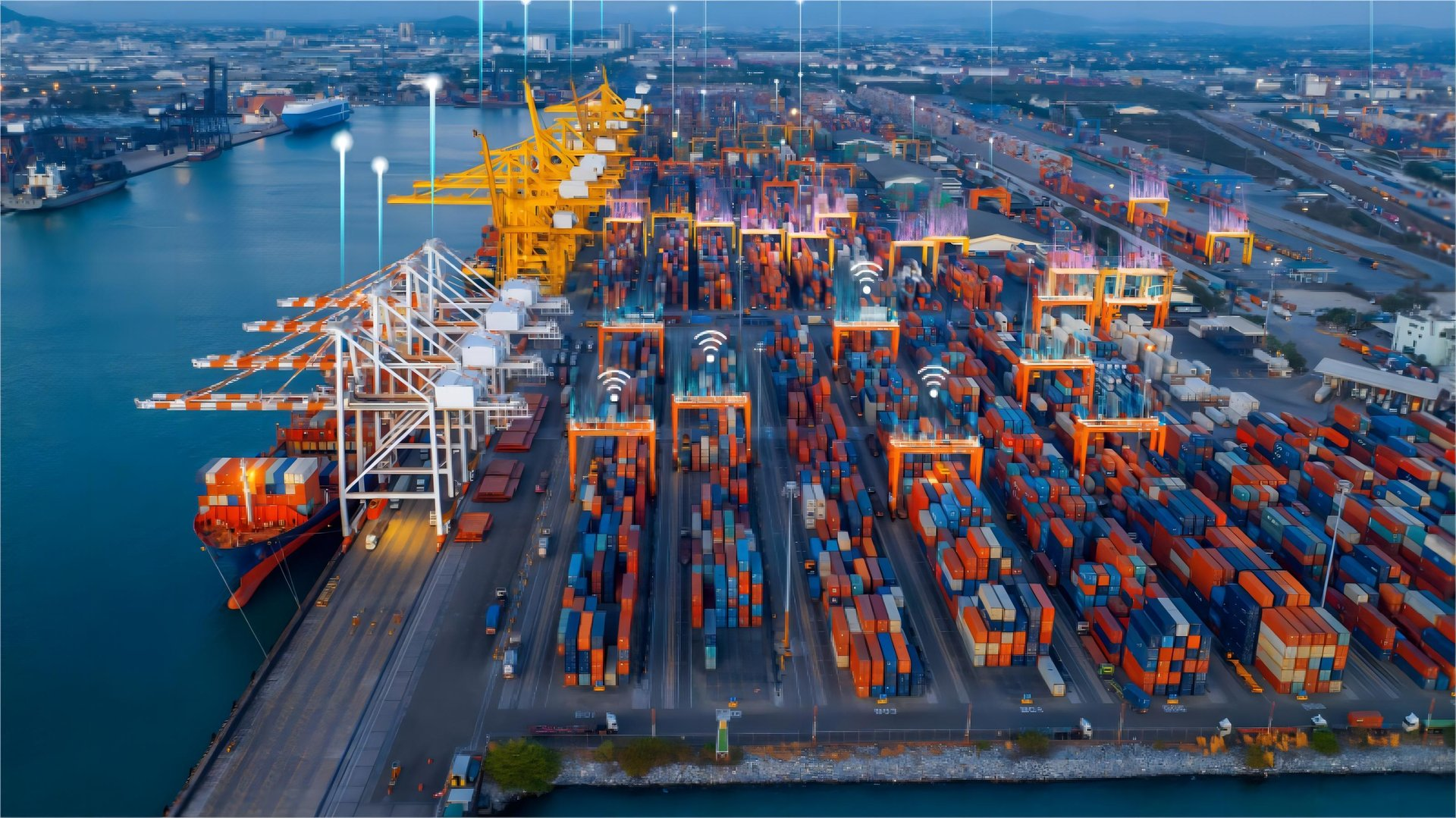
What defines a china freight forwarding company door to door global service?
A professional china freight forwarding company door to door global service manages the entire movement of goods from the supplier in China to the buyer’s doorstep. This process involves several critical stages including inland transportation, export documentation, international freight, and final delivery. Moreover, the provider handles all customs formalities at both the origin and destination to prevent costly delays. Therefore, businesses can focus on their core operations while experts manage the intricate details of global logistics. In addition, this service typically operates under DDP or DAP Incoterms to provide maximum convenience for the importer.
Selecting this type of service ensures that a single entity remains accountable for the safety and timeliness of your cargo. Furthermore, modern logistics platforms offer real-time tracking so you can monitor your shipment’s progress across every milestone. Specifically, a dedicated freight forwarder coordinates with local carriers and port authorities to optimize transit times. Consequently, you reduce the risk of communication gaps that often occur when using multiple independent shipping agents. Every step is synchronized to ensure a seamless transition between different modes of transport.
How does door to door compare to other shipping options?
Comparing different logistics models is essential for determining the most cost-effective and efficient strategy for your business. While traditional port-to-port shipping might seem cheaper initially, it often involves hidden costs and logistical headaches for the receiver. For instance, you would need to arrange your own trucking from the port and handle destination customs separately. On the other hand, a comprehensive door to door solution includes these services in a single quoted price. This transparency allows for better budgeting and financial planning within your supply chain management.
Choosing between FCL and LCL is another vital consideration for businesses importing from China. Full Container Load (FCL) is ideal for large volumes, while Less than Container Load (LCL) serves smaller shipments by sharing space. Meanwhile, hybrid solutions like sea-air or rail-sea combinations offer a balance between speed and expenditure. Indeed, the right choice depends on your specific transit time requirements and total cargo volume. We recommend evaluating your priorities carefully before finalizing your shipping method.
| Shipping Method | Cost Range | Transit Time | Best For |
|---|---|---|---|
| Express Courier | Highest | 3-7 Days | Samples and Small Parcels |
| Air Freight | High | 5-12 Days | High-Value and Urgent Goods |
| Rail Freight | Medium | 18-25 Days | Mid-Size Cargo to Europe |
| Sea Freight | Lowest | 30-45 Days | Bulk Shipments and Containers |
Why is sea freight the backbone of global trade?
Efficiency and scale make sea freight the most popular choice for transporting large volumes of goods from China. Carriers utilize massive container ships that can hold thousands of TEUs, significantly reducing the cost per unit for importers. Furthermore, sea transport is capable of handling oversized or hazardous materials that are often restricted in air travel. Consequently, most industrial machinery, furniture, and consumer electronics move via ocean routes. As of Q1 2026, freight rates have stabilized after previous disruptions, making ocean shipping even more attractive.
Large shipments benefit from the stability and reliability of established maritime schedules. However, transit times are longer compared to other modes, requiring careful inventory planning to avoid stockouts. Additionally, choosing the right port of loading, such as Shenzhen or Ningbo, can impact your total inland transit costs. Therefore, a knowledgeable forwarder will analyze your supplier’s location to suggest the most efficient departure point. This strategic planning ensures that your sea cargo reaches its destination with minimal delays.
When should you choose air freight for your cargo?
High-value items and time-sensitive products often require the speed provided by air freight services. While the cost is significantly higher than sea transport, the reduction in transit time can justify the expense for certain industries. For example, fashion retailers and electronics manufacturers use air routes to quickly respond to market trends. Moreover, air shipping offers higher security levels and less handling, which reduces the risk of damage or theft. Consequently, it remains the preferred option for delicate or perishable goods.
Urgent shipments can reach major global hubs within just a few days when utilizing direct flight paths. In contrast, transshipment routes might take slightly longer but offer lower rates for budget-conscious shippers. Specifically, air cargo is calculated based on either actual weight or volumetric weight, whichever is higher. Therefore, optimizing your packaging is crucial to avoid paying for empty space. Professional logistics providers assist in consolidating shipments to maximize efficiency and reduce overall costs.
Is rail freight a viable alternative for Europe?
Rail transport has emerged as a powerful middle-ground solution, specifically through the rail freight networks connecting China to Europe. This method is faster than sea freight and considerably cheaper than air freight, offering a balanced value proposition. Additionally, the expansion of the New Silk Road has improved infrastructure and reduced transit times to approximately 20 days. Northern routes through Russia or middle corridors via Central Asia provide multiple options for reaching inland European destinations. Consequently, many businesses now use rail for mid-range shipments that are not extremely urgent.
Land-based transport is also less affected by weather conditions compared to maritime shipping. However, rail freight is not an option for routes to Australia or North America due to geographical constraints. Meanwhile, the environmental impact of rail is lower than air travel, making it a greener choice for sustainable supply chains. Specifically, it works best for goods like automotive parts and industrial components. Every year, more companies integrate rail into their logistics strategy to diversify their transport modes.
How to navigate customs brokerage and documentation?
Successful international shipping depends heavily on accurate customs brokerage to ensure all legal requirements are met. Every country has unique regulations regarding duties, taxes, and prohibited items that must be strictly followed. Furthermore, missing or incorrect paperwork can lead to severe penalties, cargo seizures, or lengthy port delays. Therefore, having an expert handle your commercial invoice, packing list, and bill of lading is essential. Accurate classification of goods using HS codes determines the exact duty rates you will pay.
Compliance remains a top priority for any china freight forwarding company door to door global service operating in 2026. Transitioning through customs smoothly requires proactive communication between the forwarder, the carrier, and the local authorities. Specifically, digital documentation systems have become the standard, allowing for faster processing and fewer manual errors. Consequently, importers who utilize tech-enabled logistics partners experience fewer bottlenecks at the border. Always ensure your provider is licensed and has a deep understanding of destination-specific import laws.
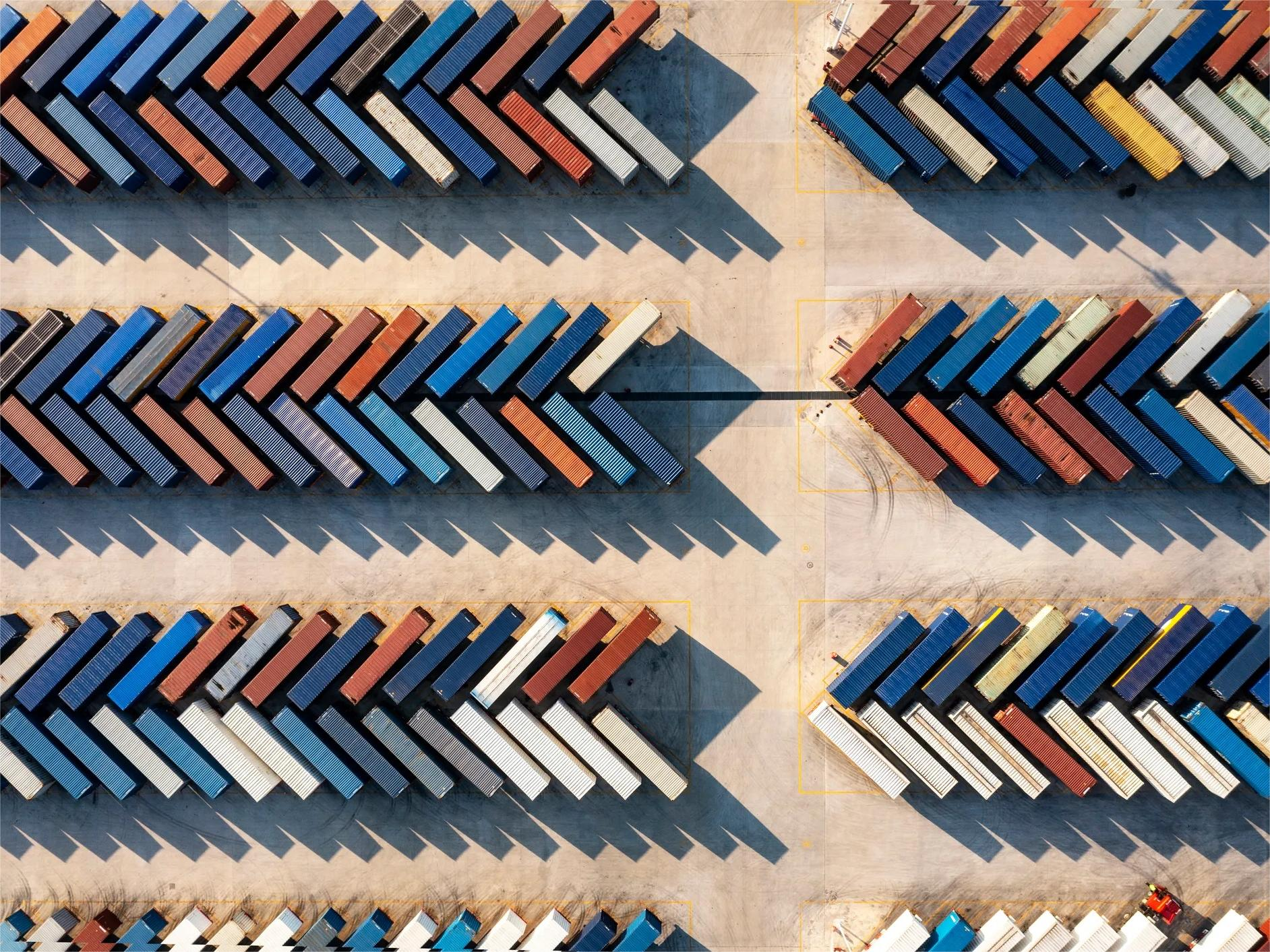
Which shipping option should you choose?
Budget priorities usually lead businesses toward sea freight, especially when dealing with large volumes that are not time-critical. Speed priorities, conversely, necessitate air freight or express services to meet tight deadlines. Volume thresholds also play a role; for instance, shipments under 1 CBM are often best handled by express couriers. Meanwhile, cargo types like heavy machinery are almost exclusively suited for ocean containers. Strategic planning involves weighing these factors against your specific business goals and customer expectations.
Finalizing your decision requires a clear understanding of the total landed cost, which includes all fees from origin to destination. Requesting a detailed quote from a china freight forwarding company door to door global service helps prevent unexpected expenses. Specifically, check if the quote includes customs duties, local delivery fees, and insurance. Consequently, you can make an informed choice that balances cost-efficiency with operational reliability. Success in global trade is built on choosing the right logistics path for every unique shipment.
| Priority | Recommended Method | Transit Time | Cost Level |
|---|---|---|---|
| Lowest Cost | Sea Freight (FCL) | 30-40 Days | Low |
| Fastest Delivery | Air Freight | 5-7 Days | High |
| Balance | Rail Freight | 18-22 Days | Moderate |
| Small Volume | LCL / Express | Variable | Varies |
Real Case Studies from 2026
Case Study 1: Shenzhen to Hamburg. Route: Shenzhen, China to Hamburg, Germany. Cargo: Industrial Electronics, 28 CBM, 4500 kg. Container: 40HQ. Shipping Details: Rail Freight via Middle Corridor. Port of Loading: Xi’an Terminal. Port of Discharge: Hamburg Billwerder. Cost Breakdown: Rail Freight: $4,200. Origin Charges: $450. Destination Charges: $600. Customs and Duties: $1,200. Total Landed Cost: $6,450. Timeline: Booking to Loading: 3 days. Rail Transit: 19 days. Customs Clearance: 2 days. Total Door-to-Door: 24 days. Key Insight: Choosing rail saved the client $8,000 compared to air freight while arriving 15 days faster than sea.
Case Study 2: Ningbo to Los Angeles. Route: Ningbo, China to Los Angeles, USA. Cargo: Home Furniture, 15 CBM, 3000 kg. Container: LCL. Shipping Details: Sea Freight. Port of Loading: Ningbo-Zhoushan. Port of Discharge: Port of Los Angeles. Cost Breakdown: Ocean Freight: $1,900. Origin Charges: $300. Destination Charges: $550. Customs and Duties: $800. Total Landed Cost: $3,550. Timeline: Booking to Loading: 5 days. Sea Transit: 16 days. Customs Clearance: 3 days. Total Door-to-Door: 24 days. Key Insight: Utilizing LCL door to door service allowed the small business to avoid warehouse storage fees at the port.
Case Study 3: Shanghai to Sydney. Route: Shanghai, China to Sydney, Australia. Cargo: Seasonal Apparel, 2 CBM, 400 kg. Shipping Method: Air Freight. Port of Loading: Shanghai Pudong (PVG). Port of Discharge: Sydney Kingsford Smith (SYD). Cost Breakdown: Air Freight: $2,800. Origin Charges: $200. Destination Charges: $350. Customs and Duties: $500. Total Landed Cost: $3,850. Timeline: Booking to Loading: 2 days. Air Transit: 3 days. Customs Clearance: 1 day. Total Door-to-Door: 6 days. Key Insight: Air freight was essential to meet the launch date for the new fashion season.
Market Intelligence and Trends in 2026
According to industry benchmarks, freight rates from China to Europe have stabilized in early 2026 after the volatility seen in previous years. Market data suggests that carriers are increasing capacity on trans-Pacific routes to meet rising demand in North America. Additionally, the integration of AI in logistics planning has improved transit time accuracy by 15 percent across major routes. Rates typically increase 15-25 percent during the August-October peak season, so early booking is highly recommended. Typical rates as of early 2026 reflect a more balanced supply-demand ratio in the maritime sector.
Disclaimer: Freight rates are subject to change based on fuel costs, carrier capacity, and seasonal demand. Contact us for a current quote tailored to your specific shipment. Industry average for this route can vary significantly based on the specific commodity and weight.
Finalizing Your Global Logistics Strategy
Establishing a partnership with a china freight forwarding company door to door global service is a strategic move for any serious importer. By consolidating your logistics needs under one provider, you gain better control over your costs and delivery schedules. Transitioning to a door to door model reduces the complexity of international trade and minimizes the risk of logistical errors. Ultimately, the right logistics partner acts as an extension of your business, ensuring that your goods move smoothly across borders.
Reliability and transparency should always be your top priorities when selecting a freight forwarder in 2026. Whether you choose sea, air, or rail, ensure your provider offers the comprehensive support needed for your specific cargo. Start optimizing your global operations today by choosing a service that understands the nuances of the Chinese export market. A well-managed supply chain is the foundation of long-term business success.

Need a tailored shipping solution?
Take the first step toward a more efficient supply chain today. Contact our team to receive a customized quote for your next china freight forwarding company door to door global service shipment. We are ready to help you optimize your logistics and save on international shipping costs. Send Inquiry to get started.