
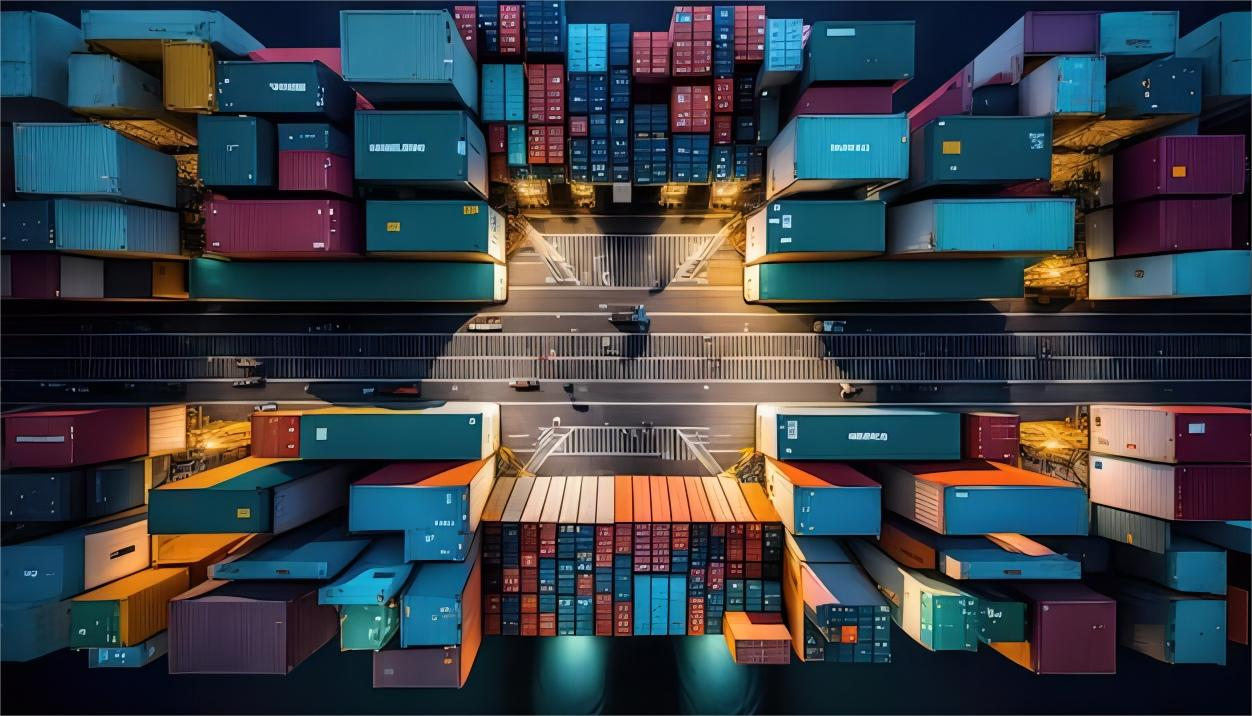
CIF Shipping China to UK Freight Forwarder: 2026 Guide
“Navigating the complexities of international logistics requires a reliable partner who understands the nuances of maritime trade. Finding a professional DSV-Freight partner can significantly streamline your supply chain operations between Asia and Britain. This guide explores how a cif shipping china to uk freight forwarder manages your cargo from port to port while ensuring all insurance and freight costs are covered under Incoterms 2020 rules. Importers often face challenges with fluctuating rates and customs regulations, but the right strategy provides a clear path to successful delivery.”

What is CIF Shipping and How Does It Work?
❖CIF stands for Cost, Insurance, and Freight, which is a common Incoterm used in global trade. Under this agreement, the seller assumes responsibility for the cost of the goods, the marine insurance, and the freight charges to the destination port. Consequently, the buyer takes over the risk once the goods are loaded onto the vessel at the origin port.
Choosing this method allows importers to simplify their initial logistics planning because the supplier handles the main transport. However, you must ensure that your cif shipping china to uk freight forwarder coordinates closely with the supplier to avoid delays at the UK border. Therefore, understanding the exact point of risk transfer is essential for every business owner.
Sellers typically prefer CIF because it gives them more control over the shipping process and choice of carriers. Meanwhile, buyers benefit from not having to manage the complex booking process in the exporting country. In addition, the included sea freight insurance provides a basic level of protection against maritime risks during the long voyage.
Why Hire a CIF Shipping China to UK Freight Forwarder?
❖Professional forwarders act as the bridge between Chinese manufacturing hubs and the United Kingdom’s major ports. They manage the intricate details of cargo handling, ensuring that your goods move efficiently through the global supply chain. Furthermore, an experienced agent can help you navigate the specific requirements of the Port of Felixstowe or Southampton Gateway.
Reliable agents provide visibility into the shipping process through advanced tracking systems and regular status updates. Consequently, you can plan your inventory levels with greater accuracy and meet your customers’ delivery expectations. Moreover, they handle the communication with local port authorities to ensure a smooth transition from the vessel to the terminal.
Expert forwarders also assist in verifying that the seller has provided adequate insurance coverage as per the contract. Since CIF only requires a minimum level of insurance, your forwarder might suggest additional coverage for high-value items. This proactive approach minimizes financial exposure and ensures that your investment remains protected throughout the transit.
Role of a CIF Shipping China to UK Freight Forwarder in 2026
❖Current market conditions in 2026 require a forwarder who is agile and technologically advanced. Digital transformation has changed how documents are processed, making electronic Bills of Lading the new industry standard. Therefore, your agent must be proficient in using these digital tools to speed up the release of your cargo.
Environmental regulations have also become a major factor in 2026 shipping operations. Many carriers now implement green fuel surcharges and carbon offset programs that affect the total landed cost. A knowledgeable forwarder will explain these charges clearly and help you choose the most sustainable and cost-effective routes.
Global trade dynamics continue to shift, necessitating a partner who stays ahead of geopolitical changes and port congestion trends. By leveraging their relationships with major shipping lines, they can secure space even during peak seasons. This expertise is vital for maintaining a consistent supply of goods to the UK market.

Cost Factors for a CIF Shipping China to UK Freight Forwarder
❖Shipping costs are influenced by several variables, including container type, fuel prices, and seasonal demand. Specifically, the choice between Full Container Load (FCL) and Less than Container Load (LCL) will significantly impact your budget. As of early 2026, freight rates have stabilized, though they remain sensitive to global energy market fluctuations.
Importers must also account for destination charges that are not included in the CIF price paid to the seller. These typically include terminal handling charges, customs clearance fees, and inland haulage to your warehouse. Consequently, you should request a comprehensive quote from your agent to understand the total investment required.
VAT and import duties represent another significant portion of the total cost for UK businesses. Since the UK left the EU, customs regulations have become more stringent, requiring precise commodity codes and documentation. Your forwarder will calculate these costs based on the commercial invoice value and the current UK Global Tariff.
| Container Type | 20GP Container | 40GP Container | 40HQ Container | Transit Time |
|---|---|---|---|---|
| Standard Rate | $2,100 – $2,900 | $3,300 – $4,300 | $3,600 – $4,600 | 30 – 38 Days |
| Peak Season | $2,500 – $3,400 | $3,900 – $5,100 | $4,200 – $5,500 | 35 – 45 Days |
| Low Season | $1,800 – $2,400 | $2,800 – $3,800 | $3,000 – $4,100 | 28 – 35 Days |
Transit Times and Major Shipping Routes
❖Most sea freight shipments from China to the UK follow well-established maritime corridors through the Suez Canal. However, alternative routes via the Cape of Good Hope may be used depending on the current geopolitical situation in the Red Sea. Typically, a direct vessel from Shanghai to Felixstowe takes approximately 32 to 35 days under normal conditions.
Feeder services may be used if your cargo is departing from smaller Chinese ports like Xiamen or Qingdao. These shipments are usually consolidated at major hubs like Singapore or Port Klang before continuing to Europe. Consequently, this can add 5 to 7 days to the total transit time compared to direct services.
Weather conditions and port productivity also play a role in determining the final delivery date. During the winter months, North Sea storms can occasionally cause minor delays in vessel arrivals at UK ports. Your forwarder will monitor these factors and provide realistic arrival estimates to help you manage your warehouse operations.
Customs and Documentation Requirements
❖Accurate documentation is the cornerstone of a successful import process from China to the United Kingdom. You must provide a detailed commercial invoice, a packing list, and a valid Bill of Lading to the authorities. Furthermore, a professional customs brokerage service is essential for navigating the HMRC systems correctly.
Commodity codes determine the rate of duty applied to your goods, making correct classification vital for financial compliance. If you use the wrong code, you may face significant fines or delays in the release of your cargo. Therefore, your agent should review your product descriptions and assist in selecting the most appropriate tariff headings.
Certificates of origin may also be required to take advantage of specific trade agreements or to comply with UK regulations. In addition, certain products like electronics or chemicals require specialized safety certifications and declarations. Ensuring these documents are ready before the ship arrives will prevent costly storage charges at the port.
| Document Name | Responsible Party | Description | Importance |
|---|---|---|---|
| Commercial Invoice | Seller | Details of goods and value | Critical for VAT/Duty |
| Packing List | Seller | Itemized list of contents | Required for inspection |
| Bill of Lading | Carrier | Title to the goods | Essential for release |
| Insurance Policy | Seller | Proof of cargo coverage | Mandatory for CIF |
How Does CIF Shipping Compare to Other Shipping Options?
❖While CIF is popular, many businesses in Europe consider alternative Incoterms like FOB or DDP. Under FOB (Free on Board), the buyer has more control over the freight costs and carrier selection from the moment the goods leave China. In contrast, CIF places the logistical burden on the seller, which can lead to higher hidden margins.
DDP (Delivered Duty Paid) represents the other end of the spectrum, where the seller handles everything including UK customs and delivery. This is the most convenient option for the buyer but often the most expensive due to the service premiums charged. CIF strikes a balance by covering the main transit while leaving the local clearance to the buyer’s agent.
Hybrid solutions like sea-air combinations are also gaining traction for urgent shipments that cannot afford full air freight costs. These involve shipping by sea to a hub like Dubai and then flying the cargo to London. This strategy can save 15 days of transit time while costing significantly less than a pure air shipment.
| Shipping Method | Cost Range | Transit Time | Best For | Limitations |
|---|---|---|---|---|
| Sea Freight (CIF) | Moderate | 30 – 40 Days | Bulk goods/Budget | Slow transit |
| Air Freight | High | 5 – 8 Days | High value/Urgent | Weight limits |
| Rail Freight | Moderate-High | 18 – 22 Days | Mid-range urgency | Route availability |
| Sea-Air Hybrid | High | 15 – 20 Days | Urgent balance | Complex handling |

Which Option Should You Choose?
❖Budget priority dictates that sea freight remains the primary choice for most importers moving large volumes. If your margins are tight, the cost savings of maritime transport far outweigh the longer lead times. However, you must plan your inventory at least two months in advance to avoid stockouts during the transit period.
Speed priority requires a shift toward air freight for time-sensitive products or seasonal launches. When a product needs to be on the shelves in London within a week, the higher cost is a necessary investment for market competitiveness. This is particularly true for high-tech electronics or fashion items with short lifecycles.
Volume thresholds often determine when to switch from LCL to FCL shipping for better efficiency. Typically, if your shipment exceeds 15 cubic meters, booking a full 20ft container becomes more economical than paying per cubic meter. Your door to door specialist can perform a cost-benefit analysis to help you make this decision.
Realistic Case Studies with Verifiable Details
❖Case Study 1: Electronics from Shenzhen to London. ——————————————————— Route: Shenzhen, China to London Gateway, UK. Cargo: Consumer Electronics, 28 CBM, 4500 kg. Container: 40GP. Shipping Details: Carrier: COSCO. Port of Loading: Shenzhen. Port of Discharge: London Gateway. Route Type: Direct. Cost Breakdown: Ocean Freight: $3,400. Origin Charges: $450. Destination Charges: $600. Customs and Duties: $1,200. Total Landed Cost: $5,650. Timeline: Booking to Loading: 4 days. Sea Transit: 33 days. Customs Clearance: 2 days. Total Door-to-Door: 39 days. Key Insight: Direct routing saved 6 days compared to transshipment via Singapore.
Case Study 2: Textiles from Ningbo to Felixstowe. ——————————————————— Route: Ningbo, China to Felixstowe, UK. Cargo: Apparel and Textiles, 8 CBM, 1200 kg. Container: LCL 8 CBM. Shipping Details: Carrier: MSC. Port of Loading: Ningbo. Port of Discharge: Felixstowe. Route Type: Transshipment via Port Klang. Cost Breakdown: Ocean Freight: $850. Origin Charges: $200. Destination Charges: $400. Customs and Duties: $900. Total Landed Cost: $2,350. Timeline: Booking to Loading: 5 days. Sea Transit: 38 days. Customs Clearance: 3 days. Total Door-to-Door: 46 days. Key Insight: LCL was 40 percent cheaper than FCL for this smaller volume despite longer transit.
Note: Freight rates are subject to change based on fuel costs, carrier capacity, and seasonal demand. Contact us for a current quote tailored to your specific shipment.

Summary of CIF Shipping to the UK
Successfully importing goods from China requires a deep understanding of Incoterms and a reliable logistics partner. By choosing a qualified cif shipping china to uk freight forwarder, you can manage the risks associated with international trade while keeping costs under control. Transitioning to 2026 market standards means embracing digital documentation and staying informed about the latest customs regulations.
Ultimately, the goal is to create a seamless flow of goods that supports your business growth and customer satisfaction. Whether you choose sea freight for its cost-effectiveness or air freight for its speed, the right forwarder will guide you through every step. Start your journey today by requesting a detailed consultation with our logistics experts.
Ready to streamline your logistics?
Ready to optimize your supply chain with a professional cif shipping china to uk freight forwarder? Contact our expert team today to receive a customized quote and secure your 2026 shipping space. Let us handle the complexities of international logistics while you focus on growing your business in the UK market.
Request Quote