

China Factory to Amazon FBA Warehouse Shipping: 2026 Guide
Navigating the complexities of china factory to amazon fba warehouse shipping requires a strategic approach to ensure your inventory arrives safely and on time. At DSV-Freight, we simplify the intricacies of global logistics for e-commerce sellers looking to scale their operations. This comprehensive guide provides actionable insights into optimizing your supply chain for maximum profitability in the current 2026 market environment.
Understanding the Logistics of China Factory to Amazon FBA Warehouse Shipping
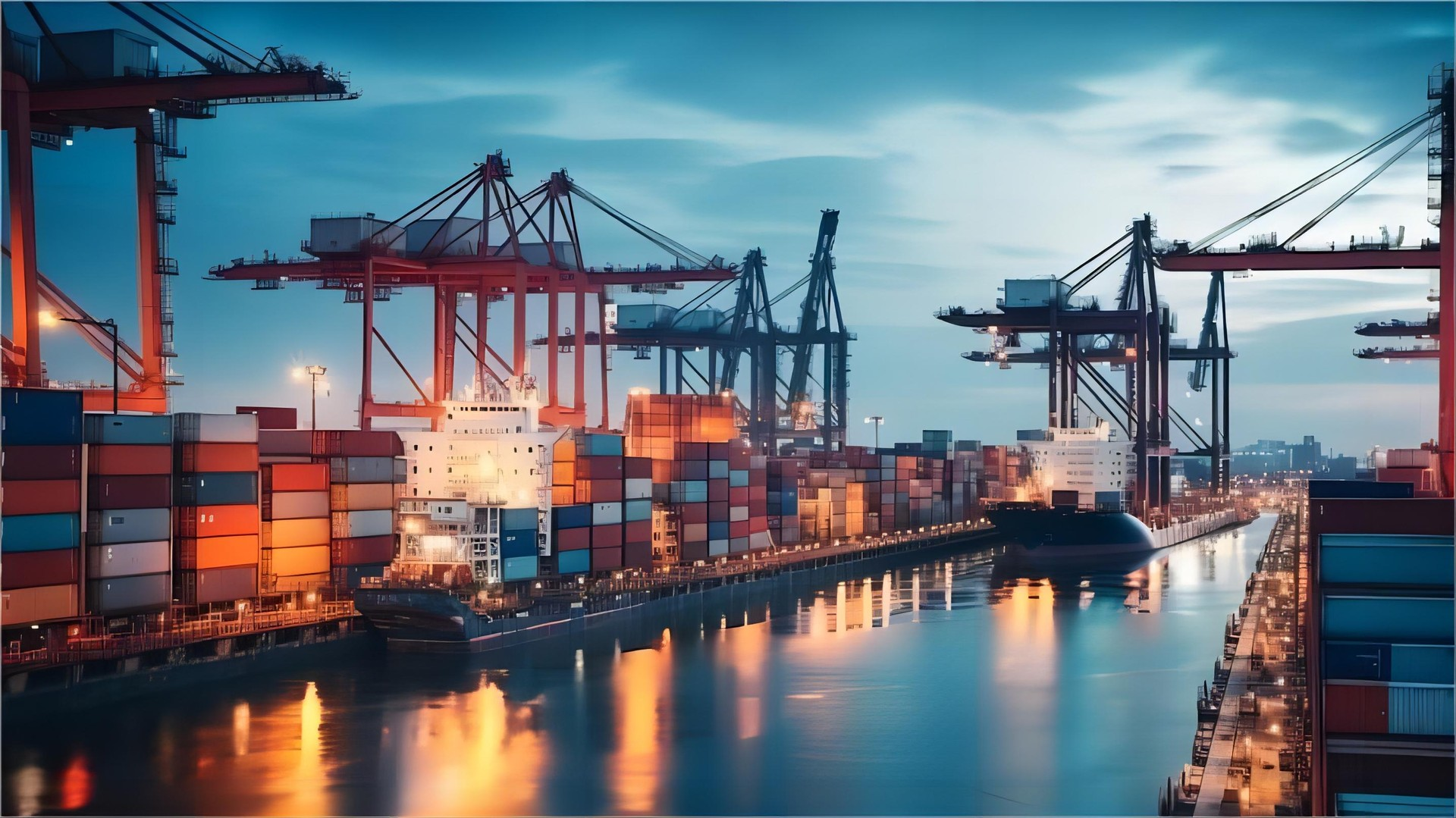
Managing a successful e-commerce business involves more than just finding a reliable manufacturer; it requires a robust plan for china factory to amazon fba warehouse shipping. Consequently, sellers must understand the various stages of the logistics journey, from the initial factory pickup to the final delivery at an Amazon fulfillment center. Furthermore, the 2026 shipping landscape has become increasingly sophisticated, demanding better coordination between suppliers and freight forwarders.
Choosing the right logistics partner is essential for maintaining a healthy supply chain and avoiding costly delays. Therefore, utilizing specialized Amazon FBA services can provide the expertise needed to navigate Amazon strict labeling and packaging requirements. Additionally, a professional forwarder will handle the heavy lifting, allowing you to focus on marketing and growing your brand.
Market trends in early 2026 suggest that inventory management is becoming more data-driven than ever before. For instance, many sellers are now using real-time tracking to monitor their cargo handling status across different transit points. Nevertheless, the core principles of efficient shipping remain the same: preparation, documentation, and choosing the right transport mode.
How Does Sea Freight Compare to Other Shipping Options?
Evaluating the best transport method involves a careful analysis of cost, speed, and volume. While sea freight remains the most popular choice for bulk shipments, other alternatives like air and rail offer unique advantages depending on your specific needs. Indeed, the choice between FCL and LCL can significantly impact your overall amazon fba shipping costs.
Moreover, sea freight currently offers the lowest cost per unit for large-scale inventory replenishment. In contrast, air freight provides a much faster turnaround, which is vital for high-demand products or seasonal launches. Meanwhile, rail freight has emerged as a middle-ground solution for shipments to Europe, offering faster transit than sea at a lower price point than air.
Strategic planning often involves a mix of these methods to balance budget and inventory levels. For example, a seller might ship the bulk of their stock via ocean while sending a small batch via air freight to avoid stockouts. This hybrid approach ensures that the supply chain remains resilient against unforeseen disruptions.
| Shipping Method | Cost Range (per CBM/kg) | Transit Time | Best For |
|---|---|---|---|
| Sea Freight (FCL) | $150 – $300 per CBM | 25-40 Days | Large bulk inventory |
| Air Freight | $5.00 – $9.00 per kg | 5-9 Days | Urgent or high-value |
| Rail Freight | $180 – $350 per CBM | 18-25 Days | European destinations |
| Express Service | $8.00 – $12.00 per kg | 3-5 Days | Small samples/parcels |
Which Option Should You Choose for Your FBA Business?
Decision making for your shipping strategy should be based on clear volume thresholds and budget priorities. If your shipment is over 15 CBM, a Full Container Load (FCL) is generally the most economical choice. Conversely, for smaller shipments, Less than Container Load (LCL) allows you to share space with other shippers, though it may involve longer handling times at the port.
Budget-conscious sellers should prioritize sea freight, especially when planning inventory 3-4 months in advance. However, if speed is your primary concern, express services or air cargo are the only viable routes to meet tight deadlines. According to industry benchmarks in 2026, the sweet spot for switching from LCL to FCL often occurs around the 13-15 CBM mark.
Cargo type also plays a critical role in your selection process. For instance, heavy or bulky items like furniture are prohibitively expensive to ship by air, whereas lightweight electronics might benefit from the security and speed of air transport. Ultimately, your choice should align with your profit margins and customer delivery expectations.
Navigating Customs Brokerage and Documentation
Successful customs clearance is the hurdle that many sellers fear the most, yet it is manageable with the right paperwork. Utilizing a dedicated customs brokerage service ensures that all duties and taxes are calculated correctly, preventing your goods from being held at the border. Furthermore, accurate documentation is the foundation of a smooth import/export process.
Essential documents include the Commercial Invoice, Packing List, and Bill of Lading. Additionally, you must ensure that your products comply with all safety regulations in the destination country. For example, electronics shipped to the USA may require specific FCC certifications, while toys in Europe need CE marking. Without these, your china factory to amazon fba warehouse shipping process could face significant legal obstacles.
Market data suggests that nearly 20% of shipping delays are caused by documentation errors. Therefore, double-checking every detail on your forms is not just a good practice; it is a necessity. Indeed, working with an experienced partner can help you navigate the complexities of Harmonized System (HS) codes and duty rates.
The Benefits of Door to Door FBA Shipping
Simplifying your logistics through a door to door service model can save you countless hours of coordination. This service covers everything from the factory floor in China to the Amazon warehouse docks. Consequently, you do not have to worry about arranging local trucking or managing multiple points of contact throughout the journey.
Moreover, this all-inclusive approach often results in more predictable pricing. When you receive a quote for door-to-door delivery, it typically includes ocean freight, port charges, customs clearance, and final mile delivery. As a result, you can calculate your landed cost more accurately, which is vital for setting competitive prices on Amazon.
Transitioning to a turnkey solution also reduces the risk of miscommunication between different logistics providers. For instance, if a single company manages the entire route, they are responsible for every transition, from the port of loading to the final destination. This accountability is a significant advantage for growing e-commerce brands.

Real-World Case Studies: 2026 Shipping Scenarios
Reviewing actual shipping data can provide a realistic perspective on what to expect for your own inventory. These cases reflect the typical rates and timelines observed in early 2026. Note: Freight rates are subject to change based on fuel costs, carrier capacity, and seasonal demand. Contact us for a current quote tailored to your specific shipment.
Case Study 1: Large Volume Sea Freight. Route: Ningbo, China to Los Angeles, USA. Cargo: 1,200 sets of kitchenware, 40HQ Container. Carrier: COSCO. Port of Loading: Ningbo. Port of Discharge: Los Angeles. Total Landed Cost: $4,850 (including duties). Total Door-to-Door: 28 days. Key Insight: Booking 4 weeks in advance secured a rate 15% lower than the spot market.
Case Study 2: Urgent Air Freight. Route: Shenzhen, China to Hamburg, Germany. Cargo: 500 units of high-end electronics, 450 kg. Carrier: Major Air Carrier. Port of Loading: Shenzhen (SZX). Port of Discharge: Hamburg (HAM). Total Landed Cost: $3,200. Total Door-to-Door: 7 days. Key Insight: Using express clearance saved 2 days at the destination airport, preventing a stockout during a flash sale.
Cost-Saving Strategies and Logistics Trends
Reducing your amazon fba shipping costs requires a combination of smart packaging and timing. For instance, optimizing your box dimensions to fit more units into a single CBM can drastically lower your shipping cost per item. Additionally, avoiding the peak season between August and October can save you between 20% and 30% on freight rates.
Furthermore, the trend toward regional warehousing is gaining momentum in 2026. Some sellers are choosing to store a portion of their inventory in 3PL warehouses near the port of entry before trickling it into FBA. This strategy helps avoid Amazon’s high long-term storage fees while maintaining a quick replenishment cycle.
Technological advancements are also playing a role in cost reduction. Automated freight platforms now allow sellers to compare rates from multiple carriers instantly. Consequently, staying informed about these logistics trends and tools is essential for maintaining a competitive edge in the global marketplace.
Final Thoughts on FBA Shipping Success
Mastering the process of china factory to amazon fba warehouse shipping is a journey that requires continuous learning and adaptation. By understanding the differences between shipping methods and staying updated on market trends, you can build a more resilient and profitable business. Remember that the cheapest option is not always the best if it leads to delays or damaged goods.
As we move further into 2026, the importance of a reliable logistics partner cannot be overstated. From managing customs brokerage to ensuring timely door-to-door delivery, every step matters. Start planning your next shipment with confidence and take control of your Amazon FBA success today.
Ready to streamline your logistics?
Streamline your supply chain today by partnering with the experts in China to Amazon logistics. Whether you need sea, air, or express solutions, we provide the reliability your business deserves. Visit our website to request a personalized quote and see how we can optimize your china factory to amazon fba warehouse shipping process.
Request Quote