
China to Germany Air Freight Logistics: 2026 Shipping Guide
Managing your china to germany air freight logistics requires a deep understanding of current market dynamics and carrier availability. As of early 2026, businesses face evolving supply chain challenges that demand faster, more reliable transportation solutions. This guide provides a comprehensive overview of how to navigate air shipping routes, optimize your costs, and ensure your goods arrive in Berlin, Hamburg, or Munich without delay.
What defines China to Germany air freight logistics in 2026?
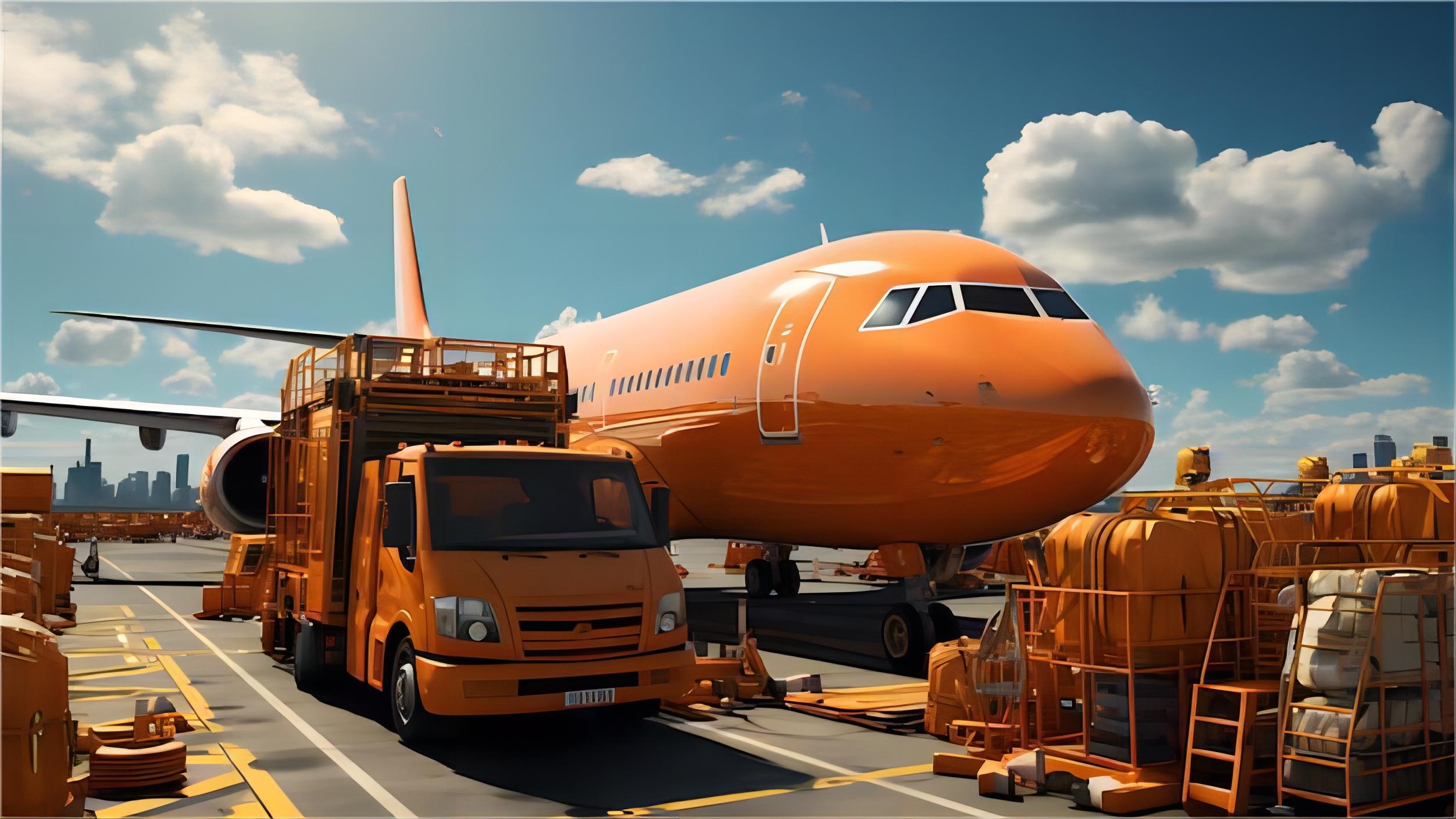
Air transportation remains the pinnacle of speed for international trade between these two economic powerhouses. Furthermore, the landscape of air freight has shifted toward more sustainable fuel options and automated cargo handling in major hubs like Shanghai Pudong and Frankfurt Airport. Consequently, shippers must adapt to these technological advancements to maintain a competitive edge in the European market.
Logistics providers now emphasize real-time tracking and carbon-neutral shipping options. Meanwhile, the demand for high-value electronics and seasonal consumer goods continues to drive the necessity for rapid transit. Indeed, choosing the right logistics partner involves evaluating their ability to handle complex delivery schedules and fluctuating freight rates in a post-2025 economy.
Supply chain resilience has become a top priority for German importers. Accordingly, diversifying your shipping routes and understanding the nuances of cargo handling at both origin and destination is essential for success. This evolution in the industry ensures that your products move through the global network with maximum efficiency and minimal risk.
How much does air freight from China to Germany cost?
Pricing for air shipments is traditionally calculated based on either actual weight or volumetric weight, whichever is higher. Moreover, fuel surcharges and security fees play a significant role in the final invoice you receive from your freight forwarder. Typically, as of early 2026, you can expect rates to fluctuate based on seasonal demand and carrier capacity.
Small shipments benefit from consolidations, which allow multiple smaller parcels to share space on a single flight. Conversely, large-scale industrial cargo may require chartered flights, which significantly increases the total landed cost. Therefore, it is vital to obtain a detailed quote that breaks down all origin and destination charges before booking your shipment.
Market data suggests that rates during the Q4 peak season can rise by 20 percent or more. Nevertheless, strategic planning and early booking can help mitigate these price spikes. Always consult with your logistics provider to understand the current market trends affecting pricing for the Shenzhen-Frankfurt or Beijing-Munich routes.
| 45kg – 100kg | 5.50 – 7.50 | Included | 250 – 750 |
| 101kg – 500kg | 4.80 – 6.20 | Fuel/Security | 480 – 3100 |
| 501kg – 1000kg | 4.20 – 5.50 | Fuel/Security | 2100 – 5500 |
| 1000kg+ | 3.80 – 4.80 | Variable | 3800+ |
How Does China to Germany Air Freight Logistics Compare to Other Shipping Options?
Evaluating different transportation modes is crucial for balancing your budget and delivery requirements. While air freight offers the fastest transit times, it comes at a premium price compared to maritime or rail alternatives. In addition, the environmental impact and cargo capacity vary significantly between these methods, making the choice dependent on your specific business needs.
Sea freight remains the most economical choice for bulky or low-value goods, but the transit time can exceed 35 days. On the other hand, rail freight provides a middle ground, offering faster delivery than the ocean at a lower cost than air. Additionally, express services are ideal for very small, urgent documents or samples that need to arrive within 48 to 72 hours.
Hybrid solutions, such as sea-air combinations, have gained popularity for their ability to balance speed and cost. For example, cargo might travel by sea to a hub like Dubai and then finish the journey to Germany by air. This strategy can reduce costs by 30 percent compared to pure air freight while still saving time over a full ocean voyage.
| Air Freight | High ($4-8/kg) | 3 – 7 Days | High-value, urgent |
| Sea Freight | Low ($2k-4k/40HQ) | 30 – 45 Days | Bulk, heavy goods |
| Rail Freight | Medium ($1-2/kg) | 15 – 22 Days | Mid-value, steady |
| Express | Very High ($10+/kg) | 2 – 4 Days | Samples, documents |

Which Option Should You Choose for Your Cargo?
Choosing the right method depends largely on your inventory turnover and the value of the goods being shipped. If your budget is the primary priority, we recommend sea freight for any shipment over 15 CBM. However, if speed is the priority due to a stock-out or a product launch, air freight is the only viable solution to meet tight deadlines.
Cargo type considerations also play a major role in this decision-making process. For instance, perishable goods or temperature-sensitive pharmaceuticals must utilize air freight with specialized cargo handling. Meanwhile, volume thresholds suggest that once a shipment exceeds 500kg, the price gap between air and rail starts to widen significantly, favoring rail for non-urgent deliveries.
To summarize, businesses should use a tiered approach to their logistics strategy. Use air for emergencies and high-value items, rail for consistent restocking, and sea for large-scale inventory building. This diversified approach ensures that your supply chain remains flexible and cost-effective throughout the year.
What documentation is required for German customs?
Navigating the legal requirements of the European Union is a critical step in the import process. You must ensure that all paperwork is accurate to avoid costly delays at the border. Engaging a professional customs brokerage service can streamline this process and ensure compliance with all German regulations.
Importing into Germany requires an EORI number, which is a unique identification number for businesses interacting with EU customs. Additionally, a commercial invoice, packing list, and air waybill are mandatory for every air shipment. Without a doubt, missing or incorrect information on these documents can lead to cargo seizures or heavy fines.
Specific products may require additional certifications, such as CE marking for electronics or health certificates for food items. Therefore, it is wise to verify all requirements with your freight forwarder before the plane leaves China. Proper preparation ensures a smooth transition from the airport to your final warehouse destination.
| Commercial Invoice | Customs | Value declaration | Digital/Paper |
| Packing List | Warehouse/Customs | Content details | Digital/Paper |
| Air Waybill (AWB) | Carrier/Customs | Contract of carriage | Digital |
| EORI Number | German Customs | Importer ID | Registration |
Real-world case studies of air freight success
Case Study 1: Electronics from Shenzhen to Frankfurt. A tech firm needed 500kg of high-end tablets delivered for a trade show. By using a direct air route, the shipment arrived in just 4 days. Total landed cost was approximately 4,200 USD, including customs duties. Key Insight: Direct routes save time and reduce the risk of handling damage.
Case Study 2: Industrial Parts from Shanghai to Munich. A manufacturing plant faced a production halt due to a broken component. We arranged an express air shipment for a 150kg specialized motor. The part cleared customs in 6 hours and was delivered to the factory floor within 72 hours of the initial booking. Key Insight: Emergency air freight prevents massive losses from downtime.
Case Study 3: Fashion Apparel from Guangzhou to Berlin. A retailer utilized door to door air freight for a seasonal collection launch. The 1,200kg shipment was split across two flights to ensure space availability. Despite a minor delay in Shanghai, the goods reached the Berlin storefront in 8 days. Key Insight: Splitting shipments can sometimes bypass capacity bottlenecks.

How to optimize your logistics costs in 2026?
Reducing your shipping expenses requires a proactive approach to supply chain management. One effective strategy is to optimize your packaging to reduce the volumetric weight of your cargo. Furthermore, consolidating multiple orders into a single shipment can help you qualify for lower weight-based pricing tiers.
Negotiating long-term contracts with carriers can also provide more stability in your freight rates. Additionally, staying informed about logistics trends and peak seasons allows you to schedule shipments during off-peak windows when prices are lower. Indeed, small changes in your shipping schedule can lead to significant savings over the course of a fiscal year.
Consider utilizing amazon fba services if you are a small to medium-sized e-commerce seller. These specialized services often have pre-negotiated rates and streamlined processes for entering the German market. By leveraging their infrastructure, you can focus on growing your sales while they handle the complexities of international transport.
Is rail freight a viable alternative to air?
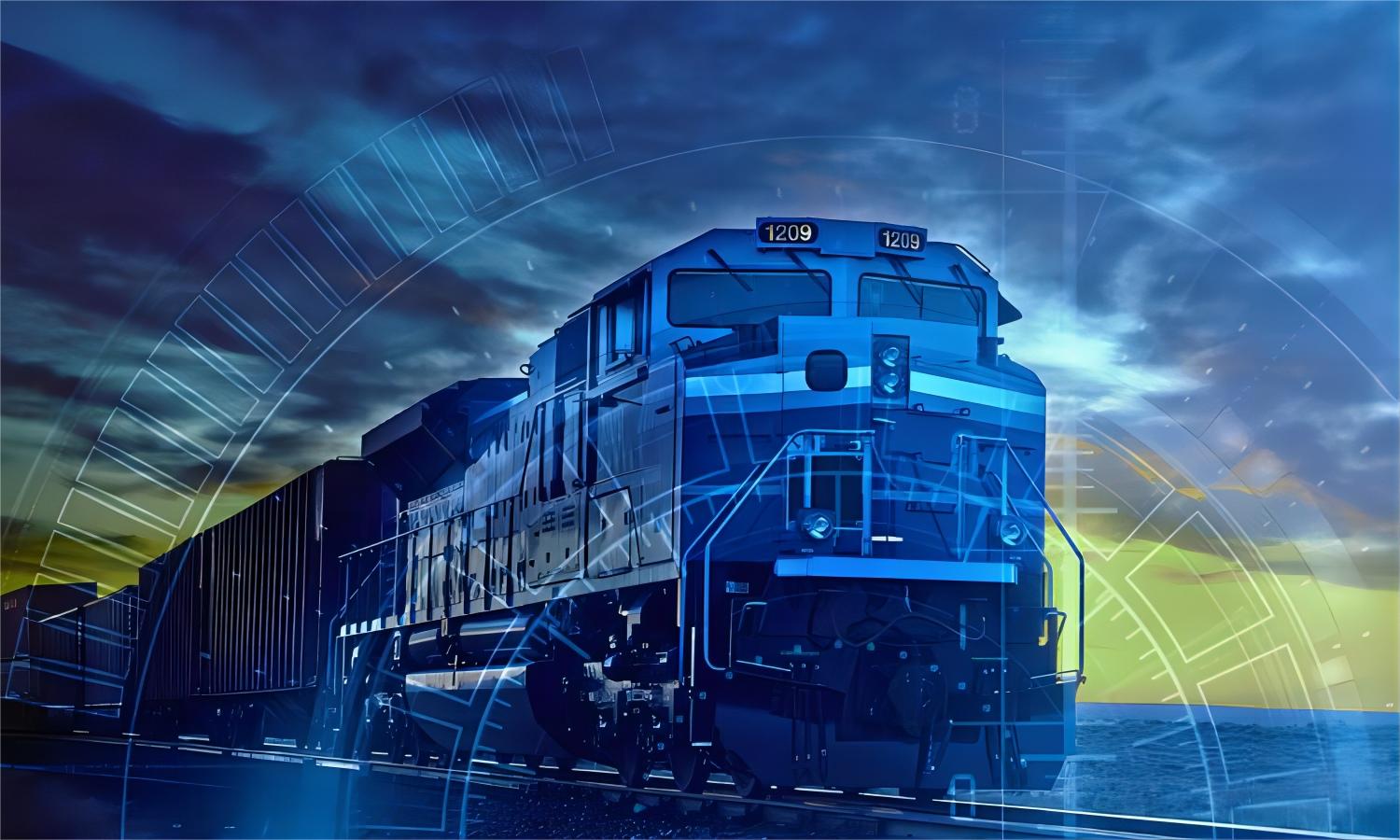
The Iron Silk Road has become a formidable competitor for air transport on the China-Europe route. While air is faster, rail freight offers a significant reduction in carbon emissions and cost. Consequently, many companies are shifting their non-urgent cargo to rail to meet sustainability goals without sacrificing too much speed.
Transit times for rail typically range from 18 to 22 days, which is roughly half the time of sea freight. Moreover, the stability of rail rates compared to the volatile air market makes it an attractive option for budget planning. Therefore, it is worth considering a modal shift for a portion of your inventory to balance your logistics portfolio.
Note: Freight rates are subject to change based on fuel costs, carrier capacity, and seasonal demand. Contact us for a current quote tailored to your specific shipment.
Final Thoughts on Air Logistics Success
Mastering china to germany air freight logistics is essential for any business looking to thrive in the competitive European market of 2026. By understanding the balance between cost and speed, you can make informed decisions that protect your margins and satisfy your customers.
Success in this field requires a combination of strategic planning, reliable partnerships, and a deep knowledge of customs regulations. As logistics trends continue to evolve, staying adaptable will be your greatest asset in maintaining an efficient global supply chain.
Start Your Shipment
Streamline your international trade today with our expert china to germany air freight logistics solutions. Our team provides personalized quotes and end-to-end support to ensure your cargo reaches its destination safely and on time. Visit our website to request your free freight analysis and discover how we can optimize your 2026 supply chain. Send Inquiry: Visit alibabafreight.com
Request Quote