
Best China to Australia Shipping Forwarder: 2026 Logistics Guide
Navigating the complex logistics landscape of 2026 requires a dedicated partner to manage your supply chain efficiently. Choosing a professional china to australia shipping forwarder ensures that your cargo moves seamlessly from Chinese manufacturing hubs to Australian ports. Moreover, the right logistics provider helps you overcome common hurdles like port congestion and fluctuating fuel surcharges. This guide provides essential insights into optimizing your international trade routes while maintaining cost-effective operations.
Why Hire a Specialized China to Australia Shipping Forwarder?
Reliability remains the cornerstone of successful international trade, especially when importing from massive manufacturing centers. Consequently, a specialized forwarder understands the specific bilateral trade agreements and local regulations that affect your shipments. They act as your representative on the ground, coordinating with suppliers and local transport teams to prevent delays.
Furthermore, these experts offer consolidated services that allow smaller businesses to benefit from lower rates. Instead of managing multiple vendors, you gain a single point of contact for the entire journey. Therefore, you can focus on growing your business while the logistics team handles the technical complexities of the route.
Additionally, a seasoned forwarder provides real-time tracking and risk management strategies. In the event of weather disruptions or port strikes, they can quickly pivot to alternative routes or schedules. Indeed, having this level of professional oversight is invaluable for maintaining a consistent inventory flow in 2026.
Air Freight vs Sea Freight: Which is Better for Your Cargo?
Choosing between different transport modes depends heavily on your budget and required delivery speed. For instance, sea freight is the most economical choice for bulky or heavy items that are not time-sensitive. Most businesses prefer this method for large-scale inventory replenishment due to its massive capacity.
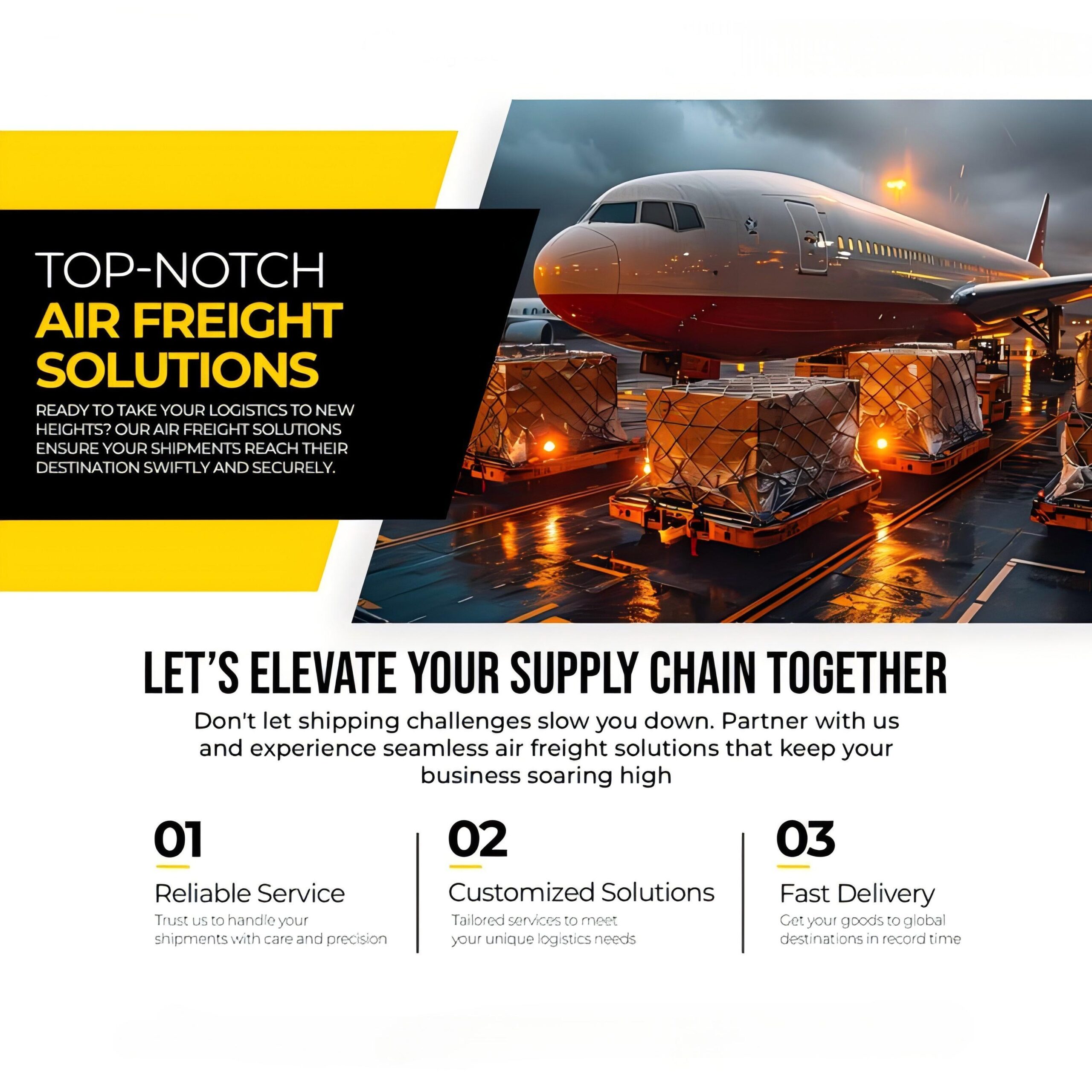
On the other hand, air freight offers unmatched speed for high-value or perishable goods. While the cost is significantly higher, the reduced transit time can help you meet urgent market demands. Without a doubt, the choice between sea and air involves a careful trade-off between expense and efficiency.
To summarize the differences, consider the volume of your goods and your current cash flow. While sea freight takes longer, it allows for much larger shipments at a fraction of the cost per kilogram. Meanwhile, air freight minimizes the time capital is tied up in transit, which can be beneficial for fast-moving consumer electronics.
| Transit Time | 12-25 Days | 3-7 Days | Time Sensitivity |
| Cost | Low | High | Budget Priority |
| Capacity | Unlimited | Limited | Cargo Size |
| Reliability | Moderate | High | Schedule Accuracy |
How Does Sea Freight Compare to Other Shipping Options?
Analyzing all viable alternatives is essential for creating a robust logistics strategy. Although sea freight dominates the China-Australia corridor, businesses often consider hybrid solutions or express services for specific needs. For example, express service provides door-to-door convenience for small parcels.
In contrast to European routes, rail freight is not a viable option for Australia due to the obvious geographic barriers of the Pacific Ocean. Therefore, your primary alternatives are limited to sea, air, and multi-modal combinations. Nevertheless, choosing between FCL and LCL within sea freight acts as a strategic alternative for different shipment sizes.
According to industry benchmarks, sea freight remains the most sustainable and cost-effective method for the majority of Australian importers. However, combining sea freight for the main leg with local express couriers for the final mile can optimize the total landed cost. Indeed, understanding these nuances helps you select the most efficient path for your specific product type.
| FCL (Full Container) | $1,200 – $2,000 | 14-18 Days | Requires high volume |
| LCL (Shared) | $80 – $150/CBM | 18-25 Days | Risk of minor delays |
| Air Freight | $4.50 – $8.00/kg | 3-5 Days | High cost for weight |
| Express Courier | $8.00 – $12.00/kg | 2-4 Days | Small parcels only |
Understanding 2026 Shipping Costs and Market Trends
Market data suggests that freight rates have stabilized in early 2026 following the disruptions of previous years. Nevertheless, seasonal peaks during the Chinese New Year and the Australian pre-Christmas period still cause temporary price spikes. Consequently, booking your shipments at least 3-4 weeks in advance is highly recommended to secure the best rates.
Moreover, fuel surcharges and port handling fees continue to influence the final invoice. Utilizing air freight during these peak times might be necessary if sea slots are fully booked. However, businesses that plan their inventory cycles effectively can usually avoid these premium costs.
Note: Freight rates are subject to change based on fuel costs, carrier capacity, and seasonal demand. Contact us for a current quote tailored to your specific shipment. Based on current market rates, prices for a 20GP container from Shanghai to Sydney typically range between $900 and $1,300 depending on the carrier and service speed.
| Shenzhen to Sydney | $850 – $1,150 | $1,400 – $1,900 | 12-15 Days |
| Ningbo to Melbourne | $950 – $1,250 | $1,500 – $2,000 | 15-18 Days |
| Shanghai to Brisbane | $900 – $1,200 | $1,450 – $1,950 | 14-17 Days |
| Qingdao to Perth | $1,100 – $1,400 | $1,800 – $2,400 | 20-24 Days |
Navigating Customs and Compliance Requirements
Managing the paperwork for Australian Border Force can be a daunting task for many importers. Therefore, hiring a professional customs brokerage service is often the smartest move you can make. They ensure that all declarations are accurate and that you are paying the correct amount of GST and duties.
Additionally, Australia has strict biosecurity laws that require specific treatments for wood packaging and certain organic materials. As a result, failing to provide the correct fumigation certificates can lead to expensive quarantine delays or even the destruction of your goods. Indeed, your forwarder should guide you through these specific requirements before the cargo leaves China.
To ensure a smooth process, always prepare your commercial invoice, packing list, and bill of lading well in advance. Meanwhile, ensure that your supplier provides a Certificate of Origin to take advantage of the China-Australia Free Trade Agreement (ChAFTA). This simple step can significantly reduce or eliminate import duties on many product categories.
Real-World Case Studies: China to Australia Shipping Forwarder Success
Case Study 1: Solar Panel Distribution. Route: Shenzhen, China to Brisbane, Australia. Cargo: 400 Solar Panels, 65 CBM. Container: 2 x 40HQ. Shipping Details: Major carrier, Port of Loading: Shenzhen, Port of Discharge: Brisbane, Route Type: Direct. Cost Breakdown: Ocean Freight: $3,600, Origin Charges: $550, Destination Charges: $720, Customs and Duties: $0 (ChAFTA), Total Landed Cost: $4,870. Timeline: Booking to Loading: 4 days, Sea Transit: 14 days, Customs Clearance: 2 days, Total Door-to-Door: 22 days. Key Insight: Early booking during Q2 2026 allowed the client to avoid the 15% rate hike seen in Q3.
Case Study 2: Boutique Furniture Import. Route: Ningbo, China to Melbourne, Australia. Cargo: Luxury Sofas, 12 CBM. Container: LCL. Shipping Details: Shared container service, Port of Loading: Ningbo, Port of Discharge: Melbourne, Route Type: Transshipment via Singapore. Cost Breakdown: Ocean Freight: $1,080, Origin Charges: $250, Destination Charges: $400, Customs and Duties: $850, Total Landed Cost: $2,580. Timeline: Booking to Loading: 6 days, Sea Transit: 22 days, Customs Clearance: 3 days, Total Door-to-Door: 35 days. Key Insight: Consolidating multiple small orders into one LCL shipment saved the client 30% compared to air freight.
Case Study 3: Urgent Electronics Launch. Route: Shanghai, China to Sydney, Australia. Cargo: Tablet Computers, 2 CBM, 450 kg. Shipping Method: Air Freight. Shipping Details: Direct flight, Port of Loading: Shanghai Pudong, Port of Discharge: Sydney Kingsford Smith. Cost Breakdown: Air Freight: $2,700, Origin Charges: $150, Destination Charges: $200, Customs and Duties: $1,200, Total Landed Cost: $4,250. Timeline: Booking to Loading: 1 day, Air Transit: 1 day, Customs Clearance: 1 day, Total Door-to-Door: 5 days. Key Insight: Using air freight ensured the product was on shelves for the launch date, offsetting the higher transport cost.
Which Shipping Strategy Fits Your Business?
Selecting the right strategy involves looking at your long-term goals rather than just the immediate cost of one shipment. For example, door to door services are ideal for businesses that want a hands-off approach to logistics. This model covers everything from the factory floor in China to your warehouse in Australia.
Alternatively, if you have a robust local transport network, you might prefer a port-to-port arrangement to save on domestic delivery fees. However, this requires you to manage more of the process yourself, which can increase the risk of communication errors. Consequently, most medium-sized enterprises find that the convenience of a full-service forwarder outweighs the slight premium in price.
Without a doubt, the most successful importers are those who maintain a flexible approach. By working with a versatile australia shipping specialist, you can switch between air and sea as your inventory needs change. In conclusion, building a relationship with a reliable forwarder is the best way to ensure long-term stability in your supply chain.
Final Thoughts on Choosing a China to Australia Shipping Forwarder
Successfully managing international logistics in 2026 requires a blend of local expertise and global reach. By partnering with a dedicated china to australia shipping forwarder, you gain the tools necessary to navigate complex customs laws and volatile market rates. Whether you prioritize the speed of air freight or the cost-savings of sea freight, a professional partner ensures your business remains competitive.
To summarize, focus on transparency, communication, and experience when selecting your logistics provider. Always look for a forwarder that offers comprehensive services, from documentation to final delivery. With the right support, your journey from China to Australia will be efficient, predictable, and profitable.

Need a tailored shipping solution?
Ready to streamline your imports from China to Australia? Contact our expert team today to receive a customized quote and discover how our professional china to australia shipping forwarder services can save you time and money. Visit alibabafreight.com to get started now.