
China Logistics Company for Ecommerce Italy: The Ultimate 2025 Shipping Guide
Finding a reliable China logistics company for ecommerce Italy is the cornerstone of scaling a successful online business in the Mediterranean market. Many sellers struggle with high shipping costs and unpredictable transit times that eat into profit margins. By partnering with DSV-Freight, you can streamline your supply chain and ensure your products reach Italian customers efficiently. This guide explores how to optimize your logistics strategy to maintain a competitive edge in the Italian ecommerce landscape.
Why You Need a Specialized China Logistics Company for Ecommerce Italy
Operating an online store requires a logistics partner who understands the nuances of the Italian market and European Union regulations. Specifically, a specialized provider can help you navigate the complex world of VAT, EORI numbers, and local delivery expectations. Choosing the wrong partner often leads to delayed shipments and unhappy customers.
Moreover, the Italian market has unique infrastructure challenges that require local expertise for last-mile delivery. Consequently, working with a logistics expert ensures that your goods move smoothly from Shenzhen or Ningbo to the doorsteps of customers in Rome or Milan. This partnership allows you to focus on marketing and sales while professionals handle the heavy lifting.
How Does Sea Freight Compare to Other Shipping Options?
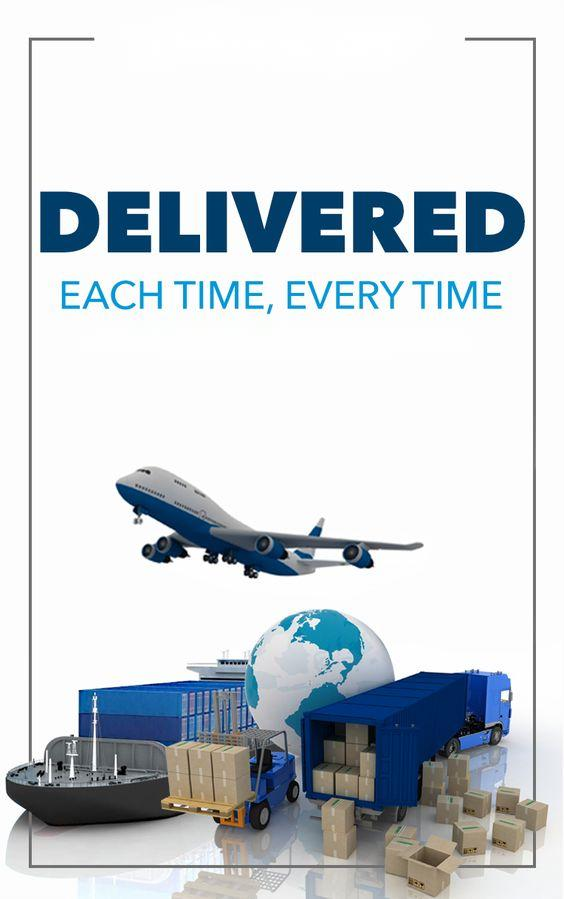
Comparing different transport modes is essential for balancing your budget and delivery speed requirements. While sea freight remains the most cost-effective solution for bulk inventory, air freight offers speed that is unmatched for high-demand products. Therefore, you must evaluate your inventory turnover before deciding on a specific method.
In addition, rail freight has emerged as a middle-ground solution for those shipping to Northern Italy via European rail networks. However, sea freight continues to dominate the route due to the accessibility of major ports like Genoa and Trieste. The following table provides a detailed comparison of the primary shipping methods available for this route.
| Shipping Method | Cost Range | Transit Time | Best For |
|---|---|---|---|
| Sea Freight | $2,000 – $4,200 | 30 – 45 Days | Bulk Inventory |
| Air Freight | $5 – $9 per kg | 3 – 7 Days | High-Value Goods |
| Rail Freight | $1.5 – $3 per kg | 18 – 25 Days | Heavy Mid-Value |
| Express | $8 – $15 per kg | 2 – 5 Days | Urgent Samples |
Optimizing Your Sea Freight Strategy for Maximum Savings
Selecting sea freight is the most common choice for ecommerce businesses moving large volumes of goods. If you are shipping less than a full container, LCL (Less than Container Load) allows you to share space with other shippers and reduce costs. On the other hand, FCL (Full Container Load) is safer and faster for shipments exceeding 15 cubic meters.
Market data suggests that ocean freight rates from China to Italy have stabilized in early 2025 following previous global disruptions. To secure the best rates, you should book your space at least three to four weeks in advance of your desired departure date. This proactive approach prevents you from being affected by sudden capacity shortages or peak season surcharges.
Fast-Tracking Shipments with Air Freight to Italy
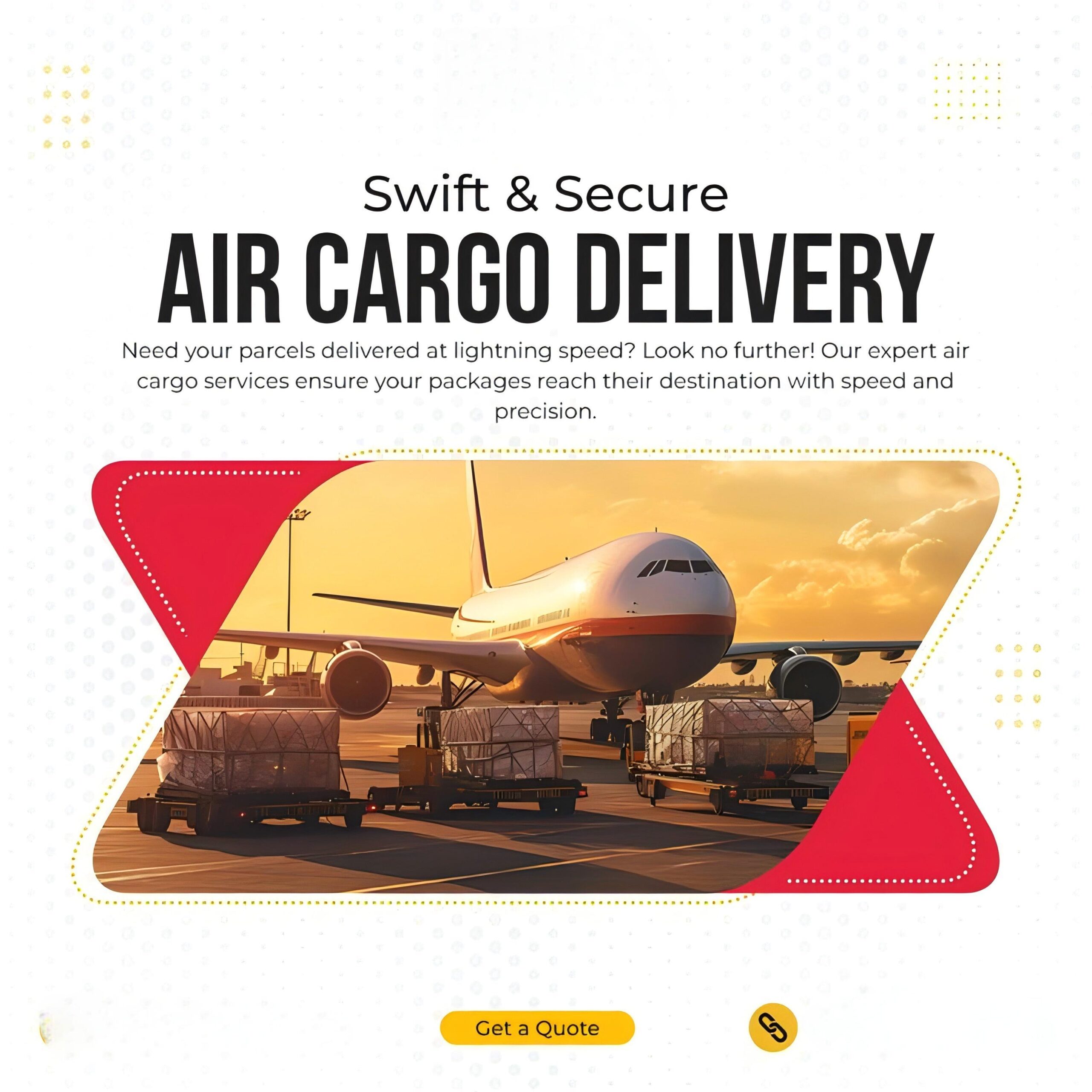
When speed is your primary concern, air freight provides the quickest connection between Chinese manufacturing hubs and Italian hubs like Malpensa. This method is particularly beneficial for seasonal product launches or restocking high-demand items that have sold out unexpectedly. Consequently, many successful ecommerce brands maintain a hybrid strategy using both air and sea transport.
Nevertheless, the higher cost of air transport means you must carefully calculate your landed cost to maintain profitability. Industry benchmarks indicate that air cargo is most viable for products with a high value-to-weight ratio, such as electronics or designer apparel. By optimizing your packaging, you can further reduce dimensional weight charges and save on total shipping expenses.
Simplifying Amazon FBA Logistics from China to Italy
Managing Amazon FBA shipments requires strict adherence to Amazon’s labeling and packaging requirements. A professional logistics provider will handle the preparation of your goods at the origin to ensure they are not rejected by Italian fulfillment centers. This service is vital for maintaining a healthy seller account and avoiding costly return shipping fees.
Furthermore, utilizing a specialized FBA forwarder means your goods can be cleared through customs under a DDP (Delivered Duty Paid) arrangement. As a result, Amazon receives the goods without having to handle any tax or duty payments, which is a mandatory requirement for their warehouses. This seamless process ensures your inventory is available for sale as quickly as possible.
Essential Customs Brokerage and Documentation for Italy
Navigating Italian customs can be challenging due to strict documentation requirements and varying duty rates for different product categories. Engaging a professional customs brokerage service ensures that your commercial invoices, packing lists, and certificates of origin are correctly filed. This expertise minimizes the risk of your cargo being held at the port for inspections.
Specifically, you must ensure your business has a valid EORI number for importing into the European Union. In addition, understanding the Integrated Tariff of the European Communities (TARIC) helps you accurately predict the duties and taxes you will owe upon arrival. Without a doubt, proper preparation in this area is the best way to avoid unexpected expenses and delivery delays.
The Benefits of Door to Door Shipping Solutions
Choosing a door to door service simplifies your entire supply chain by providing a single point of contact from factory to warehouse. This comprehensive solution includes pickup, international transit, customs clearance, and final mile delivery within Italy. Consequently, you no longer need to coordinate with multiple carriers and agents across different time zones.
Indeed, this method provides the highest level of transparency and convenience for busy ecommerce entrepreneurs. Most providers offer tracking platforms where you can monitor your shipment’s progress in real-time, providing peace of mind. By consolidating all services into one package, you often benefit from lower overall rates compared to booking each leg of the journey separately.
Which Option Should You Choose? Decision Framework
Determining the right logistics strategy depends on your specific business priorities and product characteristics. If your primary goal is to minimize costs and you have a long lead time, sea freight is the clear winner. Conversely, if you are chasing a trend or need to restock a bestseller, air freight is worth the additional investment.
Weight and volume also play a significant role in this decision-making process. For shipments under 100kg, express couriers are often more economical than standard air freight. However, once you exceed 500kg, the price gap between sea and air becomes much more significant. Use the following criteria to guide your final selection.
| Priority | Recommended Method | Volume Threshold | Key Benefit |
|---|---|---|---|
| Budget | Sea Freight (LCL/FCL) | Over 2 CBM | Lowest Unit Cost |
| Speed | Air Freight | Over 100 kg | Rapid Restocking |
| Reliability | Rail Freight | Over 1 CBM | Stable Schedule |
| Convenience | Door to Door | Any Volume | End-to-End Handling |
Realistic Case Studies for Shipping to Italy
Case Study 1: Electronics Restock for Milan Store. Route: Shenzhen, China to Milan, Italy. Cargo: Smart Home Devices, 3 CBM, 450 kg. Method: Air Freight. Cost: $3,200. Transit Time: 6 days. Key Insight: Using air freight allowed the seller to capitalize on a viral social media trend before competitors could restock via sea.
Case Study 2: Bulk Furniture Shipment to Rome. Route: Ningbo, China to Rome, Italy. Cargo: Flat-pack Furniture, 28 CBM. Container: 20GP. Ocean Freight: $2,100. Total Landed Cost: $3,500. Transit Time: 38 days. Key Insight: Sea freight provided the necessary margins for heavy items that would be impossible to ship by air profitably.
Case Study 3: Fashion Apparel via Rail. Route: Chengdu, China to Verona, Italy. Cargo: Summer Clothing, 5 CBM. Method: Rail Freight (LCL). Cost: $1,250. Transit Time: 22 days. Key Insight: Rail offered a 40% cost saving compared to air while arriving 15 days faster than sea freight.
Alternative Strategies for Cost-Saving and Efficiency
Exploring hybrid solutions can often lead to significant savings without sacrificing too much speed. For example, a sea-air combination involves shipping goods by sea to a hub like Dubai and then flying them to Italy. This approach is typically 30-50% cheaper than direct air freight while being much faster than a standard sea voyage.
Additionally, consider consolidating shipments from multiple suppliers into a single container at a warehouse in China. This strategy reduces the number of customs entries and minimizes the high ‘minimum’ charges associated with multiple small shipments. The table below outlines several alternative approaches to traditional shipping.
| Scenario | Alternative Strategy | Savings Potential | Trade-off |
|---|---|---|---|
| Multiple Suppliers | Buyer Consolidation | 15-25% | Extra Handling Time |
| High Peak Rates | Off-Peak Booking | 10-20% | Inventory Holding |
| Tight Budget | Transshipment Routes | 5-12% | Longer Transit Time |
| Mid-Speed Need | Sea-Air Hybrid | 30-40% | Complex Tracking |
Mastering Your Ecommerce Logistics to Italy
Successfully navigating the logistics landscape from China to Italy requires a blend of strategic planning and expert execution. By choosing the right China logistics company for ecommerce Italy, you can effectively balance speed, cost, and reliability. Whether you utilize air freight for quick restocks or sea freight for bulk inventory, the key is consistency and transparency.
Remember that freight rates are subject to change based on fuel costs, carrier capacity, and seasonal demand. Always contact us for a current quote tailored to your specific shipment needs. Ultimately, a robust logistics strategy is not just about moving boxes; it is about building a sustainable and profitable ecommerce brand in the competitive Italian market.
Ready to streamline your logistics?
Ready to scale your business with a reliable China logistics company for ecommerce Italy? Contact our expert team today for a personalized quote and optimize your global supply chain.
Request Quote