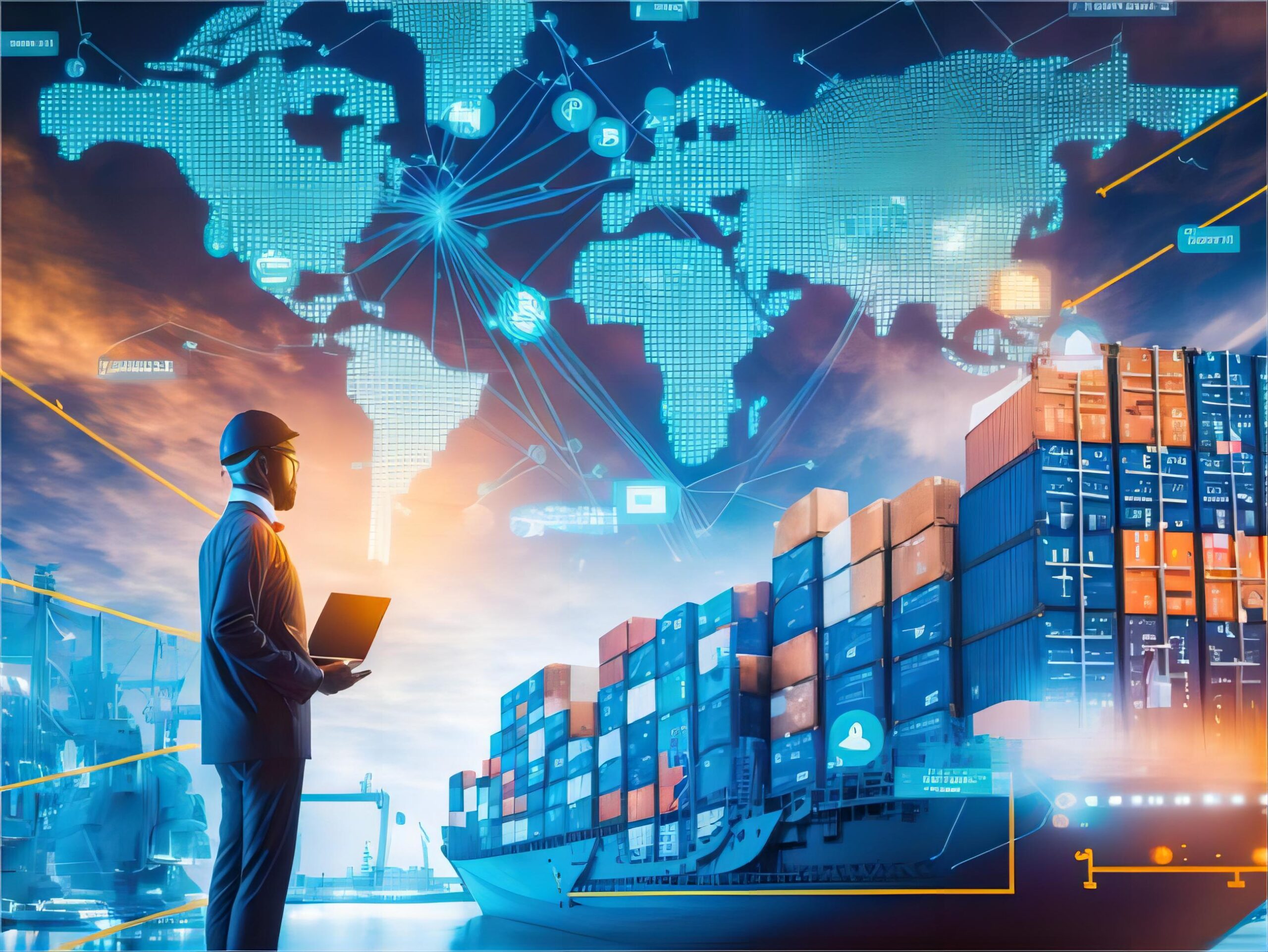
China Logistics Company Supplier Logistics: A Comprehensive 2025 Guide
Navigating the complexities of international trade requires a strategic partnership with a reliable china logistics company supplier logistics expert to ensure your goods arrive safely. Many businesses encounter unexpected delays and rising shipping costs when managing global supply chains independently. Consequently, this guide provides the essential insights needed to streamline your import processes and improve your delivery schedule.
What Defines a China Logistics Company Supplier Logistics Specialist?
Professional logistics providers act as the backbone of modern global trade by coordinating every step of the movement of goods. Specifically, they manage the intricate relationship between manufacturers and final destinations across various international borders.
Moreover, these specialists handle the complex documentation required for international shipping, ensuring that all regulatory standards are met. This comprehensive approach reduces the risk of cargo handling errors and minimizes potential transit time disruptions.
Therefore, choosing the right partner involves evaluating their network capacity and their ability to provide flexible logistics trends solutions. Indeed, a robust provider will offer a variety of services ranging from warehousing to last-mile delivery.
How Does China Logistics Company Supplier Logistics Compare to Other Shipping Options?
Evaluating different transportation modes is crucial for balancing your budget and your required delivery speed. While sea freight remains the most cost-effective solution for bulk shipments, other alternatives offer distinct advantages for specific business needs.
For example, rail freight serves as a middle ground between sea and air for shipments heading to Europe. On the other hand, express services provide the fastest possible transit for small parcels and urgent samples.
Consequently, businesses must weigh the trade-offs between cost and speed to maintain a healthy supply chain. Furthermore, hybrid solutions like sea-air combinations can often provide a strategic advantage in terms of both price and efficiency.
| Shipping Method | Cost Range | Transit Time | Best For |
|---|---|---|---|
| Sea Freight (FCL) | $1,800 – $4,500 | 25 – 45 Days | Large Bulk Cargo |
| Air Freight | $5.00 – $12.00/kg | 3 – 7 Days | High Value Goods |
| Rail Freight | $2,500 – $5,000 | 15 – 22 Days | Mid-Budget Europe |
| Express Service | $10.00 – $25.00/kg | 2 – 5 Days | Urgent Samples |
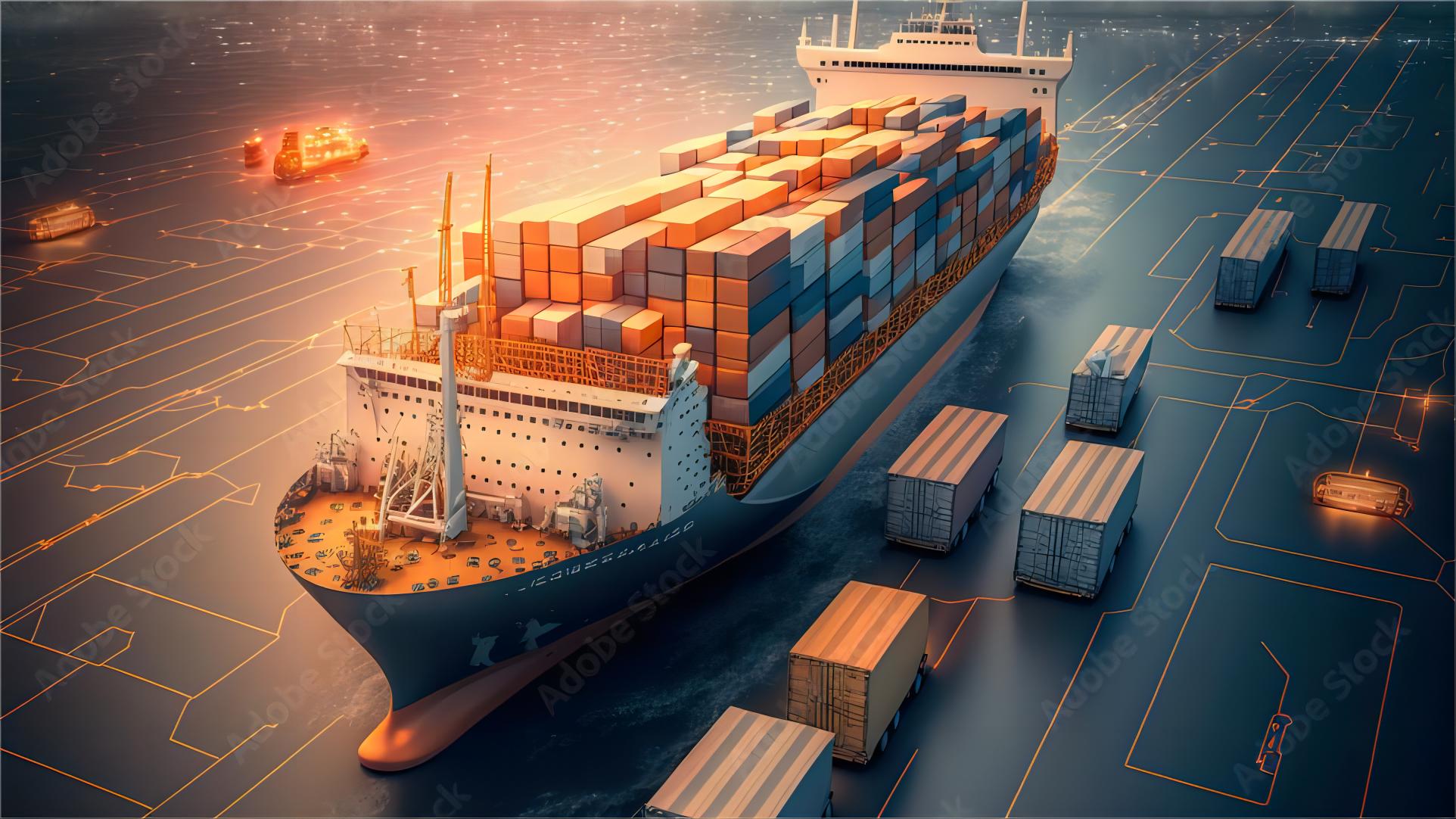
Why Speed and Reliability Matter in Air Freight Solutions
Choosing air freight is often necessary when time-sensitive products or seasonal demands require immediate replenishment. Although the costs are significantly higher than ocean transport, the reduction in transit time can prevent lost sales and stockouts.
Additionally, air transport offers enhanced security for high-value items and reduces the need for extensive inventory management at the destination. In contrast, sea freight requires longer lead times and more complex cargo handling procedures.
Nevertheless, most successful importers use a mix of both methods to optimize their overall freight rates. This balanced approach ensures that core inventory arrives via sea while urgent needs are met through air transport.
Real-World Case Studies in Modern Freight
Case Study 1: High-Volume Electronics to Europe. Route: Shenzhen, China to Hamburg, Germany. Cargo: Consumer electronics, 68 CBM, 12,000 kg. Container: 40HQ. Carrier: Major ocean carrier. Port of Loading: Shenzhen. Port of Discharge: Hamburg. Route Type: Direct. Ocean Freight: $3,650. Origin Charges: $450. Destination Charges: $600. Customs and Duties: $1,200. Total Landed Cost: $5,900. Sea Transit: 32 days. Total Door-to-Door: 40 days. Key Insight: Early booking saved 15 percent on peak season surcharges.
Case Study 2: Furniture Shipment to USA West Coast. Route: Ningbo, China to Los Angeles, USA. Cargo: Home furniture, 28 CBM, 4,500 kg. Container: 20GP. Carrier: Major carrier. Port of Loading: Ningbo. Port of Discharge: Los Angeles. Route Type: Direct. Ocean Freight: $2,100. Origin Charges: $350. Destination Charges: $500. Customs and Duties: $850. Total Landed Cost: $3,800. Sea Transit: 16 days. Total Door-to-Door: 24 days. Key Insight: Utilizing a local warehouse for consolidation reduced total shipping costs significantly.
Market data suggests that these rates are typical for early 2025. Note: Freight rates are subject to change based on fuel costs, carrier capacity, and seasonal demand. Contact us for a current quote tailored to your specific shipment.
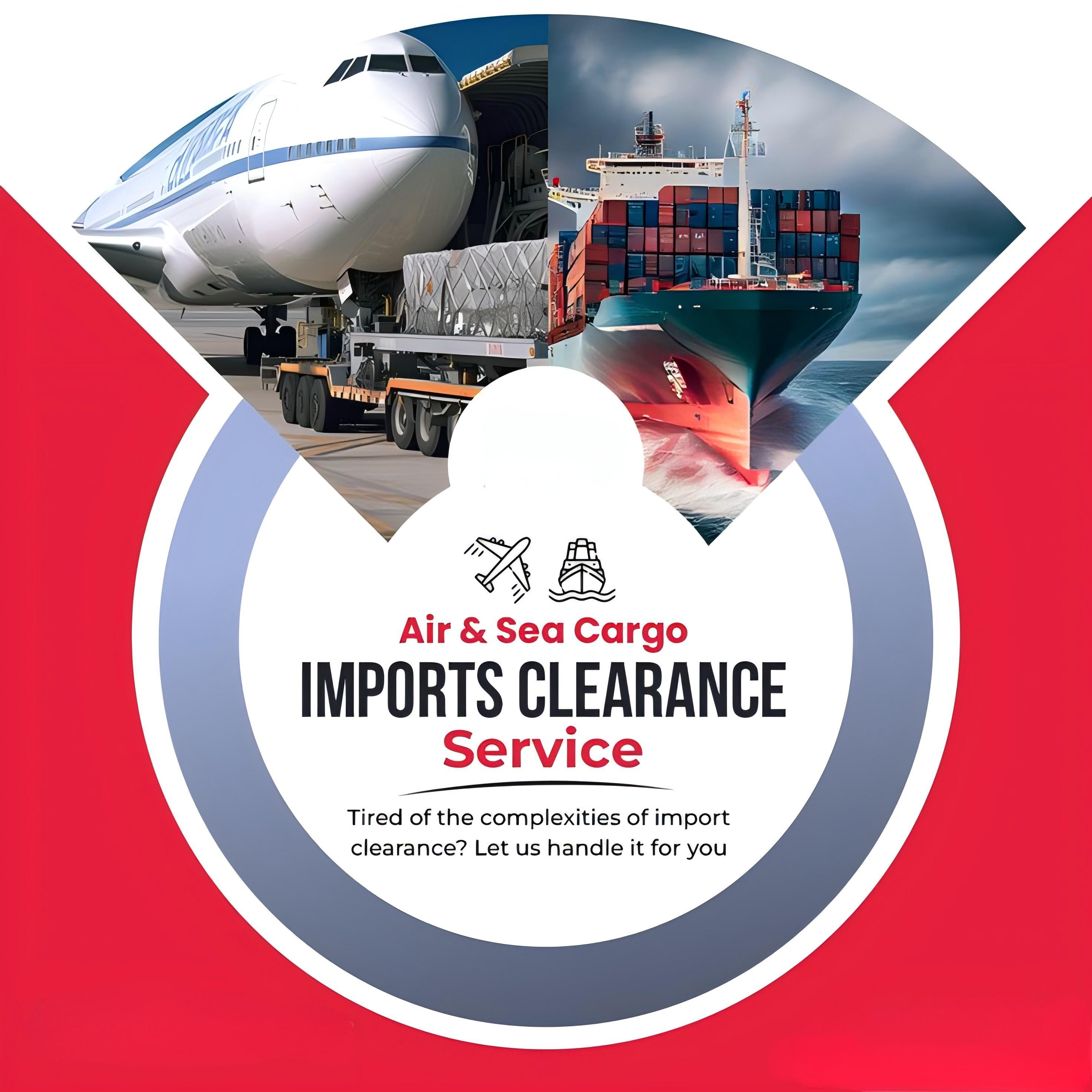
The Critical Role of Customs Brokerage in Global Trade
Managing customs brokerage is often the most challenging part of the import process for many businesses. Without a doubt, incorrect documentation can lead to severe penalties and lengthy delays at the port of discharge.
Specifically, a qualified broker ensures that all HS codes are accurate and that all applicable duties are paid on time. Accordingly, this expertise prevents your cargo from being held by authorities during routine inspections.
Furthermore, professional brokers stay updated on the latest trade regulations and tariff changes. As a result, they can provide valuable advice on how to minimize your tax liabilities legally.
Efficient Door to Door Logistics Trends
Implementing a door to door service model simplifies the entire supply chain by providing a single point of contact. This approach eliminates the need for the importer to coordinate between multiple truckers, warehouses, and carriers.
Moreover, it provides better visibility through integrated tracking systems that monitor the cargo from the factory floor to the final warehouse. Consequently, businesses can better plan their inventory levels and marketing campaigns.
Indeed, this seamless integration is becoming the standard for modern e-commerce businesses. Therefore, investing in a comprehensive door-to-door solution often pays for itself through increased operational efficiency.
Optimizing Your Strategy for Amazon FBA Shipments
Shipping directly to Amazon FBA centers requires strict adherence to specific labeling and packaging requirements. If these standards are not met, Amazon may refuse the shipment, leading to significant additional costs.
Additionally, your china logistics company supplier logistics partner must be familiar with the appointment scheduling systems used by Amazon warehouses. Meanwhile, they should also offer consolidation services to help you reach the minimum volume requirements for lower rates.
Consequently, successful FBA sellers prioritize partners who have a proven track record of delivering to fulfillment centers. This specialized knowledge ensures that your products are available for sale as quickly as possible.
Which China Logistics Company Supplier Logistics Option Should You Choose?
Choosing the right method depends largely on your specific business priorities and the nature of your cargo. If your primary goal is budget optimization, sea freight is undoubtedly the best choice for large volumes.
However, if you are launching a new product and need to test the market quickly, air freight might be the more suitable alternative. For businesses operating in Europe, rail freight offers a compelling balance of speed and cost.
In contrast, small businesses shipping low volumes should consider LCL (Less than Container Load) to avoid the high costs of a full container. To summarize, your decision should be based on a careful analysis of transit times, total landed costs, and inventory turnover rates.
Final Thoughts on China Logistics Company Supplier Logistics
Mastering your international shipping strategy requires a deep understanding of the china logistics company supplier logistics landscape. By choosing the right transportation mode and ensuring proper customs compliance, you can significantly reduce your overhead costs.
Furthermore, staying informed about market trends and seasonal fluctuations will help you make better procurement decisions. Ultimately, a reliable logistics partner is the key to maintaining a competitive edge in the global marketplace.
Ready to streamline your logistics?
Streamline your global supply chain today by partnering with a trusted china logistics company supplier logistics expert. Contact our team to receive a personalized quote and optimize your international shipping strategy for 2025. Visit alibabafreight.com to learn more about our comprehensive freight solutions.
Request Quote