Amazon FBA Shipping China Global Netherlands: The Ultimate Logistics Guide
Navigating the complexities of amazon fba shipping china global netherlands requires a strategic approach to modern logistics and supply chain management. Many sellers encounter significant hurdles when trying to balance cost-efficiency with speed during the import process to European fulfillment centers. By partnering with a reliable logistics provider like DSV-Freight, you can streamline your operations and ensure your inventory reaches its destination without unnecessary delays. This comprehensive guide explores the various shipping methods, costs, and regulatory requirements essential for success in the competitive global marketplace.
Understanding the Logistics of Amazon FBA Shipping China Global Netherlands
Success in the European market often depends on how effectively you manage your inbound logistics from Asian manufacturing hubs. Specifically, the route between China and the Netherlands serves as a primary gateway for goods entering the European Union. Consequently, understanding the nuances of this corridor is vital for maintaining a healthy profit margin and high seller ratings.
Logistics trends suggest that the Netherlands remains a top choice for Amazon sellers due to its world-class infrastructure and proximity to major fulfillment centers. Furthermore, the Port of Rotterdam and Schiphol Airport provide unparalleled access to the rest of the continent. Therefore, choosing the right entry point can significantly reduce your overall delivery schedule and improve inventory turnover.
Sellers must consider various factors including freight rates, transit times, and local tax regulations when planning their shipments. Additionally, the choice between different transport modes will impact your landed cost and ability to respond to market demand. Meanwhile, maintaining a transparent relationship with your freight forwarder ensures that you stay informed about potential disruptions or seasonal price fluctuations.
How Does Sea Freight Compare to Other Shipping Options?
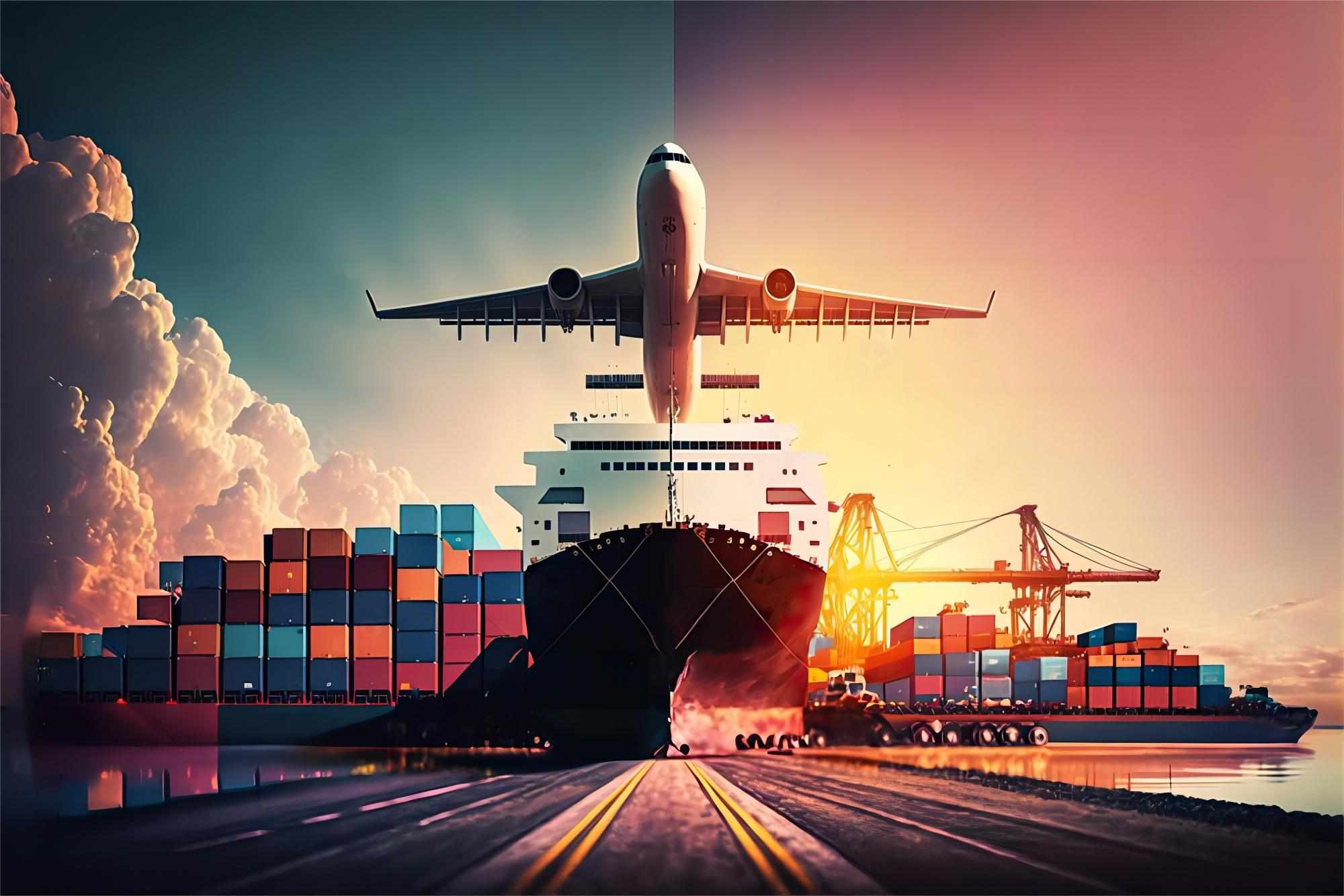
Ocean transport remains the most popular choice for businesses moving large volumes of goods across the globe. Indeed, sea freight offers the lowest cost per unit for bulky or heavy items. However, this method requires careful planning due to the longer transit times associated with maritime routes.
Transit times for vessels traveling from major Chinese ports like Shanghai or Ningbo to Rotterdam typically range from 30 to 45 days. In contrast, air cargo can complete the same journey in less than a week but at a much higher price point. Consequently, sea transport is best suited for non-urgent inventory and seasonal products that you can order well in advance.
Hybrid solutions such as sea-air or rail-sea combinations are also gaining traction among savvy importers. These strategies allow businesses to balance speed and cost effectively depending on their specific inventory needs. For instance, a seller might use sea freight for the bulk of their stock and reserve air freight for urgent restocks during peak shopping seasons.
| Shipping Method | Cost Range | Transit Time | Best For |
|---|---|---|---|
| Sea Freight (FCL) | $3,000 – $4,500 per 40HQ | 30 – 45 Days | Bulk inventory, low cost |
| Air Freight | $5.00 – $9.00 per kg | 5 – 10 Days | High value, urgent stock |
| Rail Freight | $2,000 – $3,500 per 40HQ | 18 – 25 Days | Mid-range speed and cost |
| Express Service | $8.00 – $12.00 per kg | 3 – 5 Days | Small samples, emergencies |
The Role of Air Freight in Rapid Inventory Replenishment
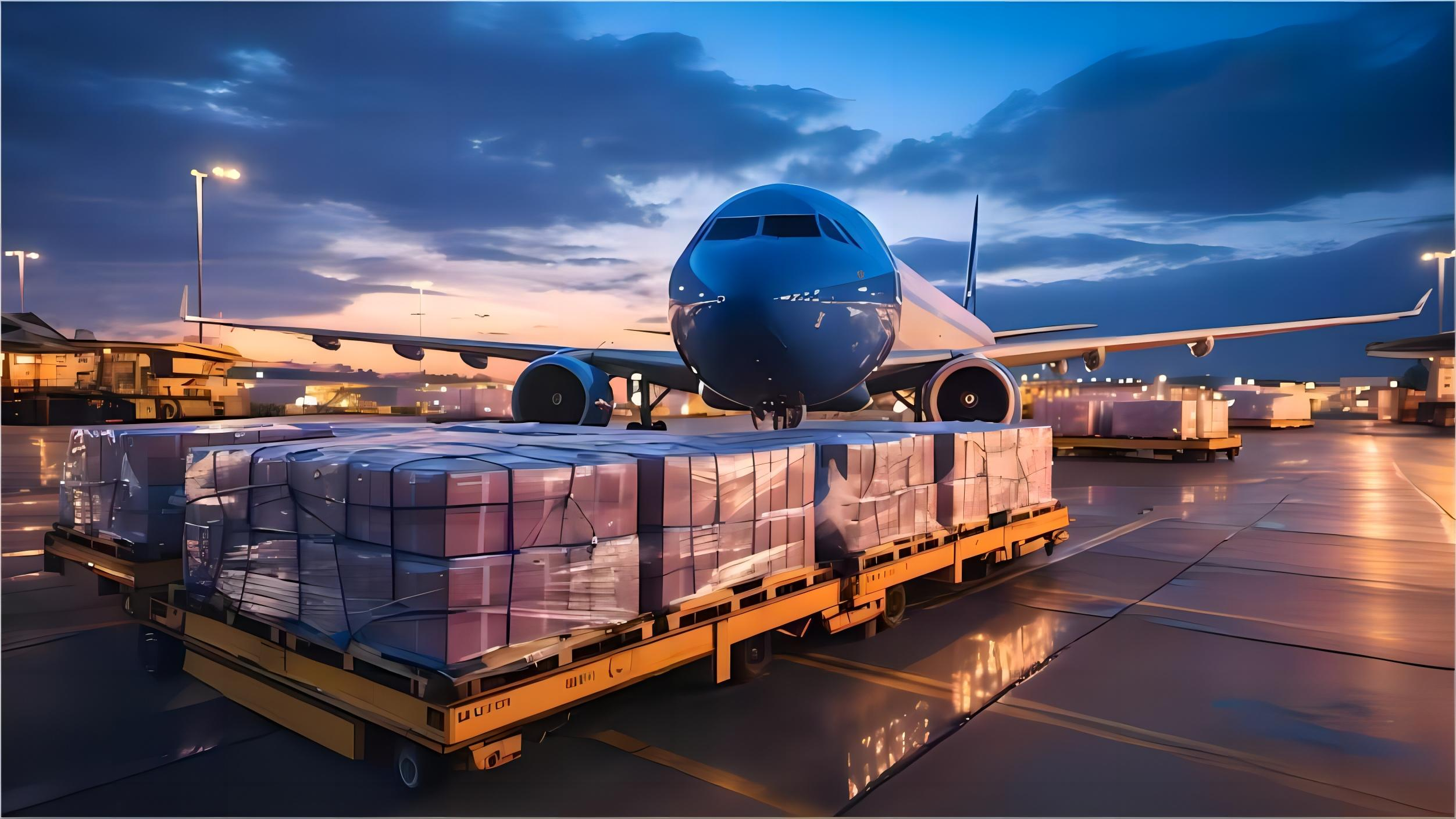
Speed is often the most critical factor for sellers who need to avoid stockouts on the Amazon platform. Therefore, air freight provides a necessary lifeline when demand exceeds expectations. Although the costs are higher, the ability to replenish inventory within days can protect your sales velocity and search rankings.
Modern air cargo handling has become increasingly efficient, with specialized services tailored for e-commerce businesses. Moreover, direct flights from hubs like Shenzhen or Guangzhou to Amsterdam reduce the risk of damage or loss during transshipment. Consequently, many high-value electronics and fashion brands rely almost exclusively on air transport to maintain their supply chain agility.
Importers should also be aware of the weight and volume calculations used by airlines. Specifically, the chargeable weight is determined by either the actual weight or the volumetric weight, whichever is greater. As a result, optimizing your packaging can lead to significant savings on your total shipping costs over time.
Navigating Customs Brokerage and Duties in the Netherlands
Clearing customs in the Netherlands requires a thorough understanding of EU import regulations and tax requirements. Specifically, sellers must have a valid EORI number and ensure all documentation is accurate to avoid costly delays at the border. Engaging a professional customs brokerage service is often the best way to navigate these complexities.
Import duties and Value Added Tax (VAT) are significant components of your total landed cost. In the Netherlands, the standard VAT rate is 21 percent, though certain deferment schemes like Article 23 can help with cash flow management. Furthermore, the Dutch customs authorities are known for their efficiency but also for their strict adherence to safety and compliance standards.
Documentation such as the Commercial Invoice, Packing List, and Bill of Lading must be prepared with precision. Any discrepancies in product descriptions or HS codes can lead to inspections and additional storage fees at the port. Consequently, proactive communication with your logistics partner is essential to ensure a smooth clearance process.
| Document Type | Purpose | Required For | Provider |
|---|---|---|---|
| Commercial Invoice | Value declaration | All shipments | Seller |
| Packing List | Cargo details | All shipments | Seller |
| Bill of Lading | Title of goods | Sea/Rail | Carrier |
| Certificate of Origin | Duty determination | Specific goods | Manufacturer |
Strategic Benefits of Rail Freight for European FBA Sellers
Rail transport has emerged as a viable alternative for amazon fba shipping china global netherlands over the last decade. Notably, the Iron Silk Road connects major Chinese industrial cities directly to European rail terminals. This method offers a middle ground, providing faster transit than sea freight while remaining more affordable than air freight.
Transit times for rail freight typically range from 18 to 25 days, making it an excellent choice for mid-sized shipments. Additionally, rail transport is generally considered more environmentally friendly than air or sea travel. Therefore, businesses looking to improve their sustainability profile may find rail logistics particularly appealing.
Security and stability are also key advantages of the rail route across Eurasia. Containers are less susceptible to the weather-related disruptions that often plague ocean voyages. Meanwhile, the consistent schedule allows for more predictable inventory planning and better coordination with Amazon fulfillment center appointments.
Which Shipping Option Should You Choose for Your Business?
Choosing the right shipping method depends heavily on your budget, cargo volume, and required delivery speed. If you are shipping large quantities of heavy goods and have a flexible timeline, sea freight is undoubtedly the most economical choice. Conversely, for lightweight, high-value items that need to be on the shelves yesterday, air freight is the way to go.
Budget-conscious sellers should prioritize sea or rail options to maximize their margins. However, those prioritizing speed to capture market trends or respond to viral demand must be prepared to pay the premium for air or express services. To illustrate, a 40HQ container via sea might cost $3,500, while the same volume via air could exceed $20,000.
Volume thresholds also play a role in the decision-making process. For shipments under 15 CBM, Less than Container Load (LCL) shipping is often more cost-effective than booking a full container. Nevertheless, once your volume exceeds 15-20 CBM, Full Container Load (FCL) usually provides better security and a lower cost per cubic meter.
Amazon FBA Specific Requirements and Door to Door Delivery
Shipping directly to Amazon fulfillment centers requires strict adherence to their packaging and labeling guidelines. Specifically, every carton must have the correct FBA shipment labels, and pallets must meet specific size and weight requirements. Utilizing a door to door service simplifies this process by handling the entire journey from the factory to the Amazon warehouse.
Logistics providers who specialize in Amazon FBA understand the importance of booking delivery appointments through the Carrier Central portal. Failure to follow these procedures can result in refused shipments and additional redelivery costs. Furthermore, many forwarders offer value-added services such as inspection, labeling, and palletization at their own warehouses before the final delivery.
Sellers should also be aware of the seasonal storage limits and long-term storage fees imposed by Amazon. Consequently, maintaining a steady flow of inventory rather than sending massive bulk shipments can help minimize these overhead costs. By coordinating your shipping schedule with your sales data, you can optimize your stock levels and improve your overall profitability.

Real-World Case Studies: China to the Netherlands
Case Study 1: Electronics from Shenzhen to Tilburg. A mid-sized seller moved 12 CBM of consumer electronics using LCL sea freight. The cargo was loaded in Shenzhen and discharged at the Port of Rotterdam. Total sea transit took 34 days, with an additional 4 days for customs clearance and final delivery to the Tilburg fulfillment center. The total landed cost was approximately $2,800, which allowed the seller to maintain a 35 percent profit margin.
Case Study 2: Home Decor from Ningbo to Rotterdam. A large-scale importer utilized a 40HQ container (FCL) to transport seasonal home decor items. By booking the shipment 8 weeks in advance, they secured a freight rate of $3,200. The direct route saved 5 days compared to transshipment options. Despite a minor delay at the port due to congestion, the goods arrived in time for the Q4 peak season, resulting in a complete sell-out of the inventory.
Note: Freight rates are subject to change based on fuel costs, carrier capacity, and seasonal demand. Contact us for a current quote tailored to your specific shipment.
Final Thoughts on Global FBA Logistics
Mastering the logistics of amazon fba shipping china global netherlands is a fundamental requirement for any serious e-commerce entrepreneur. By carefully evaluating the trade-offs between sea, air, and rail freight, you can build a resilient supply chain that supports long-term growth. Furthermore, staying informed about customs regulations and market trends will allow you to adapt quickly to changing conditions.
Success in international trade requires a combination of strategic planning, reliable partnerships, and attention to detail. Whether you are a new seller or an established brand, the right shipping strategy will help you reduce costs and improve customer satisfaction. Ultimately, the goal is to create a seamless flow of goods that keeps your Amazon store stocked and your business profitable.
Ready to streamline your logistics?
Are you ready to optimize your amazon fba shipping china global netherlands strategy? Contact DSV-Freight today for a customized quote and expert guidance on your next shipment. Our team is standing by to help you navigate the complexities of international trade and ensure your business thrives in the global marketplace. Send Inquiry to start your journey toward seamless logistics.
Request Quote