
China Export Import Logistics Freight Forwarding Service: 2026 Comprehensive Guide | Best China Export Import Logistics
Navigating the complexities of international trade in 2026 requires a robust china export import logistics freight forwarding service to ensure your goods arrive safely and on time. Global markets currently demand higher levels of transparency and efficiency than ever before. Consequently, businesses must partner with experienced providers who understand the nuances of cross-border regulations and modern supply chain challenges.
What is a China Export Import Logistics Freight Forwarding Service?
Professional logistics management involves coordinating the movement of goods from manufacturers in China to destinations worldwide. This process encompasses everything from inland transportation and warehousing to booking space on international carriers. Furthermore, a dedicated provider acts as an intermediary, negotiating rates and managing the complex paperwork required for international compliance.
Modern supply chain management relies heavily on these services to maintain a competitive edge in a fast-paced market. Specifically, freight forwarders leverage their networks to find the most cost-effective routes while minimizing potential delays at major ports. By integrating technology and local expertise, they transform a daunting shipping process into a streamlined operation for importers and exporters alike.
Selecting the right partner is vital because they handle the critical details of cargo insurance and risk mitigation. For example, they advise on proper packaging and labeling to meet the specific requirements of destination countries. Ultimately, an effective logistics service provides peace of mind by managing every link in the transportation chain from origin to final delivery.
How Does China Export Import Logistics Freight Forwarding Service Compare to Other Shipping Options?
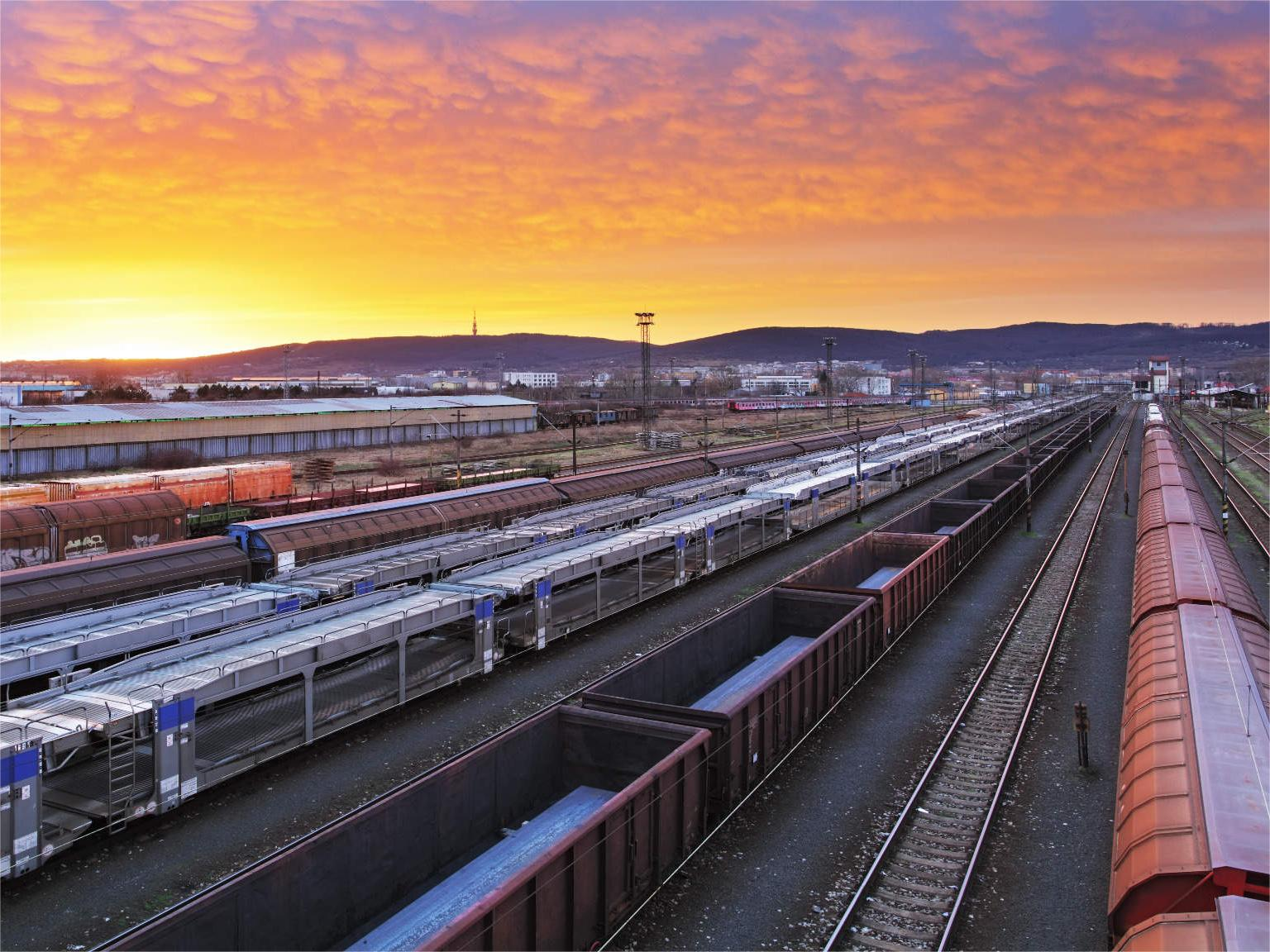
Evaluating different shipping methods is essential for optimizing your landed cost calculation and delivery schedule. While air freight offers unmatched speed, it often comes at a significant premium compared to traditional ocean transport. In contrast, rail freight has emerged as a balanced alternative for shipments moving from China to Europe, offering better speed than sea and lower costs than air.
Effective logistics planning requires understanding the trade-offs between these various modes of transport. For instance, small shipments may benefit from express services, whereas large bulk orders are almost always suited for sea freight. Additionally, hybrid solutions like sea-air combinations can offer a middle ground for urgent inventory replenishment without the full cost of direct flight services.
| Shipping Method | Cost Range (2026) | Transit Time | Best Suitability |
|---|---|---|---|
| Sea Freight (FCL) | $2,500 – $5,500 | 18 – 40 Days | Large volume, low urgency |
| Air Freight | $5.50 – $12.00/kg | 3 – 7 Days | High value, urgent goods |
| Rail Freight | $120 – $180/CBM | 15 – 22 Days | China to Europe mid-range |
| Express Service | $8.00 – $15.00/kg | 2 – 5 Days | Samples and small parcels |
Why Choose Sea Freight for Your Logistics Needs?
Most international trade continues to rely on sea freight due to its incredible capacity and cost-efficiency for large shipments. Whether you are moving full container loads or smaller batches, ocean transport provides the most economical way to reach global markets. Moreover, the development of larger vessels and improved port infrastructure in 2026 has helped stabilize international shipping rates 2026 despite global shifts.
When choosing between FCL vs LCL shipping, businesses must consider their specific volume and budget constraints. Full Container Load (FCL) offers better security and faster handling since the entire container is dedicated to one shipper. Conversely, Less than Container Load (LCL) allows multiple shippers to share space, making it an excellent choice for smaller businesses looking to manage inventory levels.
Industry average for this route suggests that sea freight remains the backbone of the global trade logistics network. Although transit times are longer, the ability to move massive quantities of goods like machinery, textiles, and electronics is unmatched. Consequently, companies that plan their inventory cycles carefully can save thousands of dollars annually by prioritizing ocean transport.
Can Air Freight Optimize Your Supply Chain Speed?
Rapid market changes often necessitate the speed provided by air freight to keep shelves stocked and customers satisfied. This method is particularly beneficial for high-value items where the cost of capital tied up in transit outweighs the higher shipping fees. Furthermore, air transport offers the highest level of security and the lowest risk of damage during the journey.
Selecting air transport allows businesses to respond quickly to spikes in demand or unexpected manufacturing delays. Indeed, the transit time optimization provided by air carriers can reduce a typical month-long sea journey to just a few days. Therefore, integrating air solutions into your broader strategy ensures that your supply chain remains resilient and responsive to consumer needs.
High-quality logistics providers offer various air service levels, including standard and deferred options to balance cost and speed. For example, a deferred air service might take two days longer but reduce costs by 20% compared to a direct flight. By analyzing your specific timeline, you can choose the precise level of service that meets your requirements without overspending.
Which Option Should You Choose for Your 2026 Shipments?
Budget Priority Strategies
If your primary goal is to minimize container shipping costs, sea freight is the clear winner for most scenarios. For shipments under 15 CBM, LCL at $50-90/CBM may be more economical than a full container. However, for larger volumes, booking a 40HQ container often provides the best price per unit.
Speed and Urgency Requirements
When time is of the essence, air freight or express services are the only viable paths to meet tight deadlines. While sea freight costs $3,000-4,500 for a 40HQ, air freight for the same volume would cost significantly more but arrives in days. Businesses must weigh the cost of a missed market opportunity against the higher freight rates.
Cargo Type and Volume Thresholds
Hazardous materials or oversized cargo may have limited options and require specialized handling by a freight forwarder. Additionally, once a shipment exceeds 15-20 CBM, the transition from LCL to FCL usually results in better rates and reduced handling risks. Always consult with your logistics partner to determine the exact threshold for your specific route.
Understanding Customs Documentation and Compliance
Accurate documentation is the foundation of a successful customs brokerage process and avoids costly port congestion management issues. In 2026, many customs authorities have transitioned to fully digital filing systems, requiring precise data entry and timely submissions. Consequently, missing a single document like a Commercial Invoice or Packing List can lead to significant delays and storage fees.
Historically, the customs documentation checklist has been a major pain point for importers and exporters alike. However, a professional forwarder ensures that all certificates of origin and insurance forms are correctly prepared before the cargo leaves the port. This proactive approach minimizes the risk of inspections and ensures your goods clear customs without unnecessary hurdles.
Providing the correct Harmonized System (HS) codes is essential for determining the appropriate duties and taxes for your shipment. Moreover, staying updated on changing trade agreements and tariff structures can help you identify opportunities for duty drawbacks or exemptions. Ultimately, compliance is not just about following rules; it is about protecting your bottom line from unexpected penalties.
| Document Name | Purpose | Required For | Provider |
|---|---|---|---|
| Commercial Invoice | Value declaration | All shipments | Exporter |
| Bill of Lading | Title to goods | Sea shipments | Carrier |
| Packing List | Content details | Customs inspection | Exporter |
| CO (Certificate of Origin) | Trade agreements | Duty reduction | Chamber of Commerce |
Real-World Case Studies in Global Logistics
Analyzing real-world scenarios helps businesses understand the practical applications of different shipping strategies and their outcomes. These examples reflect the current market conditions and pricing trends seen in early 2026. Success in logistics often depends on choosing the right route and timing based on historical data and current port performance.
Case Study 1: Shenzhen to Los Angeles. Cargo: Consumer Electronics, 68 CBM, 14500 kg. Container: 40HQ. Shipping Details: Direct route via major carrier. Port of Loading: Shenzhen. Port of Discharge: Los Angeles. Cost Breakdown: Ocean Freight $3,400, Origin Charges $480, Destination Charges $650, Customs $220. Total Landed Cost: $4,750. Timeline: Booking to Loading 4 days, Sea Transit 16 days, Customs 2 days. Total Door-to-Door: 22 days. Key Insight: Booking 4 weeks in advance secured a rate 12% below the peak season average.
Case Study 2: Ningbo to Hamburg. Cargo: Industrial Machinery, 26 CBM, 9200 kg. Container: 20GP. Shipping Details: Transshipment via Singapore. Port of Loading: Ningbo. Port of Discharge: Hamburg. Cost Breakdown: Ocean Freight $2,250, Origin Charges $420, Destination Charges $580, Customs $280. Total Landed Cost: $3,530. Timeline: Booking to Loading 5 days, Sea Transit 34 days, Customs 3 days. Total Door-to-Door: 42 days. Key Insight: Choosing a transshipment route saved $400 compared to direct service, with only a 5-day increase in transit time.
Strategic Advantages of Door to Door Delivery
Implementing a door to door strategy simplifies the entire procurement process by consolidating all logistics steps under one provider. This approach eliminates the need for importers to coordinate with multiple local trucking companies and warehouse operators. In addition, it provides a single point of accountability, which is crucial when tracking shipments across multiple time zones.
Because the forwarder manages the entire journey, they can better synchronize the hand-off between international carriers and local delivery teams. For instance, having a pre-booked truck waiting at the port of discharge can save 48 hours in total transit time. Furthermore, this integrated service often results in lower overall costs due to the forwarder’s bulk purchasing power with local providers.
Traders who utilize comprehensive logistics solutions can focus more on their core business activities rather than managing transport details. Meanwhile, the use of advanced tracking technology ensures that you have real-time visibility into your cargo’s location at every stage. Ultimately, the convenience and reliability of a full-service solution make it the preferred choice for modern global enterprises.
Optimizing Amazon FBA Logistics from China
Specialized Amazon FBA services are essential for e-commerce sellers who must meet strict delivery windows and labeling requirements. Navigating the specific rules of Amazon’s fulfillment centers requires a partner who understands the nuances of palletization and appointment scheduling. Additionally, using a forwarder with experience in FBA can prevent costly rejections and storage fees at the warehouse.
Effective e-commerce logistics involves balancing inventory levels to avoid stockouts while minimizing long-term storage costs. By using a mix of sea and air freight, sellers can maintain a steady flow of goods while quickly reacting to unexpected sales surges. Specifically, many successful sellers use sea freight for their main stock and air freight for emergency replenishment to maximize their profit margins.
Market data suggests that sellers who optimize their shipping routes can improve their competitive positioning on the platform. For example, reducing shipping costs by just 5% can significantly impact the overall profitability of high-volume items. Therefore, partnering with a logistics expert who specializes in the Amazon ecosystem is a strategic move for any serious online retailer.
Market Trends and Freight Rates in 2026
As of Q1 2026, freight rates from China have stabilized following the volatility seen in previous years due to geopolitical shifts. Industry experts note that fuel surcharges remain a key variable, but increased vessel capacity has helped keep base rates competitive. Moreover, the integration of artificial intelligence in route planning is helping carriers reduce transit times and carbon emissions simultaneously.
Digitalization continues to transform the freight forwarding industry trends by providing more accurate predictive analytics for port congestion. Consequently, shippers can now make more informed decisions about which ports to avoid during peak seasons. Additionally, the rise of sustainable shipping options is becoming a priority for global brands looking to reduce their environmental impact.
Note: Freight rates are subject to change based on fuel costs, carrier capacity, and seasonal demand. Contact us for a current quote tailored to your specific shipment. Market intelligence indicates that booking early remains the most effective strategy for securing the best possible rates in the current environment.
Mastering Your Global Supply Chain
To summarize, success in international trade depends on a reliable China export import logistics freight forwarding service that can adapt to changing market conditions. By understanding the differences between shipping modes and maintaining strict compliance, businesses can ensure a smooth flow of goods. Partnering with a professional provider allows you to leverage expert knowledge and advanced technology for better results.
Ultimately, the goal of any logistics strategy should be to balance cost, speed, and reliability to meet your specific business objectives. As we move through 2026, staying informed about market trends and maintaining a flexible supply chain will be key to long-term growth. Trust in a dedicated freight forwarding partner to handle your cargo with the care and efficiency it deserves.
Need a tailored shipping solution?
Streamline your global trade operations today by partnering with an expert China export import logistics freight forwarding service. Our team is ready to provide you with a customized quote and help you navigate the complexities of international shipping in 2026. Contact us now to optimize your supply chain and reduce your landed costs. Visit alibabafreight.com to start your inquiry.