
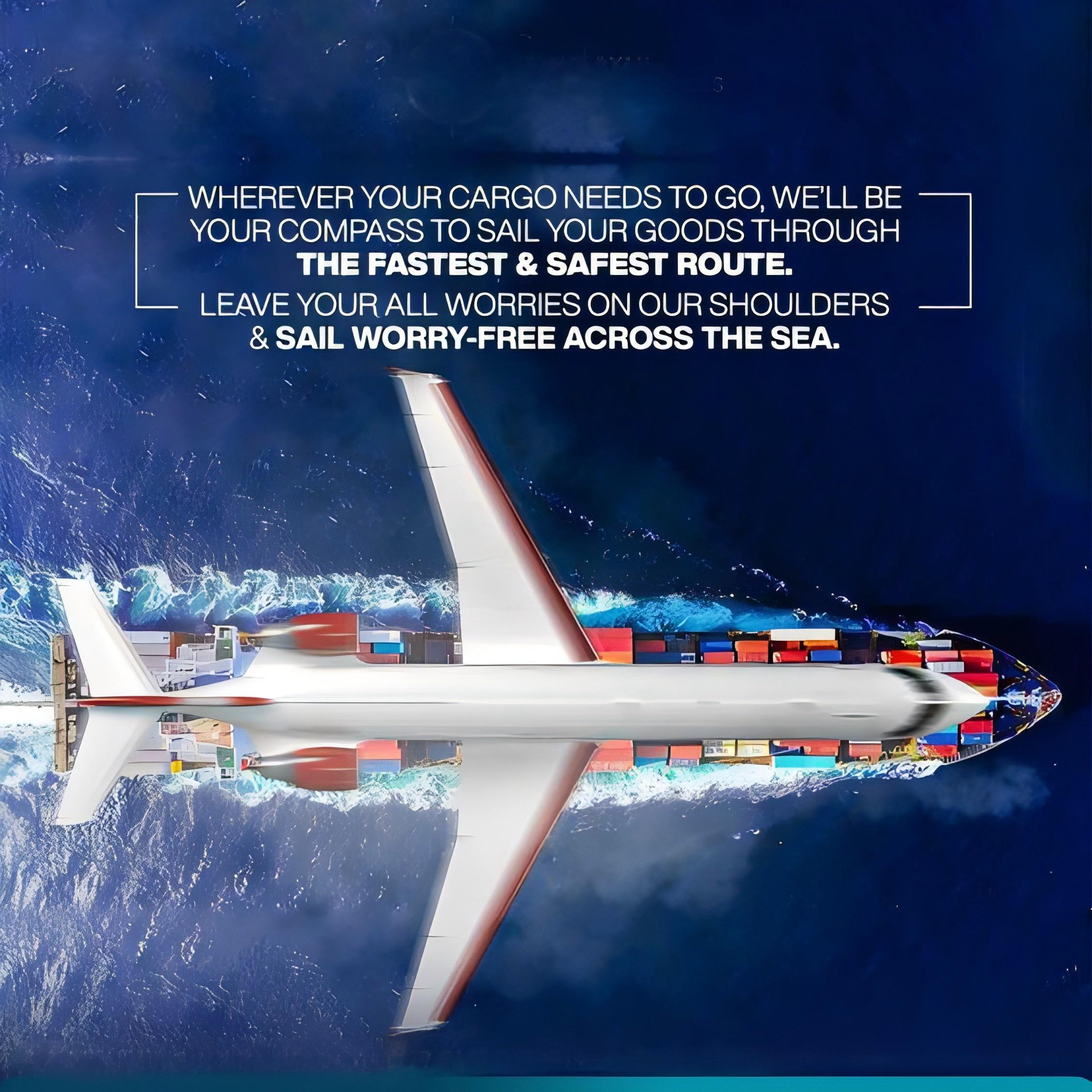
China Container Shipping Company 20GP 40HC FCL LCL Solutions for 2026
Choosing a reliable China container shipping company 20GP 40HC FCL LCL is essential for maintaining a competitive supply chain in the modern global economy. Business owners often face complex logistical hurdles when moving goods from manufacturing hubs to international markets. DSV-Freight provides comprehensive solutions that simplify these processes and ensure timely delivery of your cargo. This guide explores everything you need to know about container types, shipping methods, and current market trends for 2026.
What Are the Differences Between 20GP and 40HC Containers?
Specifically, the 20GP and 40HC containers represent the backbone of international maritime trade. The 20GP, or 20-foot General Purpose container, is ideal for heavy cargo like machinery or minerals. Conversely, the 40HC, or 40-foot High Cube container, offers extra height for voluminous but lighter goods.
Understanding these dimensions helps you optimize your shipping costs and maximize space utilization. Most China container shipping company 20GP 40HC FCL LCL providers will recommend the 40HC for shipments that require more vertical space. Furthermore, the 40HC provides approximately 76 cubic meters of volume compared to the 33 cubic meters available in a standard 20GP.
| Container Type | Internal Volume | Max Payload | Best Used For |
|---|---|---|---|
| 20GP | ~33 CBM | 28,000 kg | Heavy, dense goods |
| 40GP | ~67 CBM | 26,000 kg | General consumer goods |
| 40HC | ~76 CBM | 26,000 kg | Light, bulky items |
Technical Specifications for Standard Containers
Indeed, knowing the exact internal dimensions is critical for your loading plan. A standard 20GP container measures roughly 5.9 meters in length and 2.35 meters in width. Meanwhile, the 40HC container stands 2.7 meters high, which is about 30 centimeters taller than a standard 40GP unit.
Consequently, this extra height allows for an additional layer of cartons or larger equipment. You should always verify the maximum payload capacity with your freight forwarder to avoid overweight penalties at the port.
Why Choose FCL or LCL for Your China Shipments?
Deciding between Full Container Load (FCL) and Less than Container Load (LCL) depends largely on your total cargo volume. FCL gives you exclusive use of a container, which often results in faster transit times and reduced handling risks. However, LCL allows you to share space with other shippers, making it a cost-effective choice for smaller volumes.
Typically, if your shipment exceeds 15 cubic meters, sea freight via FCL becomes more economical. On the other hand, LCL is perfect for startups or businesses testing new product lines with lower inventory levels. Additionally, LCL shipments require more time for consolidation and deconsolidation at the port.
Cost Efficiency and Security Factors
Moreover, FCL shipments generally involve lower risk of damage because the container remains sealed from the point of origin to the destination. In contrast, LCL cargo is handled multiple times during the loading and unloading process. Therefore, you must ensure superior packaging and labeling for all LCL consignments to prevent losses.
Nevertheless, LCL provides the flexibility to ship smaller quantities more frequently. This helps businesses maintain a lean inventory and improves cash flow management. Most China container shipping company 20GP 40HC FCL LCL specialists offer weekly LCL departures from major ports like Shanghai and Ningbo.
How Does Sea Freight Compare to Other Shipping Options?
Analyzing all available transport modes is vital for strategic logistics planning. While ocean freight is the most common method, alternatives like air and rail offer different benefits regarding speed and cost. You should evaluate your priority between budget and delivery speed before booking.
For instance, air freight provides the fastest delivery but at a significantly higher price point. Meanwhile, rail freight serves as a middle ground for shipments moving from China to Europe, offering better speed than sea and lower costs than air.
| Shipping Method | Cost Range | Transit Time | Limitations |
|---|---|---|---|
| Sea (FCL/LCL) | Low ($1,500-$5,000) | 20-45 Days | Weather dependent |
| Air Freight | High ($5-$12/kg) | 3-7 Days | Weight limits |
| Rail Freight | Medium ($3,000-$6,000) | 15-22 Days | Geographic limits |
| Express | Very High | 2-5 Days | Small parcels only |

Market Trends and Pricing for 2026
As of Q1 2026, freight rates from China have stabilized after the fluctuations seen in previous years. Industry data suggests that carriers are increasing capacity on major trade lanes to meet growing demand. Furthermore, the adoption of digital logistics platforms has made pricing more transparent for global importers.
Specifically, rates for a 40HC from China to the US West Coast currently range between $2,800 and $3,800 depending on the season. During the peak season from August to October, you can expect rates to increase by 15-25% due to high demand. Therefore, booking your shipments at least 3-4 weeks in advance is highly recommended.
Average Shipping Rates by Destination (2026)
Notably, shipping to Europe typically costs more than shipping to the Australian coast. According to industry benchmarks, a 20GP container to Rotterdam might cost $2,200, whereas the same container to Sydney might only cost $1,100. Always remember that fuel surcharges and port congestion fees can affect the final landed cost.
Note: Freight rates are subject to change based on fuel costs, carrier capacity, and seasonal demand. Contact us for a current quote tailored to your specific shipment.
Essential Documentation and Customs Procedures
Navigating the complexities of international trade requires meticulous attention to documentation. Every shipment must be accompanied by a Bill of Lading, Commercial Invoice, and Packing List. Additionally, specialized products may require certificates of origin or safety data sheets.
Utilizing a professional customs brokerage service can prevent costly delays at the border. These experts ensure that your goods are classified correctly under the Harmonized System (HS) codes. Consequently, accurate classification minimizes the risk of overpaying duties or facing legal penalties.
Common Customs Challenges in 2026
Indeed, many importers struggle with unexpected inspections or documentation discrepancies. To avoid these issues, you should double-check all weights and measurements against the physical cargo. Furthermore, ensure that your supplier in China provides clear and legible documents to the shipping line.
Real-World Case Studies for 2026 Shipments
Reviewing actual logistics scenarios provides valuable insights into the shipping process. These examples reflect the current market conditions and typical operational challenges faced by importers. Specifically, they highlight the importance of choosing the right container type for different commodities.
Case Study 1: Furniture Export to the United States. Route: Shanghai to Los Angeles. Cargo: Living room furniture, 68 CBM. Container: 40HC FCL. Shipping Details: Direct carrier service. Port of Loading: Shanghai. Port of Discharge: Los Angeles. Cost Breakdown: Ocean Freight $3,400, Origin Charges $450, Destination Charges $600, Customs $200. Total Landed Cost: $4,650. Timeline: 18 days total door-to-door. Key Insight: Using a 40HC allowed the shipper to fit the entire order in one unit, saving 30% compared to two 20GP containers.
Case Study 2: Electronics Distribution to Germany. Route: Ningbo to Hamburg. Cargo: Consumer electronics, 8 CBM, 1,200 kg. Container: LCL. Shipping Details: Transshipment via Singapore. Port of Loading: Ningbo. Port of Discharge: Hamburg. Cost Breakdown: Ocean Freight $640, Origin Charges $200, Destination Charges $350, Customs $150. Total Landed Cost: $1,340. Timeline: 35 days total door-to-door. Key Insight: LCL was the most cost-effective choice for this volume, despite the longer transit time compared to air freight.
Case Study 3: Industrial Parts to Australia. Route: Shenzhen to Sydney. Cargo: Steel components, 25 CBM, 22,000 kg. Container: 20GP FCL. Shipping Details: Direct service. Port of Loading: Shenzhen. Port of Discharge: Sydney. Cost Breakdown: Ocean Freight $1,100, Origin Charges $300, Destination Charges $400, Customs $250. Total Landed Cost: $2,050. Timeline: 14 days total door-to-door. Key Insight: The high weight of the steel parts made the 20GP the only viable option due to payload limits on larger containers.
Strategic Alternatives for Efficient Logistics
Implementing alternative strategies can significantly enhance your supply chain resilience. For example, some businesses use a sea-air hybrid model to balance cost and speed. This involves shipping goods by sea to a hub like Dubai and then flying them to the final destination.
Another effective approach is utilizing door to door services to simplify the entire logistics chain. This method places the responsibility of the entire journey on a single provider. Consequently, you spend less time coordinating between different agents and more time focusing on your core business.
Which Option Should You Choose?
Specifically, if budget is your priority, standard sea freight remains the best choice. However, if you are shipping high-value items to North America, the speed of air or express might justify the cost. For cargo volumes between 10 and 15 CBM, always compare the price of a 20GP versus LCL, as the full container might actually be cheaper in some seasons.
Optimizing Your Global Trade Strategy
To summarize, selecting the right China container shipping company 20GP 40HC FCL LCL is a fundamental step for any successful import business. By understanding the differences between FCL and LCL, and 20GP and 40HC containers, you can make informed decisions that reduce costs and improve efficiency. Furthermore, staying updated on 2026 market trends and documentation requirements ensures that your cargo moves smoothly across borders. Ultimately, a strategic approach to logistics provides a significant competitive advantage in the global marketplace.

Need a tailored shipping solution?
Managing your international logistics requires a partner you can trust. Contact us today to receive a customized quote for your next shipment and experience the professional service of a leading China container shipping company 20GP 40HC FCL LCL. Visit our website to start your inquiry. Send Inquiry: info@alibabafreight.com