
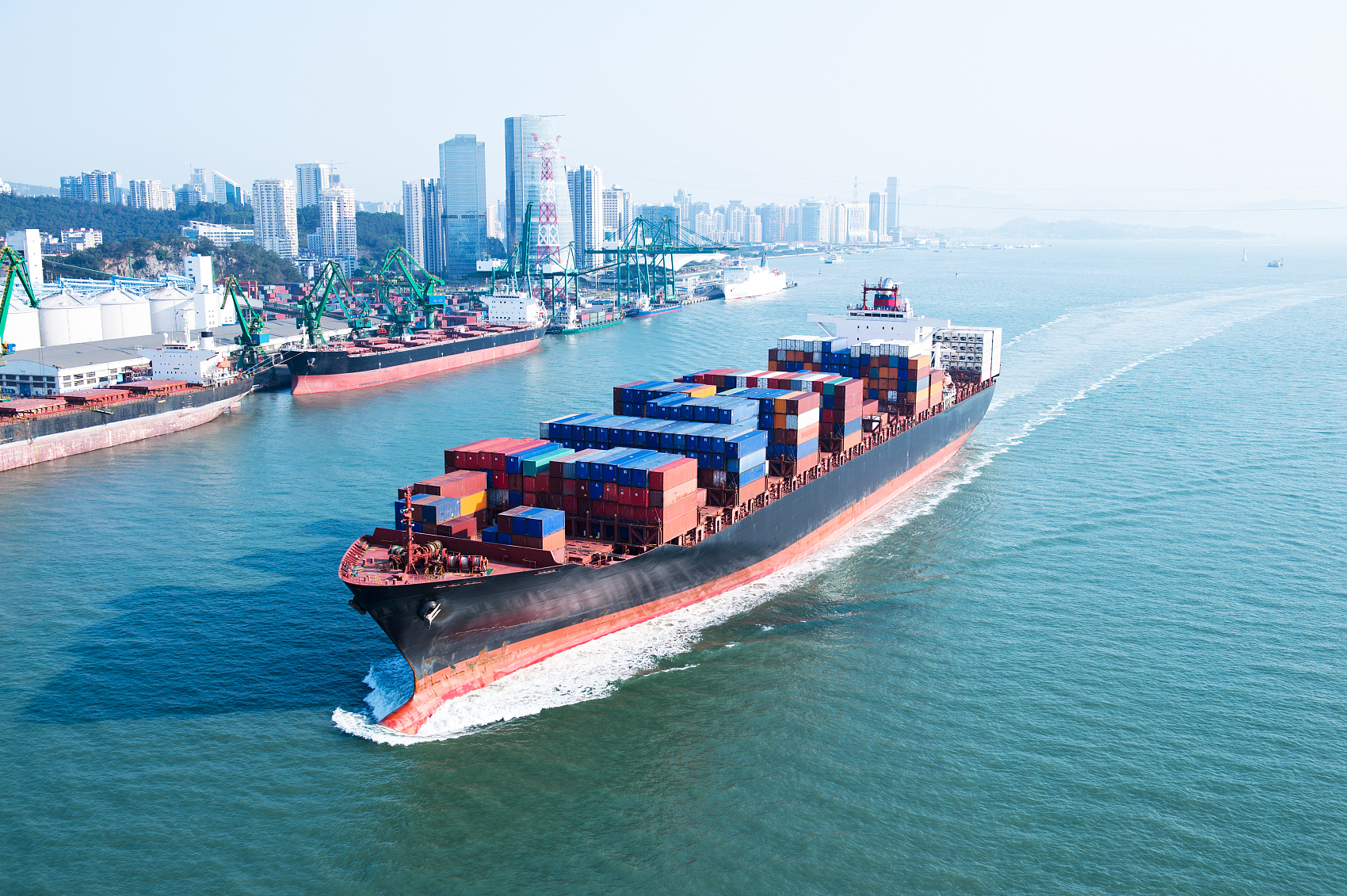
Warehouse Fulfillment China Global Logistics: 2026 Strategy Guide
“In 2026, the landscape of warehouse fulfillment china global logistics has evolved into a high-tech ecosystem driven by efficiency and speed. Many companies struggle to balance rising shipping costs with the need for rapid delivery schedules in a competitive market. However, Alibaba Freight provides the necessary infrastructure to streamline these operations and ensure seamless international trade. Consequently, understanding the intersection of storage and transport is vital for any business looking to achieve international success.”
What is Warehouse Fulfillment China Global Logistics?
❖Warehouse fulfillment refers to the complete process of receiving, processing, and delivering orders to end customers from a centralized location. In the context of China, this involves leveraging the country’s massive manufacturing output and sophisticated transport networks. Moreover, global logistics encompasses the planning and implementation of moving goods across international borders efficiently.
Businesses today rely on these integrated services to reduce lead times and improve customer satisfaction. Furthermore, the integration of smart technology in 2026 has made real-time tracking and inventory management more accessible than ever before. Therefore, choosing the right partner for your supply chain is a critical decision for long-term growth.
Effective fulfillment strategies allow brands to store inventory closer to production sites, which significantly reduces initial transit time. Additionally, this model supports scalable growth by providing flexible storage solutions that adapt to seasonal demand fluctuations. Indeed, the synergy between warehousing and logistics is the backbone of modern e-commerce.
How Does Warehouse Fulfillment China Global Logistics Compare to Other Shipping Options?
❖Evaluating different transport modes is essential for maintaining a healthy bottom line while meeting delivery deadlines. While some businesses prioritize speed, others focus on minimizing shipping costs to maximize profit margins. Consequently, a detailed comparison of available methods helps in making an informed logistics choice.
Sea freight remains the most popular choice for bulk shipments due to its cost-effectiveness over long distances. On the other hand, air freight offers unparalleled speed for high-value or time-sensitive cargo. Meanwhile, rail freight has emerged as a reliable middle ground for shipments moving from China to Europe.
As of early 2026, market data suggests that freight rates have stabilized, allowing for better budget forecasting. However, capacity fluctuations during peak seasons still require proactive planning and booking. To summarize, the best method depends on your specific cargo type, budget, and required delivery schedule.
| Shipping Method | Cost Range | Transit Time | Best For |
|---|---|---|---|
| Sea Freight | $1,800 – $4,200 | 28-40 Days | Bulk Inventory |
| Air Freight | $5.00 – $12.00/kg | 5-8 Days | Urgent Goods |
| Rail Freight | $1,400 – $2,600 | 18-25 Days | Mid-size Cargo |
| Express | $8.00 – $18.00/kg | 3-5 Days | Small Samples |
Why Choose China for Your Global Logistics Hub?
❖China continues to dominate the global manufacturing sector, providing a direct link between production and fulfillment. By placing your warehouse hub in China, you eliminate the need for multiple middle-men in the supply chain. Moreover, the proximity to major ports like Shanghai and Shenzhen ensures that goods move quickly from storage to ship.
Infrastructure investments in 2025 and 2026 have resulted in highly automated ports and faster cargo handling. Additionally, the availability of diverse shipping options allows for customized logistics strategies tailored to specific market needs. Consequently, businesses can enjoy lower overhead costs while maintaining high operational standards.
Labor expertise in logistics and documentation further simplifies the export process for international brands. Furthermore, the presence of numerous third-party logistics providers creates a competitive environment that drives innovation and service quality. Indeed, China remains the most strategic location for global distribution hubs.
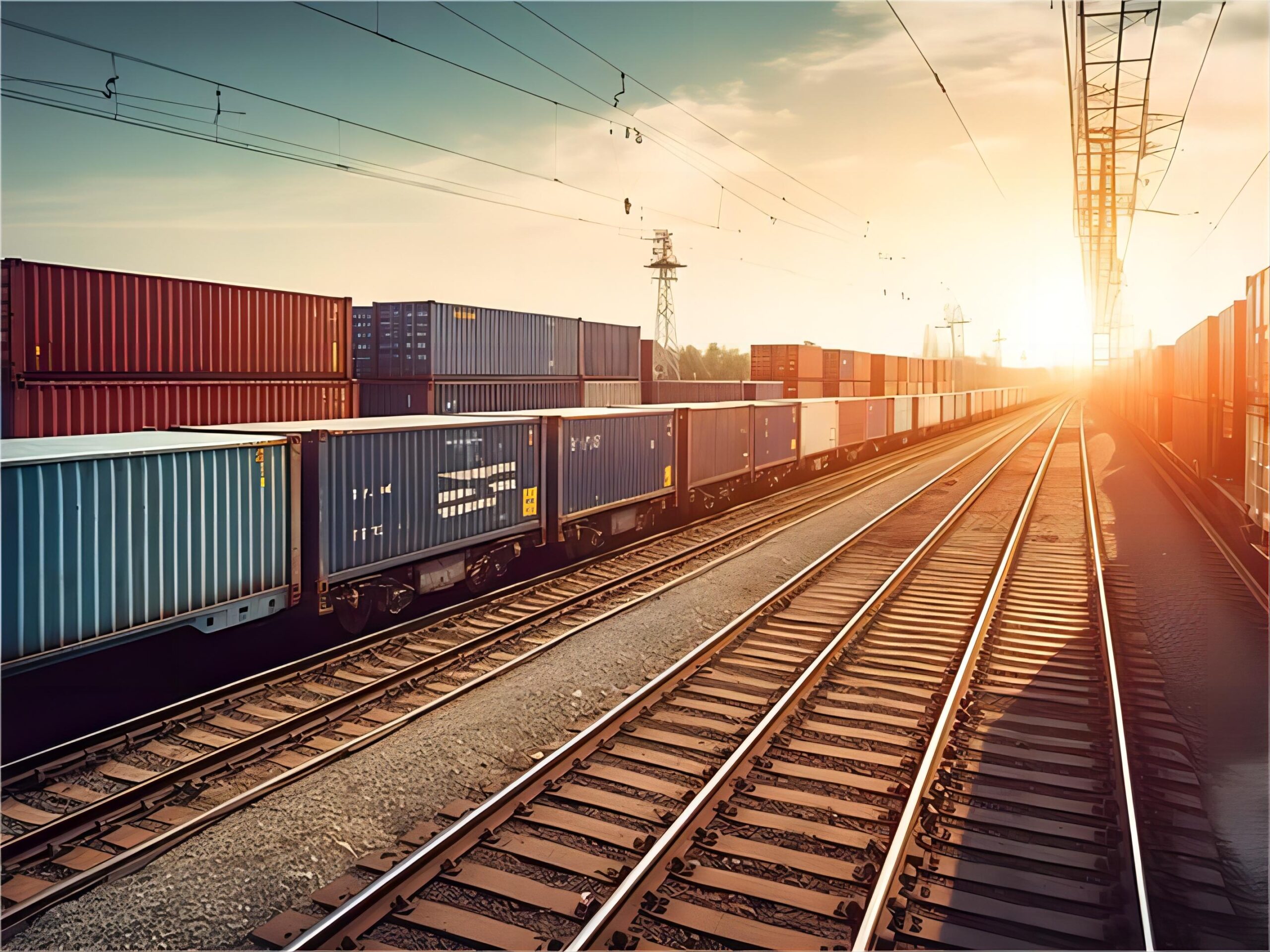
Choosing the Right Transport for Global Reach
❖Selecting the appropriate transport mode is a cornerstone of warehouse fulfillment china global logistics. For large volume orders, many companies prefer sea freight to keep the total landed cost as low as possible. This method is particularly effective for non-perishable goods and seasonal stock planned well in advance.
Conversely, when market demand spikes unexpectedly, air freight provides the agility needed to restock quickly. Although it carries a higher price tag, the reduction in transit time can prevent lost sales and maintain brand reputation. Therefore, a hybrid approach often yields the best results for growing enterprises.
Transit times in 2026 have seen improvements due to better route optimization and reduced port congestion. Nevertheless, it is important to factor in potential delays during customs clearance or extreme weather events. Accordingly, maintaining a buffer in your delivery schedule is a wise operational practice.
Navigating Customs Brokerage and Compliance
❖International trade requires strict adherence to complex regulations and documentation standards. Utilizing a professional customs brokerage service ensures that your shipments comply with all local and international laws. Without a doubt, proper paperwork is the key to avoiding costly delays and potential fines.
Commonly required documents include the commercial invoice, packing list, and bill of lading. In addition, certain products may require specific certificates of origin or quality inspections before they can be exported. Consequently, working with experts who understand the 2026 regulatory environment is highly beneficial.
Digital customs filing has become the standard, significantly speeding up the approval process at major borders. However, any discrepancies in the declared value or cargo description can still trigger manual audits. Thus, accuracy in documentation remains a top priority for successful global logistics.
Case Study 1: Scaling Electronics to North America
❖Case Study 1: High-Volume Electronics Distribution
Route: Shenzhen, China to Los Angeles, USA
Cargo: Consumer Electronics, 35 CBM, 8,500 kg
Container: 40GP
Shipping Details:
– Carrier: Major Ocean Carrier
– Port of Loading: Shenzhen Yantian
– Port of Discharge: Los Angeles
– Route Type: Direct
Cost Breakdown:
– Ocean Freight: $2,450
– Origin Charges: $450
– Destination Charges: $600
– Customs and Duties: $1,200
– Total Landed Cost: $4,700
Timeline:
– Booking to Loading: 4 days
– Sea Transit: 16 days
– Customs Clearance: 3 days
– Total Door-to-Door: 23 days
Key Insight: Using shipping from China to North America with a direct route saved the client 7 days compared to transshipment options.
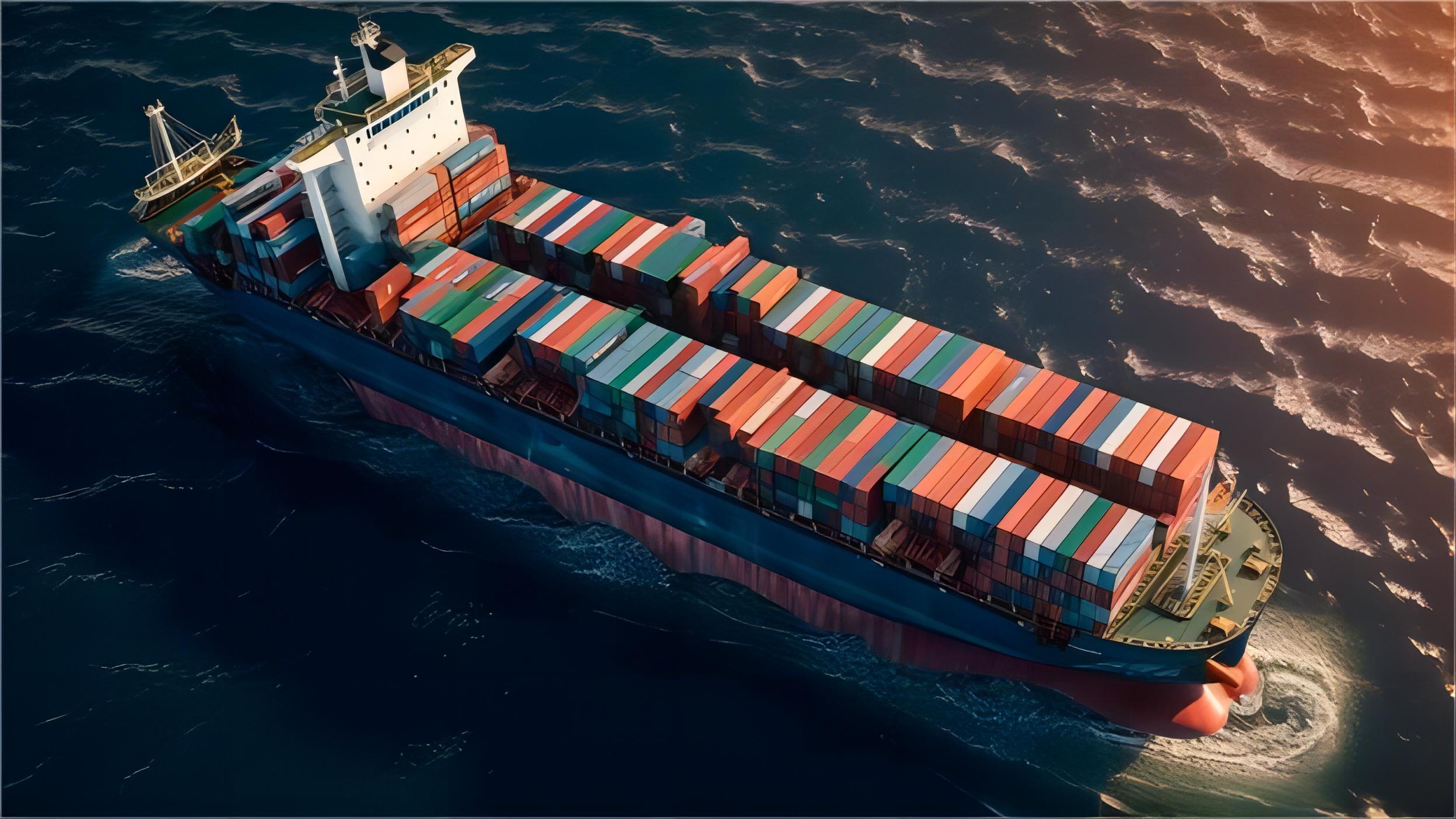
Case Study 2: Apparel Logistics for European Markets
❖Case Study 2: Fast-Fashion Fulfillment
Route: Ningbo, China to Hamburg, Germany
Cargo: Seasonal Apparel, 15 CBM, 3,200 kg
Container: LCL (Less than Container Load)
Shipping Details:
– Carrier: Global Logistics Partner
– Port of Loading: Ningbo-Zhoushan
– Port of Discharge: Hamburg
– Route Type: Direct
Cost Breakdown:
– Ocean Freight: $1,100
– Origin Charges: $300
– Destination Charges: $400
– Customs and Duties: $850
– Total Landed Cost: $2,650
Timeline:
– Booking to Loading: 5 days
– Sea Transit: 32 days
– Customs Clearance: 2 days
– Total Door-to-Door: 39 days
Key Insight: Consolidating cargo in a shared container allowed for lower costs during a Q1 2026 market dip.
Strategic Alternatives and Decision Framework
❖Every business has unique requirements that dictate the most effective logistics strategy. For instance, if your priority is cost reduction, sea freight combined with inland trucking is usually the best approach. On the other hand, if you are launching a new product, air freight might be necessary to capture market interest immediately.
Hybrid solutions, such as sea-air combinations, offer a balance between cost and speed. This involves shipping goods by sea to a hub like Dubai and then flying them to the final destination. Additionally, rail freight provides a sustainable alternative for trans-Eurasian routes that is faster than sea but cheaper than air.
When choosing an option, consider the volume thresholds where FCL becomes more economical than LCL. Generally, shipments over 15 CBM should utilize a full container to ensure better security and lower per-unit costs. Finally, always consult with your logistics provider to get the most current rates for 2026.
Maximizing Efficiency with Door to Door Services
❖Managing multiple vendors for transport, warehousing, and delivery can lead to communication breakdowns. Therefore, many successful enterprises opt for door to door logistics to simplify their operations. This comprehensive service covers the entire journey from the Chinese factory to the final customer doorstep.
Moreover, this model provides better supply chain visibility, as a single entity handles the entire process. Consequently, businesses can track their shipments more accurately and provide better updates to their clients. Furthermore, it reduces the administrative burden on your internal team, allowing them to focus on core business tasks.
In 2026, these services often include final-mile delivery and even white-glove setup for certain product categories. Indeed, the convenience of a single point of contact cannot be overstated in the complex world of global trade. Accordingly, it is a highly recommended strategy for small to medium-sized enterprises.
Mastering Global Logistics in 2026
To summarize, successful warehouse fulfillment china global logistics requires a blend of strategic planning, technological integration, and reliable partnerships. By understanding the various shipping methods and customs requirements, businesses can navigate the complexities of international trade with confidence.
Moreover, leveraging the manufacturing power of China while utilizing efficient transport hubs ensures that your products reach customers faster and more affordably. As market conditions continue to evolve throughout 2026, staying informed and adaptable will be the key to maintaining a competitive advantage.
Whether you choose sea, air, or rail, the goal remains the same: a seamless supply chain that supports your brand’s growth. Start optimizing your logistics today to secure your place in the global marketplace.
Ready to streamline your logistics?
Streamline your warehouse fulfillment china global logistics today by partnering with industry experts. Contact our team to receive a customized quote tailored to your specific shipping needs and 2026 business goals. Visit alibabafreight.com to start your inquiry now.
Request Quote