
Shipping from China by Sea Singapore: 2025 Freight Guide / Best Rates for Shipping from China by Sea Singapore / Expert
Shipping from China by sea Singapore remains the most efficient and cost-effective method for businesses importing large-scale inventory or bulky equipment. This logistics route serves as a vital artery for regional trade, connecting major Chinese manufacturing hubs with the world-class infrastructure of the Port of Singapore. If you are seeking reliable freight management and competitive pricing, DSV-Freight offers customized solutions to streamline your international supply chain operations. Consequently, understanding the complexities of ocean transport will help you minimize costs while ensuring your goods arrive safely and on schedule.
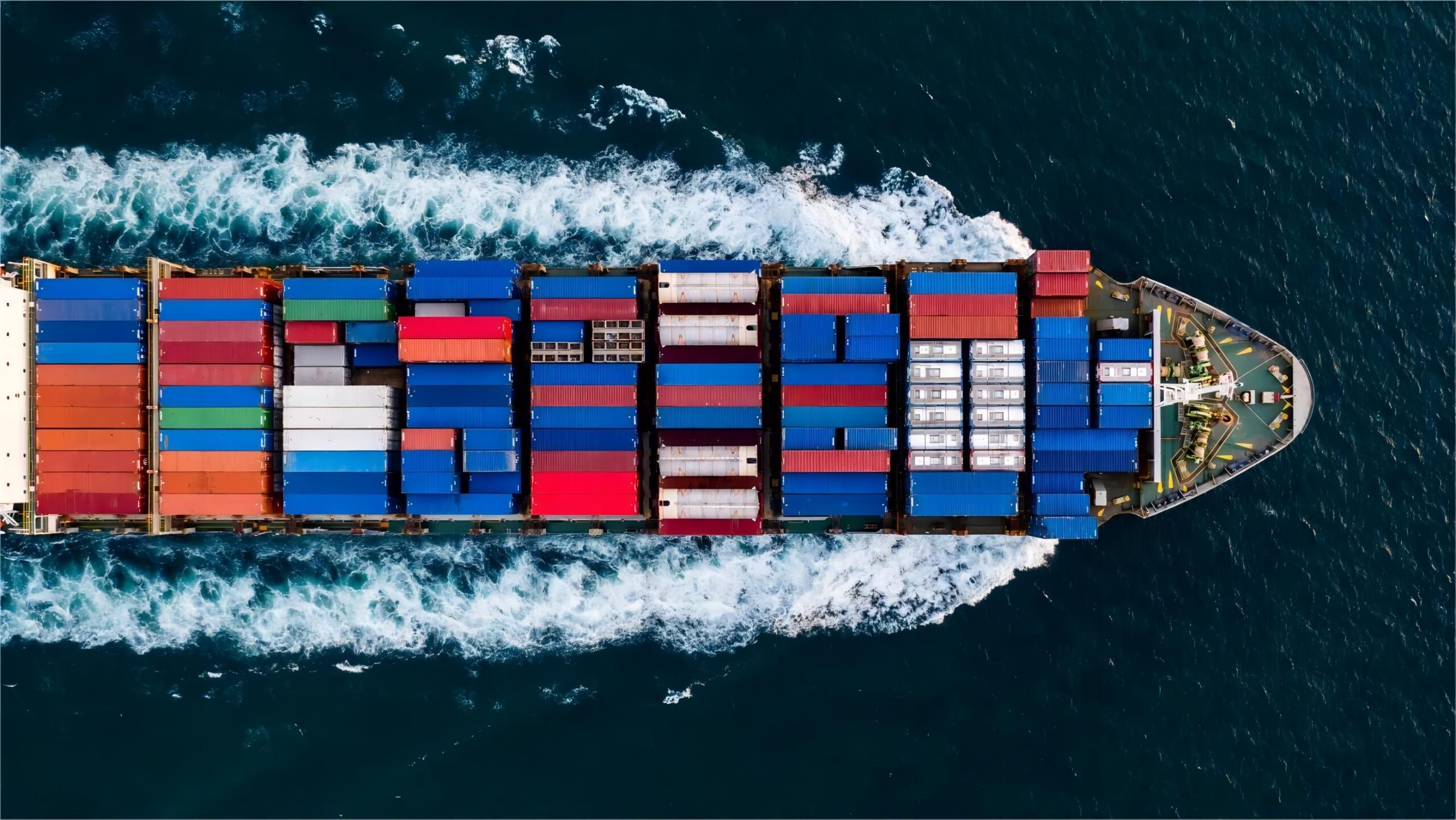
Why Shipping from China by Sea Singapore is Essential
Businesses frequently choose sea freight because it offers unparalleled capacity for large volumes of cargo at a fraction of the cost of air transport. Moreover, the proximity of major Chinese ports like Shanghai and Shenzhen to Singapore allows for relatively short transit times compared to long-haul western routes. Therefore, companies can maintain a steady flow of inventory without the extreme overhead associated with faster but more expensive shipping methods.
Importers benefit significantly from the economies of scale provided by massive container ships that transit the South China Sea daily. Additionally, the Port of Singapore is one of the most efficient maritime hubs globally, ensuring that your cargo is processed with minimal delay upon arrival. Indeed, this efficiency makes shipping from China by sea Singapore a preferred choice for both small enterprises and multinational corporations.
Environmental considerations also play a role in this decision as ocean freight typically has a lower carbon footprint per ton of cargo than air freight. Furthermore, the availability of specialized containers for refrigerated goods or hazardous materials ensures that almost any type of product can be transported safely. Consequently, sea freight remains the backbone of the China-Singapore trade corridor.
How Does Shipping from China by Sea Singapore Compare to Other Shipping Options?
Comparing different transport modes is vital for optimizing your logistics budget and meeting your delivery deadlines. While air freight offers speed, it often costs five to ten times more than ocean transport for the same volume of goods. Meanwhile, sea freight provides the stability needed for non-urgent shipments and heavy industrial equipment.
Alternative strategies such as sea-air hybrid solutions can sometimes bridge the gap between cost and speed, though they are less common for the relatively short distance between China and Singapore. Specifically, most businesses find that direct sea routes provide the best balance of reliability and affordability. As a result, sea freight is the default choice for over 80 percent of goods imported into Singapore from the Chinese mainland.
Market data suggests that for shipments exceeding 100 kilograms, the cost savings of sea freight become too significant to ignore. On the other hand, very small parcels or urgent documents are better suited for express courier services despite the higher rates. To summarize, your choice should depend on your specific cargo volume, budget constraints, and time sensitivity.
| Shipping Method | Cost Range | Transit Time | Best For |
|---|---|---|---|
| Sea Freight | $300 – $1,200 per container | 4 – 10 Days | Bulk goods and large volumes |
| Air Freight | $4.50 – $8.50 per kg | 1 – 3 Days | High-value or urgent cargo |
| Express Service | $6.50 – $12.00 per kg | 1 – 2 Days | Small parcels and samples |
| Rail Freight | Not Applicable | N/A | Not viable for this route |

Understanding FCL and LCL for China-Singapore Routes
Choosing between Full Container Load (FCL) and Less than Container Load (LCL) is a critical decision for every importer. FCL means you have exclusive use of a 20-foot or 40-foot container, which is ideal for large shipments that can fill the space. Conversely, LCL allows you to share container space with other shippers, making it a cost-effective option for smaller volumes.
LCL shipping typically involves slightly longer processing times because the freight forwarder must consolidate multiple shipments at the origin and de-consolidate them at the destination. Nevertheless, for shipments between 1 and 15 cubic meters, LCL often provides the most economical way to utilize shipping from China by sea Singapore. In contrast, if your volume exceeds 15 cubic meters, booking a full 20GP container usually becomes more cost-efficient.
Security is another factor to consider when selecting your container type. Since FCL containers are sealed at the factory and only opened at the final destination or by customs, they generally face a lower risk of handling damage. However, modern LCL services use advanced tracking and cargo handling techniques to ensure that even shared shipments remain safe and secure throughout the journey.
| Feature | FCL (Full Container Load) | LCL (Less than Container Load) | Recommendation |
|---|---|---|---|
| Volume | Best for >15 CBM | Best for 1 – 15 CBM | Check volume first |
| Cost | Flat rate per container | Priced per CBM | Compare total landed cost |
| Speed | Faster (Direct) | Slightly slower (Consolidation) | FCL for urgency |
| Handling | Minimal handling | More frequent handling | FCL for fragile goods |
Navigating Sea Freight Rates and Cost Factors
Freight rates for sea freight are influenced by several dynamic factors including fuel surcharges, seasonal demand, and port congestion. During peak seasons, such as the weeks leading up to the Lunar New Year, prices can increase by 20 to 30 percent due to high demand. Additionally, local charges at both the port of loading and the port of discharge must be factored into your total shipping budget.
Ocean freight costs are generally divided into the base rate and various surcharges like the Bunker Adjustment Factor (BAF) or Currency Adjustment Factor (CAF). Moreover, you must account for documentation fees, terminal handling charges, and trucking costs for the final mile delivery. Consequently, requesting an all-in quote from your freight forwarder is essential to avoid unexpected expenses during the shipping process.
Note: Freight rates are subject to change based on fuel costs, carrier capacity, and seasonal demand. Contact us for a current quote tailored to your specific shipment. Market data as of early 2025 suggests that rates have stabilized, but geopolitical factors can still cause sudden fluctuations in the maritime industry.
Essential Documentation and Customs Brokerage
Successful importing requires meticulous attention to paperwork to avoid delays at the Singapore Customs checkpoint. The most important documents include the Bill of Lading, Commercial Invoice, and Packing List. Furthermore, certain goods may require specific import permits or certificates of origin to qualify for preferential tariff rates under trade agreements.
Utilizing a professional customs brokerage service can significantly simplify this process for your business. These experts ensure that your cargo is classified correctly under the Harmonized System (HS) codes, which determines the amount of Goods and Services Tax (GST) and any applicable duties. Indeed, incorrect classification can lead to heavy fines or the seizure of your products by authorities.
Singapore Customs operates an electronic system called TradeNet, which allows for the rapid processing of declarations. Most sea freight shipments are cleared within a few hours if the documentation is in order. Therefore, preparing your paperwork well in advance of the ship’s arrival is a hallmark of a well-managed supply chain.
Door to Door Shipping Solutions for Maximum Convenience
Many modern businesses prefer door to door shipping because it provides a seamless end-to-end logistics experience. This service covers everything from picking up the goods at the factory in China to delivering them directly to your warehouse or retail location in Singapore. Consequently, you do not have to worry about coordinating multiple carriers or managing port logistics yourself.
Importers who choose this comprehensive service often save time and reduce the risk of communication errors between different service providers. Additionally, door to door services usually include customs clearance and local trucking, providing a transparent single-price structure for the entire journey. As a result, this option is particularly popular among e-commerce sellers and small business owners who lack dedicated logistics departments.
Specifically, if you are shipping smaller volumes via LCL, a door to door arrangement can be much simpler than managing the collection from a container freight station. Meanwhile, for FCL shipments, the freight forwarder coordinates the positioning of the container at the factory and its subsequent transport to the port. Thus, you gain peace of mind knowing that every step of the process is handled by professionals.

Managing Amazon FBA Shipments from China to Singapore
Sellers on the Amazon Singapore marketplace must adhere to strict delivery and labeling requirements for their inventory. Using a specialized Amazon FBA shipping service ensures that your products are prepared according to Amazon’s standards before they reach the fulfillment center. Furthermore, freight forwarders experienced in FBA shipments understand the appointment scheduling process required by Amazon.
Incorrectly labeled or packaged shipments can be rejected at the warehouse, leading to significant additional costs and lost sales. Therefore, it is often beneficial to use a forwarder that provides value-added services such as palletizing, labeling, and quality inspections at the origin in China. Consequently, your goods are ready for immediate sale as soon as they are checked into the Amazon system.
Moreover, sea freight is the most common method for restocking FBA inventory due to its lower cost, which helps maintain healthy profit margins. While you must plan for the longer lead times of ocean transport, the savings on shipping from China by sea Singapore are substantial for high-volume sellers. Indeed, strategic inventory management combined with reliable sea freight is the key to success in the competitive e-commerce landscape.
Air Freight as a Fast Alternative for Urgent Cargo
Sometimes, the transit time of sea freight is simply too long for urgent business needs or perishable goods. In such cases, air freight provides a rapid alternative that can deliver goods from China to Singapore in as little as 24 to 48 hours. Although the cost is higher, the speed of air transport can be critical for launching new products or fulfilling emergency orders.
Air cargo is typically handled with more care and experiences fewer vibrations than sea freight, making it suitable for extremely fragile or high-value electronics. Additionally, the shorter transit time reduces the need for extensive inventory holding, which can lower your overall warehousing costs. However, for the majority of consumer goods and industrial materials, shipping from China by sea Singapore remains the more practical long-term strategy.
Choosing between air and sea often comes down to a simple calculation of the value of time versus the cost of transport. If the potential loss of revenue from a stockout exceeds the extra cost of air freight, then the faster option is justified. Otherwise, sticking to a well-planned sea freight schedule is the most sustainable way to manage your international logistics.
Real-World Case Studies for China-Singapore Sea Freight
Case Study 1: Electronics Distribution. Route: Shenzhen, China to Singapore. Cargo: Consumer electronics, 12 CBM. Container: LCL. Shipping Details: Direct service via major carrier from Yantian Port to PSA Singapore. Cost Breakdown: Ocean Freight $480, Origin Charges $150, Destination Charges $220, Customs Clearance $100. Total Landed Cost: $950. Timeline: 7 days door-to-door. Key Insight: Consolidating multiple small orders into one LCL shipment saved the client 40 percent compared to air freight.
Case Study 2: Furniture Retailer. Route: Ningbo, China to Singapore. Cargo: Home furniture, 1x20GP container. Container: FCL. Shipping Details: Direct route from Ningbo-Zhoushan Port. Cost Breakdown: Ocean Freight $850, Origin Charges $200, Destination Charges $300, Customs and Duties $450. Total Landed Cost: $1,800. Timeline: 9 days total. Key Insight: Using FCL allowed the retailer to pack the container at their own pace, ensuring that fragile glass components were properly secured for the sea voyage.
Based on Q4 2024 and early 2025 market rates, these examples reflect typical costs for standard cargo. However, prices may vary during peak periods or if specialized handling is required. Always verify current rates with your logistics provider before finalizing your shipping budget.
Which Option Should You Choose? A Decision Framework
Selecting the right shipping method requires a clear understanding of your business priorities and cargo characteristics. If your primary goal is budget optimization and you are shipping more than 1 cubic meter of goods, sea freight is almost always the best choice. On the other hand, if you are shipping a small sample or a critical replacement part, air or express services are more appropriate.
Volume thresholds are also a major factor in the decision process. For shipments under 0.5 cubic meters, the minimum charges for sea freight might make it nearly as expensive as air freight. However, once you surpass the 1 CBM mark, the cost-per-unit for shipping from China by sea Singapore drops dramatically. Specifically, LCL is perfect for growing businesses, while FCL is the gold standard for established importers with high-volume needs.
Finally, consider the nature of your cargo and the reliability of your supplier. Fragile or high-value items might benefit from the reduced handling of FCL or the speed of air freight. To summarize, evaluate your lead times, calculate your total landed costs, and choose the method that offers the best return on investment for your specific situation.
Mastering Your Logistics Strategy
Successfully navigating the world of shipping from china by sea singapore requires a combination of strategic planning, accurate documentation, and the right logistics partners. By understanding the differences between FCL and LCL, and by staying informed about current market rates, you can significantly improve your business’s bottom line. Moreover, leveraging professional customs brokerage and door to door services allows you to focus on your core business while experts handle the complexities of international transport.
As the trade relationship between China and Singapore continues to grow, staying adaptable to new logistics trends and cost-saving opportunities will remain essential for competitive businesses. Whether you are a small e-commerce seller or a large industrial importer, shipping from china by sea singapore offers the reliability and scalability you need to succeed in today’s global market.

Ready to streamline your logistics?
Are you ready to optimize your supply chain with reliable shipping from china by sea singapore? Contact our expert team today for a personalized quote and discover how we can streamline your logistics. Visit our website to learn more or send an inquiry to get started. Visit: https://alibabafreight.com/ Send Inquiry:
Request Quote