
Sea Freight China Netherlands: 2025 Expert Shipping Guide
Sea freight China Netherlands remains the most vital logistics artery for businesses importing goods into the heart of Europe. Navigating this complex route requires a deep understanding of port operations, customs regulations, and fluctuating market rates. By partnering with DSV-Freight, companies can leverage professional expertise to streamline their supply chains and ensure timely delivery of cargo to the Port of Rotterdam.
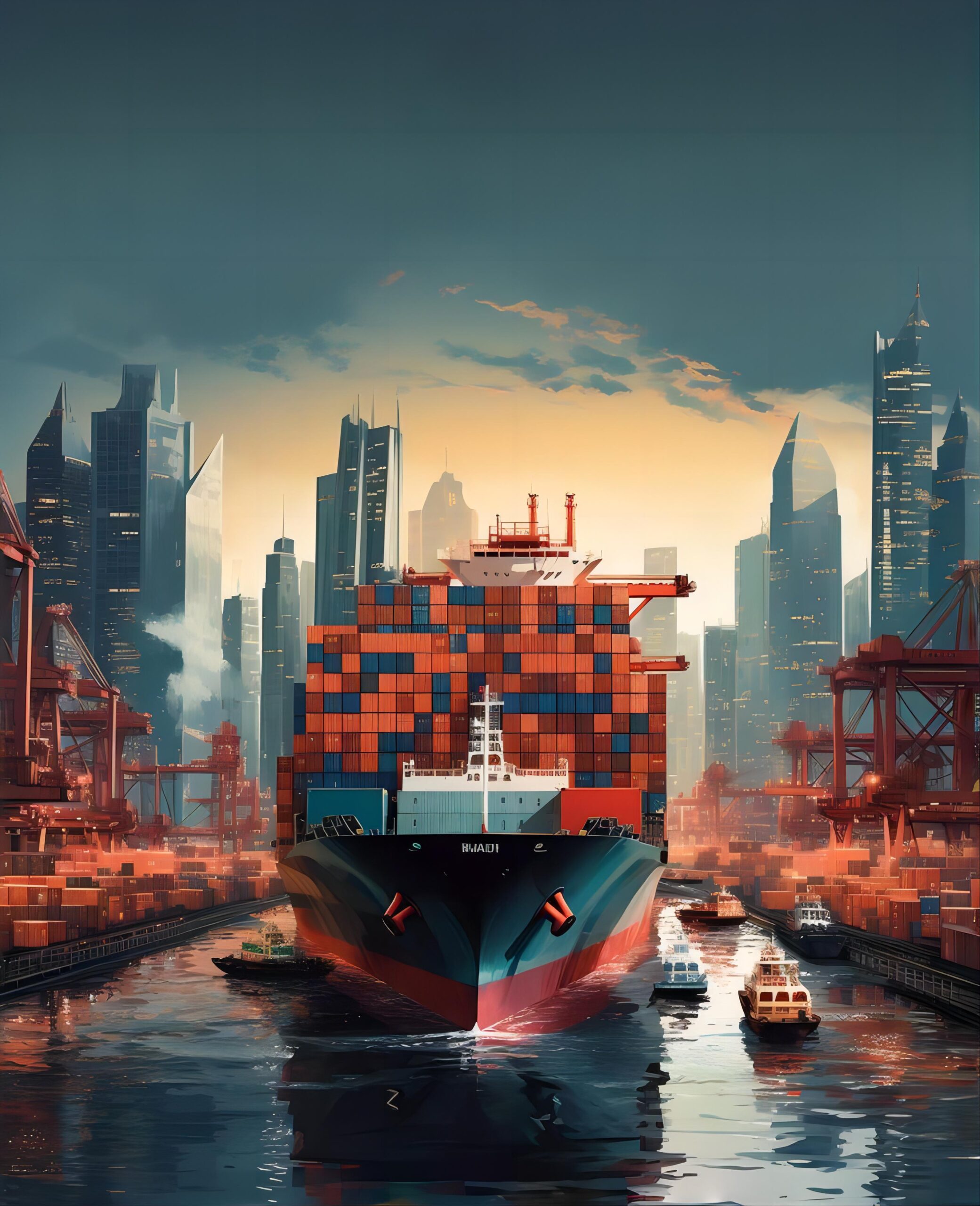
Why Choose Sea Freight China Netherlands for Your Business?
Ocean transport provides unparalleled capacity for moving massive volumes of goods across the globe at a fraction of the cost of air transport. Consequently, most Dutch importers prioritize this method for non-urgent shipments and bulk commodities. The economic benefits become even more pronounced when shipping heavy machinery, textiles, or consumer electronics in large quantities.
Moreover, the environmental impact of maritime transport is significantly lower per ton-mile compared to aviation. Businesses aiming to meet sustainability goals often prefer this mode of transport for their long-term supply chain strategies. Therefore, choosing sea freight is not just a financial decision but a strategic environmental one as well.
Additionally, the infrastructure connecting major Chinese ports like Shanghai and Ningbo to Rotterdam is highly developed. This maturity ensures that cargo handling remains efficient despite the long distances involved in the voyage. Indeed, the reliability of these established maritime lanes allows for precise inventory planning and stock management.
Understanding FCL vs LCL Shipping Methods
Full Container Load (FCL) is the preferred choice for businesses that have enough cargo to fill an entire 20ft or 40ft container. This method offers better security and faster handling since the container remains sealed from the point of origin to the final destination. Furthermore, FCL shipping usually results in lower costs per unit when the container is utilized to its maximum capacity.
Less than Container Load (LCL) serves as an excellent alternative for smaller shipments that do not require a full container. In this scenario, your goods share space with cargo from other shippers, allowing you to pay only for the volume you use. However, LCL shipments often involve longer transit times due to the consolidation and deconsolidation processes at the ports.
Choosing between these two depends heavily on your specific volume thresholds and budget constraints. For instance, if your shipment exceeds 15 cubic meters, switching to FCL might actually be more cost-effective than paying for multiple LCL slots. Without a doubt, analyzing your monthly shipping volume is essential for optimizing your logistics expenditure.
| Feature | FCL (Full Container) | LCL (Shared Container) | Recommendation |
|---|---|---|---|
| Cost Basis | Flat rate per container | Rate per cubic meter (CBM) | FCL for bulk |
| Security | High (Sealed container) | Moderate (Shared space) | FCL for fragile |
| Transit Time | Faster (Direct) | Slower (Consolidation) | FCL for speed |
| Ideal Volume | Above 15 CBM | 1 to 14 CBM | LCL for samples |
How Does Sea Freight Compare to Other Shipping Options?
Evaluating the various modes of transport is crucial for any business operating in the international trade sector. While ocean transport is the most common, alternatives like air freight provide necessary speed for high-value or time-sensitive products. Nevertheless, the cost disparity between these two modes can be substantial, often reaching five to ten times the price of sea transport.
Rail transport has also emerged as a viable middle ground for the China-Europe route via the New Silk Road. Utilizing rail freight can cut transit times by half compared to the sea, though it remains more expensive than ocean vessels. Consequently, many companies use rail as a contingency plan when sea routes face congestion or seasonal delays.
Hybrid solutions, such as sea-air combinations, are increasingly popular for balancing cost and speed. For example, cargo might be shipped by sea to a hub like Dubai and then flown to Amsterdam to save time on the final leg. Accordingly, your choice should align with your specific inventory requirements and customer expectations.
| Shipping Method | Cost Range (Est.) | Transit Time | Best For | Limitations |
|---|---|---|---|---|
| Sea Freight | $3,000 – $4,200 | 30-40 Days | Bulk/Large Cargo | Longest duration |
| Air Freight | $5.00 – $9.00/kg | 5-8 Days | High Value/Urgent | Very high cost |
| Rail Freight | $4,500 – $6,000 | 18-22 Days | Mid-sized batches | Limited capacity |
| Express Service | $8.00 – $12.00/kg | 3-5 Days | Small parcels | Strict weight limits |
Transit Times and Major Port Hubs
Shipping from China to the Netherlands typically takes between 30 and 45 days depending on the specific ports of call. Major Chinese departure points include Shanghai, Ningbo-Zhoushan, and Shenzhen, which are among the busiest ports in the world. On the other hand, the Port of Rotterdam serves as the primary gateway for Dutch imports, offering world-class infrastructure for cargo discharge.
Weather conditions and seasonal demand can significantly influence these timelines. For instance, the weeks leading up to the Chinese New Year often see a surge in volume, leading to potential port congestion and delays. Meanwhile, during the winter months, North Sea weather may occasionally impact the final approach to Dutch coastal waters.
Direct routes are generally faster but may come at a premium price compared to transshipment options. Transshipment via hubs like Singapore or Colombo can add five to seven days to the total journey but might offer lower freight rates. Therefore, businesses must weigh the importance of speed against the need for cost reduction.
Customs Brokerage and Documentation Requirements
Navigating the legal requirements of the European Union is a critical step in the import process. Every shipment must be accompanied by a Bill of Lading, a Commercial Invoice, and a detailed Packing List. Furthermore, failing to provide accurate documentation can lead to expensive storage fees and significant delays at the Dutch border.
Professional customs brokerage services are essential for ensuring compliance with VAT and import duties. In the Netherlands, the ‘Article 23’ permit allows importers to defer VAT payments, which can greatly improve cash flow for many businesses. Consequently, understanding these local tax regulations is just as important as the physical transport of the goods.
Additionally, certain products may require specific certificates, such as CE marking for electronics or phytosanitary certificates for organic materials. Indeed, verifying these requirements before the ship leaves China is the best way to prevent issues upon arrival. To simplify this, many importers opt for door to door services that include customs clearance in the package.
Cost-Saving Strategies for Dutch Importers
Reducing your logistics expenses requires a proactive approach to planning and negotiation. One effective strategy is to consolidate multiple small orders into a single FCL shipment whenever possible. Moreover, booking your shipments at least three to four weeks in advance can help you secure more favorable rates before the peak season price hikes.
Optimizing your packaging to reduce wasted space within the container is another overlooked method for saving money. For LCL shipments, even a small reduction in the dimensions of your boxes can lead to significant savings over the course of a year. Additionally, comparing quotes from multiple freight forwarders ensures that you are receiving competitive market rates.
Finally, consider the Incoterms you use when negotiating with Chinese suppliers. While CIF (Cost, Insurance, and Freight) might seem convenient, FOB (Free on Board) often gives the importer more control over the shipping costs and service levels. As a result, having direct oversight of the maritime leg of the journey usually leads to better long-term outcomes.
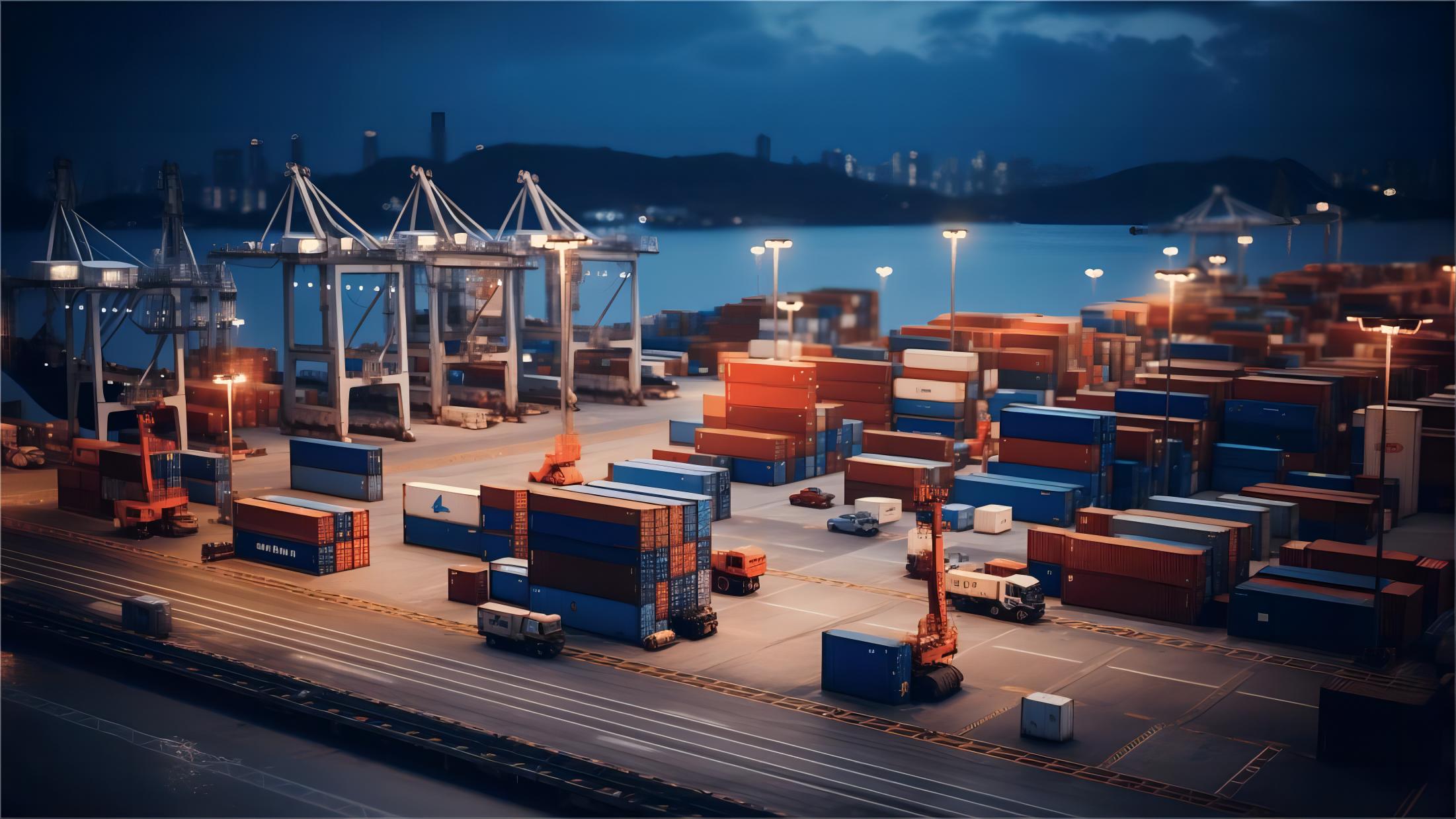
Real-World Case Studies: China to Netherlands
Case Study 1: High-Volume Electronics Import. Route: Shenzhen, China to Rotterdam, Netherlands. Cargo: Consumer electronics, 68 CBM, 12,500 kg. Container: 40HQ. Shipping Details: Direct service via Maersk. Port of Loading: Shenzhen. Port of Discharge: Rotterdam. Cost Breakdown: Ocean Freight $3,850, Origin Charges $450, Destination Charges $520, Customs & Duties $2,100. Timeline: Booking to Loading 5 days, Sea Transit 32 days, Customs Clearance 2 days, Total Door-to-Door 39 days. Key Insight: Early booking during the Q3 peak season saved the client approximately 15% on freight costs compared to last-minute spot rates.
Case Study 2: Small Business Furniture Shipment. Route: Ningbo, China to Amsterdam, Netherlands. Cargo: Handcrafted furniture, 8 CBM, 1,200 kg. Container: LCL. Shipping Details: Transshipment via Singapore. Port of Loading: Ningbo. Port of Discharge: Rotterdam. Cost Breakdown: Ocean Freight $640, Origin Charges $210, Destination Charges $380, Customs & Duties $450. Timeline: Booking to Loading 7 days, Sea Transit 41 days, Customs Clearance 3 days, Total Door-to-Door 51 days. Key Insight: Using LCL allowed the business to maintain inventory levels without the capital outlay required for a full container, despite the longer transit time.
Which Shipping Option Should You Choose?
Budget priority: If your primary goal is to minimize costs and your lead times are flexible, sea freight is the definitive choice. This is especially true for heavy or bulky items that would be prohibitively expensive to ship by air. In contrast, if you are dealing with perishable goods or urgent stock replacements, the high cost of air freight becomes a necessary investment.
Speed priority: When time is of the essence, air freight remains the fastest route, followed by rail freight. Rail is particularly effective for businesses that need to bridge the gap between the slow ocean route and the expensive air route. Cargo type considerations: Hazardous materials or extremely oversized equipment may have limited options and often require specialized sea freight handling.
Volume thresholds: As a general rule, shipments under 1 CBM should go via express courier, while those between 1 and 14 CBM are best suited for LCL sea freight. Once you surpass the 15 CBM mark, FCL sea freight usually provides the best value. To summarize, your decision should be a balanced calculation of time, cost, and the specific nature of your products.
Mastering Your Logistics from China to the Netherlands
Successfully managing sea freight China Netherlands requires a combination of strategic planning, accurate documentation, and the right logistics partners. By understanding the differences between FCL and LCL, monitoring transit times, and preparing for customs requirements, you can significantly reduce the risks associated with international trade. Furthermore, staying informed about market trends and alternative shipping methods allows you to remain competitive in the Dutch market.
Freight rates and port conditions will continue to fluctuate, but the core principles of efficient maritime transport remain constant. Always prioritize clear communication with your suppliers and forwarders to ensure that every shipment arrives safely and on schedule. Ultimately, a well-optimized sea freight strategy is the backbone of a successful import business in the Netherlands.
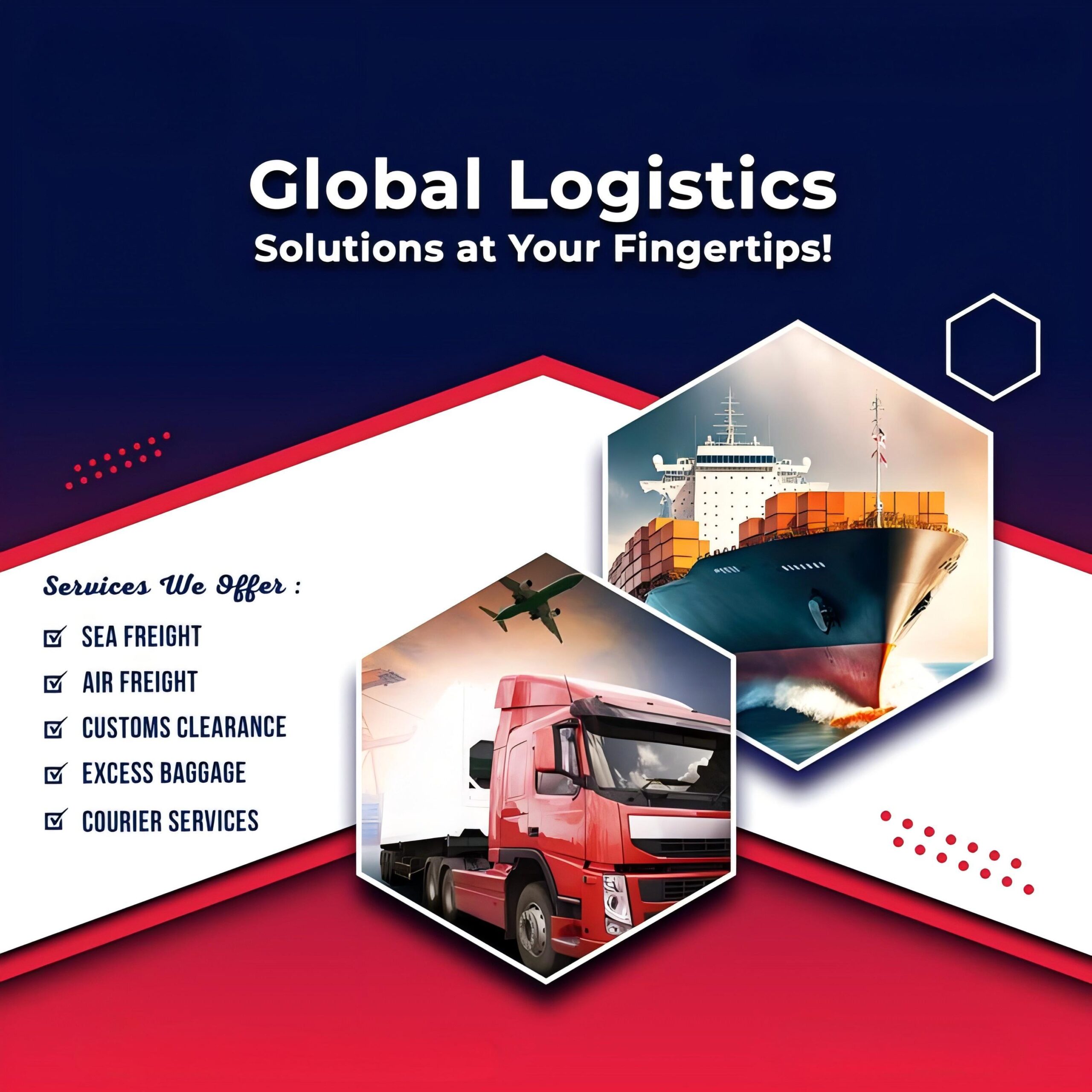
Ready to streamline your logistics?
Ready to optimize your supply chain with reliable sea freight China Netherlands solutions? Contact the experts at DSV-Freight today for a customized quote and professional logistics advice tailored to your business needs. Visit our website to start your shipping journey. See: https://alibabafreight.com/
Request Quote