

Shipping Cost Estimator China to Middle East: 2026 Rates and Logistics Guide
Finding an accurate shipping cost estimator china to middle east is vital for efficient supply chain management in 2026. Moreover, businesses must account for fluctuating fuel surcharges and seasonal demand shifts across the region. Consequently, this detailed analysis provides the tools and data necessary for precise budgeting and logistics planning. Furthermore, we explore the nuances of various transport modes to help you optimize your international trade operations.

Understanding the 2026 Market Context for Middle East Shipping
Global trade routes have stabilized significantly as of early 2026 after the disruptions seen in previous years. However, freight rates from China to the Middle East continue to reflect regional demand and infrastructure developments. Specifically, the expansion of ports in Saudi Arabia and the UAE has created more options for direct calling. Meanwhile, fuel price volatility remains a key factor that every shipping cost estimator china to middle east must integrate into its calculations.
Importers should note that the Red Sea corridor has seen improved safety protocols, leading to more predictable transit times. Additionally, the digital transformation of customs systems in the Gulf Cooperation Council (GCC) countries has streamlined the entry of goods. Nevertheless, peak seasons such as the months leading up to Ramadan still cause temporary spikes in demand and pricing. Therefore, planning your shipments at least six weeks in advance is highly recommended to secure the best possible rates.
How to Use a Shipping Cost Estimator China to Middle East Effectively
Accuracy in logistics planning begins with providing precise data to your estimation tool. Initially, you must determine the total volume and weight of your cargo to choose between sea freight and other methods. Moreover, specifying the exact port of loading, such as Ningbo or Shenzhen, ensures that local drayage costs are correctly reflected. Consequently, a small error in dimensions can lead to significant discrepancies between estimated and actual costs.
Digital estimators also allow you to compare different service levels, from port-to-port to comprehensive solutions. Furthermore, incorporating potential customs duties and taxes into your initial calculation provides a more realistic landed cost. Indeed, many modern tools now include real-time data feeds from major carriers like Maersk and COSCO. Ultimately, using these tools helps you avoid the common pitfall of underestimating total logistics expenses.
Comparing Air Freight and Sea Freight for Middle East Routes
Choosing between transport modes often involves a trade-off between speed and expenditure. For instance, air freight is the preferred choice for high-value electronics or urgent spare parts that need to reach Dubai or Riyadh within days. In contrast, sea freight offers the most economical solution for bulk commodities and large consumer goods shipments. Accordingly, your choice should align with your inventory turnover requirements and budget constraints.
Transit times for ocean transport typically range from 20 to 35 days depending on the specific destination port. However, air cargo can arrive at major Middle Eastern hubs in as little as 3 to 7 days. Additionally, air transport reduces the need for extensive protective packaging, which can slightly offset the higher freight cost. Nevertheless, for shipments exceeding 500 kilograms, the cost advantage of sea freight becomes overwhelmingly clear for most businesses.
| Method | Cost Range | Transit Time | Best For |
| Sea Freight (FCL) | $2,200 – $4,500 | 22-35 Days | Bulk / Large Volume |
| Sea Freight (LCL) | $60 – $120/CBM | 25-40 Days | Small Pallets |
| Air Freight | $4.50 – $8.50/kg | 3-7 Days | Urgent / High Value |
| Express | $9.50 – $16.00/kg | 2-4 Days | Samples / Documents |

How Does Sea Freight Compare to Other Shipping Options?
While sea transport is the backbone of China-Middle East trade, it is important to analyze how it stacks up against alternative strategies. For example, some businesses now utilize sea-air hybrid solutions, where goods move by ship to a hub like Colombo before flying to the final destination. This approach offers a middle ground in both cost and speed, providing more flexibility than standard ocean transit. Consequently, it is a popular choice for fashion retailers during mid-season inventory refreshes.
Direct shipping routes generally cost 10-15% more than transshipment options but save approximately 5-7 days of transit time. On the other hand, transshipment via Singapore or Port Klang remains a cost-effective alternative for non-urgent cargo. Furthermore, for shipments under 15 CBM, LCL shipping at $60-100 per CBM is often more economical than paying for a full 20GP container. Ultimately, the best strategy depends on your specific volume thresholds and delivery deadlines.
| Shipping Method | Cost Range | Transit Time | Limitations |
| Direct Sea | Higher | 20-25 Days | Limited Port Pairs |
| Transshipment Sea | Lower | 30-40 Days | Potential Delays |
| Sea-Air Hybrid | Moderate | 12-18 Days | Complex Documentation |
| Direct Air | Highest | 1-3 Days | Weight Restrictions |
Key Factors Influencing 2026 Freight Rates
Several dynamic factors determine the final price you see on a shipping cost estimator china to middle east. Firstly, the Bunker Adjustment Factor (BAF) fluctuates based on global oil prices, directly impacting carrier surcharges. Moreover, port congestion at major hubs like Jebel Ali can lead to additional storage fees and detention charges. Consequently, staying informed about regional port conditions is essential for accurate cost forecasting.
Seasonal demand also plays a massive role in pricing trends throughout the year. For example, rates typically increase by 15-25% during the pre-Ramadan peak and the Q4 holiday rush. Additionally, the availability of empty containers in Chinese manufacturing hubs can cause price spikes if supply fails to meet demand. Therefore, we recommend monitoring market intelligence reports to time your shipments during lower-demand periods whenever possible.
Customs Brokerage and Door to Door Services
Navigating the regulatory landscape of the Middle East requires specialized knowledge of local customs laws. Specifically, utilizing a professional customs brokerage service can prevent costly delays and fines at the border. Furthermore, Saudi Arabia’s Saber system and the UAE’s E-border requirements demand precise documentation for every imported item. Indeed, ensuring your paperwork is perfect before the cargo departs China is the best way to ensure a smooth transition.
Many businesses are now opting for door to door solutions to simplify their logistics chain. This service covers everything from the initial pickup in China to the final delivery at your warehouse in the Middle East. Additionally, it provides a single point of contact and one all-inclusive price, which makes budgeting much easier for small and medium enterprises. Consequently, while the upfront cost may be higher, the time saved and risk reduction often justify the investment.
Note: Freight rates are subject to change based on fuel costs, carrier capacity, and seasonal demand. Contact us for a current quote tailored to your specific shipment.

Real-World Case Studies: China to Middle East
Case Study 1: Electronics from Shenzhen to Dubai. Route: Shenzhen, China to Jebel Ali, UAE. Cargo: Consumer Electronics, 8 CBM, 1200 kg. Method: LCL Sea Freight. Cost Breakdown: Ocean Freight $640, Origin Charges $180, Destination Charges $220, Customs Duties $350. Total Landed Cost: $1,390. Timeline: 24 days door-to-port. Key Insight: Consolidating multiple small orders into one LCL shipment saved the client 30% compared to air freight.
Case Study 2: Furniture from Ningbo to Riyadh. Route: Ningbo, China to Riyadh via Dammam. Cargo: Home Furniture, 1 x 40HQ Container. Method: FCL Sea Freight. Cost Breakdown: Ocean Freight $3,800, Origin Fees $450, Destination Port Fees $600, Customs and Saber Fees $900. Total Landed Cost: $5,750. Timeline: 32 days door-to-door. Key Insight: Using a direct route to Dammam avoided the congestion often found at transshipment hubs during the 2026 peak season.
Case Study 3: Urgent Spare Parts from Shanghai to Doha. Route: Shanghai Pudong to Doha Hamad International. Cargo: Industrial Machinery Parts, 150 kg. Method: express service. Cost Breakdown: Air Freight $1,150, Documentation $100, Local Delivery $150. Total Landed Cost: $1,400. Timeline: 4 days door-to-door. Key Insight: The speed of express service prevented a factory shutdown that would have cost the client thousands of dollars per day.
Which Option Should You Choose? Decision Framework
Selecting the right shipping method requires a clear understanding of your business priorities. If your primary goal is budget optimization, sea freight is almost always the superior choice for shipments over 2 CBM. However, if you are dealing with perishable goods or high-value items, the security and speed of air freight are worth the premium. Specifically, consider the following criteria when making your final decision.
Volume thresholds often dictate the most economical path forward. For instance, for shipments under 100kg, express courier services are usually more cost-effective than standard air freight due to lower minimum handling fees. Meanwhile, once you reach 15 CBM, you should compare LCL rates against a full 20GP container, as the FCL option might provide better security for a similar price. Ultimately, your choice should balance transit time requirements with the total landed cost to maximize your competitive advantage.
Mastering Your Middle East Logistics in 2026
Successfully managing international trade requires a robust shipping cost estimator china to middle east and a reliable logistics partner. Throughout this guide, we have explored the various factors that influence freight rates, from seasonal shifts to transport mode selection. Moreover, we have seen how different strategies like LCL, FCL, and air freight can be tailored to meet specific business needs.
As the market continues to evolve, staying informed about current trends and customs requirements will remain essential. By applying the insights and data provided here, you can make informed decisions that protect your margins and ensure timely deliveries. Remember that while cost is a major factor, reliability and transit speed are equally important for maintaining customer satisfaction in the Middle East.
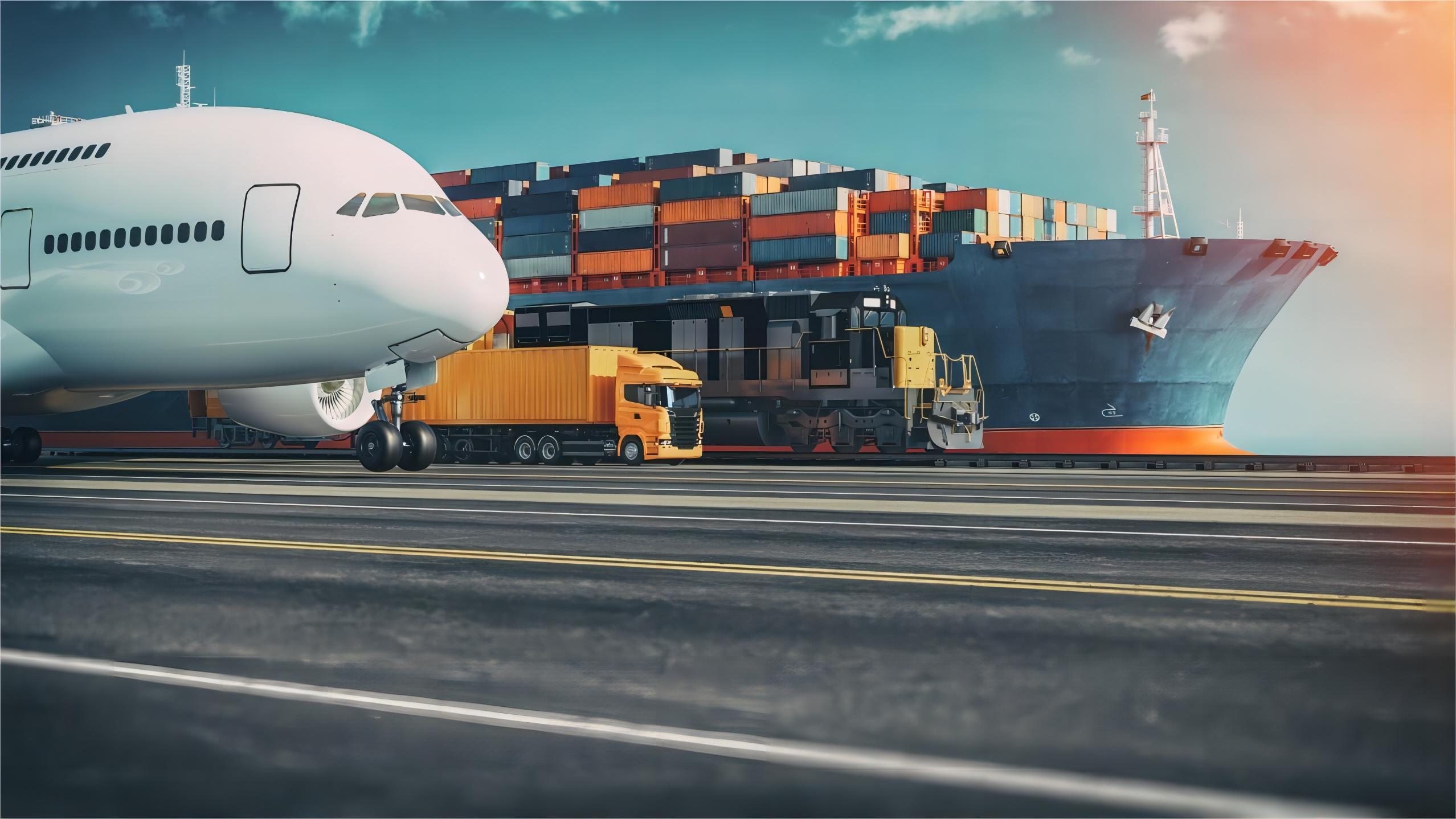
Ready to streamline your logistics?
Optimizing your logistics strategy starts with getting an accurate shipping cost estimator china to middle east quote. Our team of experts is ready to help you navigate the complexities of 2026 trade routes and customs regulations. Visit our website to request a personalized freight quote and see how we can streamline your supply chain today. Visit https://alibabafreight.com/ to get started with your inquiry now.
Request Quote