
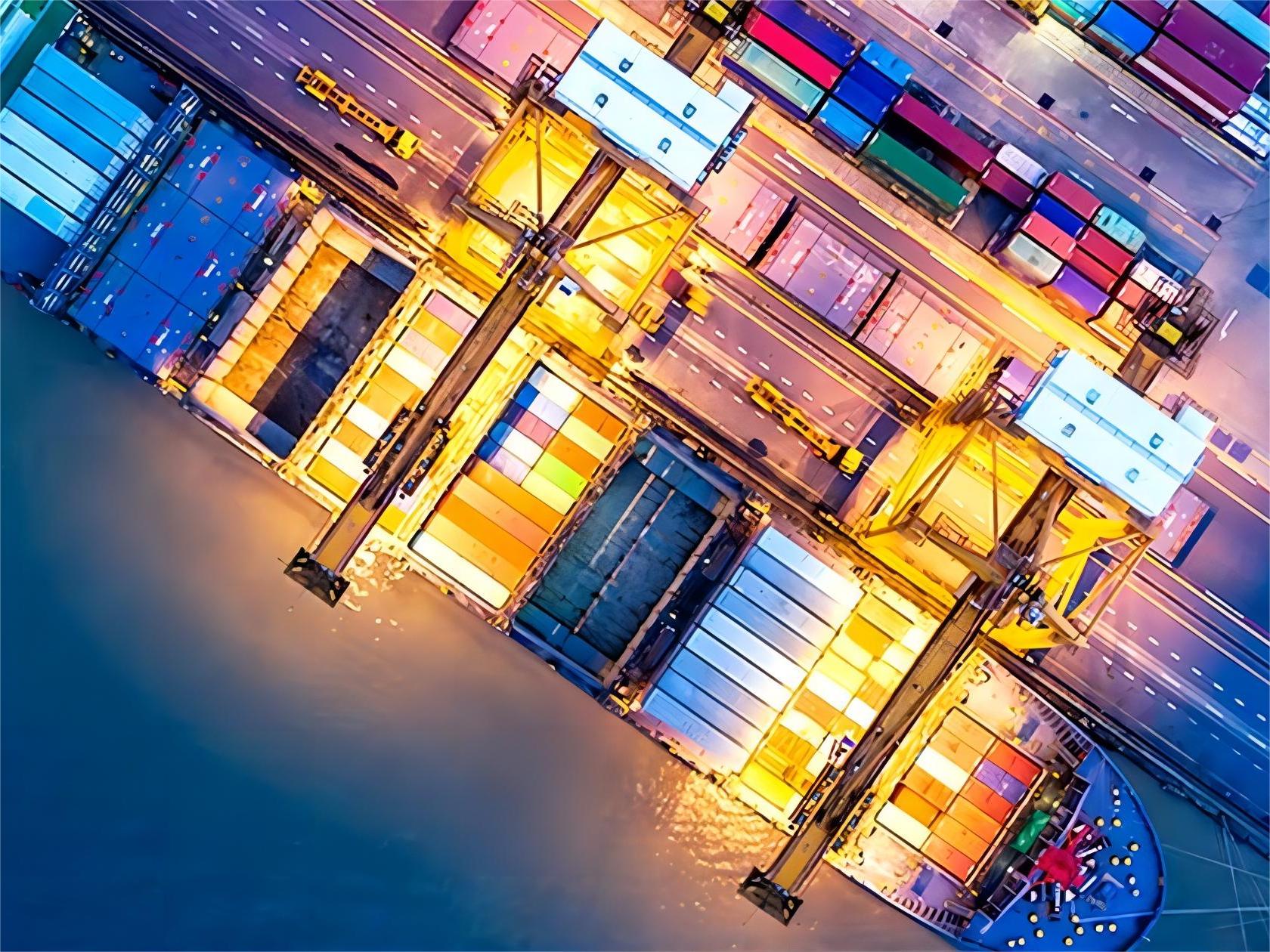
Sea Freight Forwarder China to Australia: 2026 Logistics Guide
“Selecting a dependable sea freight forwarder China to Australia is a vital decision for any business importing goods into the Australian market in 2026. DSV-Freight offers streamlined logistics solutions that simplify the complexities of international trade. Consequently, our clients benefit from reduced shipping costs and enhanced supply chain predictability. This guide explores the current maritime landscape, providing the data you need to make informed shipping decisions.”

❖
How Does Sea Freight Compare to Other Shipping Options?
❖
Evaluating different transport modes is the first step in optimizing your logistics strategy. While sea freight is often the most economical choice, other methods offer speed advantages. For instance, air transport is significantly faster but carries a much higher price tag per kilogram.
Moreover, the choice between methods depends heavily on your cargo volume and budget constraints. Small shipments might benefit from express services, whereas bulk goods require the capacity of ocean vessels. Therefore, understanding the trade-offs in cost and time is essential for maintaining a competitive edge in 2026.
Additionally, businesses must consider the environmental impact of their shipping choices. Ocean transport remains the most carbon-efficient method for moving large quantities of goods across the Pacific. As a result, many companies prioritize sea routes to meet sustainability goals while keeping overhead low.
| Shipping Method | Cost Range | Transit Time | Best For |
|---|---|---|---|
| Sea Freight | USD 800 – USD 2,000 | 12 – 18 Days | Bulk goods and large volumes |
| Air Freight | USD 5 – USD 12 per kg | 3 – 7 Days | High-value or urgent items |
| Express Service | USD 8 – USD 15 per kg | 2 – 5 Days | Small parcels and samples |
❖
What Are the Current Sea Freight Rates for 2026?
❖
Freight rates from China to Australia have remained relatively stable throughout the first half of 2026. However, prices can still fluctuate based on fuel surcharges and seasonal demand spikes. For example, rates typically increase by 15 percent during the peak season between August and October.
Furthermore, the type of container you choose will significantly impact your total landed cost. Full Container Load (FCL) shipping provides a fixed price for the entire space, while Less than Container Load (LCL) charges are based on volume. Consequently, high-volume shippers often find FCL to be more cost-effective.
Indeed, it is important to account for origin and destination charges beyond the base ocean freight. These include terminal handling fees, documentation costs, and port security surcharges. To summarize, always request a comprehensive quote that covers the entire journey from factory to warehouse.
| Container Type | Rate Range (USD) | Capacity | Typical Use |
|---|---|---|---|
| 20GP Container | USD 800 – USD 1,200 | 28-30 CBM | Heavy machinery or dense goods |
| 40GP Container | USD 1,200 – USD 1,800 | 56-58 CBM | Standard consumer electronics |
| 40HQ Container | USD 1,400 – USD 2,000 | 68-70 CBM | Lightweight, bulky furniture |
❖
How Long Does Sea Freight Take from China to Australia?
❖
Transit times for sea freight are primarily determined by the specific departure and arrival ports. Shipping from southern China hubs like Shenzhen to Brisbane is generally faster than routes from northern ports like Tianjin. Meanwhile, direct services offer the quickest turnaround by avoiding transshipment hubs.
Nevertheless, port congestion and weather conditions can occasionally cause minor delays. In 2026, many carriers have implemented advanced scheduling software to minimize these disruptions. As a result, the average transit time to major Australian ports has become increasingly reliable.
In addition to the time spent at sea, you must factor in time for loading and unloading. Typically, it takes about 3 to 5 days for cargo handling at each end of the journey. For instance, a shipment from Shanghai to Sydney usually takes a total of 15 to 20 days door-to-door.
| Origin Port | Destination Port | Direct Transit | Transshipment | |
|---|---|---|---|---|
| Shenzhen | Sydney | 12 – 14 Days | 18 – 22 Days | |
| Shanghai | Melbourne | 14 – 16 Days | 20 – 25 Days | |
| Ningbo | Brisbane | 13 – 15 Days | 19 – 23 Days | |
| Qingdao | Fremantle | 16 – 18 Days | 22 – 28 Days |
❖
Why Should You Use a Professional Sea Freight Forwarder China to Australia?
❖
Navigating the complexities of international shipping requires specialized knowledge that a professional forwarder provides. They act as an intermediary between you and the carriers, ensuring that your cargo moves efficiently through the global network. Moreover, they handle the intricate paperwork that often confuses new importers.
Additionally, a forwarder can offer flexible solutions like door to door delivery. This service eliminates the need for you to manage multiple logistics providers, as the forwarder oversees every step. Consequently, you can focus on your core business operations while experts manage the transport.
Furthermore, experienced forwarders have established relationships with major shipping lines. This often results in better space allocations during peak seasons and more competitive pricing. Therefore, partnering with a specialist is a strategic move for long-term supply chain stability.
❖
Understanding FCL vs LCL Shipping Methods
❖
Choosing between Full Container Load (FCL) and Less than Container Load (LCL) is a critical decision for managing costs. FCL is ideal if you have enough goods to fill a 20-foot or 40-foot container. On the other hand, LCL allows you to share container space with other shippers, which is perfect for smaller volumes.
However, LCL shipments often involve more handling and a slightly longer transit time due to the consolidation process. Each shipment within the container must be processed separately, which can lead to delays at the port. Nevertheless, for shipments under 15 CBM, LCL remains a highly economical choice.
In contrast, FCL offers higher security as the container is sealed at the origin and only opened at the destination. This reduces the risk of damage or loss during transit. Accordingly, businesses with fragile or high-value items often prefer the exclusivity of FCL shipping.
❖
Essential Customs Documentation for Australian Imports
❖
Compliance with Australian Border Force regulations is mandatory for a smooth import process. Missing or incorrect documentation can lead to significant delays and expensive storage fees at the terminal. Therefore, utilizing a professional customs brokerage service is highly recommended.
Specifically, you will need a Commercial Invoice, a Packing List, and a Bill of Lading for every shipment. These documents provide the authorities with details about the value, weight, and nature of the goods. Additionally, a Certificate of Origin may be required to claim preferential duty rates under trade agreements.
Moreover, certain products like timber or organic materials require specific biosecurity permits. Australia has some of the strictest quarantine laws in the world to protect its ecosystem. Consequently, ensuring your paperwork is in order before the ship leaves China is vital for avoiding complications.
❖
Real-World Case Studies: China to Australia Logistics
❖
Examining real-world examples helps illustrate the practical application of these logistics strategies. Below are three scenarios based on typical shipments handled in early 2026. These cases highlight the importance of choosing the right method for different cargo types.
Case Study 1: Electronics from Shenzhen to Sydney. A tech retailer imported 40HQ of consumer electronics. They chose FCL via a direct route to ensure the goods arrived before a major sales event. The total landed cost was approximately USD 2,450, and the transit took exactly 14 days.
Case Study 2: Furniture from Ningbo to Melbourne. A local furniture store used LCL for a 12 CBM shipment of outdoor chairs. By using a consolidator, they paid only USD 950 for the ocean freight portion. Although the transit took 22 days due to transshipment, the cost savings were substantial.
Case Study 3: Industrial Machinery from Shanghai to Brisbane. A construction firm required a 20GP container for heavy equipment. Due to the weight, they prioritized a carrier with specialized handling facilities. The shipment cost USD 1,850 including origin charges and arrived in 16 days without any damage.
❖
Which Shipping Option Should You Choose?
❖
Deciding on the best shipping strategy requires a balance of speed, cost, and cargo requirements. If your primary goal is to minimize expenses and you have a large volume, sea freight is the clear winner. However, if you are shipping urgent spare parts, air freight is the necessary alternative.
For shipments that fall in the middle, consider hybrid solutions or LCL options. You should also evaluate the reliability of the forwarder in the specific Australia trade lane. Ultimately, the best choice is one that aligns with your delivery schedule and profit margins.
Note: Freight rates are subject to change based on fuel costs, carrier capacity, and seasonal demand. Contact us for a current quote tailored to your specific shipment.
Mastering Your Logistics with a Sea Freight Forwarder China to Australia
In conclusion, successful importing in 2026 requires a deep understanding of the maritime industry and local regulations. By partnering with a dedicated sea freight forwarder China to Australia, you can navigate these challenges with confidence. Whether you choose FCL or LCL, the right strategy will ensure your goods arrive safely and on time.
Remember to stay updated on market trends and maintain accurate documentation to avoid unnecessary costs. With the right logistics partner, your business can thrive in the growing trade corridor between China and Australia. We look forward to helping you achieve your shipping goals this year.
Ready to streamline your logistics?
Are you ready to optimize your supply chain with a trusted sea freight forwarder China to Australia? Contact DSV-Freight today for a customized quote and expert logistics advice. Visit our website to learn more about our comprehensive shipping solutions for 2026.
Frequently Asked Questions
What is the cheapest way to ship from China to Australia?
How long does customs clearance take in Australia?
Do I need insurance for my sea freight shipment?
What are the major ports in Australia for Chinese imports?
Can I ship hazardous materials via sea freight?
What factors affect sea freight rates in 2026?
Is door-to-door service available for all Australian cities?