
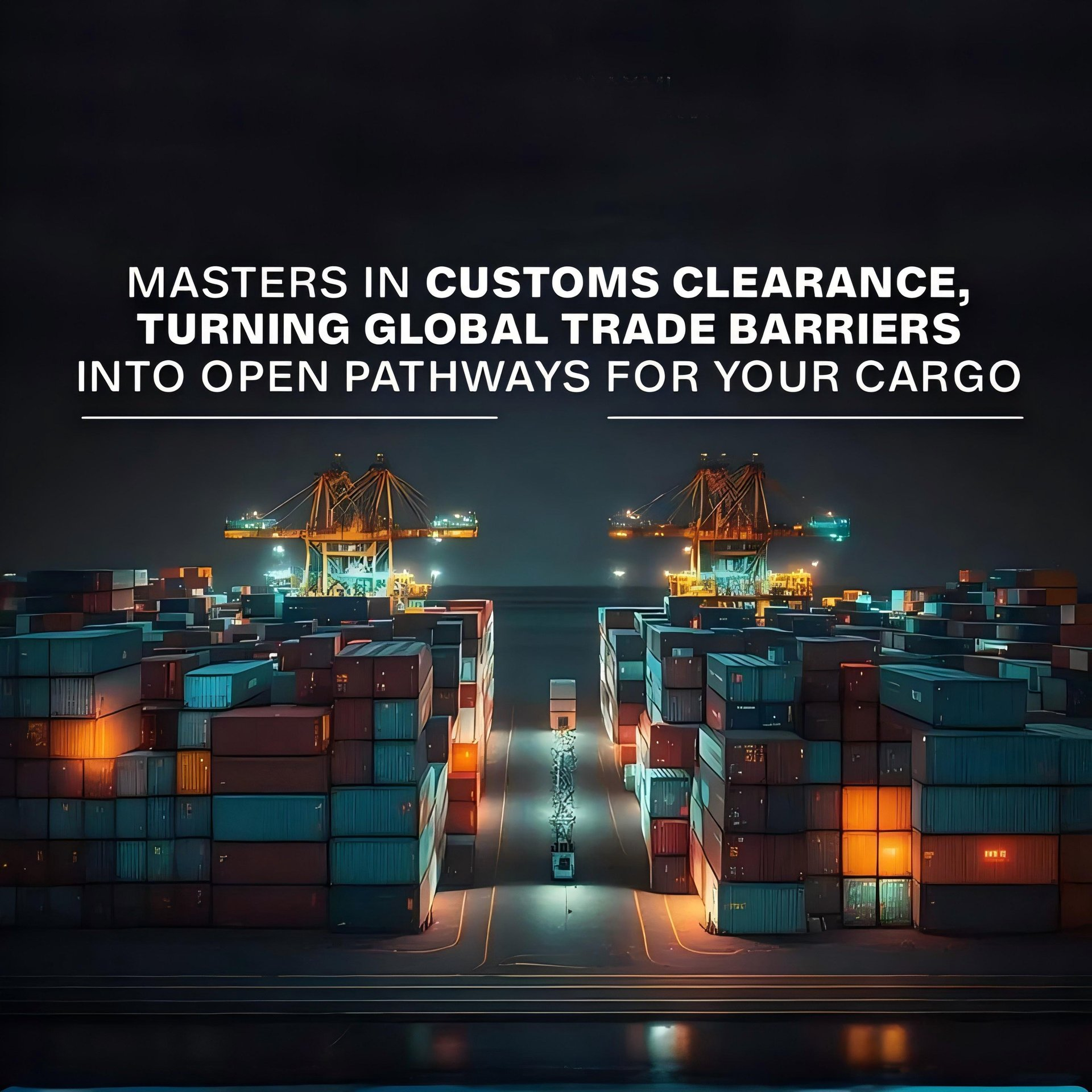
Sea Freight China USA UK Europe Container Shipping Rates 2026
Navigating the complexities of sea freight china usa uk europe container shipping rates requires a deep understanding of market shifts in 2026. At DSV-Freight, we simplify global logistics for businesses of all sizes by providing transparent pricing and reliable schedules. This guide explores current trends, cost-saving strategies, and comparison data to help you optimize your international supply chain effectively.
✦
Current Market Overview of Sea Freight China USA UK Europe Container Shipping Rates
Global shipping markets in 2026 have entered a period of relative stability following the volatility of previous years. However, businesses must remain vigilant as fuel prices and regional port congestion continue to influence the final landed cost of goods.
Choosing sea freight remains the most economical choice for high-volume shipments across the Pacific and Atlantic routes. Consequently, many importers are locking in long-term contracts to avoid the fluctuations of the spot market during peak seasons.
Market data suggests that rates for 40HQ containers have stabilized between 3200 and 4800 dollars depending on the specific destination port. Additionally, carriers are introducing more eco-friendly vessels, which may lead to slight green surcharges in the coming months.
| China to USA West | $1,600 – $2,300 | $2,600 – $3,600 | $2,900 – $3,900 |
| China to USA East | $2,600 – $3,600 | $4,100 – $5,600 | $4,600 – $6,100 |
| China to Europe | $1,900 – $2,600 | $2,900 – $3,900 | $3,100 – $4,300 |
| China to UK | $2,100 – $2,900 | $3,300 – $4,300 | $3,600 – $4,600 |
How Does Sea Freight Compare to Other Shipping Options?
Understanding the trade-offs between different logistics modes is essential for maintaining a competitive edge in 2026. While ocean transport offers the lowest price per unit, it requires significantly longer lead times compared to faster alternatives.
For urgent inventory replenishment, Air Freight provides a rapid solution that bypasses oceanic delays. In contrast, sea freight remains the backbone of global trade for heavy machinery, bulk raw materials, and large consumer electronics orders.
Rail freight serves as a viable middle ground for shipments destined for inland Europe, offering faster speeds than ships at a lower cost than planes. Nevertheless, the capacity for rail remains limited compared to the massive TEU volumes handled by modern container ships.
| Sea Freight | $0.50 – $1.50/kg | 20 – 45 Days | Bulk & Heavy Goods |
| Air Freight | $4.50 – $9.00/kg | 3 – 7 Days | Urgent Shipments |
| Rail Freight | $1.20 – $2.50/kg | 15 – 22 Days | Inland Europe |
| Express | $8.00 – $15.00/kg | 2 – 5 Days | Samples & Documents |
Key Factors Influencing Sea Freight China USA UK Europe Container Shipping Rates
Several variables contribute to the final quote you receive from a freight forwarder. For instance, the choice between Full Container Load (FCL) and Less than Container Load (LCL) can drastically change your cost structure.
Fuel surcharges, often referred to as Bunker Adjustment Factors, fluctuate based on global oil prices and environmental regulations. Moreover, seasonal demand spikes during the Golden Week in China and the pre-Christmas rush in the West typically drive prices upward by 20 percent or more.
Port congestion remains a critical factor in 2026, particularly at major hubs like Los Angeles and Rotterdam. Therefore, choosing a Door to Door service can help mitigate the risks of unexpected delays during the final mile of delivery.
FCL vs LCL: Which Sea Freight Method Is Right for You?
Full Container Load (FCL) shipping involves renting an entire 20ft or 40ft container for your exclusive use. This method is generally faster and more secure because the container remains sealed from the point of origin to the final destination.
Less than Container Load (LCL) allows multiple shippers to share space within a single container. While this is cost-effective for smaller volumes under 15 cubic meters, it often involves longer transit times due to the consolidation and deconsolidation processes.
Shippers moving goods to North America should calculate their volume carefully. Often, if your shipment exceeds 10 CBM, booking a full 20GP container may actually be cheaper than paying individual LCL rates per cubic meter.
Real Case Studies: 2026 Shipping Scenarios
Case Study 1: Large Scale Furniture Export. Route: Ningbo, China to Los Angeles, USA. Cargo: Home furniture, 65 CBM. Container: 40HQ. Shipping Details: Direct route via major carrier. Ocean Freight: $3,200. Origin Charges: $450. Destination Charges: $650. Landed Cost: $4,300. Transit: 17 days. Key Insight: Booking 4 weeks in advance secured a lower rate before the Q3 peak season.
Case Study 2: Electronics Distribution. Route: Shenzhen, China to Felixstowe, UK. Cargo: Consumer electronics, 8 CBM. Container: LCL. Shipping Details: Transshipment via Singapore. Ocean Freight: $1,450. Origin Charges: $320. Destination Charges: $480. Landed Cost: $2,250. Transit: 36 days. Key Insight: Using LCL allowed the business to maintain lean inventory levels without paying for empty container space.
Case Study 3: Industrial Machinery. Route: Shanghai, China to Hamburg, Germany. Cargo: Metal lathes, 26 CBM. Container: 20GP. Shipping Details: Direct service. Ocean Freight: $2,400. Origin Charges: $500. Destination Charges: $720. Landed Cost: $3,620. Transit: 31 days. Key Insight: Professional crating prevented damage during the long sea voyage, ensuring zero insurance claims.

Transit Times and Delivery Schedules for Major Global Routes
Speed is a vital component of any logistics strategy, especially when managing tight production schedules. Typical transit times from China to the US West Coast range from 14 to 18 days, while the East Coast requires 30 to 35 days via the Panama Canal.
Shipments to the UK and Northern Europe generally take between 28 and 40 days depending on the number of port calls. Furthermore, choosing a direct service rather than one with multiple transshipments can save you up to 10 days of waiting time.
Indeed, weather conditions and seasonal typhoons in the South China Sea can occasionally disrupt these schedules. Consequently, it is wise to add a buffer of 5 to 7 days when planning your inventory arrivals to account for potential maritime delays.
| Los Angeles, USA | 15 Days | Direct | Daily |
| New York, USA | 32 Days | All-Water | Weekly |
| Rotterdam, NL | 30 Days | Direct | Bi-Weekly |
| Felixstowe, UK | 34 Days | Transshipment | Weekly |
Navigating Customs Brokerage and Import Duties
Clearing customs is often the most complex part of the international shipping process. Each country has specific regulations regarding product safety, tax classifications, and prohibited items that must be strictly followed.
Utilizing a professional Customs Brokerage service ensures that all paperwork, including the Bill of Lading and Commercial Invoice, is accurate. As a result, you can avoid costly storage fees and penalties associated with documentation errors at the port of entry.
Moreover, importers should be aware of the Harmonized System (HS) codes for their products. Specifically, correct classification can lead to significant savings on import duties and prevent your cargo from being held for inspection by border authorities.
Strategies to Reduce Your Container Shipping Costs
Optimizing your packaging is one of the most effective ways to lower your sea freight china usa uk europe container shipping rates. By reducing the volume of your goods, you can fit more units into a single container or potentially move from LCL to a smaller FCL option.
Consolidating shipments from multiple suppliers into one container is another powerful cost-saving tactic. Instead of paying multiple sets of origin fees, you can combine your orders at a central warehouse in China before export.
Additionally, choosing off-peak shipping windows can result in substantial discounts. For instance, shipping in the weeks immediately following the Lunar New Year often yields the lowest rates of the year as carriers look to fill empty vessel capacity.
The Role of Freight Forwarders in Modern Supply Chains
A reliable freight forwarder acts as your advocate in the complex world of maritime logistics. They handle everything from carrier negotiations to cargo insurance, allowing you to focus on your core business operations.
Specialized services like Amazon FBA shipping require deep knowledge of specific warehouse requirements. Without a doubt, working with an experienced partner ensures your goods meet all labeling and palletization standards before they reach the fulfillment center.
Finally, modern logistics providers offer digital tracking tools that provide real-time visibility into your shipment’s location. This transparency allows you to provide accurate updates to your customers and manage their expectations effectively.
Mastering Your Global Shipping Strategy
Successfully managing sea freight china usa uk europe container shipping rates requires a combination of market knowledge, strategic planning, and reliable partnerships. By understanding the factors that drive costs and transit times, you can make informed decisions that protect your profit margins.
Whether you are a small business owner or a large enterprise, staying updated on 2026 logistics trends is vital. Remember that the cheapest rate is not always the best value if it leads to excessive delays or cargo damage. Focus on building a resilient supply chain that balances cost, speed, and reliability for long-term success.