
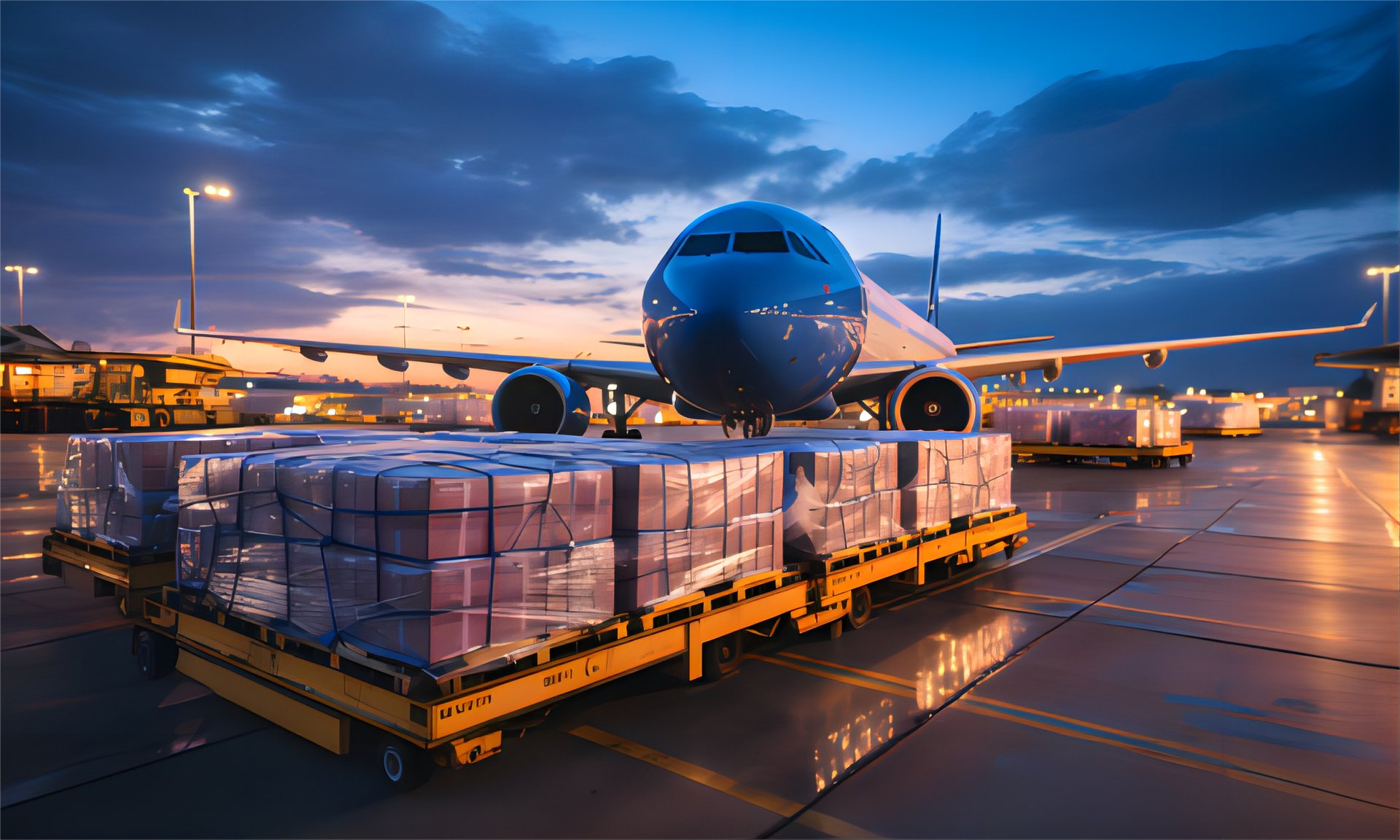
Sea Freight China Global Container Shipping Company: 2026 Guide
Navigating the complexities of international trade requires a reliable partner to manage your logistics. A sea freight china global container shipping company provides the necessary infrastructure to move goods across oceans efficiently and affordably. Consequently, businesses can scale their operations while maintaining cost-effective supply chains in the competitive market of 2026. This guide explores how to optimize your shipping strategy and select the right services for your business needs.
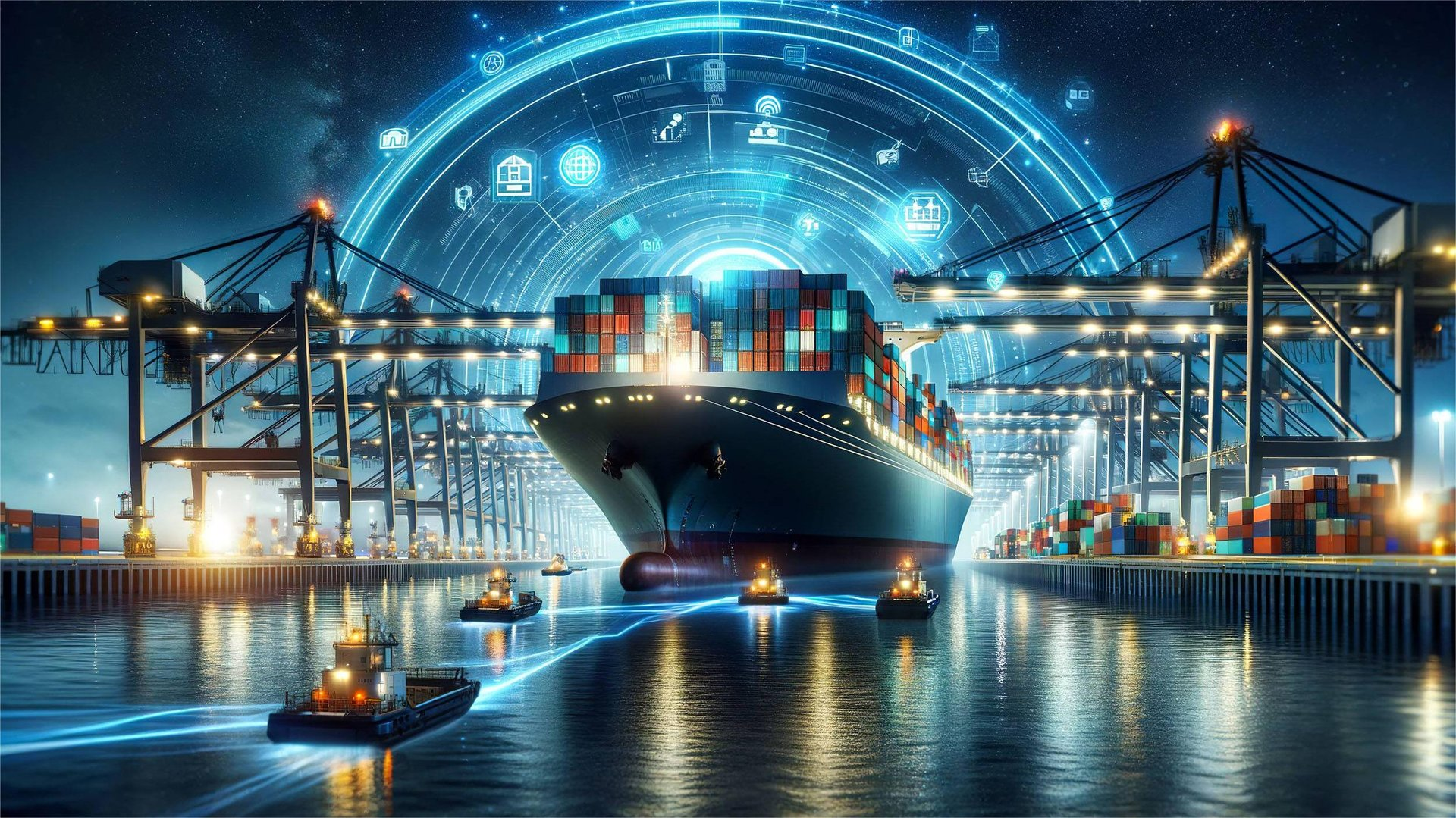
What Is the Role of a Sea Freight China Global Container Shipping Company?
A specialized shipping provider acts as the backbone of your international commerce by managing the movement of large volumes. Furthermore, they coordinate with port authorities, carriers, and local transport to ensure your cargo reaches its destination safely.
Choosing a professional sea freight service allows you to leverage established networks and competitive contract rates. Moreover, these companies handle the technical aspects of container loading and vessel scheduling, which reduces the administrative burden on your internal team.
Reliability in logistics is paramount for maintaining inventory levels and meeting customer expectations. Indeed, a global partner ensures that your supply chain remains resilient against market fluctuations and seasonal demand spikes.
How Does Sea Freight Compare to Other Shipping Options?
Evaluating different transport methods is essential for balancing speed and cost. While sea freight remains the most economical choice for bulk goods, other methods like air freight offer significantly faster transit times for urgent shipments.
Alternatively, rail freight provides a middle ground for shipments moving from China to Europe, offering a faster alternative to the sea without the high cost of air. However, rail is not a viable option for routes to Australia or North America due to geographical constraints.
In addition, businesses must consider the environmental impact and carbon footprint of each method. Sea freight generally offers the lowest carbon emissions per ton-mile compared to air or road transport.
| Shipping Method | Cost Range | Transit Time | Best For |
|---|---|---|---|
| Sea Freight | $1,500 – $6,000 | 14 – 45 Days | Bulk & Heavy Goods |
| Air Freight | $5,000 – $25,000 | 3 – 7 Days | High-Value Items |
| Rail Freight | $2,500 – $4,500 | 18 – 25 Days | Mid-range Urgency |
| Express Service | High Variable | 2 – 5 Days | Small Parcels |
Why Should You Choose FCL vs LCL for Your Cargo?
Full Container Load (FCL) is ideal for businesses that have enough goods to fill a 20ft or 40ft container. Consequently, this method offers better security and faster handling since the container is dedicated to a single shipper.
Less than Container Load (LCL) allows multiple shippers to share space within a single container. Therefore, it is a cost-effective solution for smaller volumes, though it may involve slightly longer transit times due to the consolidation process.
Many businesses utilizing Amazon FBA prefer LCL for smaller, frequent restocks to keep inventory lean. Nevertheless, FCL remains the gold standard for large-scale manufacturing imports where volume discounts apply.
What Are the Key Factors Influencing Shipping Costs in 2026?
Freight rates are influenced by several variables including fuel surcharges, seasonal demand, and port congestion levels. For example, during the peak season from August to October, rates typically increase by 15 percent to 25 percent.
Market data suggests that carrier capacity management has become more sophisticated in 2026. As a result, shippers must book at least 3 to 4 weeks in advance to secure space and avoid premium spot rates.
Geopolitical stability and trade regulations also play a significant role in pricing. Meanwhile, technological advancements in port automation are helping to stabilize costs by improving cargo handling efficiency.
How to Navigate Customs Brokerage and Documentation?
Successful importing requires meticulous attention to paperwork to avoid costly delays at the port of entry. Utilizing a professional customs brokerage service ensures that all declarations comply with local laws.
Essential documents usually include the Commercial Invoice, Packing List, and the Bill of Lading. Additionally, certain products may require specific certificates of origin or safety compliance permits depending on the destination country.
Errors in documentation can lead to storage fees or even cargo seizure. Consequently, working with an experienced logistics partner helps mitigate these risks and ensures a smooth transition through customs.
| Document Type | Purpose | Required For | Issuer |
|---|---|---|---|
| Bill of Lading | Title of Goods | All Shipments | Carrier |
| Commercial Invoice | Valuation | Customs Duty | Shipper |
| Packing List | Cargo Detail | Inspection | Shipper |
| CO Certificate | Origin Proof | Trade Agreements | Chamber of Commerce |
Real-World Case Studies: Global Shipping Success Stories
Case Study 1: Electronics Distribution to Europe. Route: Shenzhen, China to Rotterdam, Netherlands. Cargo: 40HQ Container of smart home devices. Shipping Method: FCL Sea Freight. Ocean Freight Cost: $3,400. Sea Transit: 32 days. Total Door-to-Door: 40 days. Key Insight: Early booking during the Q3 peak season saved the client 15 percent on freight costs.
Case Study 2: Furniture Retailer in Australia. Route: Ningbo, China to Sydney, Australia. Cargo: 20GP Container of outdoor furniture. Shipping Method: FCL Sea Freight. Ocean Freight Cost: $1,100. Sea Transit: 16 days. Total Door-to-Door: 22 days. Key Insight: Direct routing minimized handling risks and ensured the goods arrived in perfect condition for the summer sale.
Case Study 3: Small Business E-commerce. Route: Shanghai, China to Los Angeles, USA. Cargo: 5 CBM of apparel. Shipping Method: LCL Sea Freight. Total Landed Cost: $1,850. Sea Transit: 18 days. Total Door-to-Door: 28 days. Key Insight: Consolidation allowed the business to maintain stock without the high overhead of a full container.

Which Shipping Option Should You Choose?
Budget priority: If your primary goal is to minimize costs, sea freight is the clear winner for large shipments. However, you must account for longer lead times in your inventory planning.
Speed priority: When deadlines are tight, air freight or express services are necessary. Indeed, the higher cost is often justified by the ability to fulfill urgent market demands or replace stock quickly.
Volume thresholds: For shipments under 15 CBM, LCL is usually more economical. Conversely, once you exceed 15 CBM, the cost of a 20GP container (FCL) often becomes more competitive due to the lack of consolidation fees.
Mastering Global Logistics with Sea Freight
In conclusion, selecting a reliable sea freight china global container shipping company is a strategic decision that impacts your bottom line. By understanding the nuances of FCL vs LCL, staying updated on 2026 market trends, and ensuring accurate documentation, you can navigate the complexities of global trade with confidence.
Furthermore, balancing cost, speed, and reliability will allow your business to remain competitive in the global marketplace. Start planning your 2026 shipments today to secure the best rates and transit times for your cargo.
Need a tailored shipping solution?
Are you ready to optimize your supply chain with a trusted sea freight china global container shipping company? Contact our logistics experts today for a personalized quote and streamline your international trade operations. Send Inquiry: Visit alibabafreight.com