Sea Freight China FCL LCL Door to Door Service: 2026 Guide
Choosing a reliable sea freight China FCL LCL door to door service is essential for businesses aiming to optimize their global supply chains in 2026. At DSV-Freight, we provide comprehensive logistics solutions that bridge the gap between Chinese manufacturers and international markets. Consequently, our clients enjoy seamless transportation, reduced overhead, and guaranteed delivery schedules that keep their operations running smoothly.
✦
How Does Sea Freight China FCL LCL Door to Door Service Compare to Other Shipping Options?
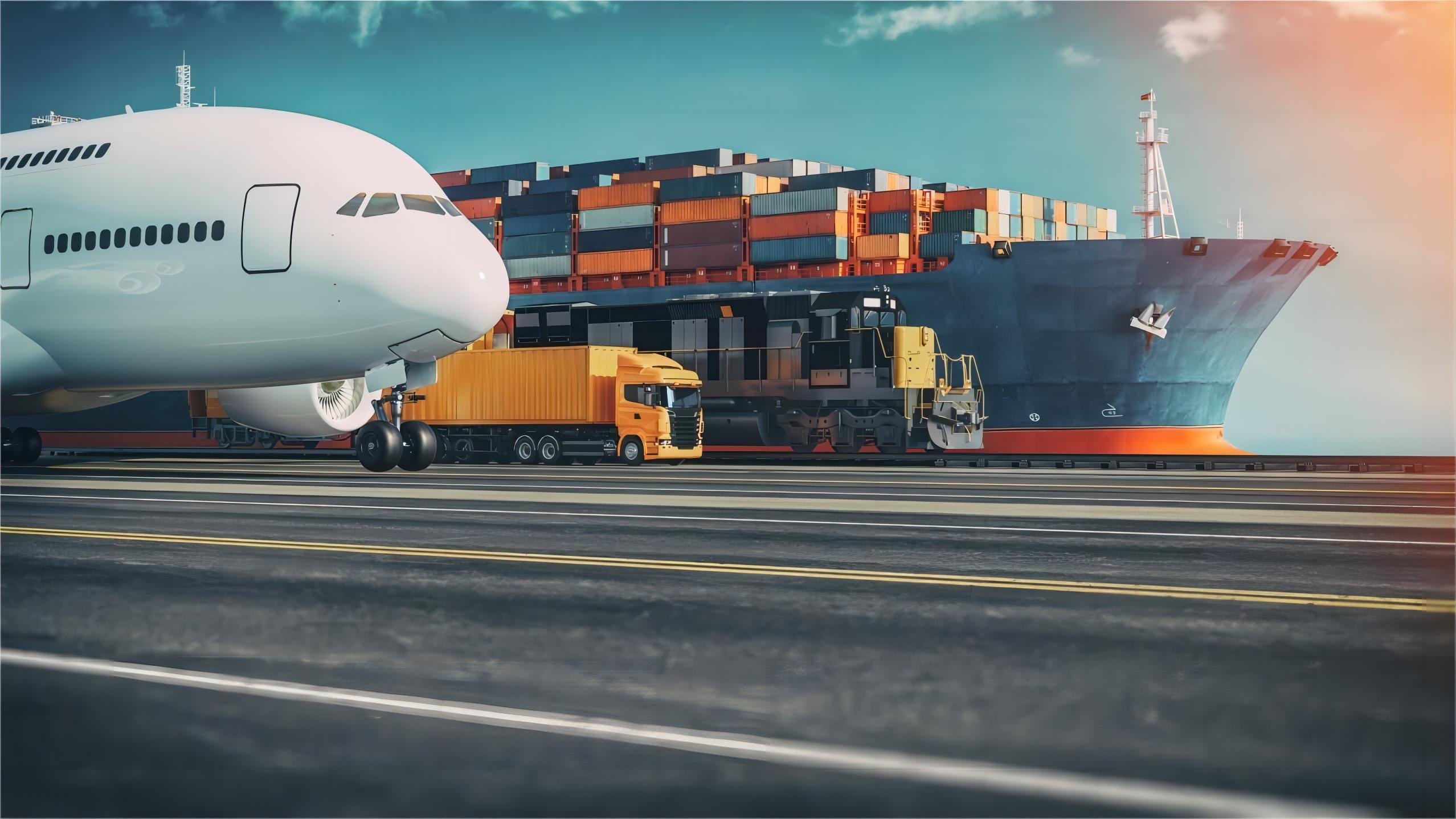
Evaluating different transportation modes is the first step toward building a cost-effective logistics strategy. While sea freight remains the most popular choice for high-volume shipments, other methods offer specific advantages depending on your urgency. For instance, air freight provides unmatched speed but comes with significantly higher costs that can erode profit margins for low-value goods.
On the other hand, rail freight serves as a middle ground for shipments moving from China to Europe, offering faster transit than the ocean but lower prices than the air. However, sea freight China FCL LCL door to door service provides the most comprehensive coverage, handling everything from the factory floor to the final warehouse destination. Therefore, it remains the backbone of international trade for the vast majority of physical goods in 2026.
Industry data suggests that sea freight costs have stabilized in early 2026 after the volatility seen in previous years. Indeed, businesses that plan ahead can lock in favorable rates and avoid the premium surcharges often associated with faster transport methods. To summarize, ocean transport offers the best balance of capacity and cost for non-urgent shipments.
| Shipping Method | Cost Range | Transit Time | Best For |
|---|---|---|---|
| Sea Freight FCL | $1,800 – $5,500 | 14 – 40 Days | Large bulk orders |
| Sea Freight LCL | $50 – $180/CBM | 20 – 45 Days | Small inventory |
| Air Freight | $4.50 – $10/kg | 3 – 7 Days | Urgent/High value |
| Rail Freight | $1,500 – $3,000 | 15 – 22 Days | Mid-size to Europe |
Understanding the Benefits of Full Container Load (FCL) Shipping
Full Container Load, or FCL, involves renting an entire shipping container for your exclusive use. This method is highly recommended for businesses moving more than 15 cubic meters of goods, as it offers better security and faster handling. Furthermore, FCL shipments generally face fewer delays at customs because the container is not shared with other importers.
Moreover, FCL provides a lower cost per unit once you reach a certain volume threshold. Because the container is sealed at the point of origin and only opened at the destination, the risk of damage or loss is significantly reduced. Consequently, FCL is the preferred choice for fragile or high-value items that require minimal handling during transit.
Typical container sizes include the 20GP, 40GP, and 40HQ, each catering to different volume and weight requirements. For example, a 40HQ container is ideal for lightweight but bulky items like furniture or textiles. As a result, selecting the right container size can further optimize your shipping expenses and maximize space utilization.
When to Choose Less than Container Load (LCL) Solutions
Less than Container Load, or LCL, is a flexible alternative for smaller shipments that do not fill an entire container. In this scenario, your cargo shares space with goods from other shippers, allowing you to pay only for the volume you actually use. This makes it an excellent choice for startups or businesses testing new products in the market.
In addition, LCL allows for more frequent shipping schedules without waiting to accumulate enough inventory for a full container. However, shippers should be aware that LCL involves more handling at consolidation and deconsolidation centers. This additional processing can lead to slightly longer transit times compared to FCL routes.
Nevertheless, the cost savings for small volumes are undeniable. For instance, shipping 5 cubic meters via LCL is far more economical than paying for a half-empty 20-foot container. Therefore, LCL provides the agility needed to maintain lean inventory levels while still benefiting from ocean freight pricing.
The Comprehensive Door to Door Logistics Process
A door to door service simplifies the entire shipping journey by managing every logistical touchpoint. The process begins with cargo pickup at the supplier’s factory in China, followed by domestic trucking to the nearest port. Additionally, the freight forwarder handles all export documentation and customs clearance at the origin.
Once the vessel departs, the forwarder monitors the shipment’s progress across the ocean. Upon arrival at the destination port, the team manages the import customs process and pays any necessary duties on your behalf. Finally, the goods are loaded onto a truck and delivered directly to your specified warehouse or office location.
Without a doubt, this end-to-end management reduces the administrative burden on your business. You no longer need to coordinate between multiple carriers, customs brokers, and local trucking companies. Instead, you have a single point of contact who ensures the entire sea freight China FCL LCL door to door service operates as a unified workflow.
Factors Influencing Shipping Costs in 2026
Several variables determine the final price of your sea freight China FCL LCL door to door service. Fuel surcharges, also known as Bunker Adjustment Factors, fluctuate based on global oil prices and environmental regulations. Furthermore, peak seasons, such as the period leading up to the Lunar New Year, often see a 20 to 30 percent increase in rates due to high demand.
Port congestion and labor availability can also impact costs by causing delays that lead to demurrage and detention fees. In contrast, choosing off-peak shipping windows or alternative ports can lead to substantial savings. For example, shipping through Ningbo instead of Shanghai might offer better availability during busy weeks.
Market data for 2026 suggests that digital integration in logistics is helping to stabilize pricing by improving container tracking and vessel utilization. However, businesses must remain vigilant about geopolitical shifts that could affect trade routes. Consequently, we always recommend requesting a current quote to reflect the most accurate market conditions.
| Route | 20GP Range | 40HQ Range | Transit Days |
|---|---|---|---|
| China to USA West | $1,600 – $2,300 | $2,900 – $3,900 | 14 – 18 |
| China to Europe | $1,900 – $2,600 | $3,100 – $4,300 | 28 – 35 |
| China to Australia | $900 – $1,300 | $1,500 – $2,100 | 12 – 18 |
| China to UK | $2,100 – $2,900 | $3,600 – $4,600 | 30 – 38 |
Which Option Should You Choose? A Decision Framework
Choosing between FCL and LCL depends largely on your specific business needs and cargo volume. If your shipment exceeds 15 cubic meters, FCL is almost always the most cost-effective and secure option. Conversely, for shipments between 1 and 10 cubic meters, LCL provides the necessary flexibility without the high cost of a full container.
Speed is another critical factor in your decision-making process. While sea freight is slower than air freight, FCL is generally faster than LCL because it avoids the consolidation phase. Therefore, if you are on a tight deadline but want to save on costs, a direct FCL route is your best bet.
Budget priorities should also guide your choice. If your primary goal is to minimize the total landed cost per unit, sea freight China FCL LCL door to door service is the clear winner. For businesses shipping to North America, planning for a 35-day lead time allows for the most economical ocean transport rates.
Real-World Case Studies: China to Global Destinations
Case Study 1: Electronics Distribution to USA West Coast. Route: Shenzhen to Los Angeles. Cargo: Consumer Electronics, 28 CBM, 8,500 kg. Container: 40GP. Shipping Details: Direct service via major carrier. Port of Loading: Shenzhen. Port of Discharge: Los Angeles. Cost Breakdown: Ocean Freight $2,850, Origin Charges $350, Destination Charges $450, Customs $200. Total Landed Cost: $3,850. Timeline: Sea Transit 16 days, Total Door to Door 22 days. Key Insight: Choosing a direct route saved 5 days compared to transshipment options.
Case Study 2: Apparel Retailer in Germany. Route: Shanghai to Hamburg. Cargo: Fashion garments, 8 CBM, 2,200 kg. Container: LCL. Shipping Details: Transshipment via Singapore. Port of Loading: Shanghai. Port of Discharge: Hamburg. Cost Breakdown: Ocean Freight $880, Origin Charges $180, Destination Charges $320, Customs $150. Total Landed Cost: $1,530. Timeline: Sea Transit 32 days, Total Door to Door 40 days. Key Insight: LCL allowed the client to maintain weekly inventory refreshes without high storage costs.
Case Study 3: Furniture Importer in Australia. Route: Ningbo to Sydney. Cargo: Flat-pack furniture, 62 CBM, 12,000 kg. Container: 40HQ. Shipping Details: Direct service. Port of Loading: Ningbo. Port of Discharge: Sydney. Cost Breakdown: Ocean Freight $1,750, Origin Charges $300, Destination Charges $400, Customs $180. Total Landed Cost: $2,630. Timeline: Sea Transit 14 days, Total Door to Door 20 days. Key Insight: Utilizing a 40HQ container maximized the volume-to-cost ratio for bulky items.
Navigating Customs and Documentation for Door to Door Delivery
Successful international shipping relies heavily on accurate documentation. The commercial invoice and packing list are the most fundamental documents, detailing the value, quantity, and nature of the goods. Additionally, the Bill of Lading serves as the contract of carriage and the title to the goods, making it a critical piece of the logistics puzzle.
In 2026, many customs authorities have transitioned to fully digital filing systems. Consequently, ensuring that your HS codes are correctly classified is more important than ever to avoid automated flags and inspections. For instance, an incorrect code can lead to significant delays and unexpected fines that disrupt your entire supply chain.
Meanwhile, some specific products may require additional permits or certificates of origin. Working with a professional customs brokerage ensures that all regulatory requirements are met before the ship even leaves the port. This proactive approach minimizes the risk of your cargo being held at the destination terminal.
Alternative Strategies and Hybrid Logistics Solutions
Beyond standard ocean transport, hybrid solutions can offer a competitive edge. For example, sea-air services combine the cost-effectiveness of the ocean with the speed of air for the final leg of the journey. This is particularly useful for shipments that have been delayed at the origin but still need to reach the market within a reasonable timeframe.
Another alternative is utilizing rail freight for landlocked destinations or regions with strong rail connectivity. While not applicable for island nations like Australia, rail is a robust option for Central Asian and European routes. It typically cuts transit time by half compared to sea freight while remaining much cheaper than air.
Furthermore, businesses can implement cost-saving strategies like buyer’s consolidation. This involves combining orders from multiple suppliers into a single FCL shipment, thereby reducing the number of LCL fees. Indeed, these advanced strategies allow companies to tailor their logistics to specific budget and timeline constraints.
Mastering Your Global Logistics Strategy
In conclusion, a well-executed sea freight China FCL LCL door to door service is the most effective way to manage international trade in 2026. By understanding the differences between FCL and LCL, businesses can make informed decisions that balance cost, speed, and security. Moreover, partnering with a professional logistics provider ensures that every detail, from factory pickup to customs clearance, is handled with precision.
Therefore, as you plan your upcoming shipments, consider the long-term benefits of an integrated door to door solution. Not only does it reduce administrative stress, but it also provides the reliability needed to thrive in a competitive global market. Whether you are moving a few pallets or dozens of containers, the right sea freight strategy will remain your greatest asset for growth.
Streamline your global supply chain today with our expert sea freight China FCL LCL door to door service. Contact DSV-Freight now to receive a customized quote and discover how our tailored logistics solutions can drive your business success in 2026. Visit our website to learn more.
Request Quote