Sea Freight China Europe LCL FCL Service: 2026 Logistics Guide
Sea freight china europe lcl fcl service remains the backbone of international trade for businesses seeking a balance between cost-efficiency and volume. Choosing the right shipping method is essential for maintaining a healthy supply chain in the competitive 2026 market. At AlibabaFreight, we provide comprehensive logistics solutions designed to streamline your import and export operations from major Chinese hubs to European destinations.
✦
What is the Sea Freight China Europe LCL FCL Service?
Understanding the fundamentals of sea freight china europe lcl fcl service is the first step toward optimizing your international logistics. FCL, or Full Container Load, refers to shipments where a single importer occupies an entire 20ft or 40ft container. Conversely, LCL, or Less than Container Load, involves consolidating multiple shipments from different exporters into a single container.
Selecting between these two options depends heavily on your cargo volume, budget, and urgency. In 2026, many businesses are utilizing hybrid models to manage their inventory levels more effectively. Furthermore, the choice of service impacts everything from cargo handling procedures to the final delivery schedule at the destination port.
Logistics providers now offer more transparency than ever before regarding transit times and freight rates. Consequently, shippers can plan their supply chain activities with greater precision. Whether you are moving industrial machinery or consumer electronics, our sea freight solutions cater to diverse industry requirements.
Moreover, the geographical reach of these services has expanded to include specialized routes. Carriers are now focusing on direct calls to major European ports like Rotterdam, Hamburg, and Antwerp. This focus helps in reducing transshipment delays and improving the overall reliability of the sea freight china europe lcl fcl service.
How Does Sea Freight Compare to Other Shipping Options?
While sea freight is often the most economical choice, it is vital to compare it against other modes like air or rail. Air freight offers unparalleled speed but comes at a significantly higher price point, making it suitable only for high-value or time-sensitive goods. Meanwhile, rail freight serves as a middle ground, offering faster transit than sea at a lower cost than air.
However, sea freight remains the preferred method for bulk commodities and large-scale manufacturing components. The capacity of modern mega-vessels allows for economies of scale that other transportation modes simply cannot match. Indeed, for shipments exceeding 15 cubic meters, FCL is almost always the most cost-effective solution available.
In addition to cost, environmental impact is becoming a major factor in logistics decision-making in 2026. Sea freight generally has a lower carbon footprint per ton-mile compared to air transport. Therefore, companies with strict sustainability goals often prioritize ocean transport for their long-haul routes from China to Europe.
| Shipping Method | Cost Range | Transit Time | Best For | Limitations |
|---|---|---|---|---|
| Sea Freight (FCL) | Low ($2k-$4k) | 30-40 Days | Bulk / Large Volume | Longest Transit |
| Sea Freight (LCL) | Moderate | 35-45 Days | Small Shipments | Consolidation Time |
| Rail Freight | Medium | 18-24 Days | Urgent Industrial | Infrastructure Caps |
| Air Freight | Very High | 5-8 Days | High Value / Tech | High Cost |
FCL vs LCL: Which Service Should You Choose?
Deciding between FCL and LCL requires a detailed analysis of your specific shipping needs and cargo dimensions. If your shipment volume is approximately 15 CBM or more, booking a 20GP container is usually more economical than paying for LCL space. On the other hand, LCL is perfect for smaller businesses or trial shipments where the volume does not justify a full container.
Furthermore, FCL provides a higher level of security as the container is sealed at the origin and only opened at the destination. This reduces the risk of damage during cargo handling at consolidation warehouses. Nevertheless, LCL allows for greater flexibility in inventory management by enabling more frequent, smaller shipments.
Consider the total landed cost when making your decision, as LCL often involves more complex destination charges. These charges include de-consolidation fees and warehouse handling costs that can add up quickly. Accordingly, we recommend consulting with a professional customs brokerage expert to understand the full financial implications of your choice.
2026 Freight Rate Estimates and Market Trends
As of early 2026, freight rates from China to Europe have stabilized following the volatility of previous years. Market data suggests that while fuel surcharges remain a factor, carrier capacity has increased to meet the growing demand. Typically, rates for a 40HQ container range between $3,000 and $4,500 depending on the specific port pair and seasonal demand.
Rates typically increase by 15-25% during the peak season, which usually runs from August through October. During this period, equipment shortages can also occur, making early booking essential for securing space. Consequently, savvy shippers often sign long-term contracts to hedge against sudden price spikes in the spot market.
Note: Freight rates are subject to change based on fuel costs, carrier capacity, and seasonal demand. Contact us for a current quote tailored to your specific shipment.
| Route (China to) | 20GP Range | 40HQ Range | Est. Transit |
|---|---|---|---|
| Rotterdam, NL | $1,900 – $2,600 | $3,100 – $4,300 | 30-34 Days |
| Hamburg, DE | $2,000 – $2,700 | $3,200 – $4,400 | 32-36 Days |
| Felixstowe, UK | $2,100 – $2,900 | $3,500 – $4,600 | 34-38 Days |
| Genoa, IT | $1,850 – $2,500 | $3,000 – $4,100 | 28-32 Days |
Real-World Case Studies: Sea Freight China Europe LCL FCL Service
Case Study 1: Efficient FCL Logistics for Solar Components | Route: Ningbo, China to Rotterdam, Netherlands | Cargo: Solar Panels, 68 CBM, 18,000 kg | Container: 40HQ | Shipping Details: Carrier: COSCO, Port of Loading: Ningbo, Port of Discharge: Rotterdam, Route Type: Direct | Cost Breakdown: Ocean Freight: $3,450, Origin Charges: $420, Destination Charges: $550, Customs and Duties: $1,200, Total Landed Cost: $5,620 | Timeline: Booking to Loading: 4 days, Sea Transit: 32 days, Customs Clearance: 2 days, Total Door-to-Door: 42 days | Key Insight: Direct routing saved 5 days compared to transshipment options.
Case Study 2: Small Business LCL Success | Route: Shenzhen, China to Hamburg, Germany | Cargo: Consumer Electronics, 4 CBM, 1,200 kg | Container: LCL | Shipping Details: Major carrier, Port of Loading: Shenzhen, Port of Discharge: Hamburg, Route Type: Transshipment via Singapore | Cost Breakdown: Ocean Freight: $480, Origin Charges: $150, Destination Charges: $280, Customs and Duties: $650, Total Landed Cost: $1,560 | Timeline: Booking to Loading: 6 days, Sea Transit: 38 days, Customs Clearance: 3 days, Total Door-to-Door: 52 days | Key Insight: LCL allowed the client to maintain stock without the high cost of air freight.
Essential Documentation for China-Europe Shipping
Navigating the complexities of international trade requires meticulous attention to documentation. The Bill of Lading (B/L) serves as the primary contract of carriage and must be accurate to avoid delays at the port. Additionally, a Commercial Invoice and Packing List are mandatory for all shipments entering the European Union.
For certain goods, a Certificate of Origin may be required to benefit from preferential tariff rates. Without a doubt, missing or incorrect paperwork is the leading cause of customs delays and additional storage fees. Therefore, many importers utilize Door to Door services that include comprehensive document management.
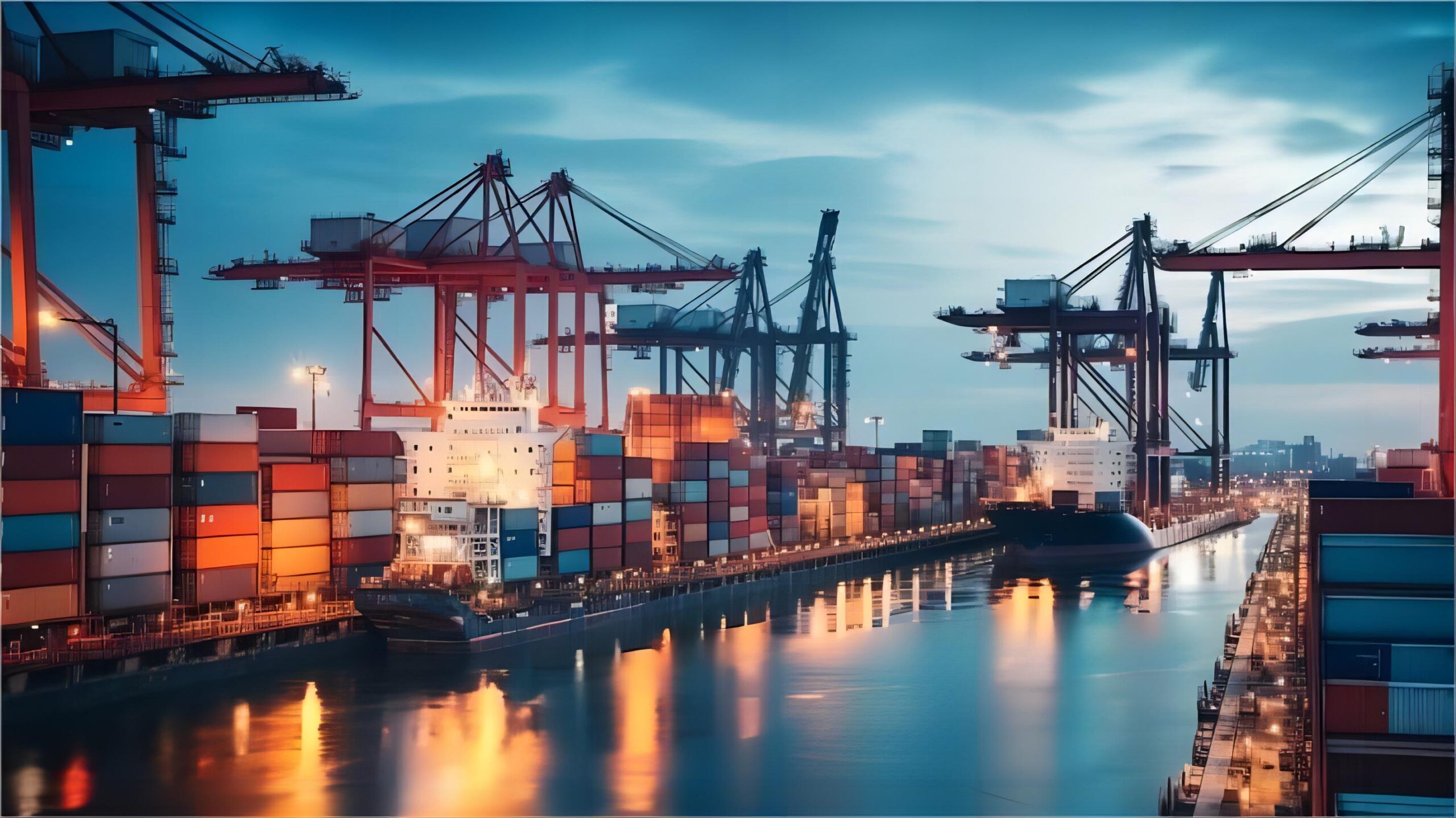
In 2026, digital documentation and blockchain-based tracking are becoming standard. These technologies provide real-time visibility into the status of your cargo and the progress of customs clearance. As a result, shippers can proactively address potential issues before they escalate into costly disruptions.
Which Option Should You Choose? Decision Framework
Choosing the right sea freight china europe lcl fcl service involves balancing several competing priorities. If budget is your primary concern, LCL is often best for shipments under 12 CBM, while FCL wins for larger volumes. However, if speed is a secondary priority, ensure you select a direct carrier route rather than one with multiple transshipments.
For cargo that is fragile or requires specific environmental controls, FCL is generally safer because it minimizes handling. In contrast, LCL is ideal for businesses testing new products in the European market without committing to large inventory volumes. Always consider the total lead time, including the time required for consolidation and de-consolidation in LCL shipments.
Finally, think about your final delivery location. If you are shipping to a remote inland area, a multi-modal approach combining sea and rail might be the most efficient strategy. By analyzing these factors, you can select a service that aligns with your specific business objectives and operational constraints.
Mastering Your China to Europe Logistics
To summarize, selecting the appropriate sea freight china europe lcl fcl service is a critical decision for any business involved in international trade. By understanding the differences between FCL and LCL, monitoring 2026 market trends, and preparing accurate documentation, you can significantly reduce shipping costs and transit times.
Indeed, the logistics landscape is constantly evolving, but the core benefits of sea freight remain consistent. Whether you prioritize cost-savings or cargo security, there is a solution tailored to your needs. Partnering with an experienced freight forwarder ensures that your goods move smoothly from the factories of China to the markets of Europe.