
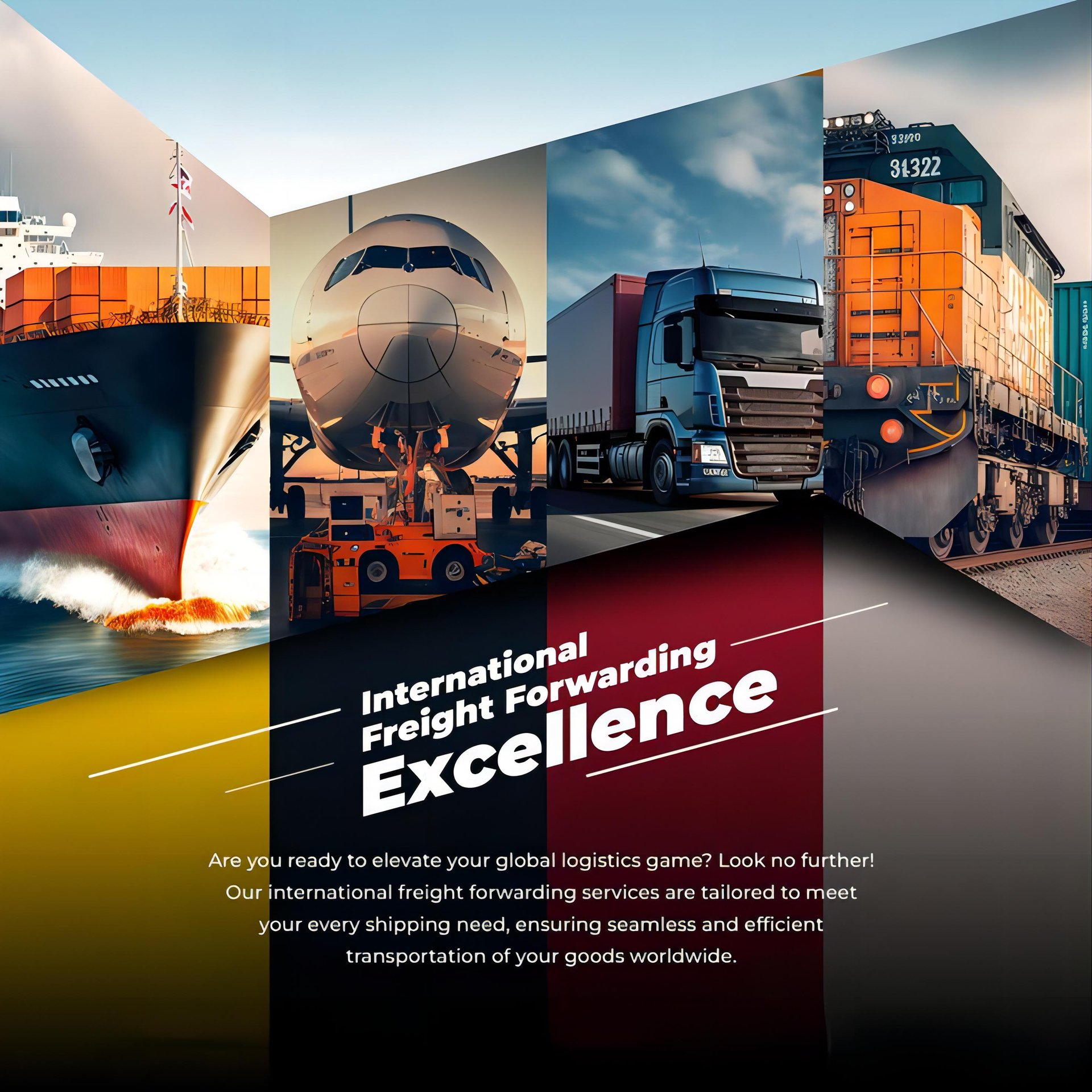
Sea Freight Air Freight China Logistics Global Shipping Guide 2026
Navigating the complexities of sea freight air freight china logistics global shipping requires a strategic approach to ensure efficiency and cost-effectiveness in 2026. Whether you are an established importer or a new entrepreneur, understanding the nuances of the supply chain is essential for maintaining a competitive edge. Visit alibabafreight.com to discover how professional logistics management can transform your international trade operations today.
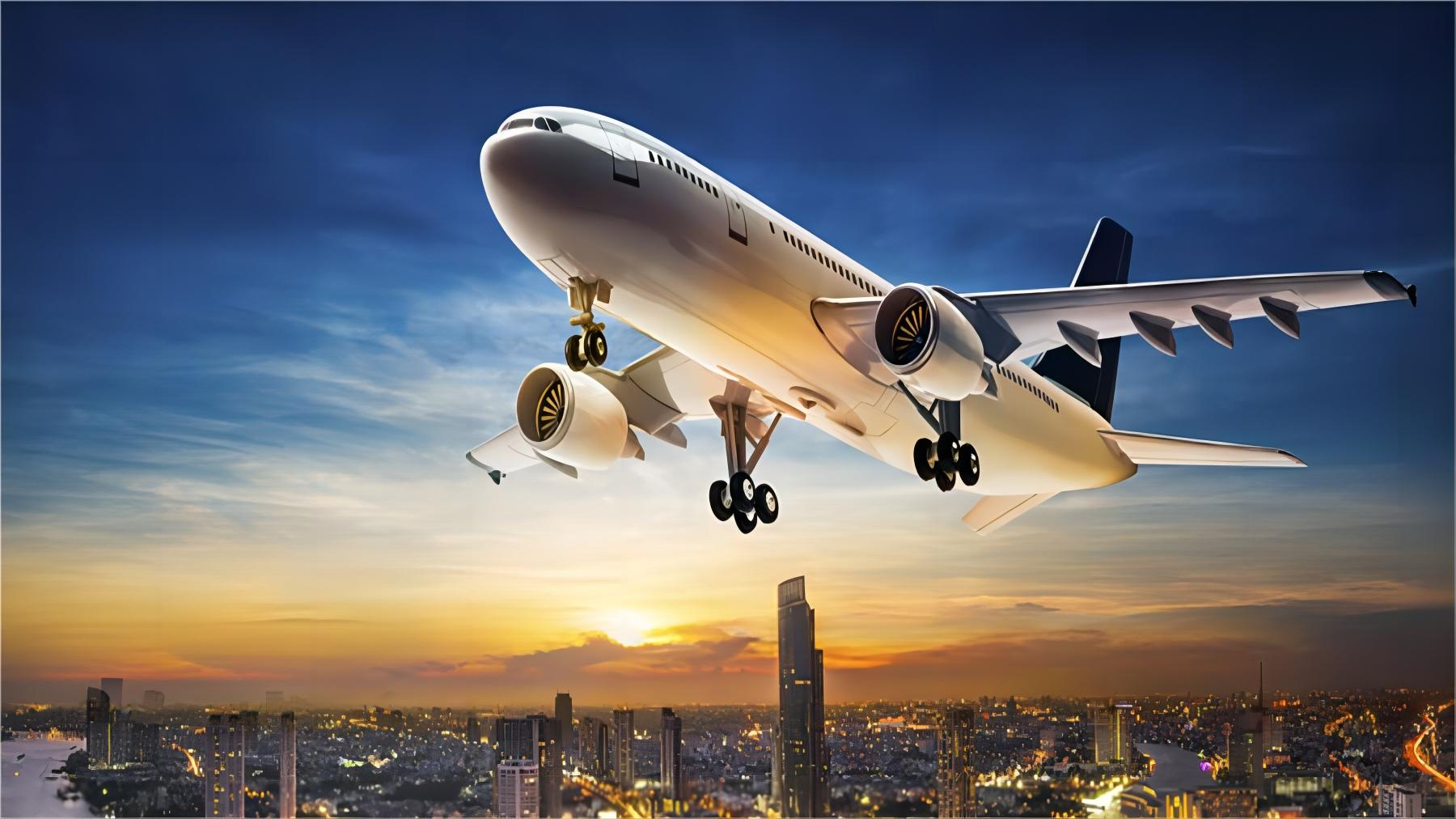
How Does Sea Freight Compare to Other Shipping Options?
Choosing the right transportation mode is a fundamental decision that impacts your bottom line and delivery schedule. While sea freight remains the backbone of global trade due to its capacity for heavy loads, air freight offers unparalleled speed for urgent shipments. Consequently, many businesses are now exploring hybrid solutions to balance costs and lead times in the current market.
Furthermore, rail freight has emerged as a viable middle ground for landlocked routes between Asia and Europe, offering faster transit than the ocean. However, for routes to Australia or North America, the primary choice remains between the sea and the air. Understanding the trade-offs between these methods is crucial for optimizing your logistics strategy in 2026.
| Shipping Method | Cost Range | Transit Time | Best For |
|---|---|---|---|
| Sea Freight | $1,500 – $4,500 | 25 – 45 Days | Large Bulk Cargo |
| Air Freight | $5.00 – $12.00/kg | 3 – 7 Days | High Value Goods |
| Rail Freight | $2,000 – $3,500 | 15 – 22 Days | Mid-range Budget |
| Express | $8.00 – $15.00/kg | 2 – 4 Days | Small Samples |
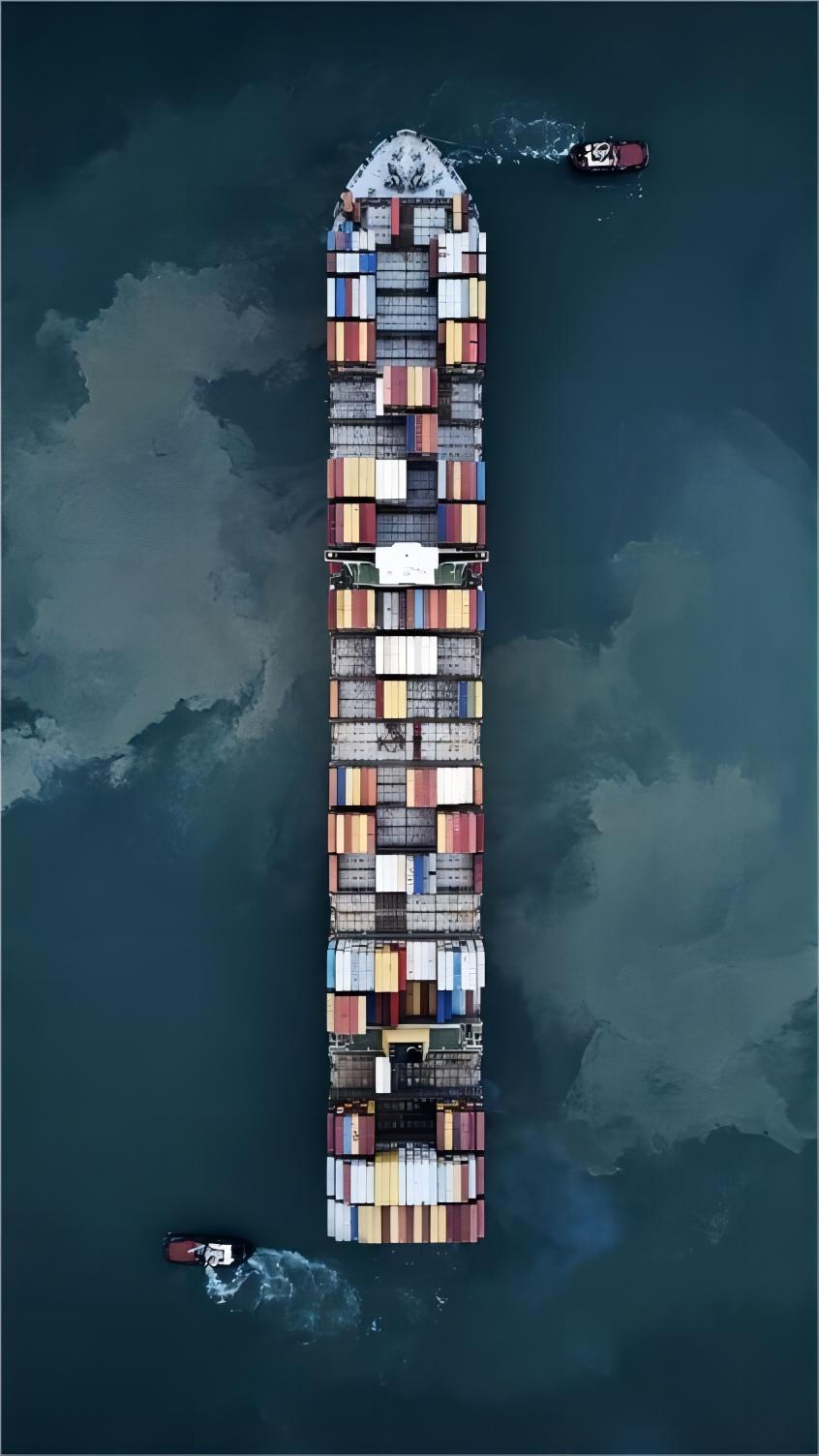
Why China Logistics and Global Shipping Matter for Your Business
Global shipping networks have undergone significant transformations over the last two years, leading to more resilient supply chains. Specifically, sea freight continues to be the most economical method for shipping high volumes of goods from Chinese manufacturing hubs. Moreover, the integration of digital tracking technologies has improved visibility across the entire transit process.
Effective logistics management allows businesses to mitigate risks associated with port congestion and seasonal fluctuations. Additionally, partnering with an experienced freight forwarder can help you navigate the complexities of international maritime laws. As a result, companies can focus on product development while leaving the heavy lifting to logistics experts.
Managing Sea Freight Air Freight China Logistics Global Shipping Costs
Freight rates are influenced by a variety of factors including fuel surcharges, carrier capacity, and global economic conditions. For instance, air freight costs often spike during the fourth quarter due to increased consumer demand and holiday shopping seasons. Therefore, planning your shipments well in advance can lead to significant savings on your overall landed cost.
Meanwhile, sea freight pricing is often more stable but still subject to General Rate Increases (GRI) by major shipping lines. To combat these rising costs, many importers are optimizing their packaging to maximize container utilization. Indeed, reducing wasted space in a 40HQ container can save thousands of dollars over a single fiscal year.
| Route | 20GP Container | 40HQ Container | Avg. Transit |
|---|---|---|---|
| China to USA West | $1,800 – $2,400 | $3,000 – $3,800 | 16 Days |
| China to Europe | $2,100 – $2,800 | $3,500 – $4,500 | 32 Days |
| China to Australia | $900 – $1,300 | $1,500 – $2,200 | 14 Days |
| China to UK | $2,200 – $3,000 | $3,800 – $4,800 | 35 Days |
Which Option Should You Choose for Your 2026 Strategy?
Deciding on a shipping method requires a thorough analysis of your cargo type, budget, and required delivery date. If your priority is speed, air cargo is the obvious winner, despite the higher price tag associated with jet fuel and handling. On the other hand, if you are moving non-perishable goods with a flexible timeline, ocean transport is far more sustainable.
Every business must also consider the environmental impact of their logistics choices in 2026. Many carriers now offer green shipping options that utilize biofuels or carbon offset programs to reduce the footprint of global trade. Consequently, your choice of shipping method can also serve as a component of your corporate social responsibility goals.
Real-World Case Studies for China Exports
Case Study 1: China to Germany Machinery Route: Shanghai, China to Hamburg, Germany Cargo: Industrial Parts, 28 CBM, 14,000 kg Container: 40GP Shipping Details: – Carrier: Maersk – Route Type: Direct Cost Breakdown: – Ocean Freight: $3,200 – Origin Charges: $450 – Destination Charges: $600 – Total Landed Cost: $4,250 Timeline: – Sea Transit: 31 days – Total Door-to-Door: 38 days Key Insight: Using a direct route saved 6 days compared to transshipment via Singapore.
Case Study 2: China to USA Electronics Route: Shenzhen, China to Los Angeles, USA Cargo: Consumer Electronics, 2.5 CBM, 450 kg Shipping Method: Air Freight Shipping Details: – Carrier: Cathay Pacific Cargo – Service: Standard Air Cost Breakdown: – Air Freight: $2,475 ($5.50/kg) – Customs & Handling: $350 – Total Landed Cost: $2,825 Timeline: – Air Transit: 4 days – Total Door-to-Door: 7 days Key Insight: Air freight was chosen to meet a product launch deadline despite higher costs.
Case Study 3: China to Australia Furniture Route: Ningbo, China to Sydney, Australia Cargo: Home Furniture, 15 CBM Container: LCL (Less than Container Load) Cost Breakdown: – Ocean Freight: $1,200 – Port Charges: $300 – Total Landed Cost: $1,500 Timeline: – Sea Transit: 18 days – Total Door-to-Door: 25 days Key Insight: LCL was more economical than a 20GP container for this specific volume.

Understanding Customs Brokerage and Compliance
Navigating the legal requirements of different nations is one of the most challenging aspects of international shipping. Utilizing a professional customs brokerage service ensures that all paperwork is filed correctly to avoid costly delays. Moreover, staying updated on changing tariff structures in 2026 is vital for accurate financial forecasting.
Proper documentation, such as the Bill of Lading and Commercial Invoice, must be meticulously prepared before the cargo leaves the port. Furthermore, certain goods may require specific permits or certificates of origin depending on the destination country. As a result, thorough preparation is the best defense against unexpected customs inspections or seizures.
The Rise of Door to Door Solutions in 2026
Streamlining your supply chain often involves moving toward a door to door service model. This approach simplifies the process by having a single provider manage everything from the factory floor in China to your warehouse. Consequently, this reduces the number of touchpoints and minimizes the risk of communication errors between different vendors.
Many small and medium-sized enterprises prefer this all-inclusive model because it provides a clear, upfront cost for the entire journey. Additionally, it often includes final-mile delivery, which can be the most complex part of the logistics chain. Therefore, adopting a comprehensive shipping solution can significantly enhance your operational efficiency.
Logistics Trends Shaping the Future of Trade
Technological advancements are rapidly changing how we perceive sea freight air freight china logistics global shipping in the modern era. For instance, blockchain technology is being used to create immutable records of shipment data, increasing trust between international partners. Furthermore, autonomous port equipment is reducing turnaround times for the world’s largest container ships.
Artificial intelligence is also playing a major role in predictive logistics, helping companies anticipate delays before they happen. Meanwhile, the shift toward sustainable fuels is becoming a requirement rather than an option for many global carriers. Indeed, the logistics industry in 2026 is more tech-driven and eco-conscious than ever before.
Mastering Your Global Shipping Strategy
To summarize, the choice between sea freight and air freight depends on a careful balance of time, cost, and cargo requirements. By understanding the current trends in China logistics and global shipping, you can make informed decisions that protect your margins. Remember to stay flexible and adapt to market changes as they occur throughout 2026.
Partnering with the right freight forwarder will provide the expertise needed to handle any challenges that arise during transit. Whether you are shipping to North America, Europe, or Australia, a robust logistics plan is your most valuable asset. Start optimizing your sea freight air freight china logistics global shipping today for a more profitable tomorrow.

Ready to streamline your logistics?
Optimizing your sea freight air freight china logistics global shipping strategy is the key to long-term success in the international marketplace. Our team of experts is ready to help you navigate the complexities of 2026 shipping rates and customs regulations. Contact us today to request a personalized quote and streamline your global supply chain. Visit alibabafreight.com to start your journey.
Request Quote