
Reliable China Logistics Company International Shipping: 2026 Guide
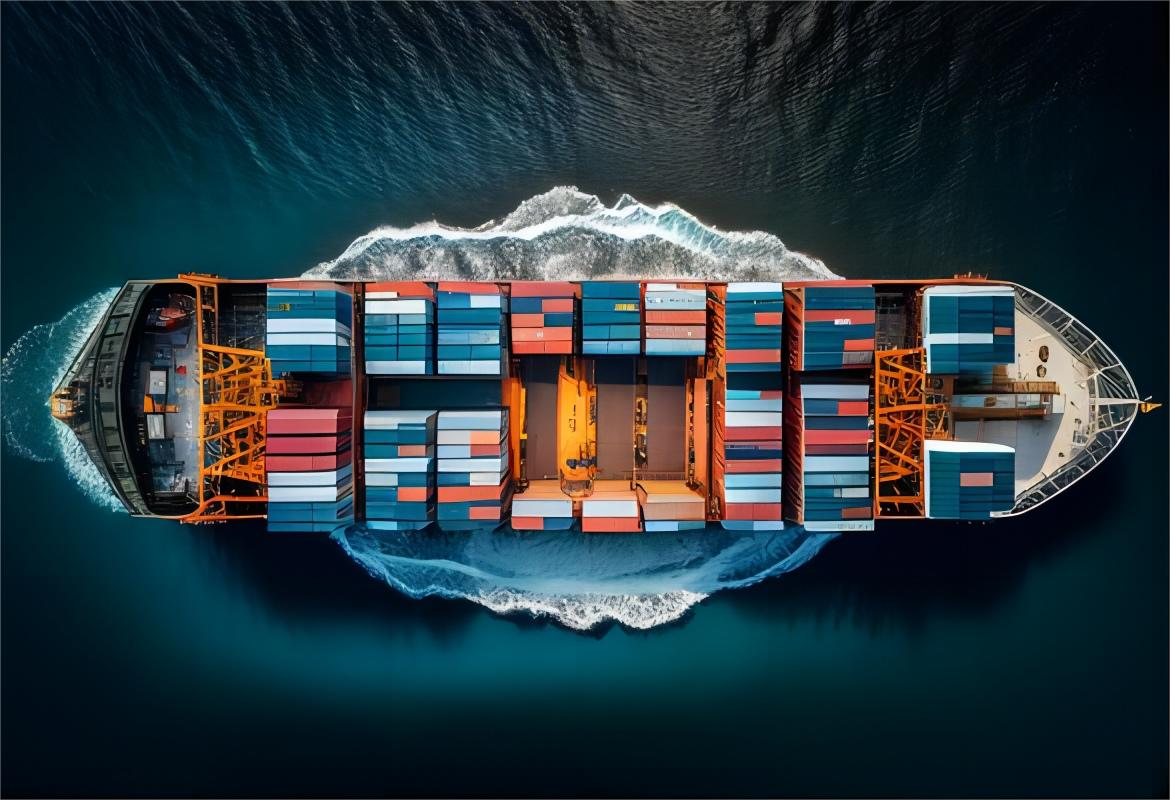
Selecting a reliable China logistics company international shipping partner remains the most critical decision for any global importer in 2026. This guide explores how to navigate complex supply chains while maintaining profitability and ensuring timely delivery schedules across various continents. Consequently, understanding the nuances of freight rates and customs clearance will empower your business to thrive in a competitive marketplace. Reliability in logistics ensures that your goods move from Shenzhen or Ningbo to their final destination without unnecessary delays or hidden costs.
What defines a reliable China logistics company international shipping partner?
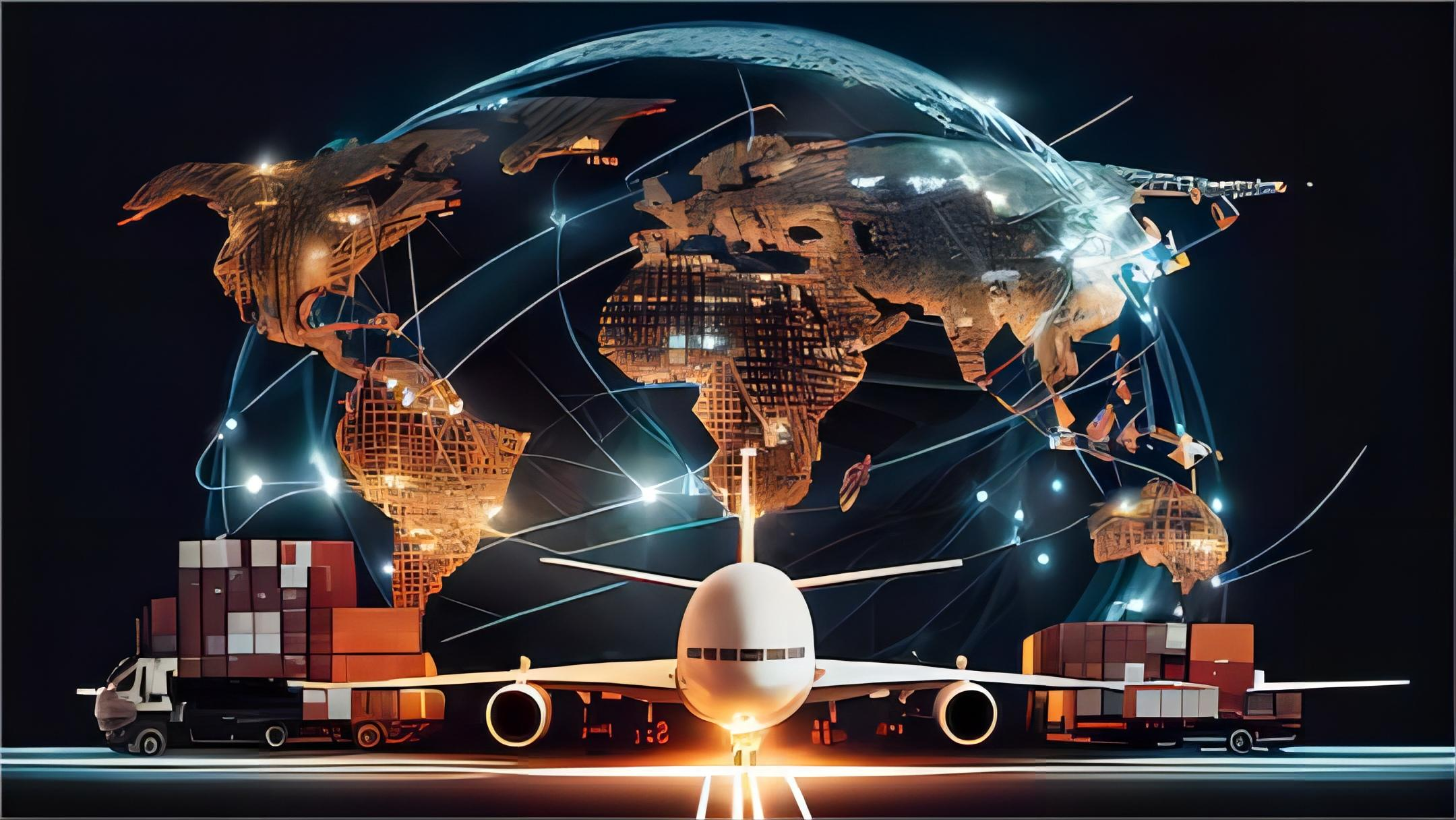
Identifying a trustworthy partner requires looking beyond the initial price quote provided by freight forwarders. Most successful importers prioritize transparency in communication and a proven track record of handling specific cargo types. Furthermore, a reliable company should offer comprehensive insurance options to protect your investment during the long transit over ocean or land.
Additionally, the ideal logistics provider must possess deep knowledge of local regulations at both the origin and destination ports. Since global trade laws frequently shift, having a partner who anticipates these changes is invaluable. Therefore, you should evaluate their network of local agents and their ability to handle unexpected port congestion or equipment shortages.
Logistics trends in 2026 emphasize digital tracking and real-time data integration for better visibility. Consequently, a modern shipping company should provide a robust online platform where you can monitor your shipment’s progress 24/7. This level of transparency builds trust and allows for better inventory management within your supply chain.
How to choose between sea, air, and rail freight in 2026?
Choosing the right transportation mode depends heavily on your budget, cargo volume, and required delivery speed. For instance, sea freight remains the most cost-effective solution for large-scale shipments heading to North America or Europe. Meanwhile, air transport offers the fastest transit times for high-value electronics or urgent seasonal inventory.
Moreover, air freight has seen increased capacity in early 2026, leading to more competitive rates for medium-sized parcels. Nevertheless, the environmental impact and higher fuel surcharges make it a secondary choice for bulk commodities. In contrast, rail freight provides a balanced middle ground for shipments moving from China to Central Asia or Eastern Europe.
Indeed, multimodal transport strategies have become increasingly popular as businesses seek to diversify their risk. By combining different modes, such as sea-air or rail-truck, you can often achieve a better balance of cost and speed. Accordingly, your logistics partner should help you analyze these hybrid solutions based on current market conditions.
How Does Main Method Compare to Other Shipping Options?
Objective analysis of shipping alternatives allows you to make data-driven decisions for your business. While sea freight is the backbone of international trade, it is not always the most efficient choice for every scenario. Therefore, comparing the cost range and transit times across all viable routes is essential for optimizing your landed costs.
Note: Freight rates are subject to change based on fuel costs, carrier capacity, and seasonal demand. Contact us for a current quote tailored to your specific shipment.
| Shipping Method | Cost Range | Transit Time | Best For | Limitations |
|---|---|---|---|---|
| Sea Freight (FCL) | $1,800 – $4,500 | 22 – 45 Days | Bulk / Heavy Cargo | Slowest Speed |
| Air Freight | $4.50 – $9.00/kg | 3 – 7 Days | High Value / Urgent | Expensive |
| Rail Freight | $2,200 – $3,800 | 15 – 22 Days | Mid-size to Europe | Geographic limits |
| Express Courier | $6.00 – $12.00/kg | 2 – 5 Days | Samples / Small Pkgs | Highest Cost |

Can a reliable China logistics company international shipping provider handle Amazon FBA?
Managing Amazon FBA logistics requires a specialized understanding of strict labeling and packaging requirements. Because Amazon has rigorous receiving standards, any mistake at the origin can lead to costly rejections or delays at the fulfillment center. Consequently, working with a logistics provider experienced in FBA prep services is a strategic advantage.
Furthermore, these companies often offer consolidated shipping options to reduce costs for smaller sellers. By grouping multiple shipments together, they can secure better freight rates and streamline the customs process. Nevertheless, you must ensure that your provider is capable of handling the last-mile delivery to specific Amazon warehouses across the globe.
Successful Amazon sellers in 2026 utilize warehouse storage solutions in China to manage their inventory flow more effectively. This approach allows for faster replenishment and better control over product quality before the goods leave the country. As a result, your supply chain becomes more resilient against sudden shifts in consumer demand.
Why is customs brokerage essential for global trade?
Navigating the complexities of international trade law requires an expert customs brokerage service. Every country has unique tariff schedules, duty rates, and restricted items that can trap inexperienced importers. Without a doubt, professional brokers ensure that all documentation is accurate to avoid expensive fines or cargo seizures.
Moreover, the introduction of new environmental regulations in 2026 has added additional layers of compliance for many product categories. For example, carbon border adjustment mechanisms now require detailed reporting on the carbon footprint of imported goods. Consequently, your logistics partner must stay updated on these evolving requirements to keep your shipments moving smoothly.
Effective customs management also involves identifying opportunities for duty drawbacks or free trade agreement benefits. By optimizing your customs strategy, you can significantly reduce your total landed cost and improve your profit margins. Therefore, choosing a logistics company with an in-house customs team is highly recommended for long-term success.
Real-world shipping scenarios and case studies
Examining real-world examples provides a clearer picture of what to expect during the shipping process. These cases reflect typical market rates and transit times as of early 2026, showcasing how different strategies impact the final outcome. Each scenario highlights the importance of choosing the right method for specific cargo types and destinations.
Case Study 1: Electronics to North America
Case Study 01: High-Volume Electronics Export Route: Shenzhen, China to Los Angeles, USA Cargo: Consumer Electronics, 68 CBM, 14,000 kg Container: 40HQ Shipping Details: – Carrier: Major carrier (COSCO) – Port of Loading: Shenzhen – Port of Discharge: Los Angeles – Route Type: Direct Cost Breakdown: – Ocean Freight: $3,400 – Origin Charges: $450 – Destination Charges: $600 – Customs and Duties: $1,200 – Total Landed Cost: $5,650 Timeline: – Booking to Loading: 3 days – Sea Transit: 16 days – Customs Clearance: 2 days – Total Door-to-Door: 21 days Key Insight: Using a direct route saved 5 days compared to transshipment options, which was critical for this seasonal product launch.
Case Study 2: Home Decor to Europe
Case Study 02: LCL Shipment for Boutique Retailer Route: Ningbo, China to Hamburg, Germany Cargo: Handcrafted Furniture, 12 CBM, 3,500 kg Container: LCL 12 CBM Shipping Details: – Carrier: Major carrier (Maersk) – Port of Loading: Ningbo – Port of Discharge: Hamburg – Route Type: Transshipment via Singapore Cost Breakdown: – Ocean Freight: $1,150 – Origin Charges: $300 – Destination Charges: $400 – Customs and Duties: $850 – Total Landed Cost: $2,700 Timeline: – Booking to Loading: 5 days – Sea Transit: 32 days – Customs Clearance: 3 days – Total Door-to-Door: 40 days Key Insight: LCL was significantly more economical than a full 20GP container for this volume, despite the longer transit time.
How does door to door shipping compare to other options?
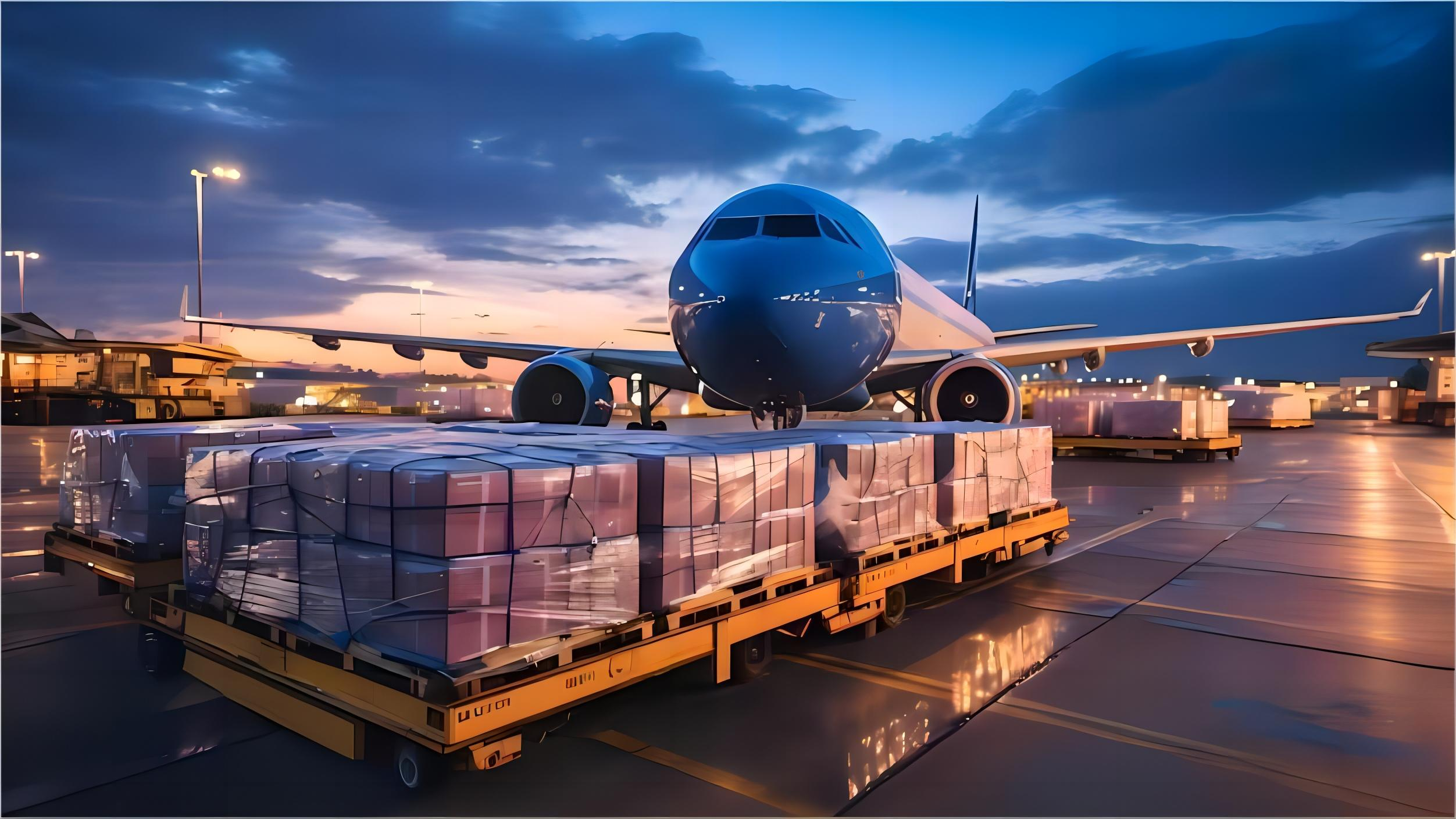
Many businesses prefer door to door shipping because it simplifies the entire logistics chain into a single point of contact. This service covers everything from the initial pickup at the factory in China to the final delivery at your warehouse. Although it may carry a slightly higher service fee, the time saved and the reduction in coordination errors often justify the cost.
Despite the convenience, you should still evaluate whether a port-to-port or port-to-door arrangement might better suit your local trucking partnerships. If you already have a reliable domestic transport provider, you might save money by handling the final leg of the journey yourself. However, for most small to medium enterprises, the all-inclusive nature of door-to-door service is the most efficient path.
Modern logistics providers use advanced routing software to optimize these door-to-door deliveries, ensuring that the last-mile transit is as fast as possible. This is especially important for e-commerce businesses that need to maintain high customer satisfaction levels. Therefore, always ask your logistics company about their last-mile tracking capabilities and partner networks.
Alternative strategies for cost-effective logistics
Strategic planning can help you reduce shipping costs without sacrificing reliability or speed. For example, consolidating shipments from multiple suppliers into a single container can lead to significant savings on freight rates. Additionally, scheduling your shipments during off-peak seasons can help you avoid the high surcharges associated with the Golden Week or the Q4 holiday rush.
Another effective strategy involves optimizing your product packaging to maximize container utilization. By reducing wasted space inside boxes, you can fit more units into each shipment, effectively lowering the cost per item. Consequently, conducting a thorough audit of your packaging design is a worthwhile investment for high-volume importers.
Finally, consider the benefits of using regional ports that may be less congested than major hubs like Shanghai or Los Angeles. Often, secondary ports offer faster processing times and lower local handling fees, which can reduce your overall transit time and costs. Your logistics partner should be able to provide advice on these alternative routing options based on their current operational data.
Final thoughts on selecting a logistics partner
Summarizing the key takeaways, finding a reliable China logistics company international shipping partner requires a balance of cost, speed, and service quality. By understanding the different shipping modes and the importance of customs expertise, you can build a more resilient supply chain. Remember to evaluate your partners based on their technology, network, and transparency.
Effective logistics management is an ongoing process that requires constant monitoring and adjustment to market trends. As we move through 2026, staying informed about freight rates and regulatory changes will be essential for maintaining a competitive edge. Partnering with the right experts ensures that your business can grow and scale in the global marketplace.
Need a tailored shipping solution?
Ready to streamline your supply chain with a reliable China logistics company international shipping expert? Contact our team today for a customized quote and expert guidance on your next shipment. Let us help you navigate the complexities of global trade with ease and efficiency.