

Logistics China Export Import Customs Warehouse Fulfillment: 2026 Strategic Guide
“Successfully managing logistics china export import customs warehouse fulfillment requires a sophisticated approach to global trade dynamics in 2026. At DSV-Freight, we focus on simplifying these intricate processes for businesses navigating the Chinese market. Therefore, understanding the intersection of transport, regulation, and storage is essential for maintaining a competitive edge in today’s fast-paced economy. This guide explores how to optimize your supply chain from the manufacturing hub to the final customer.”
How Does Logistics China Export Import Customs Warehouse Fulfillment Work in 2026?
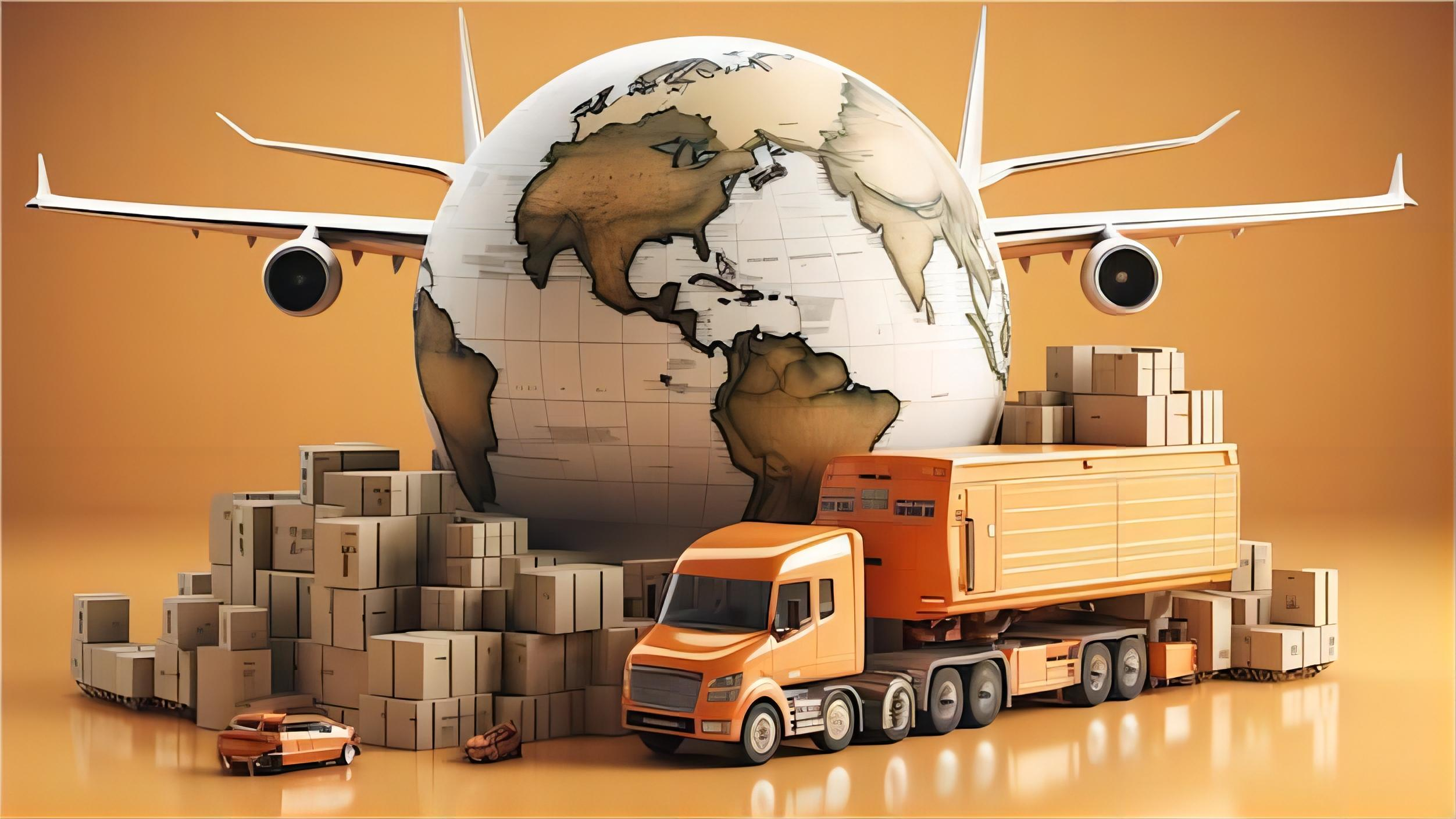
❖Global trade has undergone significant transformations over the last few years, leading to more integrated and digitized solutions. Currently, the synergy between manufacturing and distribution relies heavily on seamless information flow across all stakeholders. Moreover, the integration of artificial intelligence in port management has significantly reduced dwell times at major hubs like Shanghai and Ningbo.
Importers must now account for real-time fluctuations in carrier capacity and shifting geopolitical landscapes. Consequently, a robust strategy involves more than just booking cargo space; it requires a comprehensive view of the entire journey. Furthermore, the adoption of green logistics practices has become a standard requirement for many international brands operating in China.
Efficient planning starts with a clear understanding of the regulatory framework governing both export and import activities. Specifically, the Chinese government has introduced streamlined digital filing systems to expedite the movement of goods across borders. Indeed, these advancements have made it easier for small and medium enterprises to participate in global commerce.
Why is Customs Brokerage Essential for Your China Operations?
❖Navigating the complexities of trade compliance remains one of the most daunting tasks for international businesses. Without a doubt, even minor errors in documentation can lead to significant delays and costly penalties at the border. Therefore, engaging a professional customs brokerage service is often the difference between a successful shipment and a logistical nightmare.
Customs officials in 2026 utilize advanced scanning technology and data analytics to inspect cargo more efficiently. In addition, new environmental regulations require specific certifications for a wider range of products, particularly electronics and textiles. Meanwhile, staying updated on tariff changes between China and major trading partners is vital for accurate cost forecasting.
Accuracy in Harmonized System (HS) code classification ensures that you pay the correct amount of duties and taxes. On the other hand, misclassification can trigger audits that disrupt your entire supply chain for weeks. Consequently, experienced brokers provide the necessary expertise to navigate these regulatory waters safely and effectively.
How Does Sea Freight Compare to Other Shipping Options?
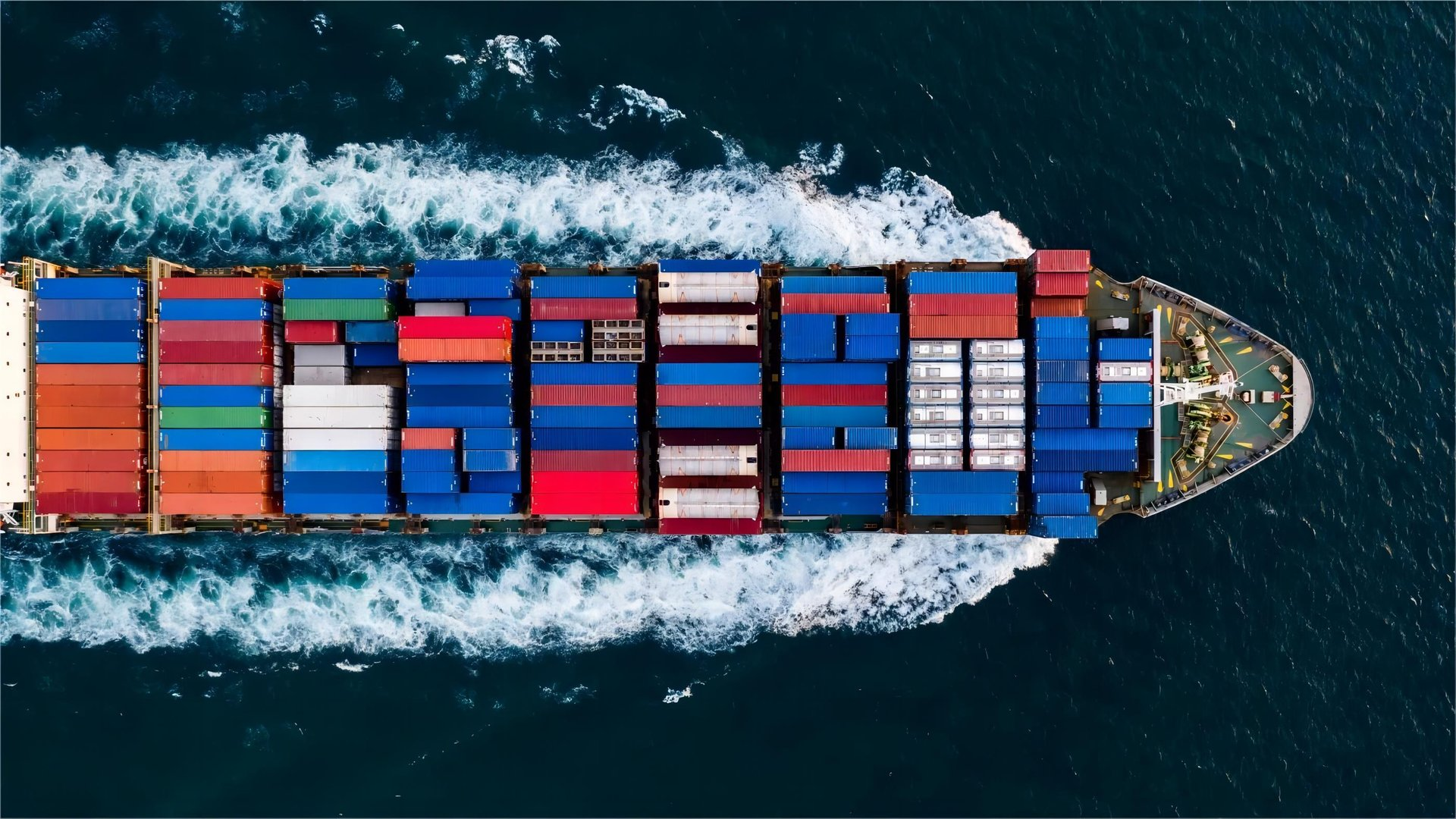
❖Choosing the right transportation mode depends on your specific budget, timeline, and cargo characteristics. While sea freight remains the backbone of global trade due to its cost-effectiveness for large volumes, it requires longer lead times. However, for many businesses, the low cost per unit justifies the extended transit duration.
Air transport offers unparalleled speed for high-value or time-sensitive shipments, though it comes at a premium price. Additionally, rail freight has emerged as a viable middle ground for shipments destined for Europe, offering faster speeds than ocean and lower costs than air. Nevertheless, each method has its own set of limitations and advantages that must be weighed carefully.
Hybrid solutions, such as sea-air or rail-sea combinations, provide alternative strategies for balancing cost and speed. For instance, shipping goods by sea to a regional hub and then by air to the final destination can save both time and money. Clearly, the optimal choice depends on the specific requirements of each individual shipment.
| Shipping Method | Cost Range | Transit Time | Best For |
|---|---|---|---|
| Sea Freight (FCL) | $2,500 – $4,500 per 40HQ | 25 – 40 Days | Bulk goods, large inventory |
| Air Freight | $4.50 – $9.00 per kg | 3 – 7 Days | High-value, urgent items |
| Rail Freight | $1,800 – $3,200 per FEU | 15 – 22 Days | Mid-range budget to Europe |
| Express Service | $8.00 – $15.00 per kg | 2 – 5 Days | Samples, small parcels |

What are the Benefits of Modern Warehouse Fulfillment in China?
❖Storing inventory closer to the source of production offers several strategic advantages for global e-commerce sellers. Specifically, utilizing a Amazon FBA preparation service in China allows for rigorous quality control before goods leave the country. Furthermore, consolidating shipments from multiple suppliers into a single container significantly reduces international transport costs.
Automated warehouse systems now provide real-time inventory tracking and efficient order processing with minimal human intervention. As a result, businesses can respond more quickly to market trends and consumer demands without maintaining massive local stockpiles. Moreover, bonded warehouses allow for the deferment of import duties until the goods are actually sold and shipped.
Strategic fulfillment locations near major ports like Shenzhen or Ningbo minimize domestic transit times and costs. In contrast, poorly located facilities can add unnecessary layers of complexity and expense to your logistics chain. Therefore, selecting the right warehouse partner is a critical component of any logistics china export import customs warehouse fulfillment strategy.
Which Option Should You Choose for Your Business?
❖Decision-making in logistics requires a clear framework based on your primary business objectives. If your priority is minimizing landed costs for non-urgent inventory, ocean transport is the logical choice. Conversely, if you are launching a new product with high market demand, air freight might be necessary to capture initial sales.
Volume thresholds often dictate when it is more economical to switch from Less than Container Load (LCL) to Full Container Load (FCL). Generally, shipments exceeding 15 cubic meters are more cost-effective when shipped in a dedicated 20-foot container. Additionally, consider the nature of your cargo, as hazardous materials or perishable goods require specialized handling and faster transit.
For businesses targeting North America, the choice between West Coast and East Coast ports can impact both cost and inland delivery speed. Indeed, routing through Los Angeles might be faster, but congestion could make Savannah a more reliable alternative. Ultimately, a flexible approach that adapts to current market conditions will yield the best results.
Real-World Scenario Analysis for 2026
❖Examining actual cases provides valuable insights into the practical application of logistics strategies. These examples reflect the current market environment and the typical challenges faced by modern importers. Notably, these scenarios demonstrate how different shipping methods and fulfillment strategies impact the final bottom line.
Case studies also highlight the importance of planning for seasonal peaks, such as the period leading up to the Lunar New Year. During these times, rates can spike by 20% or more, and space becomes extremely limited. Consequently, early booking and diverse routing strategies are essential for maintaining supply chain continuity.
By reviewing these outcomes, businesses can better anticipate potential hurdles and implement proactive solutions. For example, understanding how customs delays were handled in previous shipments can help refine current documentation processes. Regardless of the industry, learning from real-world data is a powerful tool for optimization.
Case Study 1: Consumer Electronics to Europe
Case Study 1: High-Efficiency Tech Distribution Route: Shenzhen, China to Rotterdam, Netherlands Cargo: Smart Home Devices, 18 CBM, 4,200 kg Container: LCL (Less than Container Load) Shipping Details: – Carrier/Service: Major Ocean Carrier – Port of Loading: Shenzhen – Port of Discharge: Rotterdam – Route Type: Direct Cost Breakdown: – Ocean Freight: $1,650 – Origin Charges: $450 – Destination Charges: $580 – Customs & Duties (estimated): $2,100 – Total Landed Cost: $4,780 Timeline: – Booking to Loading: 4 days – Sea Transit: 32 days – Customs Clearance: 2 days – Total Door-to-Door: 42 days Key Insight: Utilizing LCL allowed the client to maintain a steady flow of inventory without waiting to fill a whole container, improving cash flow despite slightly higher per-unit shipping costs.
Case Study 2: Fashion Apparel to USA
Case Study 2: Seasonal Inventory Rapid Replenishment Route: Shanghai, China to Los Angeles, USA Cargo: Seasonal Clothing, 5 CBM, 1,200 kg Container: Air Freight Shipping Details: – Carrier/Service: Premium Air Cargo – Port of Loading: Shanghai Pudong (PVG) – Port of Discharge: Los Angeles (LAX) – Route Type: Direct Cost Breakdown: – Air Freight: $6,600 – Origin Charges: $320 – Destination Charges: $410 – Customs & Duties (estimated): $3,500 – Total Landed Cost: $10,830 Timeline: – Booking to Loading: 2 days – Air Transit: 1 day – Customs Clearance: 1 day – Total Door-to-Door: 6 days Key Insight: High-speed air freight was chosen to meet a strict marketing launch date, preventing lost sales revenue that would have far exceeded the shipping premium.
How to Streamline Your China Export Import Documentation?
❖Documentation remains the foundation of any successful international trade transaction. Therefore, ensuring that every form is completed accurately and submitted on time is paramount. Specifically, the commercial invoice must clearly state the value, quantity, and description of the goods to avoid customs disputes.
A packing list provides detailed information about the physical dimensions and weight of each package within the shipment. In addition, a Certificate of Origin may be required to qualify for preferential tariff rates under various trade agreements. Meanwhile, the Bill of Lading serves as both a receipt for the goods and a contract of carriage.
Digital documentation platforms have significantly reduced the manual effort required to manage these files. Consequently, many businesses are moving toward paperless systems that allow for instant sharing with customs brokers and freight forwarders. Indeed, this digital shift has enhanced transparency and reduced the risk of lost or damaged paperwork.
| Document Name | Purpose | Required By | Format |
|---|---|---|---|
| Commercial Invoice | Valuation and duty assessment | Customs | Digital/PDF |
| Packing List | Inventory and physical inspection | Carrier/Customs | Digital/PDF |
| Bill of Lading | Title of goods and transport contract | Carrier | Electronic/Paper |
| Certificate of Origin | Tariff preference verification | Customs | Official Stamp |
What is the Role of Door to Door Logistics?
❖Managing multiple vendors for different segments of the journey can be overwhelming for many importers. As a result, door to door services have become increasingly popular for their simplicity and accountability. In this model, a single provider manages everything from the factory pickup in China to the final delivery at your warehouse.
This integrated approach reduces the risk of communication breakdowns between different service providers. Furthermore, it often results in more predictable pricing, as most costs are consolidated into a single quote. However, it is important to verify that your provider has a strong network in both the origin and destination countries.
For shipments to Australia, door-to-door solutions are particularly effective due to strict quarantine and biosecurity regulations. Having a partner who understands these local requirements ensures that your goods pass through inspections without unnecessary delays. Clearly, the convenience of a managed solution often outweighs the potential savings of DIY logistics.
Mastering Your China Logistics Strategy
Optimizing logistics china export import customs warehouse fulfillment is a continuous process that requires attention to detail and market awareness. By choosing the right transportation modes and leveraging professional customs brokerage, you can significantly reduce costs and transit times. Moreover, integrating efficient warehouse fulfillment into your operations ensures that your products reach customers faster and in better condition.
As we move through 2026, the ability to adapt to new technologies and regulatory changes will define the most successful international businesses. Therefore, partnering with an experienced logistics provider is not just a convenience, but a strategic necessity. Start refining your China shipping strategy today to secure your place in the global marketplace.
Ready to streamline your logistics?
Streamline your supply chain today with our expert logistics china export import customs warehouse fulfillment services. Contact DSV-Freight for a personalized quote and professional guidance on your 2026 shipping strategy. Visit our website to learn more: https://alibabafreight.com/ inquiry
Request Quote