Freight Shipping China to Germany Quote: 2026 Price Guide
Finding a reliable freight shipping china to germany quote is essential for businesses navigating the complex 2026 global trade landscape. At DSV-Freight, we simplify the process by providing transparent pricing and expert logistics support. Consequently, understanding the various factors that influence your final cost will help you make the best decision for your supply chain. This guide explores current market trends and cost-saving strategies for your international shipments.
✦
Understanding Your Freight Shipping China to Germany Quote
Every freight shipping china to germany quote consists of multiple components that determine your total landed cost. For instance, base ocean or air rates are often supplemented by fuel surcharges and terminal handling charges. Additionally, you must consider the costs of local trucking at both the origin and destination ports.
Market conditions in early 2026 have shown relative stability compared to previous years. However, seasonal fluctuations still play a significant role in pricing. Specifically, rates often spike during the weeks leading up to the Chinese New Year and the Golden Week holiday.
To ensure accuracy, your quote should include all potential fees. These include documentation fees, customs entry charges, and any applicable inspection costs. Without a doubt, a comprehensive quote prevents unexpected expenses from eroding your profit margins.
How Does Sea Freight Compare to Other Shipping Options?
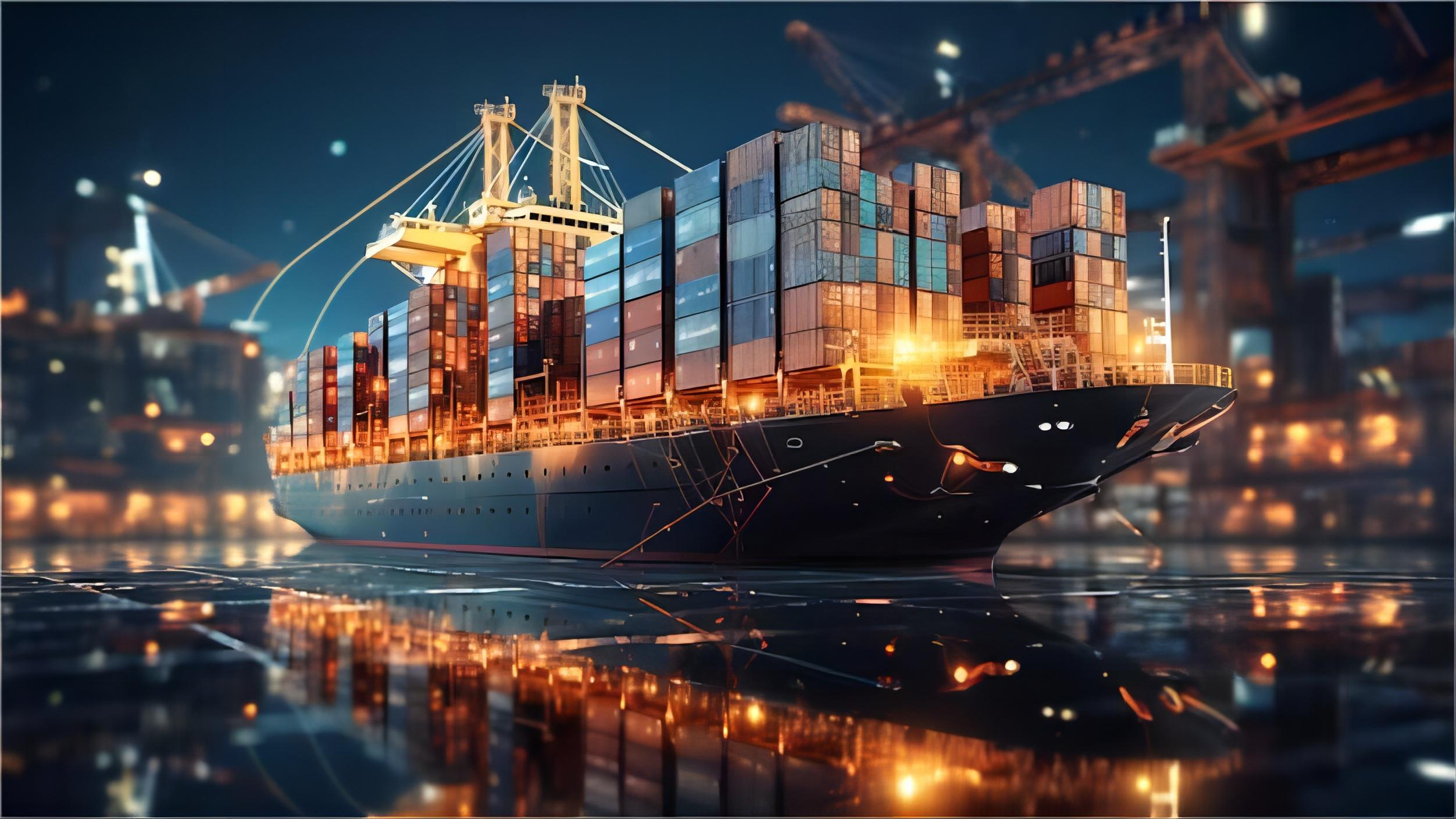
Sea freight remains the most economical choice for transporting large volumes of goods across long distances. While it offers the lowest cost per unit, it also requires the longest lead times. For example, a standard shipment from Shanghai to Hamburg typically takes 30 to 40 days.
Choosing sea freight allows businesses to benefit from economies of scale. Indeed, shipping a full container is often more cost-effective than multiple smaller shipments. On the other hand, transit times must be carefully managed to avoid inventory shortages.
Alternative strategies involve balancing speed and budget. For shipments under 15 CBM, LCL at $65-95/CBM may be more economical than a full container. Conversely, direct routes cost 10-15% more but save 5-7 days compared to transshipment via Singapore.
| Shipping Method | Cost Range | Transit Time | Best For |
|---|---|---|---|
| Sea Freight (FCL) | $3,200 – $4,500 | 30-40 Days | Bulk goods and large volumes |
| Air Freight | $5.50 – $9.00/kg | 5-8 Days | High-value or urgent cargo |
| Rail Freight | $2,100 – $3,200 | 18-22 Days | Middle-ground speed and cost |
| Express Service | $9.00 – $14.00/kg | 3-5 Days | Samples and small parcels |
Factors Influencing 2026 Shipping Costs
Fuel prices are a primary driver of fluctuations in your freight shipping china to germany quote. As of Q1 2026, many carriers have implemented environmental surcharges to comply with new carbon emission regulations. Consequently, these costs are passed down to the importer.
Container availability also impacts the final price you pay. During peak seasons, the demand for equipment can exceed supply, leading to higher premiums. Therefore, booking your shipment at least 3-4 weeks in advance is highly recommended to secure better rates.
Customs compliance is another critical factor that can influence your overall logistics spend. Utilizing a professional customs brokerage service ensures that your goods are classified correctly. As a result, you can avoid costly delays and potential fines at the German border.
Air Freight Solutions for Urgent Shipments
When time is of the essence, air freight provides the fastest transit times available. Most shipments reach major German hubs like Frankfurt or Munich within a week. Furthermore, the increased security of air transport reduces the risk of damage or theft for sensitive items.
Pricing for air cargo is calculated based on either actual weight or volumetric weight. In contrast to sea freight, air rates are much more volatile and can change daily. Nevertheless, for high-margin electronics or fashion items, the speed of delivery often justifies the higher expense.
Businesses should consider hybrid sea-air solutions to optimize their supply chain. This approach involves shipping by sea to a hub like Dubai and then flying the cargo to Germany. Consequently, you can achieve a balance between the low cost of sea and the high speed of air.
The Rise of Rail Freight on the New Silk Road
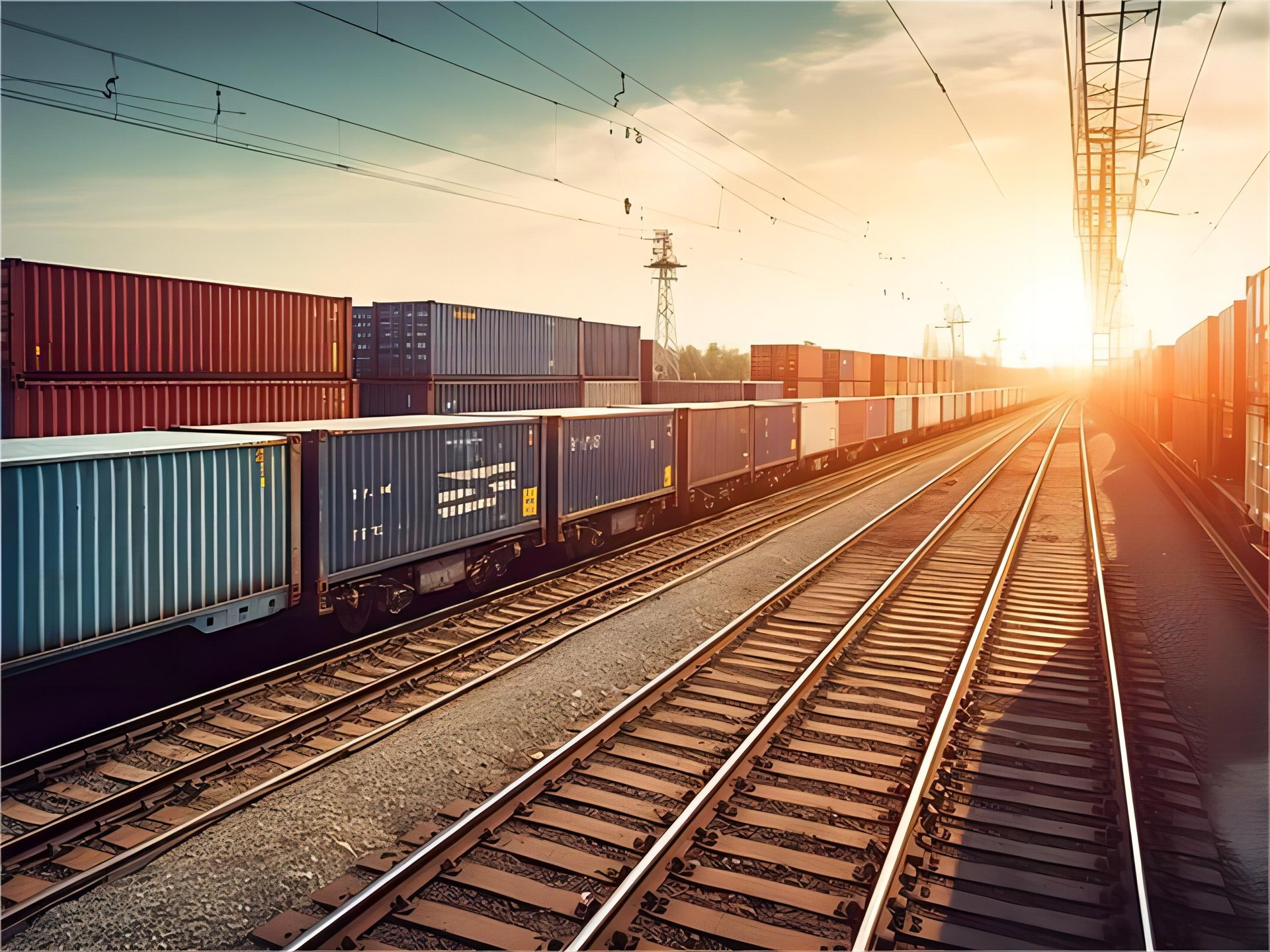
The expansion of the trans-Eurasian rail network has made rail freight a popular alternative. It offers a faster transit time than sea freight while remaining significantly cheaper than air. For instance, goods from Chengdu can reach Duisburg in approximately 20 days.
Rail transport is particularly suitable for automotive parts and industrial machinery. Additionally, it is considered a more environmentally friendly option compared to air transport. Indeed, many European companies are choosing rail to meet their sustainability goals in 2026.
However, rail freight can be subject to congestion at border crossings. Transitioning between different track gauges in Kazakhstan or Belarus may cause minor delays. Despite this, the reliability of rail schedules has improved significantly over the past year.
Door to Door Logistics and Convenience
For many importers, a door to door service offers the ultimate convenience. This comprehensive solution covers every step of the journey from the supplier in China to the final warehouse in Germany. Therefore, it eliminates the need for the importer to manage multiple logistics providers.
This service usually includes pickup, international transport, customs clearance, and final mile delivery. Although the upfront quote might seem higher, it often saves money by reducing administrative overhead. Moreover, it provides a single point of contact for tracking and troubleshooting.
Choosing a provider with a strong network in both China and Germany is vital. Local expertise ensures that the trucking and warehousing phases are handled efficiently. Without a doubt, this integrated approach streamlines the entire import process.
Which Option Should You Choose? Decision Framework
Selecting the right shipping method depends on your specific business priorities. If your primary goal is budget priority, we recommend sea freight for all large-scale shipments. On the other hand, if speed priority is paramount, air freight is the only viable choice for tight deadlines.
Cargo type considerations also play a major role in the selection process. For example, heavy machinery is best suited for FCL sea freight due to weight limits on planes. Meanwhile, perishable goods or high-value medical equipment should always be sent via air to ensure safety.
Volume thresholds often dictate when to switch between methods. For shipments under 100kg, express couriers are usually the most cost-effective. Once you exceed 500kg, traditional air freight or rail options become more attractive from a pricing perspective.
| Priority | Recommended Method | Typical Volume | Key Benefit |
|---|---|---|---|
| Lowest Cost | Sea Freight (LCL/FCL) | > 2 CBM | Maximum savings |
| Fastest Delivery | Air Freight | > 45 kg | Rapid market entry |
| Balanced | Rail Freight | > 1 CBM | Reliable schedule |
| Convenience | Door to Door | Any | Minimal effort |
Real-World Case Studies for 2026
Case Study 1: Electronics Shipment from Shenzhen to Hamburg. Route: Shenzhen, China to Hamburg, Germany. Cargo: Consumer electronics, 28 CBM, 4,500 kg. Container: 40GP. Shipping Details: Major carrier, Port of Loading: Shenzhen, Port of Discharge: Hamburg, Route Type: Direct. Cost Breakdown: Ocean Freight: $3,850, Origin Charges: $420, Destination Charges: $550, Customs and Duties: $1,200, Total Landed Cost: $6,020. Timeline: Booking to Loading: 4 days, Sea Transit: 32 days, Customs Clearance: 2 days, Total Door-to-Door: 42 days. Key Insight: Direct routing saved 6 days compared to transshipment via Port Klang.
Case Study 2: Industrial Parts from Ningbo to Frankfurt. Route: Ningbo, China to Frankfurt, Germany. Cargo: Spare parts, 1.5 CBM, 600 kg. Shipping Method: Air Freight. Shipping Details: Major carrier, Port of Loading: Shanghai PVG, Port of Discharge: Frankfurt FRA, Route Type: Direct. Cost Breakdown: Air Freight: $4,200, Origin Charges: $150, Destination Charges: $200, Customs and Duties: $800, Total Landed Cost: $5,350. Timeline: Booking to Loading: 2 days, Air Transit: 1 day, Customs Clearance: 1 day, Total Door-to-Door: 6 days. Key Insight: Using Shanghai instead of Ningbo airport reduced transit time by 2 days due to more frequent flight schedules.
Case Study 3: Furniture from Chengdu to Duisburg. Route: Chengdu, China to Duisburg, Germany. Cargo: Flat-pack furniture, 12 CBM, 2,800 kg. Shipping Method: Rail Freight (LCL). Shipping Details: China-Europe Railway Express, Port of Loading: Chengdu Rail Terminal, Port of Discharge: Duisburg Terminal, Route Type: Direct. Cost Breakdown: Rail Freight: $2,450, Origin Charges: $300, Destination Charges: $400, Customs and Duties: $650, Total Landed Cost: $3,800. Timeline: Booking to Loading: 5 days, Rail Transit: 19 days, Customs Clearance: 3 days, Total Door-to-Door: 30 days. Key Insight: Rail provided a 40% cost saving compared to air while arriving 12 days faster than sea freight.
Documentation and Customs Requirements for Germany
Navigating German customs requires precise documentation to avoid shipment holds. The most important documents include the Bill of Lading, Commercial Invoice, and Packing List. Additionally, a Certificate of Origin may be required to benefit from specific trade agreements.
Germany strictly enforces EORI number requirements for all importers. Furthermore, ensuring that your HS codes are accurate is vital for calculating the correct VAT and import duties. Consequently, any errors in paperwork can lead to significant storage fees at the port of discharge.
Environmental regulations in Germany have become more stringent in 2026. For example, packaging materials must comply with the German Packaging Act (VerpackG). Therefore, verifying that your supplier uses compliant materials is an essential step in your logistics planning.
Final Thoughts on Shipping from China to Germany
To summarize, obtaining an accurate freight shipping china to germany quote requires a clear understanding of your cargo needs and the current market environment. Whether you choose the speed of air, the economy of sea, or the balance of rail, each method offers distinct advantages. By planning ahead and working with experienced partners, you can navigate the complexities of 2026 international trade with confidence.
Furthermore, always remember that the cheapest option is not always the most cost-effective when factoring in lead times and reliability. Investing in quality logistics services will ultimately protect your brand reputation and ensure consistent delivery schedules for your customers.