
Freight Forwarder China USA UK Europe Middle East: 2026 Solutions
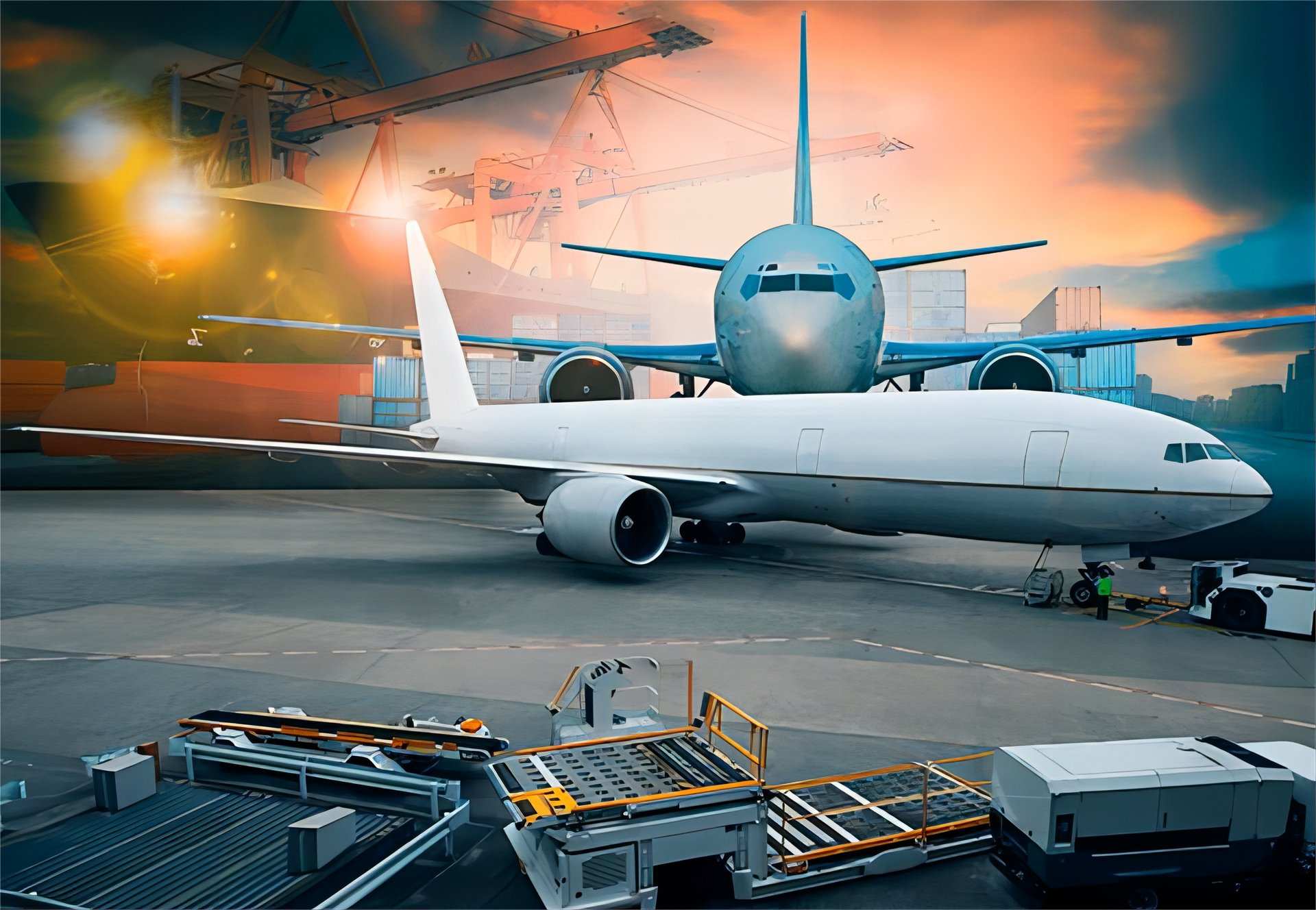
“Navigating the complexities of global trade requires a reliable freight forwarder china usa uk europe middle east to manage your supply chain effectively. Businesses frequently encounter challenges with customs regulations, fluctuating fuel surcharges, and unpredictable delivery schedules. Consequently, partnering with an experienced logistics expert ensures your cargo moves seamlessly from Chinese manufacturing hubs to major global markets. This guide provides comprehensive insights into optimizing your international shipping strategy for the 2026 market environment.”
Why Choose a Professional Freight Forwarder China USA UK Europe Middle East?
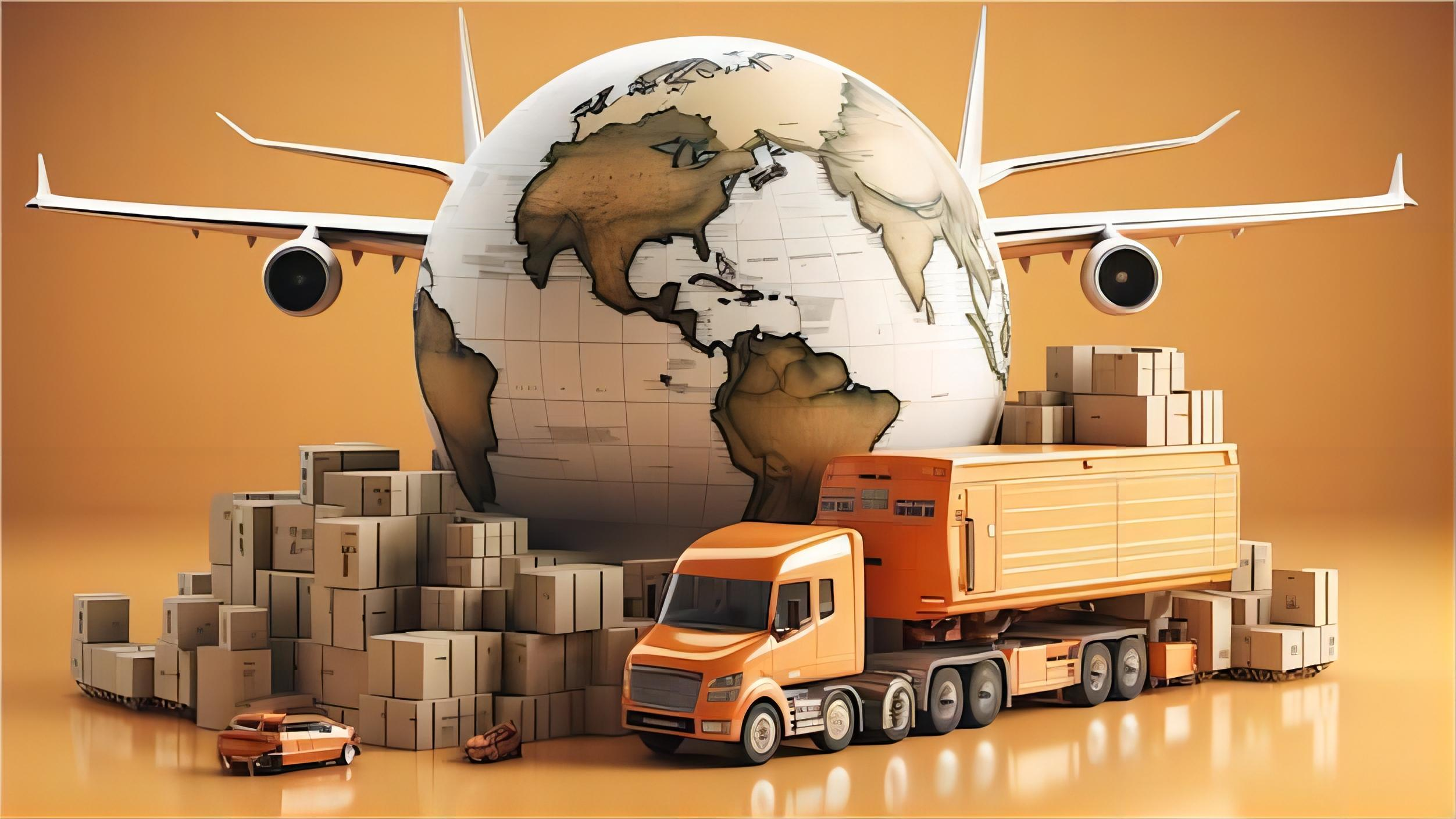
❖Professional logistics management involves much more than simply moving boxes from one port to another. Specifically, a dedicated freight forwarder provides the expertise needed to navigate international maritime laws and local import restrictions. Furthermore, they act as a central point of contact, streamlining communication between carriers, port authorities, and local drayage providers.
Reliability remains the most critical factor when selecting a logistics partner in 2026. As a result, businesses can avoid costly delays that often occur during peak seasons or periods of geopolitical shifts. Moreover, expert forwarders offer value-added services such as cargo insurance, quality inspections, and specialized packaging to protect your investment during transit.
Efficiency in the supply chain directly impacts your bottom line. Additionally, by leveraging established relationships with major steamship lines and airlines, a forwarder can secure more competitive rates than an individual shipper. Therefore, utilizing a professional service allows you to focus on your core business operations while experts handle the technicalities of global distribution.
How Does Sea Freight Compare to Other Shipping Options?
❖Evaluating different transport modes is essential for balancing cost and speed. While sea freight remains the most economical choice for high-volume shipments, it requires longer lead times. In contrast, air freight offers unparalleled speed for urgent or high-value goods but comes at a significantly higher price point.
Choosing the right method depends heavily on your specific inventory turnover requirements and budget constraints. For instance, seasonal products might justify the cost of air transport to meet market demand, whereas bulk raw materials are best suited for ocean containers. Consequently, many modern businesses are adopting hybrid models to maintain a steady flow of goods without overspending.
| Shipping Method | Cost Range | Transit Time | Best For | Limitations |
|---|---|---|---|---|
| Sea Freight (FCL) | $2,500 – $6,000 | 18 – 45 Days | Bulk goods and large volumes | Slower transit times |
| Air Freight | $5.00 – $12.00/kg | 3 – 7 Days | Urgent or high-value items | Very high cost |
| Rail Freight | $1,800 – $3,500 | 15 – 22 Days | Mid-range budget to Europe | Limited to inland routes |
| Express Service | $8.00 – $15.00/kg | 2 – 5 Days | Small parcels and samples | Weight restrictions |

Shipping from China to North America: USA and Canada
❖North American routes are among the busiest in the world, requiring precise coordination to avoid port congestion. Indeed, many e-commerce sellers rely on specialized Amazon FBA services to streamline their inventory management in the United States. Furthermore, understanding the difference between West Coast and East Coast transit times is vital for planning your distribution strategy.
Typical transit times to Los Angeles or Long Beach average 14 to 18 days, whereas shipping to New York or Savannah can take up to 35 days via the Panama Canal. Meanwhile, inland rail connections from the West Coast provide a faster alternative for reaching the Midwest. Consequently, shippers must weigh the higher costs of rail transport against the time saved compared to all-water routes to the East Coast.
Market data for early 2026 suggests that freight rates have stabilized, though peak season surcharges still apply from August through October. Additionally, customs bonds and ISF filings remain mandatory for all US-bound ocean cargo. Therefore, working with a forwarder who understands the nuances of US Customs and Border Protection is essential for avoiding administrative penalties.
Navigating Logistics to the UK and Europe in 2026
❖European logistics have seen a significant shift toward diversified transport modes over the last few years. Specifically, rail freight has become an increasingly popular middle-ground option for shipments moving from China to Germany, Poland, and France. Moreover, this mode offers a 50% time saving over sea freight at a fraction of the cost of air transport.
Shipping to the UK requires specific attention to post-Brexit customs procedures and documentation. Indeed, direct sea routes to Felixstowe or Southampton remain the primary choice for British importers. On the other hand, transshipment via major European hubs like Rotterdam or Antwerp can sometimes offer more flexible scheduling options for smaller LCL shipments.
Environmental regulations in Europe are also influencing logistics trends in 2026. For example, many carriers are now implementing carbon-tracking tools and utilizing eco-friendly vessels to meet regional sustainability standards. Consequently, choosing a forwarder with green logistics capabilities can help your business comply with evolving European Union directives.
Expanding Markets: Shipping to the Middle East
❖Middle Eastern markets, particularly the UAE and Saudi Arabia, represent significant growth opportunities for Chinese exporters. Notably, the port of Jebel Ali in Dubai serves as a primary gateway for the entire region. Furthermore, the development of new infrastructure under the Saudi Vision 2030 initiative has greatly improved inland cargo handling and delivery schedules.
Customs procedures in the Middle East can be rigorous, requiring specific certifications like SASO for Saudi Arabia. Meanwhile, transit times from major Chinese ports like Shenzhen to Dubai typically range from 15 to 22 days. As a result, businesses must ensure all documentation is perfectly aligned with local requirements to prevent lengthy port storage charges.
Logistics trends in this region also highlight a surge in demand for cold chain solutions and pharmaceutical transport. Additionally, the strategic location of the Middle East makes it an ideal hub for sea-air hybrid solutions. Therefore, a forwarder with a strong local network in the GCC countries is invaluable for navigating these emerging market dynamics.
Which Option Should You Choose? Decision Framework
❖Deciding on a shipping method requires a clear understanding of your priorities regarding cost, speed, and safety. If your primary goal is budget optimization, sea freight is undoubtedly the best choice for volumes exceeding 15 CBM. However, if you are launching a new product and need to hit a strict deadline, air freight provides the necessary reliability.
Volume thresholds often dictate when it is more economical to switch from LCL to FCL. For instance, when your shipment reaches approximately 15 to 18 CBM, booking a full 20GP container often becomes cheaper than paying per cubic meter for a shared container. Consequently, analyzing your total landed cost is the only way to make an informed decision for your business.
Cargo type considerations also play a major role in the selection process. Dangerous goods, oversized machinery, or fragile electronics each require specific handling protocols and equipment. Therefore, always consult with your logistics partner to determine if specialized containers, such as open-tops or reefers, are necessary for your specific commodity.
Realistic Case Studies for Global Shipping
❖Examining real-world scenarios helps illustrate the practical application of different logistics strategies. These cases reflect actual market conditions and pricing observed in early 2026, providing a benchmark for your own shipping estimates.
Case Study 1: Electronics to Los Angeles. Route: Shenzhen to Los Angeles. Cargo: Consumer electronics, 18 CBM, 4,500 kg. Container: 20GP. Shipping Details: Direct service via major carrier. Cost Breakdown: Ocean Freight $2,100, Origin Charges $350, Destination Charges $450, Customs/Duties $1,200. Total Landed Cost: $4,100. Timeline: 16 days sea transit, 22 days door-to-door. Key Insight: Early booking during Q1 2026 secured a rate 15% below the seasonal average.
Case Study 2: Textiles to Hamburg. Route: Shanghai to Hamburg. Cargo: Apparel, 45 CBM, 8,000 kg. Container: 40HQ. Shipping Details: Transshipment via Singapore. Cost Breakdown: Ocean Freight $3,800, Origin Charges $500, Destination Charges $650, Customs/Duties $2,100. Total Landed Cost: $7,050. Timeline: 34 days sea transit, 42 days door-to-door. Key Insight: Choosing a transshipment route saved $400 compared to the direct premium service, with only a 4-day delay.
Case Study 3: Spare Parts to Dubai. Route: Ningbo to Jebel Ali. Cargo: Industrial parts, 5 CBM, 1,200 kg. Method: LCL Sea Freight. Cost Breakdown: Ocean Freight $450, Origin Charges $200, Destination Charges $300, Customs/Duties $550. Total Landed Cost: $1,500. Timeline: 19 days sea transit, 26 days door-to-door. Key Insight: Efficient palletization reduced the billable CBM, saving 10% on freight costs.
Customs and Documentation Checklist
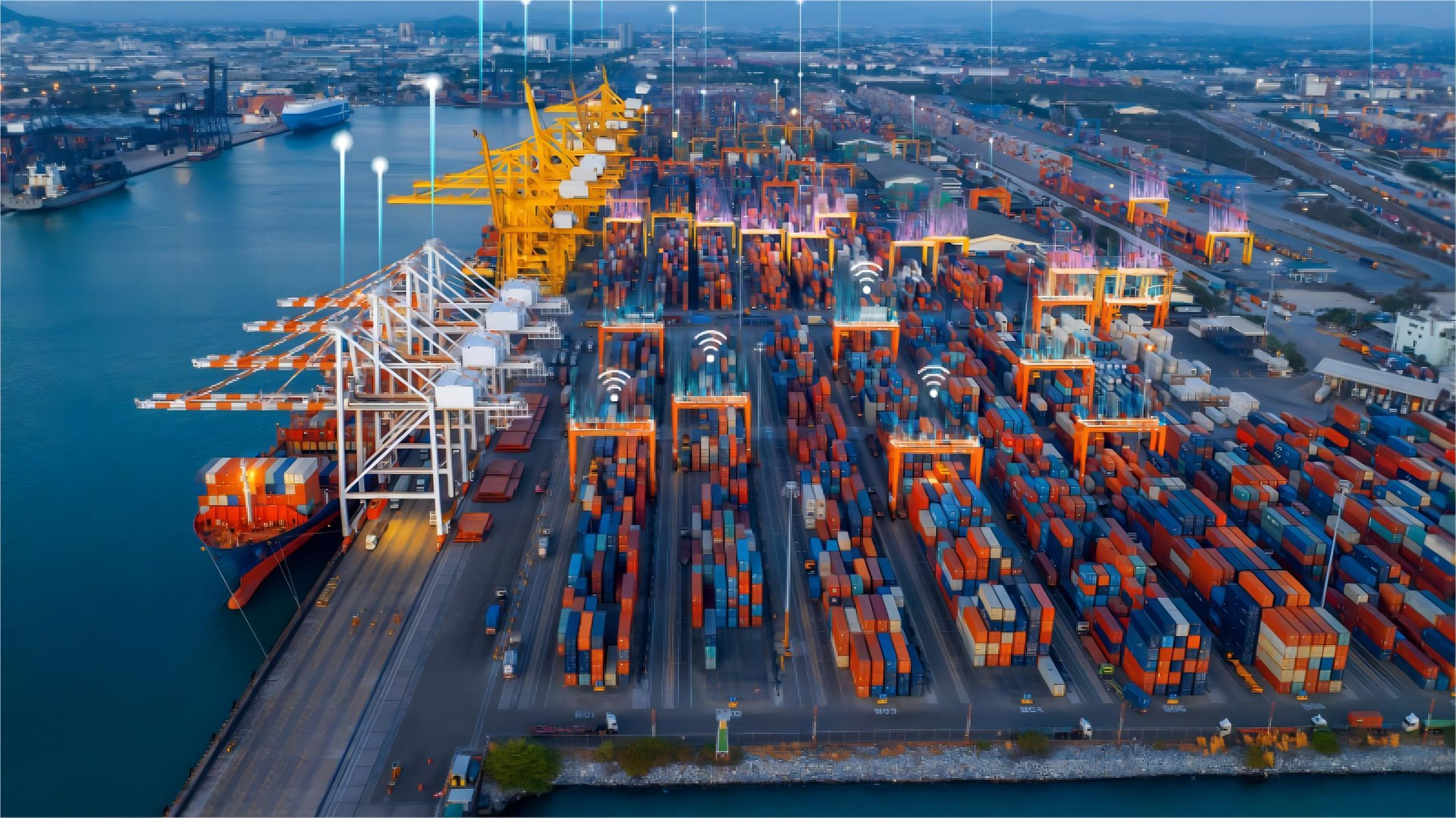
❖Successful international shipping relies heavily on accurate documentation to ensure smooth customs brokerage processes. Specifically, the Commercial Invoice and Packing List must match exactly to avoid inspections. Furthermore, specific regions require unique documents, such as the Certificate of Origin or the Bill of Lading, which serves as the title to the goods.
Customs authorities in 2026 are increasingly utilizing AI-driven risk assessment tools to flag inconsistent shipments. Consequently, any discrepancy in HS codes or declared values can lead to significant delays and storage fees. Additionally, ensuring your wood packaging materials are properly fumigated and marked with the ISPM 15 stamp is mandatory for almost all international routes.
Preparation is the key to avoiding administrative hurdles at the port of discharge. Moreover, many countries now require electronic pre-filing of cargo data several days before the vessel arrives. Therefore, maintaining a digital archive of all shipping documents allows for quick responses to any queries from customs officials.
Summary of Global Logistics Strategies
Successfully managing international trade requires a strategic approach to selecting a freight forwarder china usa uk europe middle east. By understanding the trade-offs between speed and cost, businesses can optimize their delivery schedules and protect their profit margins. Moreover, staying informed about regional customs requirements and market trends is essential for long-term success.
Reliability and transparency should be your top priorities when choosing a logistics partner in 2026. Whether you are shipping to the USA, UK, Europe, or the Middle East, the right expertise makes all the difference in navigating the complexities of the global supply chain. Note: Freight rates are subject to change based on fuel costs, carrier capacity, and seasonal demand. Contact us for a current quote tailored to your specific shipment.
Ready to streamline your logistics?
Ready to streamline your global supply chain? Contact our expert team today for a customized quote from a leading freight forwarder china usa uk europe middle east. Visit alibabafreight.com to start your shipment.
Request Quote