
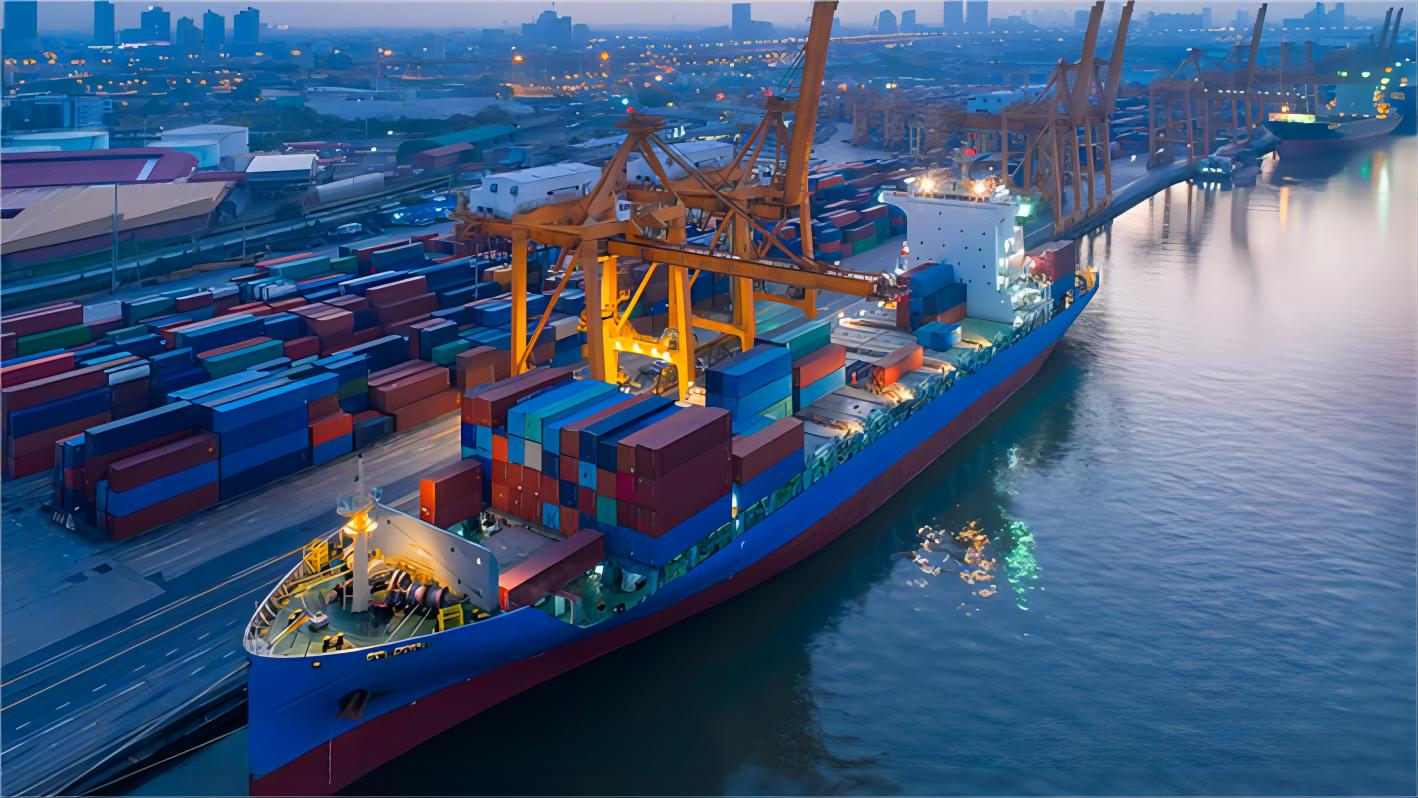
Freight Forwarder China USA Europe Middle East Global Logistics 2026
Finding a reliable freight forwarder china usa europe middle east global is essential for businesses navigating the complexities of international trade in 2026. Consequently, companies must identify partners who offer competitive rates and consistent delivery schedules across multiple continents. This guide explores how to optimize your supply chain using modern logistics strategies and expert cargo handling. Specifically, we focus on providing scalable solutions that meet the evolving demands of the global marketplace.

Choosing a Freight Forwarder China USA Europe Middle East Global Partner
Selecting the right logistics partner involves evaluating their network reach and operational expertise in key markets. Moreover, a capable provider must handle various cargo types while ensuring compliance with international regulations. Businesses often struggle with fluctuating shipping costs and unpredictable transit times during peak seasons. Therefore, partnering with an experienced firm helps mitigate these risks through proactive planning and diverse carrier relationships.
Reliable service providers offer comprehensive visibility into the movement of goods from origin to destination. Additionally, they provide value-added services such as warehousing, labeling, and inventory management to streamline operations. Many companies now prioritize sustainability and efficiency when choosing their logistics vendors. Indeed, modern technology allows for better route optimization and reduced carbon footprints in the supply chain.
International shipping requires a deep understanding of local laws and port procedures in different regions. Furthermore, the ability to pivot during geopolitical shifts or port congestion is a hallmark of a top-tier logistics firm. Most importers seek a balance between speed and cost to maintain their competitive edge. Consequently, identifying a freight forwarder china usa europe middle east global specialist remains a top priority for global traders.
Global trade dynamics in 2026 require agile responses to market changes and consumer demands. Specifically, the integration of digital tracking tools has transformed how shippers manage their ocean and air cargo. Ultimately, the goal is to create a seamless flow of goods that supports business growth and customer satisfaction.
How Does Sea Freight Compare to Other Shipping Options?
While sea freight remains the most economical choice for large volumes, other methods offer distinct advantages for specific needs. For instance, air freight provides unmatched speed for high-value or perishable items that require immediate delivery. Meanwhile, rail freight offers a middle ground for shipments moving across the Eurasian land bridge. Understanding these trade-offs is crucial for optimizing your overall logistics budget.
Shipping costs vary significantly based on the chosen method, volume, and urgency of the cargo. As a result, many businesses utilize a hybrid approach to balance their expenses and lead times. For example, combining sea and air transport can reduce costs compared to pure air freight while staying faster than ocean routes. Notably, the choice of equipment, such as 20GP or 40HQ containers, also impacts the final landed cost.
Market data suggests that ocean freight rates have stabilized in early 2026 following previous disruptions. However, fuel surcharges and seasonal demand still influence the weekly pricing provided by major carriers. Without a doubt, booking in advance is the most effective way to secure space and favorable rates during busy periods. Below is an objective analysis of the primary shipping options available for global routes.
| Shipping Method | Cost Range | Transit Time | Best For |
|---|---|---|---|
| Sea Freight | $1,800 – $4,800 | 25 – 45 Days | Bulk & Large Goods |
| Air Freight | $7,500 – $16,000 | 5 – 9 Days | Urgent & High Value |
| Rail Freight | $3,500 – $6,500 | 16 – 22 Days | China to Europe |
| Express | $10,000+ | 3 – 5 Days | Samples & Small Items |

Understanding China to USA Shipping Logistics in 2026
Navigating the trade lanes to North America requires specialized knowledge of both West Coast and East Coast port operations. Specifically, shipments to Los Angeles or Long Beach usually arrive faster but may face local drayage challenges. In contrast, East Coast ports like New York or Savannah offer direct access to Atlantic markets but involve longer sea transit. Consequently, shippers must decide which gateway best serves their final distribution points.
Transit times for transpacific routes have improved as port automation technologies become more prevalent in 2026. Nevertheless, customs clearance remains a critical step that can cause delays if documentation is incomplete. Using a professional freight forwarder china usa europe middle east global ensures that all ISF filings and bond requirements are handled correctly. This proactive approach prevents costly demurrage and detention fees at the arrival terminal.
Cost-saving strategies for the USA route include utilizing Less than Container Load (LCL) for smaller shipments. Moreover, consolidating multiple orders into a Full Container Load (FCL) can significantly reduce the per-unit shipping cost. Many e-commerce sellers also leverage specialized fulfillment centers located near major ports to speed up last-mile delivery. Therefore, planning your inventory flow according to port schedules is a vital part of supply chain management.
Note: Freight rates are subject to change based on fuel costs, carrier capacity, and seasonal demand. Contact us for a current quote tailored to your specific shipment.
Navigating Freight Routes to Europe and the Middle East
Shipping from China to Europe involves diverse options including the Suez Canal route and the expanding rail networks. Furthermore, the choice between northern ports like Rotterdam and southern ports like Piraeus depends on the final European destination. Each route offers different transit times and cost structures that impact the overall supply chain efficiency. Consequently, many importers consult with experts to determine the most reliable path for their goods.
Middle Eastern markets, particularly hubs like Dubai and Jeddah, serve as vital gateways for regional distribution. Additionally, these locations offer advanced logistics infrastructure that facilitates rapid transshipment to Africa and South Asia. Because the region experiences high temperatures, choosing the right cargo handling for sensitive goods is essential. Professional forwarders provide refrigerated containers and specialized storage to maintain product integrity during transit.
European customs regulations, including VAT and import duties, require precise documentation to avoid shipment holds. Specifically, the Import Control System 2 (ICS2) mandates detailed electronic data submission for all goods entering the EU. Using an experienced partner ensures that your business remains compliant with these evolving digital requirements. Ultimately, a smooth customs process is the key to maintaining a consistent delivery schedule in the European market.
Market intelligence indicates that rail freight to Europe has become a stable alternative for time-sensitive industrial components. Although it costs more than sea freight, the 18-day transit time provides a significant advantage for manufacturing supply chains. Instead of waiting six weeks for ocean cargo, businesses can replenish stock twice as fast. This flexibility is increasingly valuable in the volatile trade environment of 2026.
Air Freight vs Sea Freight: Which Method Fits Your Schedule?
Choosing air freight is often the best strategy when speed is the primary priority for your business. High-demand electronics, fashion samples, and emergency spare parts typically move via air to minimize downtime. However, the higher cost per kilogram means this method is less suitable for low-margin or heavy items. Therefore, calculating the value-to-weight ratio is a necessary step before making a final decision.
Sea transport offers the capacity needed for massive infrastructure projects and bulk consumer goods. Moreover, it remains the most sustainable way to move large quantities of products across the globe. Since 2026, many shipping lines have introduced greener vessels that further reduce the environmental impact of ocean cargo. Consequently, environmentally conscious brands often prefer sea freight to align with their corporate social responsibility goals.
Speed and reliability are the main drivers for air transport, with most global routes completed within a week. In addition, air cargo handling involves fewer touchpoints, which reduces the risk of damage or theft for sensitive items. For instance, pharmaceutical companies rely on temperature-controlled air freight to ensure the safety of their products. Nevertheless, the limited capacity of aircraft means that rates can spike quickly during product launches or peak holidays.
Comparing these two methods requires a thorough look at the total landed cost, which includes duties, insurance, and inland transport. Sometimes, the interest saved on inventory by using air freight outweighs the higher shipping cost. In other cases, the economy of scale provided by a 40HQ container is unbeatable for long-term stock replenishment. Specifically, a freight forwarder china usa europe middle east global can provide a detailed cost-benefit analysis for both modes.
The Role of Customs Brokerage in Global Trade
Expert customs brokerage services are vital for navigating the complex web of international trade agreements and tariffs. Professional brokers ensure that every shipment is classified correctly under the Harmonized System (HS) codes. Incorrect classification can lead to overpayment of duties or severe penalties from customs authorities. Thus, having a knowledgeable team manage your filings is a prudent investment for any international importer.
Compliance requirements in 2026 have become more stringent, with a focus on forced labor prevention and environmental standards. Additionally, digital customs platforms now require real-time data integration to speed up the release of goods at the port. Importers who fail to adapt to these digital shifts may experience significant delays in their supply chain. Fortunately, modern logistics providers offer integrated brokerage solutions that handle these complexities on behalf of the client.
Professional brokers also assist with duty drawback programs and free trade agreement (FTA) utilization to save money. For example, shipments between certain regions may qualify for reduced or zero tariffs if specific criteria are met. Identifying these opportunities requires a deep understanding of the current regulatory landscape in the USA, Europe, and the Middle East. Consequently, a freight forwarder china usa europe middle east global with an in-house brokerage team provides a distinct advantage.
Documentation such as the commercial invoice, packing list, and bill of lading must be perfectly aligned to ensure a smooth entry. Primarily, any discrepancies in weight or value can trigger a customs audit, which may delay the shipment for weeks. By outsourcing this task to experts, businesses can focus on their core operations while maintaining full compliance. Ultimately, efficient customs handling is the foundation of a reliable global logistics strategy.
Case Studies: Real-World Global Logistics Scenarios
Case Study 1: Electronics to North America. Route: Shenzhen, China to Los Angeles, USA. Cargo: Consumer Electronics, 15 CBM, 4500 kg. Container: 40HQ. Shipping Details: Major carrier via Direct route. Port of Loading: Shenzhen. Port of Discharge: Los Angeles. Cost Breakdown: Ocean Freight: $3,200; Origin Charges: $450; Destination Charges: $650; Total Landed Cost: $4,300. Timeline: Booking to Loading: 3 days; Sea Transit: 15 days; Customs Clearance: 1 day; Total Door-to-Door: 19 days. Key Insight: Direct routes saved 5 days compared to transshipment options.
Case Study 2: Machinery Parts to Europe. Route: Ningbo, China to Hamburg, Germany. Cargo: Industrial Machinery, 28 CBM, 8000 kg. Container: 20GP. Shipping Details: Major carrier via Suez Canal. Port of Loading: Ningbo. Port of Discharge: Hamburg. Cost Breakdown: Ocean Freight: $2,100; Origin Charges: $400; Destination Charges: $700; Total Landed Cost: $3,200. Timeline: Booking to Loading: 4 days; Sea Transit: 31 days; Customs Clearance: 2 days; Total Door-to-Door: 37 days. Key Insight: Booking 4 weeks in advance secured a rate 15% below the market average.
Case Study 3: Textiles to the Middle East. Route: Shanghai, China to Dubai, UAE. Cargo: Finished Textiles, 12 CBM, 3000 kg. Container: LCL. Shipping Details: Major carrier via Singapore transshipment. Port of Loading: Shanghai. Port of Discharge: Jebel Ali. Cost Breakdown: Ocean Freight: $1,400; Origin Charges: $300; Destination Charges: $400; Total Landed Cost: $2,100. Timeline: Booking to Loading: 2 days; Sea Transit: 18 days; Customs Clearance: 1 day; Total Door-to-Door: 21 days. Key Insight: LCL was more cost-effective than a full container for this specific volume.
Based on Q3 2025 market rates and early 2026 projections, these cases reflect typical operational performance. Successful shipments depend on accurate documentation and choosing the right port of entry. Moreover, seasonal variations in the Middle East and Europe can affect these timelines. Shippers should always request a current quote to account for real-time market fluctuations.
Logistics managers can learn from these scenarios by analyzing the cost-to-time ratio for each route. Specifically, the Shanghai to Dubai route demonstrates how transshipment can be efficient when managed by a professional freight forwarder china usa europe middle east global. Similarly, the Ningbo to Hamburg case highlights the importance of lead time in securing competitive rates. These insights help businesses refine their shipping strategies for the upcoming year.
Typical rates as of early 2026 suggest that transpacific routes remain the most volatile in terms of pricing. However, the stability in the China-Europe rail lanes provides a reliable fallback for European importers. Regardless of the destination, the key to success is maintaining open communication with your logistics provider. This ensures that any potential issues are addressed before they impact the delivery schedule.

Which Shipping Option Should You Choose?
Choosing the best method requires a clear understanding of your business priorities and cargo requirements. If your primary goal is budget optimization, then door to door sea freight is usually the winner. Conversely, if your customers expect immediate delivery, air freight or express courier services are necessary. We recommend evaluating each shipment based on the following decision framework to ensure the best outcome.
Budget priority often dictates a move toward consolidated shipping or slower ocean routes. For instance, LCL allows small businesses to share container space and reduce their overall spend. On the other hand, speed priority necessitates direct flights and expedited customs handling. For shipments under 15 CBM, LCL at $60-90/CBM is often more economical than a full container. However, once you exceed 15 CBM, FCL becomes the more cost-effective choice.
Cargo type also plays a major role in the selection process. Heavy machinery is best suited for 20GP or 40GP containers, while high-volume, low-weight goods fit perfectly in 40HQ containers. For fragile or high-value items, the reduced handling of air freight provides extra security. Specifically, a freight forwarder china usa europe middle east global can advise on the best packing and containerization for your specific goods.
Hybrid solutions are gaining popularity in 2026 for their ability to balance cost and speed. Sea-air combinations via hubs like Singapore or Dubai can save 30% on costs compared to pure air freight while cutting transit time in half compared to sea. This approach is particularly effective for mid-season inventory replenishments. Ultimately, the right choice depends on your specific supply chain needs and customer expectations.
| Priority | Recommended Method | Key Benefit | Trade-off |
|---|---|---|---|
| Lowest Cost | Sea Freight (LCL/FCL) | Maximum Economy | Longest Transit |
| Fastest Delivery | Air Freight / Express | Rapid Turnover | Highest Expense |
| Reliability | Rail Freight | Consistent Schedule | Limited Routes |
| Convenience | Door to Door | Minimal Effort | Slightly Higher Fee |
Cost-Saving Strategies for International Shipping
Consolidating shipments is one of the most effective ways to lower your total logistics spend in 2026. Instead of sending multiple small packages via express service, combine them into a single LCL or FCL shipment. This reduces the per-kilogram cost and simplifies the customs clearance process. Furthermore, many forwarders offer consolidation hubs in major Chinese cities like Shenzhen and Ningbo to facilitate this process.
Strategic timing of your bookings can also lead to significant savings. Rates typically increase by 15-25% during the August-October peak season as retailers prepare for the holidays. By shipping earlier in the year or during the post-Chinese New Year lull, you can secure much lower rates. Additionally, choosing off-peak departure days can sometimes result in better pricing from carriers. Consequently, a well-planned shipping calendar is a powerful tool for cost control.
Negotiating long-term contracts with a freight forwarder china usa europe middle east global can provide price stability in a volatile market. While spot rates offer flexibility, contract rates protect your business from sudden price spikes. Moreover, loyal customers often receive priority space during periods of high demand. Shippers should also look for providers who offer transparent pricing with no hidden fees to ensure accurate budgeting.
Note: Freight rates are subject to change based on fuel costs, carrier capacity, and seasonal demand. Contact us for a current quote tailored to your specific shipment.
Future Logistics Trends for 2026 and Beyond
Digital transformation continues to reshape the global logistics landscape, with AI-driven route optimization becoming the standard. These tools allow a freight forwarder china usa europe middle east global to predict delays and suggest alternative routes in real-time. Furthermore, blockchain technology is improving the transparency and security of digital documentation. As a result, the entire shipping process is becoming faster, safer, and more efficient for all parties involved.
Sustainability is no longer optional, as new regulations require companies to report their supply chain carbon emissions. Many carriers are investing in LNG-powered ships and electric delivery vans to meet these requirements. Importers who choose eco-friendly shipping options may also benefit from tax incentives in certain regions. Indeed, the shift toward green logistics is driving innovation across the entire industry. This trend is expected to accelerate throughout the rest of the decade.
Automation in warehouses and ports is reducing human error and speeding up cargo handling. For instance, automated guided vehicles (AGVs) and robotic sorting systems are now common in major hubs like Shanghai and Rotterdam. This technology allows for 24/7 operations, which significantly improves throughput and reduces transit times. Consequently, businesses that partner with technologically advanced forwarders will have a clear competitive advantage in 2026.
Global trade resilience is being built through diversified sourcing and multi-modal transport strategies. Instead of relying on a single route, companies are developing backup plans that include rail, air, and sea options. This flexibility ensures that the supply chain remains functional even during unexpected disruptions. Ultimately, the future of logistics lies in the ability to adapt quickly to a constantly changing global environment.
Optimizing Your Global Supply Chain
Summarizing the key takeaways, a successful international shipping strategy requires a balance of speed, cost, and reliability. By choosing the right freight forwarder china usa europe middle east global, you gain access to the expertise needed to navigate complex routes and regulations. Whether you prefer the economy of sea freight or the speed of air transport, professional guidance is essential for success.
Modern logistics in 2026 demands agility and a commitment to digital efficiency. Businesses must stay informed about market trends and be ready to adapt their strategies as conditions change. Implementing cost-saving measures and utilizing expert customs brokerage will ensure your goods move smoothly across borders. Ultimately, a strong partnership with a global logistics provider is the foundation of long-term trade success.
Take the next step in your logistics journey by evaluating your current shipping methods against the benchmarks provided in this guide. With the right planning and a reliable partner, you can overcome any supply chain challenge. Reach out to us today to optimize your freight forwarder china usa europe middle east global operations for the year ahead.

Ready to streamline your logistics?
Streamline your international trade today with a professional freight forwarder china usa europe middle east global. Our expert team provides tailored shipping solutions and competitive 2026 rates to help your business grow. Visit alibabafreight.com to request your custom quote and experience reliable logistics management. Send Inquiry
Request Quote