
FBA Prep Warehouse China Shipping: The 2026 Guide to Logistics
Navigating the complexities of international logistics requires a strategic approach to ensure your Amazon business remains profitable and compliant. Utilizing an fba prep warehouse china shipping solution allows you to identify product defects before they reach the destination country. Consequently, this proactive method minimizes the risk of costly returns and negative customer reviews while streamlining your inventory management. Most successful sellers now integrate these facilities to handle labeling, packaging, and quality control directly at the source.

What is the Role of an FBA Prep Warehouse in China?
Specifically, an FBA prep warehouse serves as a centralized hub where your goods are received from various factories and prepared according to Amazon strict guidelines. These facilities provide essential services such as poly bagging, bubble wrapping, and applying FNSKU labels. Furthermore, they act as a final gatekeeper for quality assurance before the expensive international shipping process begins.
Moreover, choosing a facility in China rather than the destination country significantly reduces labor costs. Since the preparation happens early in the supply chain, any manufacturing errors can be addressed locally with the supplier. Therefore, you avoid the logistical nightmare of shipping defective inventory across the ocean only to have it rejected by Amazon fulfillment centers.
Indeed, managing Amazon FBA requirements requires precision and attention to detail. Many sellers find that outsourcing these tasks to specialists in China allows them to focus more on marketing and product development. Additionally, these warehouses often offer storage solutions that help manage inventory flow during peak seasons like Q4.
How Does FBA Prep Warehouse China Shipping Compare to Other Options?
Choosing the right logistics path involves balancing speed, cost, and reliability. While some sellers ship directly from the factory to Amazon, this method often leads to compliance issues if the factory lacks experience with FBA standards. In contrast, using a dedicated prep warehouse ensures that every box meets the exact specifications required for smooth receiving.
Furthermore, you must consider the various modes of transport available for your goods. Each method offers different advantages depending on your budget and how quickly you need to restock your inventory. Below is a detailed comparison of the primary shipping methods used in 2026.
| Shipping Method | Cost Range | Transit Time | Best For |
|---|---|---|---|
| Sea Freight | $1,500 – $4,500 | 14 – 35 Days | Large bulk shipments |
| Air Freight | $5.00 – $9.00/kg | 5 – 10 Days | High-value or urgent goods |
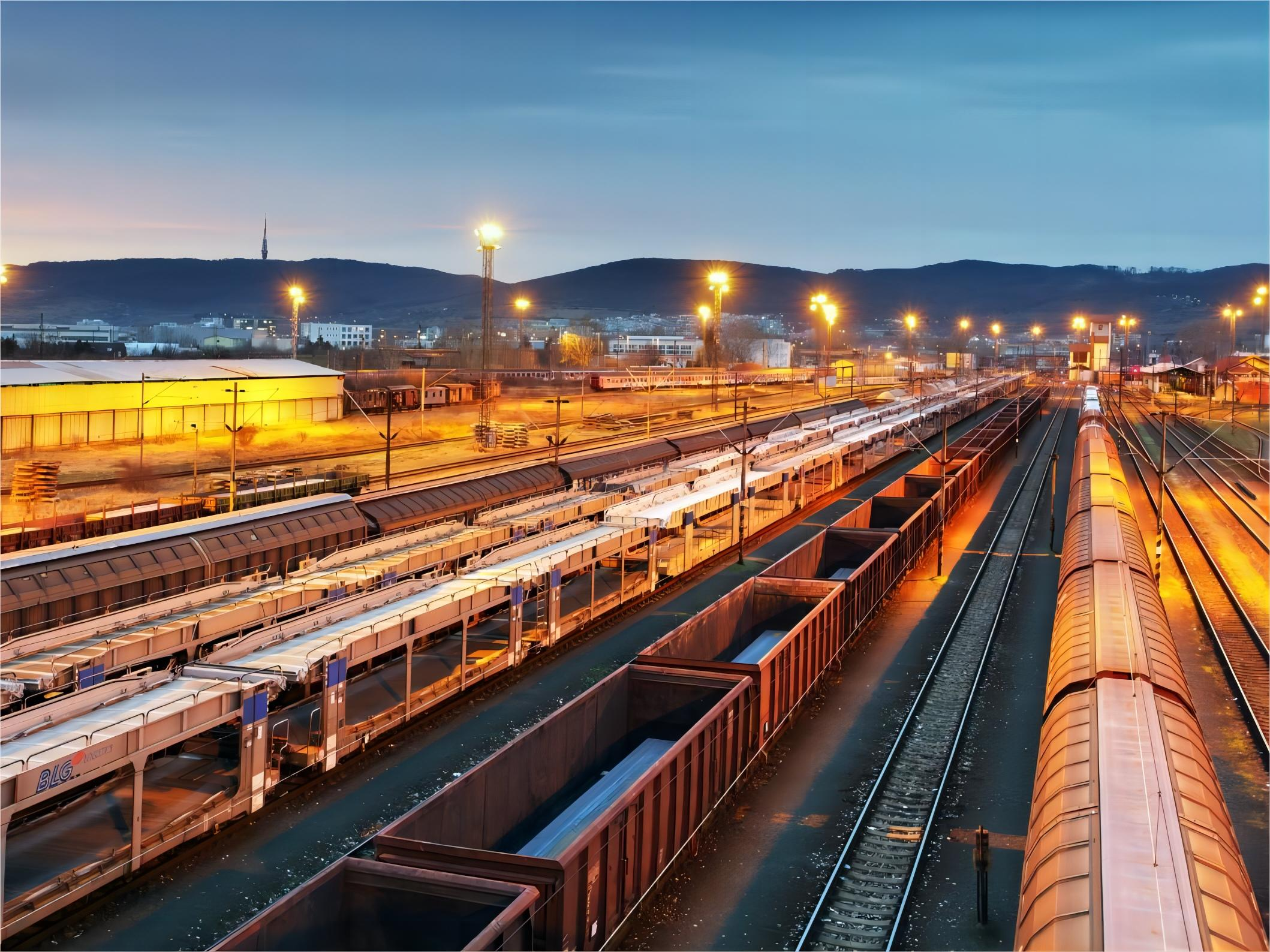
| Rail Freight | $1,200 – $2,800 | 18 – 25 Days | Shipments to Europe |
| Express Service | $8.00 – $15.00/kg | 3 – 5 Days | Small parcels or samples |
Why Are Labeling and Inspection Services Critical?
Amazon maintains rigorous standards for how products must be presented and identified within their system. If a single barcode is unreadable or a poly bag lacks a suffocation warning, your entire shipment could be sidelined. Consequently, professional prep warehouses use industrial-grade equipment to ensure all labels are durable and compliant.
Additionally, quality control inspections performed at the warehouse provide a vital layer of security. Inspectors can check for functional defects, aesthetic flaws, and packaging integrity before the goods are palletized. As a result, you maintain a high seller rating by ensuring only perfect products reach your customers.
To illustrate, consider the impact of a 5 percent defect rate on a shipment of 1,000 units. Without a prep center, those 50 defective units would result in negative reviews and potential account suspension. However, a prep center identifies these issues in China, allowing you to negotiate replacements with the factory immediately.
Optimizing Costs with Sea Freight and Logistics Strategies
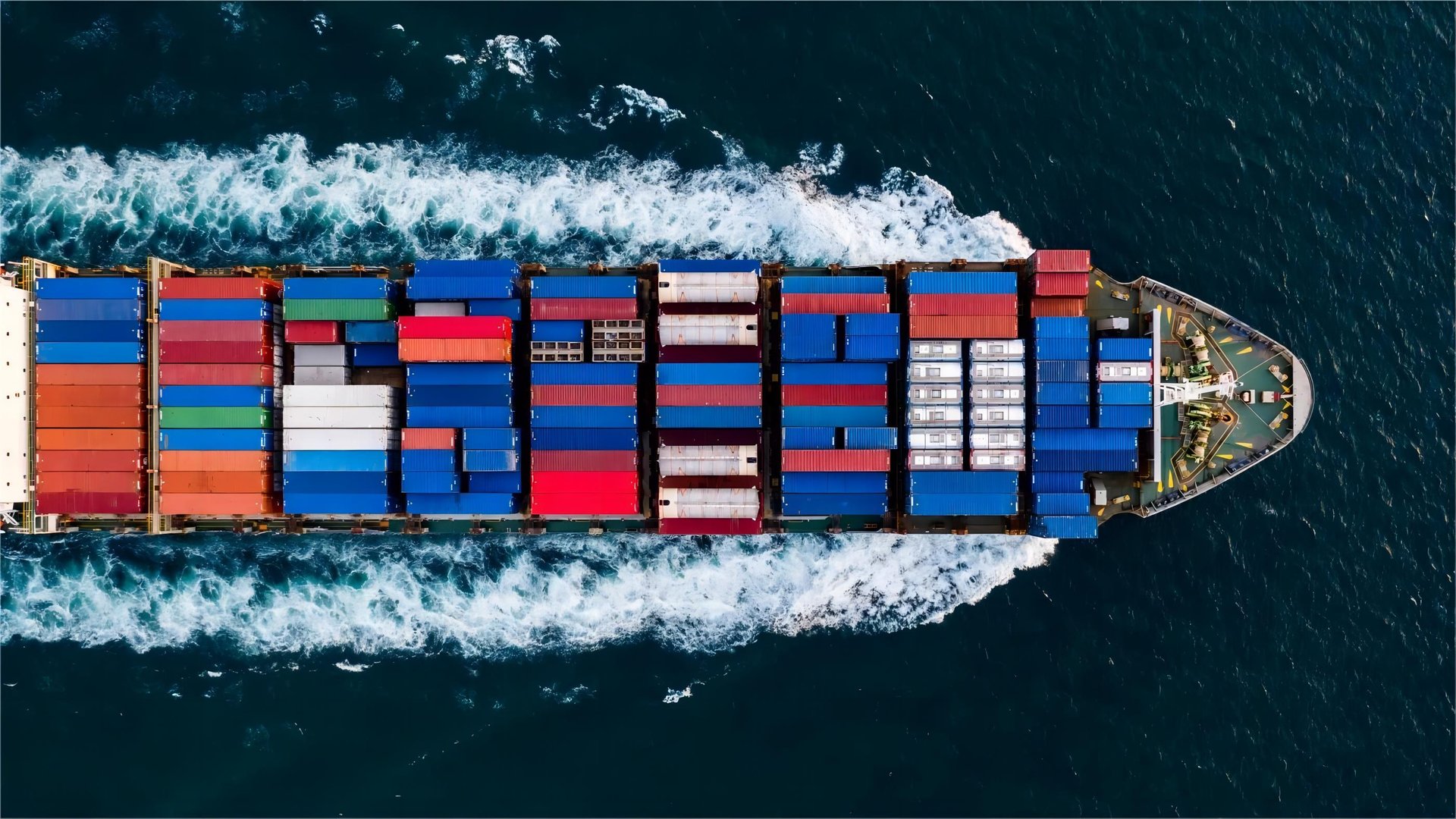
Reducing your landed cost is essential for maintaining healthy profit margins in the competitive Amazon marketplace. Utilizing sea freight remains the most economical choice for sellers moving significant volumes of inventory. In 2026, freight rates have stabilized, making long-term planning more predictable for global brands.
Moreover, consolidating shipments from multiple suppliers into a single container can lead to massive savings. A prep warehouse can hold goods from different factories until you have enough volume to fill a 20GP or 40HQ container. Therefore, you benefit from FCL (Full Container Load) rates rather than more expensive LCL (Less than Container Load) pricing.
Meanwhile, you should also account for destination charges and customs duties when calculating your total investment. Working with an experienced freight forwarder helps you navigate these hidden costs and avoid unexpected delays at the port. Note: Freight rates are subject to change based on fuel costs, carrier capacity, and seasonal demand. Contact us for a current quote tailored to your specific shipment.
Using Air Freight for Rapid Inventory Restocking
When your product goes viral or seasonal demand spikes, you may need to bypass the slow ocean routes. Although air freight is more expensive, the speed it provides can prevent you from going out of stock. Losing your ranking on Amazon due to inventory depletion often costs more in the long run than the premium paid for air transport.
Notably, many sellers use a hybrid strategy where they send a small portion of inventory via air and the remainder via sea. This approach ensures that you have products available for sale while the bulk of your stock is still in transit. Consequently, you balance the need for speed with the necessity of cost control.
Furthermore, air cargo handling at Chinese airports like Shenzhen and Shanghai is highly efficient in 2026. Most shipments can be processed and cleared for departure within 24 to 48 hours of arriving at the airport warehouse. This rapid turnaround is crucial for maintaining a responsive supply chain.
Real-World Case Studies of FBA Prep Success
Examining real scenarios helps clarify the benefits and costs associated with professional logistics management. These cases reflect typical market conditions observed in early 2026 for common shipping routes.
Case Study 1: Electronics to USA West Coast. Route: Shenzhen to Los Angeles. Cargo: 1,200 units of Bluetooth headphones, 8 CBM. Shipping Method: LCL Sea Freight. Ocean Freight: $950. Origin Charges: $250. Destination Charges: $400. Customs and Duties: $1,200. Total Landed Cost: $2,800. Timeline: 22 days door-to-door. Key Insight: Prep warehouse caught 45 units with damaged retail boxes, preventing customer complaints.
Case Study 2: Home Decor to Germany. Route: Ningbo to Hamburg. Cargo: 500 sets of ceramic vases, 15 CBM. Shipping Method: Rail Freight. Freight Cost: $2,100. Origin Charges: $300. Destination Charges: $550. Customs and Duties: $1,800. Total Landed Cost: $4,750. Timeline: 24 days. Key Insight: Using rail freight saved 12 days compared to sea freight during a critical product launch window.
Alternative Strategies for Global FBA Distribution
While direct shipping is common, some sellers find success using Door to Door services that include all-inclusive pricing. This model simplifies accounting by providing a single quote that covers everything from the factory gate to the Amazon warehouse floor. It is particularly useful for new sellers who may be overwhelmed by the complexity of separate freight and customs invoices.
Additionally, shipping to North America requires specific knowledge of ISF filings and bond requirements. If you are targeting multiple markets, a prep warehouse in China can split your inventory and send it to different continents simultaneously. This flexibility allows you to scale your brand globally without needing multiple prep partners.
Furthermore, consider the benefits of bonded warehousing if you plan to re-export goods to other regions. This strategy allows you to defer duty payments until the goods actually enter the commerce of the destination country. Thus, you improve your cash flow and reduce the upfront capital required for large inventory orders.
Which Option Should You Choose for Your FBA Business?
If your primary goal is budget priority, we recommend utilizing sea freight combined with a prep center that offers consolidation services. This combination provides the lowest cost per unit, allowing you to compete on price in the Amazon marketplace. However, you must plan your inventory cycles at least three months in advance to account for transit and processing times.
For those with a speed priority, air freight or express services are the only viable options to meet tight deadlines. These methods are best for lightweight, high-margin items where the shipping cost represents a small fraction of the retail price. Always ensure your prep warehouse is located near a major airport to minimize domestic transit time within China.
Finally, for cargo type considerations, fragile or oversized items require specialized handling that only a dedicated prep facility can provide. Standard factory packaging is often insufficient for the rigors of international shipping and Amazon’s internal conveyor systems. Therefore, investing in reinforced packaging at the source is a wise insurance policy for your inventory.
Mastering Your FBA Logistics Strategy
To summarize, implementing a robust fba prep warehouse china shipping strategy is a fundamental requirement for any serious Amazon seller in 2026. By handling quality control and compliance in China, you protect your brand reputation and optimize your operational costs. Whether you choose the speed of air freight or the economy of sea freight, the key is consistency and attention to detail.
Indeed, the landscape of global trade continues to evolve, but the importance of a reliable logistics partner remains constant. We encourage you to evaluate your current shipping processes and consider how a dedicated prep facility can enhance your growth. With the right preparation and shipping strategy, your business is well-positioned for long-term success in the global marketplace.
Start Your Shipment
Streamline your supply chain today by partnering with a logistics expert who understands the nuances of fba prep warehouse china shipping. Our team provides comprehensive solutions including inspection, labeling, and reliable global transport to ensure your inventory arrives safely and on time. Contact us now to receive a customized quote for your next shipment and take the first step toward a more efficient Amazon business.
Frequently Asked Questions
What are the main benefits of using a prep warehouse in China?
How long does it take for a prep center to process my goods?
Does Amazon require specific labels for every product?
Can a prep warehouse in China handle returns?
What is the difference between LCL and FCL shipping?
Are customs duties included in the shipping quote?
Why is quality control important before shipping from China?
How do I choose between sea and air freight for FBA?