Export Logistics China to Europe Service: Comprehensive 2026 Guide
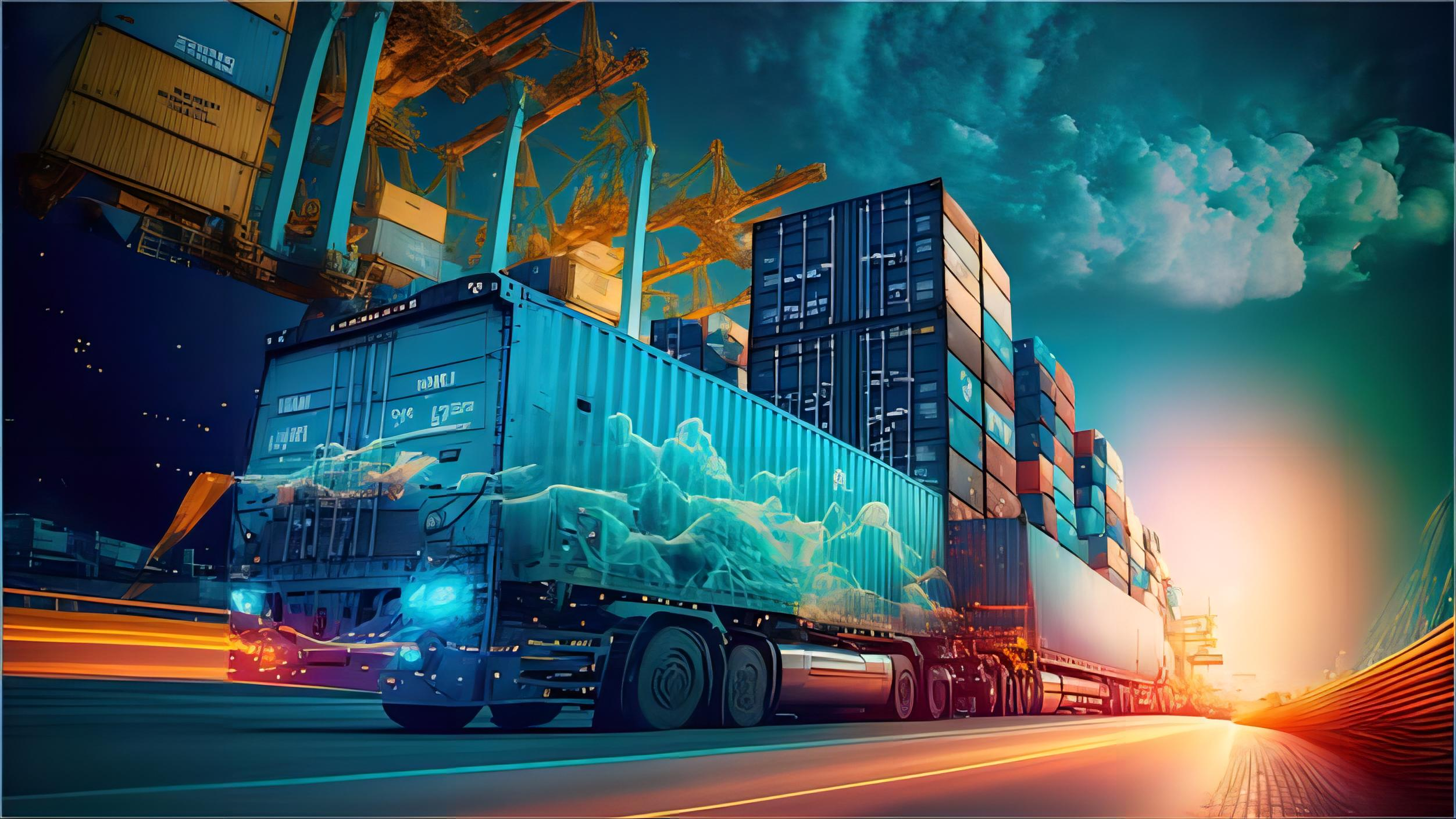
Navigating the complexities of international trade requires a robust export logistics china to europe service that ensures efficiency and reliability. Businesses often face significant hurdles such as fluctuating freight rates and complex customs regulations that can disrupt the entire supply chain. However, by partnering with an experienced logistics provider, you can streamline your operations and maintain a competitive edge in the global market. Consequently, this guide explores the most effective strategies for transporting goods from Chinese manufacturing hubs to European consumers in the current 2026 economic landscape.
The Evolution of Export Logistics China to Europe Service in 2026
Global trade dynamics have shifted significantly as we enter 2026, making the choice of an export logistics china to europe service more critical than ever before. Recent advancements in port automation and digital tracking have revolutionized how freight moves across continents. Moreover, the integration of artificial intelligence in supply chain management allows for more accurate predictive modeling of transit times and potential delays.
Shippers now prioritize sustainability alongside speed and cost because of new European environmental regulations. Consequently, many providers are introducing carbon-neutral shipping options and utilizing liquefied natural gas powered vessels. Meanwhile, the demand for transparency has led to the widespread adoption of blockchain technology for secure and real-time documentation sharing between all stakeholders in the shipping process.
Market data suggests that freight rates have stabilized after the volatility seen in previous years, providing a more predictable environment for budget planning. Indeed, businesses that adapt to these technological and regulatory changes find themselves better positioned to manage high-volume imports. Therefore, understanding the nuances of modern logistics is essential for any enterprise looking to thrive in the 2026 trade corridor.
How Does Sea Freight Compare to Other Shipping Options?
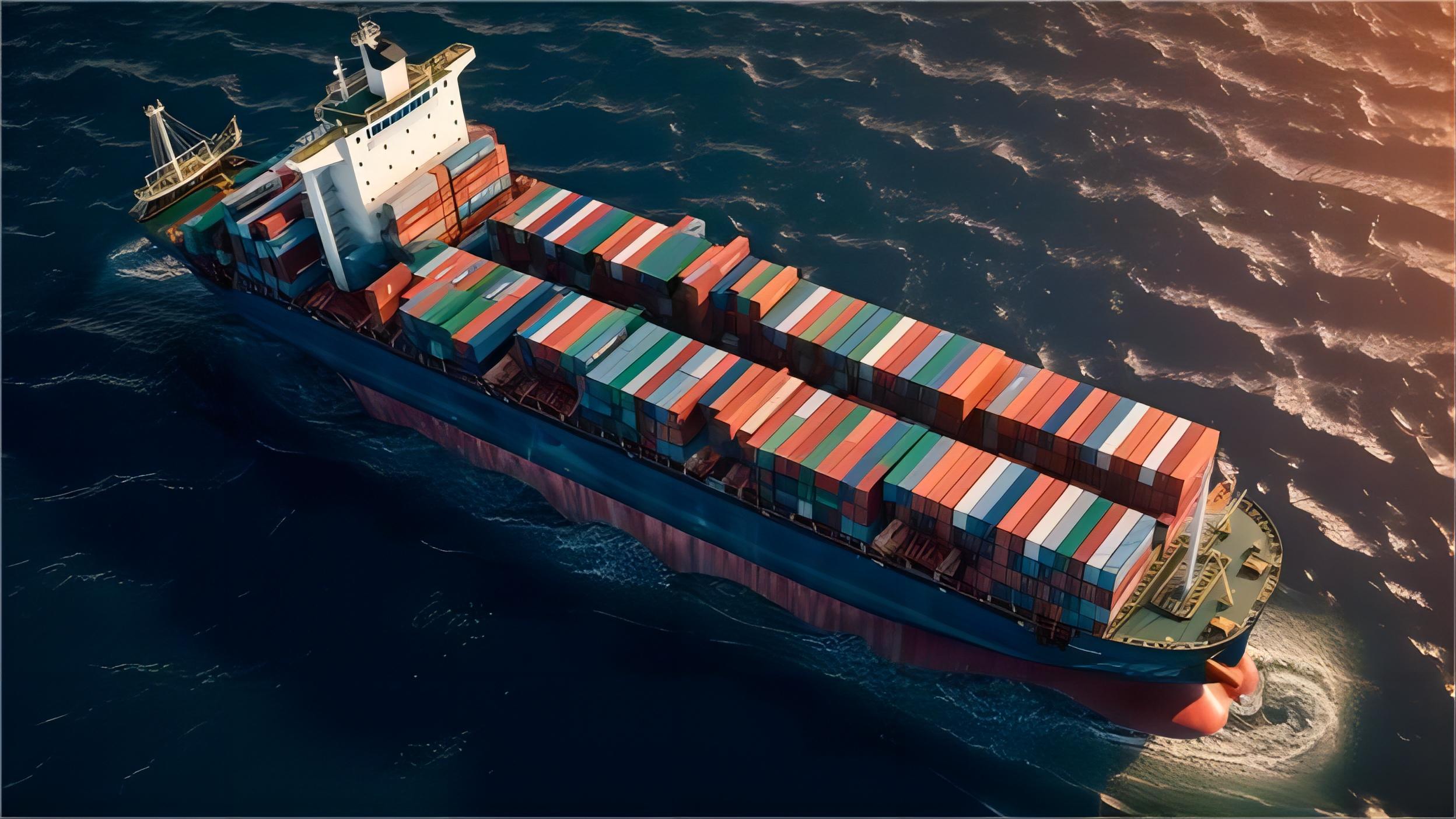
Choosing the right transportation mode involves a careful analysis of costs, transit times, and cargo characteristics. While sea freight remains the most popular choice for bulk shipments, it is important to understand how it stacks up against rail and air alternatives. For instance, sea freight offers the lowest cost per unit but requires the longest lead times, which might not suit time-sensitive inventory.
Alternative strategies often involve a mix of methods to balance urgency and expenditure. For example, some companies use a sea-air hybrid solution to bypass congested ports while keeping costs lower than pure air transport. Additionally, the choice between Full Container Load and Less than Container Load depends heavily on your total volume and desired flexibility.
According to industry benchmarks for early 2026, sea freight capacity has increased, leading to more competitive pricing for long-haul routes. However, shippers must account for potential seasonal surcharges during the peak months of August through October. Use the table below to compare the primary methods available for your export logistics china to europe service.
| Shipping Method | Cost Range (USD) | Transit Time | Best For |
|---|---|---|---|
| Sea Freight (FCL) | $3,000 – $4,500 | 30-40 Days | Large Bulk Orders |
| Rail Freight | $4,500 – $6,500 | 18-24 Days | Mid-Value Goods |
| Air Freight | $8,000 – $15,000 | 3-7 Days | Urgent Shipments |
| Express Service | $15,000+ | 2-4 Days | Samples / Small Parcels |
Understanding Transit Times and Port Dynamics in Europe
Transit times for an export logistics china to europe service vary significantly based on the specific port of discharge and the efficiency of local infrastructure. Major hubs like Rotterdam, Hamburg, and Antwerp continue to handle the lion’s share of cargo entering Europe from Asia. Furthermore, the development of secondary ports in Southern and Eastern Europe has provided new gateways that can sometimes offer faster inland connections.
Congestion at major terminals can occasionally add several days to the total door-to-door timeline. Consequently, savvy logistics managers often look for alternative routes or transshipment points to avoid bottlenecks during peak seasons. Meanwhile, the implementation of 5G-enabled port operations in Shanghai and Ningbo has drastically reduced loading times at the origin.
Typical rates as of early 2026 indicate that direct sailings are slightly more expensive but offer higher reliability. In contrast, transshipment routes via Singapore or Colombo can save on freight costs but increase the risk of delays. The following table provides an estimate of transit times to key European destinations based on current market data.
| Destination Port | Sea Transit (Days) | Rail Transit (Days) | Air Transit (Days) |
|---|---|---|---|
| Rotterdam, NL | 32-35 | 18-20 | 4-6 |
| Hamburg, DE | 34-38 | 16-19 | 4-5 |
| Felixstowe, UK | 35-40 | 20-22 | 5-7 |
| Gdynia, PL | 38-42 | 14-17 | 5-6 |
The Strategic Importance of Rail Freight in 2026
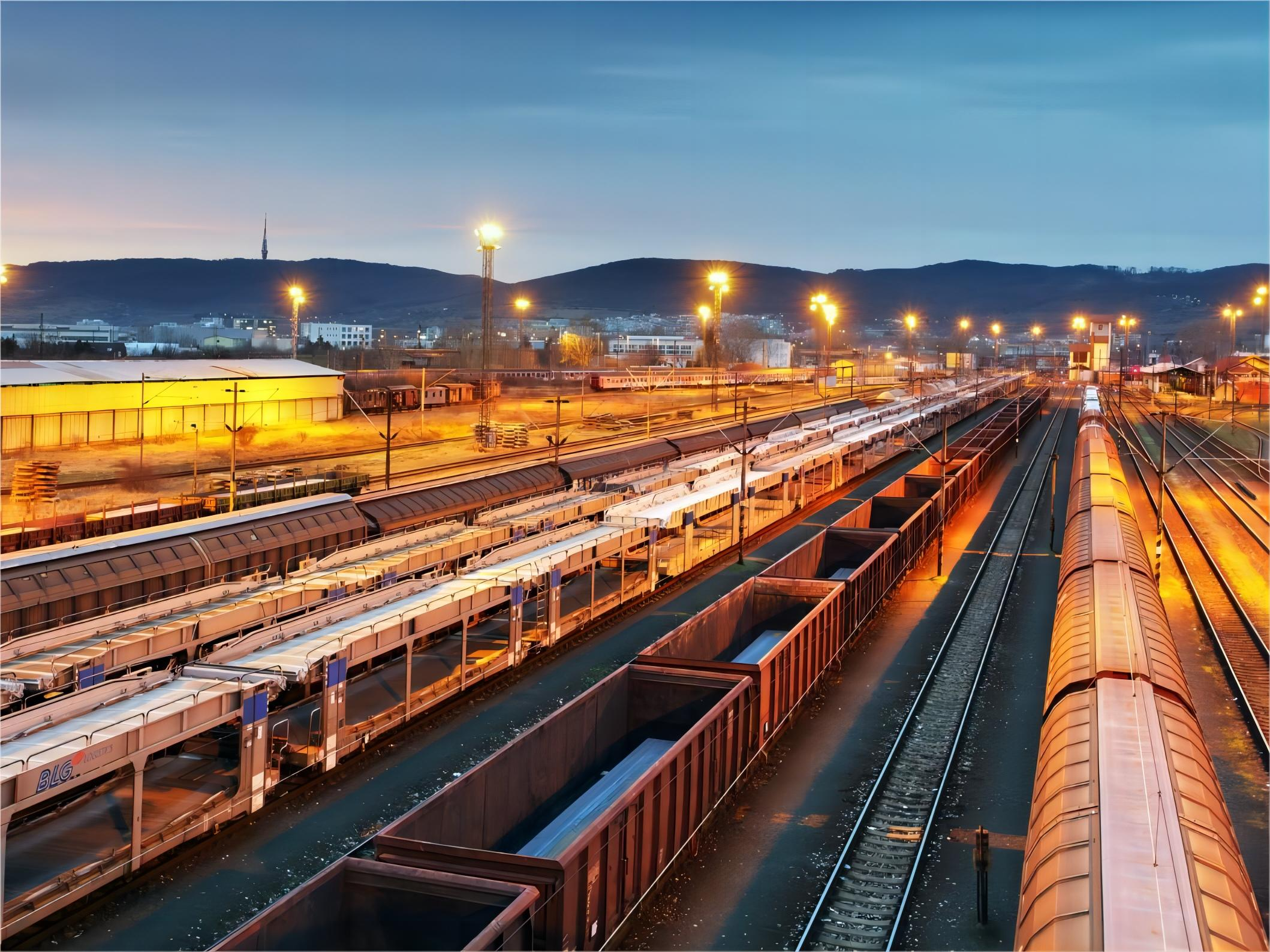
Reliable rail freight has emerged as a vital middle ground for businesses that need faster delivery than sea but cannot afford air rates. The China-Europe Railway Express has expanded its network to include more inland Chinese cities and European terminals. Moreover, the reliability of rail schedules has improved significantly with the introduction of dedicated fast-track lanes for high-priority cargo.
Security measures along the rail corridor have also been enhanced to protect high-value electronic and automotive components. Consequently, many manufacturers are shifting their mid-tier inventory to rail to improve cash flow and reduce warehouse storage times. Additionally, rail transport is often cited as a more environmentally friendly alternative to air and sea freight due to lower carbon emissions per ton-kilometer.
Market data suggests that rail volumes have grown by 15 percent annually as infrastructure in Central Asia continues to modernize. However, shippers should be aware of gauge changes at borders which can occasionally cause minor transload delays. Despite these challenges, rail remains a cornerstone of a diversified export logistics china to europe service strategy.
Air Freight: When Speed Justifies the Premium
Utilizing air freight is often the best strategy for high-value items, perishables, or urgent stock replenishments. Although the cost is substantially higher than other modes, the reduction in transit time can prevent costly production shutdowns or lost sales opportunities. Furthermore, air cargo provides superior security and lower insurance premiums due to the shorter time spent in transit.
Cargo handling at major airports like Frankfurt and London Heathrow has become more automated, allowing for rapid customs clearance and breakdown of pallets. Consequently, goods can often move from the tarmac to the final warehouse within 24 to 48 hours of arrival. Meanwhile, the rise of dedicated e-commerce air charters has created more capacity for smaller parcels and consumer goods.
As of Q1 2026, fuel surcharges have remained stable, making air cargo budgeting more predictable than in the early 2020s. Nevertheless, it is advisable to book space at least 7-10 days in advance during the Q4 peak to secure the best possible rates. In addition, using a consolidated air service can help reduce costs for shipments that do not require a full charter.
Customs Brokerage and Documentation Essentials
Navigating the customs brokerage process is one of the most complex aspects of any export logistics china to europe service. Each European country may have specific local requirements in addition to standard EU regulations. Moreover, incorrect documentation can lead to significant fines, storage charges, and long delays at the border.
Essential documents typically include the commercial invoice, packing list, bill of lading, and certificates of origin. Consequently, working with an experienced broker who understands the 2026 Harmonized System (HS) codes is vital for ensuring compliance. Additionally, many businesses are now utilizing digital customs platforms that allow for pre-clearance of goods while they are still in transit.
Indeed, a proactive approach to customs can save thousands of dollars in potential demurrage and detention fees. For example, ensuring that all VAT and duty registrations are in order before the shipment arrives can expedite the final delivery process. Therefore, investing in professional customs support is a mandatory component of a successful international shipping strategy.
Real-World Case Studies in Logistics Excellence
Examining real-world scenarios provides valuable insights into the practical application of an export logistics china to europe service. These examples highlight how different businesses overcome specific challenges to achieve their supply chain goals. Based on Q3 2025 market rates and 2026 operational data, these cases reflect current industry standards.
Case Study 1: Electronics from Shenzhen to Hamburg. Cargo: High-end tablets, 15 CBM, 4,500 kg. Method: Rail Freight. Ocean Freight: Not applicable. Total Landed Cost: $6,200. Timeline: 19 days door-to-door. Key Insight: Choosing rail allowed the client to meet a product launch deadline without the extreme cost of air freight.
Case Study 2: Industrial Machinery from Ningbo to Rotterdam. Cargo: CNC Machine, 1 x 40HQ Container. Method: Sea Freight. Carrier: Major carrier. Ocean Freight: $4,100. Total Landed Cost: $5,800. Timeline: 36 days. Key Insight: Early booking and direct routing minimized destination charges and ensured the machinery arrived on schedule for factory installation.
Case Study 3: Seasonal Fashion from Guangzhou to Paris. Cargo: Apparel, 500 kg. Method: Air Freight. Total Landed Cost: $3,200. Timeline: 5 days. Key Insight: Using air freight for a limited-edition collection allowed the brand to capitalize on a viral trend before consumer interest faded.
Decision Framework: Which Option Should You Choose?
Determining the best export logistics china to europe service for your needs depends on a balance of four key factors: budget, speed, cargo type, and volume. If your primary goal is cost reduction and you have a flexible timeline, sea freight is the logical choice. On the other hand, if you are shipping high-value items with a short shelf life, air freight becomes a necessity despite the higher expense.
Volume thresholds also play a major role in the decision-making process. For instance, shipments under 15 CBM are often more economical via LCL (Less than Container Load) sea freight or rail. However, once you exceed 15-20 CBM, paying for a Full Container Load (FCL) usually provides better security and a lower cost per cubic meter.
Risk tolerance is another critical consideration in the 2026 trade environment. Consequently, businesses with low risk tolerance may prefer direct rail or air routes to minimize the number of handling points. To summarize, your logistics strategy should be dynamic, allowing you to switch between methods as market conditions and business priorities evolve.
Cost-Saving Strategies and Market Intelligence
Implementing smart strategies can significantly reduce the overall cost of your export logistics china to europe service. One effective method is to consolidate multiple small shipments into a single larger one to take advantage of FCL rates. Furthermore, optimizing your packaging to reduce wasted space can lower your billable weight for both air and sea freight.
Negotiating long-term contracts with freight forwarders can also provide protection against sudden market price spikes. Additionally, staying informed about port schedules and avoiding peak shipping weeks can save 10-20 percent on seasonal surcharges. Meanwhile, utilizing bonded warehouses allows you to defer duty and tax payments until the goods are actually sold.
Note: Freight rates are subject to change based on fuel costs, carrier capacity, and seasonal demand. Contact us for a current quote tailored to your specific shipment. Industry average for this route suggests that being proactive with your booking can lead to more favorable terms and better equipment availability.
Mastering Your Global Supply Chain
Successfully managing an export logistics china to europe service requires a deep understanding of the various shipping modes, customs requirements, and market trends. By carefully evaluating the trade-offs between sea, air, and rail freight, businesses can create a resilient logistics strategy that meets both budget and timeline constraints.
As we move through 2026, the integration of technology and sustainable practices will continue to define the industry. Partnering with a professional logistics provider ensures that you stay ahead of these changes while maintaining a smooth flow of goods. Ultimately, a well-executed logistics plan is a powerful tool for driving international business growth and customer satisfaction.
Ready to streamline your logistics?
Ready to optimize your supply chain with a reliable export logistics china to europe service? Contact our team today for a customized quote and expert guidance on the best shipping routes for your business. Send Inquiry for 2026 rates.
Request Quote